• Learning Transesophageal Echocardiography with Google Glass

    Learning Transesophageal Echocardiography with Google Glass

    Today I took part in a study assessing the utility of Google Glass in navigating the 20 standard views of conventional transesophageal echocardiography (TEE). TEE is routinely utilized in cardiac cases to evaluate cardiac function, signs of ischemia, life-threatening conditions, and intraoperative changes; however, mastering the technical skill of performing…

    Read More

  • Finished With My First Difficult Airway Rotation

    Finished With My First Difficult Airway Rotation

    Been almost a month since my last blog post – during that time, I completed my first dedicated month of “difficult airway” training with gynecology cases. I was fortunate to work with our skilled faculty (some of whom hold/held premiere positions of leadership in the Society of Airway Management) and…

    Read More

  • Being The Post Anesthesia Care Unit (PACU) Resident

    Being The Post Anesthesia Care Unit (PACU) Resident

    Last week, I was the resident in charge of overseeing the post anesthesia care unit (PACU). Every morning, I checked the stat room to make sure it was set up for an emergent case and performed an inventory on our airway boxes for stat intubations around the hospital. Then I proceed to the pre-op…

    Read More

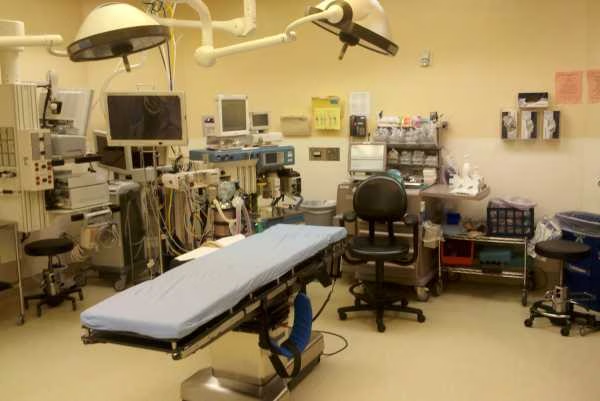
  • Setting Up The Operating Room For Anesthesia
  • Interpreting Thromboelastography (TEG)

    Interpreting Thromboelastography (TEG)

    Thromboelastography (TEG) is a simple way of assessing many parts of the coagulation cascade from primary and secondary hemostasis to fibrinolysis. Thrombus formation typically requires four components: platelets which form the initial hemostatic plug, clotting factors that reinforce the platelets, fibrin which serves as a hemostatic glue, and other clot-supporting…

    Read More

  • Intraoperative Hypotension and Hypertension

    Intraoperative Hypotension and Hypertension

    Intraoperative hypotension (and to a lesser degree, hypertension) are very common issues which can occur in any case, so it’s important to have a methodical approach in diagnosing the etiology as well as treating it. 

    Read More

  • Tracheal and Subglottic Stenosis Caused By Endotracheal Tubes

    Tracheal and Subglottic Stenosis Caused By Endotracheal Tubes

    Endotracheal intubation is a skill learned by many specialties – anesthesia, emergency medicine, and critical care to name a few – which can have serious repercussions if not performed properly. Once the laryngoscope has been advanced, the hypopharyngeal landmarks identified (vocal cords, piriform sinuses, etc), and the endotracheal tube (ETT)…

    Read More

  • My Anesthesiology Operating Room Jacket

    My Anesthesiology Operating Room Jacket

    While I love my white coat’s pockets to carry around articles and manuals, I’ve been looking forward to having my operating room jacket for its portability. Oh yeah, and it has a built in audio port! $70 well spent. :-)

    Read More

  • Anesthesiology Residency Application Process

    Anesthesiology Residency Application Process

    You’ve made the decision to pursue anesthesiology. Great! So… now what? What should you be doing? What are the pitfalls for applicants? Having gone through the process, here are some basic things to consider.

    Read More

  • Beginning Of Pediatric Anesthesiology

    Beginning Of Pediatric Anesthesiology

    Every medical student has an “audition rotation” – the time they spend rotating through their career of choice. Now it’s my turn. The career: pediatric anesthesiology. The mentality: kids are awesome. I spent some time over the weekend reading articles about the pre, intra, and post-operative anesthesia considerations inherent to…

    Read More