• Tetralogy Of Fallot (TOF)

    Tetralogy Of Fallot (TOF)

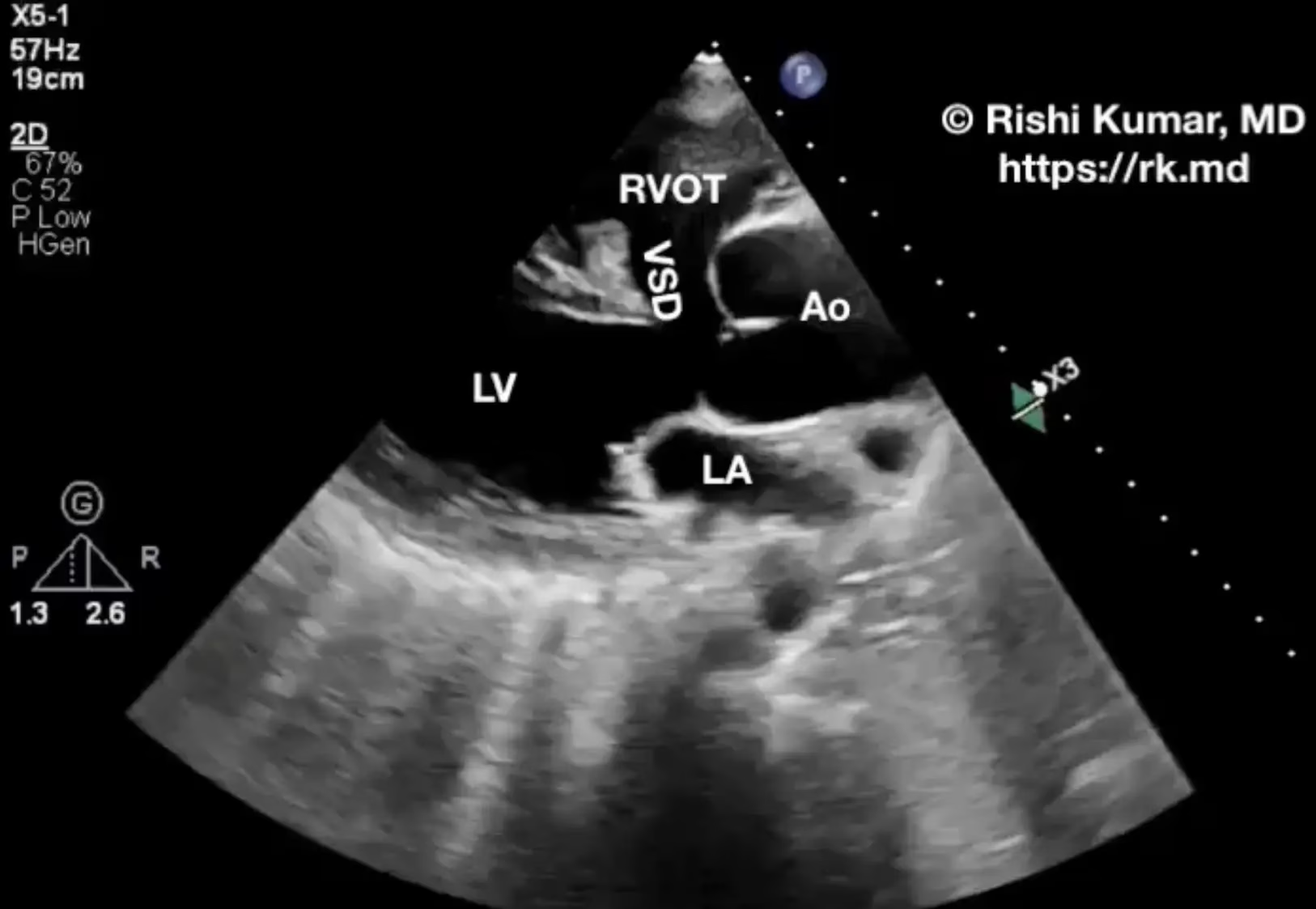
    Tetralogy Of Fallot (TOF), named for French physician Arthur Fallot, is the most common cyanotic congenital heart defect and comprised of four cardiovascular anomalies: RVOT obstruction reduces blood flow to the lungs resulting in chronic hypoxemia and right-to-left shunting through the VSD. It’s common for these patients to have hemoglobin…
    Read More

  • Pneumopericardium

    Pneumopericardium

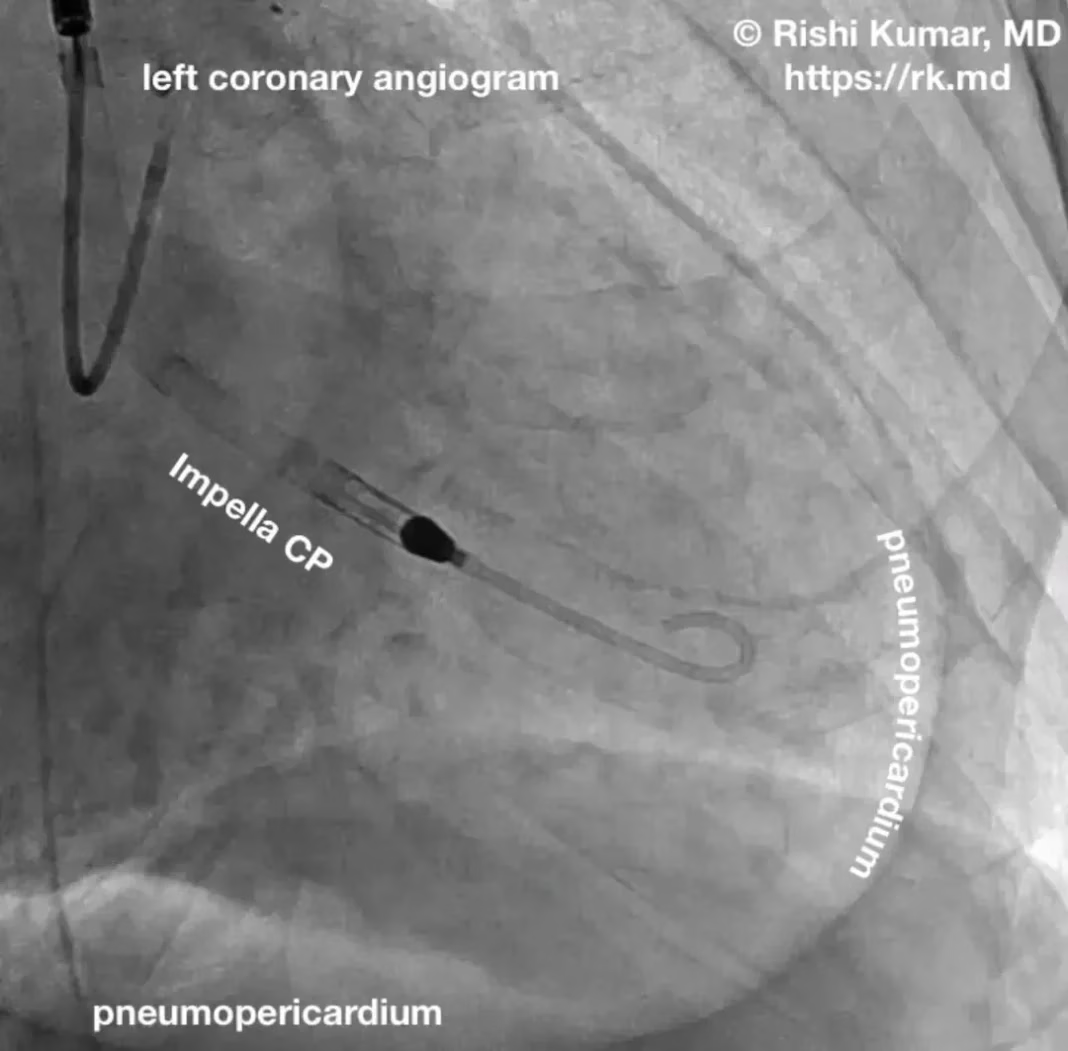
    The heart is encased within a double-layered protective sac called the pericardium. Pneumopericardium occurs when air accumulates within this sac resulting in increased pressure around the heart. So how does air get there? Blunt or penetrating trauma to the chest can cause mediastinal disruption potentially leading to pneumopericardium. In addition,…

    Read More

  • R-on-T Phenomenon

    R-on-T Phenomenon

    The R-on-T phenomenon is a type of ventricular extrasystole that can occur when a premature ventricular contraction (PVC) happens during the relative refractory period (RRP) of the previous ventricular depolarization, specifically on the last 2/3rd of the T wave on an EKG. If the PVC is strong enough to depolarize…

    Read More

  • Absolute And Relative Refractory Periods

    Absolute And Relative Refractory Periods

    The absolute and relative refractory periods refer to the intervals during which the cardiac cells are either entirely or partially unresponsive to further stimulation, respectively. The refractory periods are crucial in regulating the timing and rhythm of the heart’s contractions. Suppose a stimulus causes the transmembrane potential (TMP) to reach…

    Read More

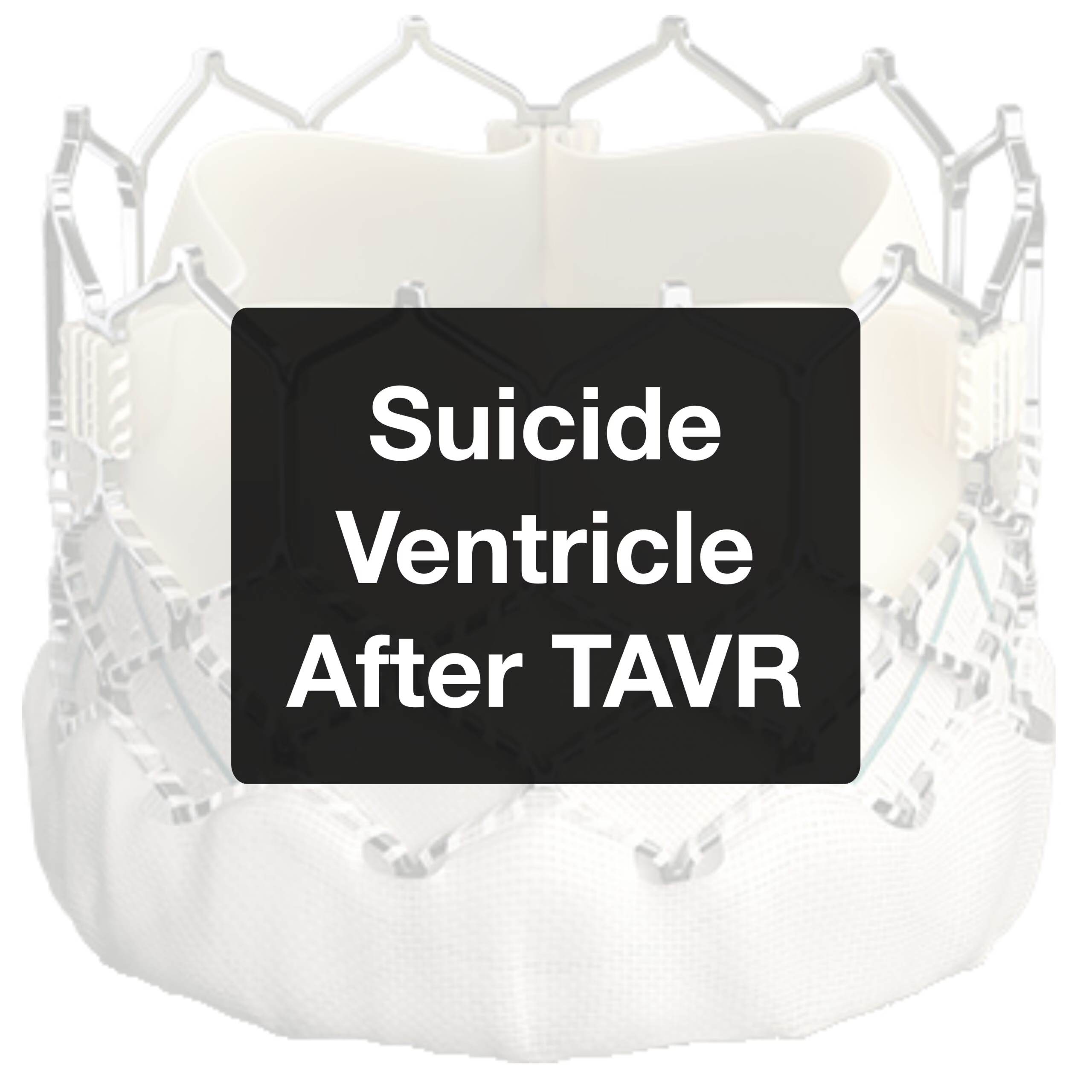
  • Suicide Left Ventricle Following TAVR

    Suicide Left Ventricle Following TAVR

    Calcific aortic valve stenosis causes the left ventricle (LV) to adapt to chronic pressure overload over time. Classically, this involves left ventricular hypertrophy resulting in diastolic dysfunction. After a transcatheter aortic valve replacement (TAVR), the new valve instantaneously alleviates the fixed obstruction. As a result, the LV can eject more…

    Read More

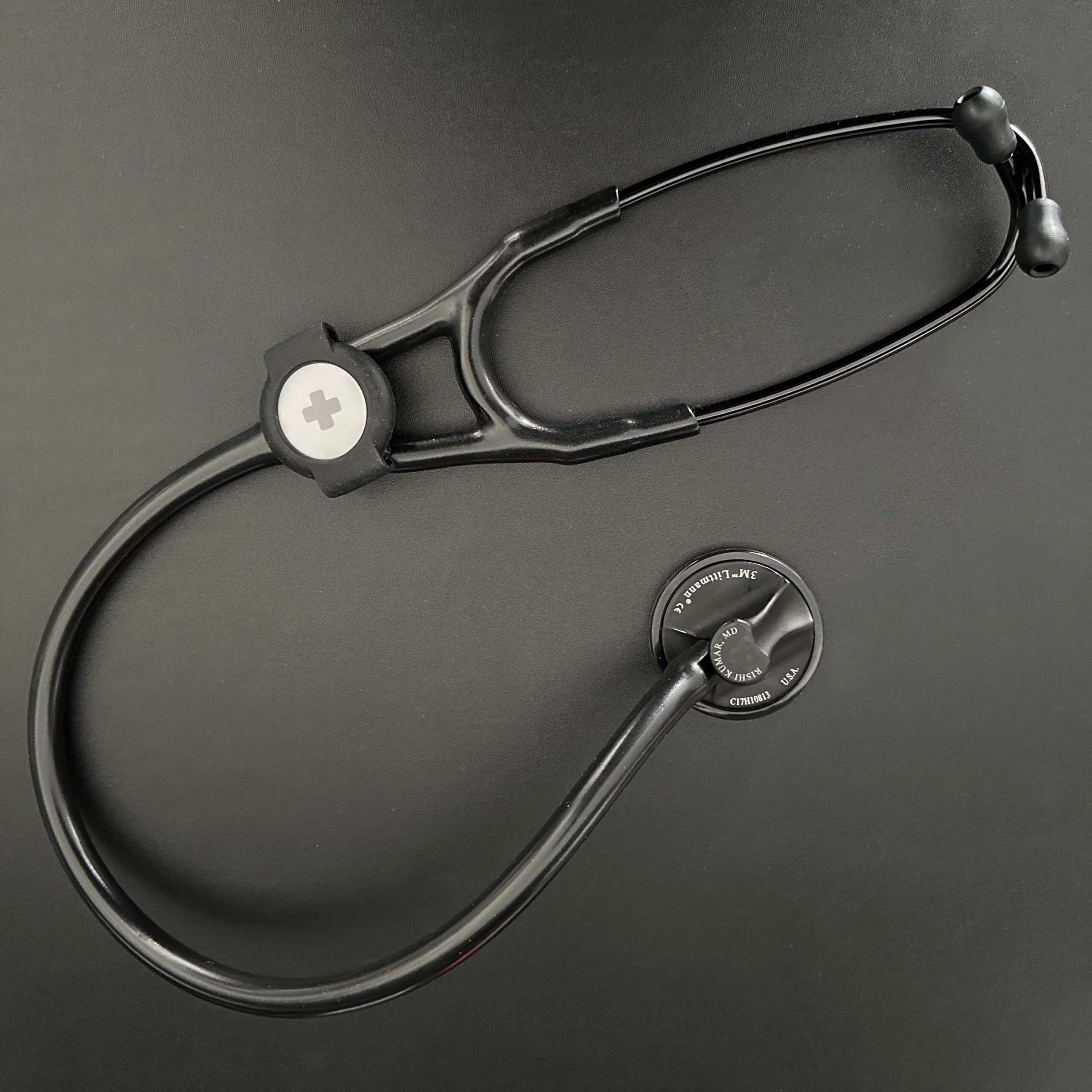
  • AirTagging My Stethoscope

    AirTagging My Stethoscope

    When I’m on service as an intensivist, I have a knack for misplacing my stethoscope somewhere in the CVICU or OR. Every now and then, I’ll have to retrace my steps from room-to-room looking for the darn thing! I figured I should embrace my techiness and just slap an AirTag…

    Read More

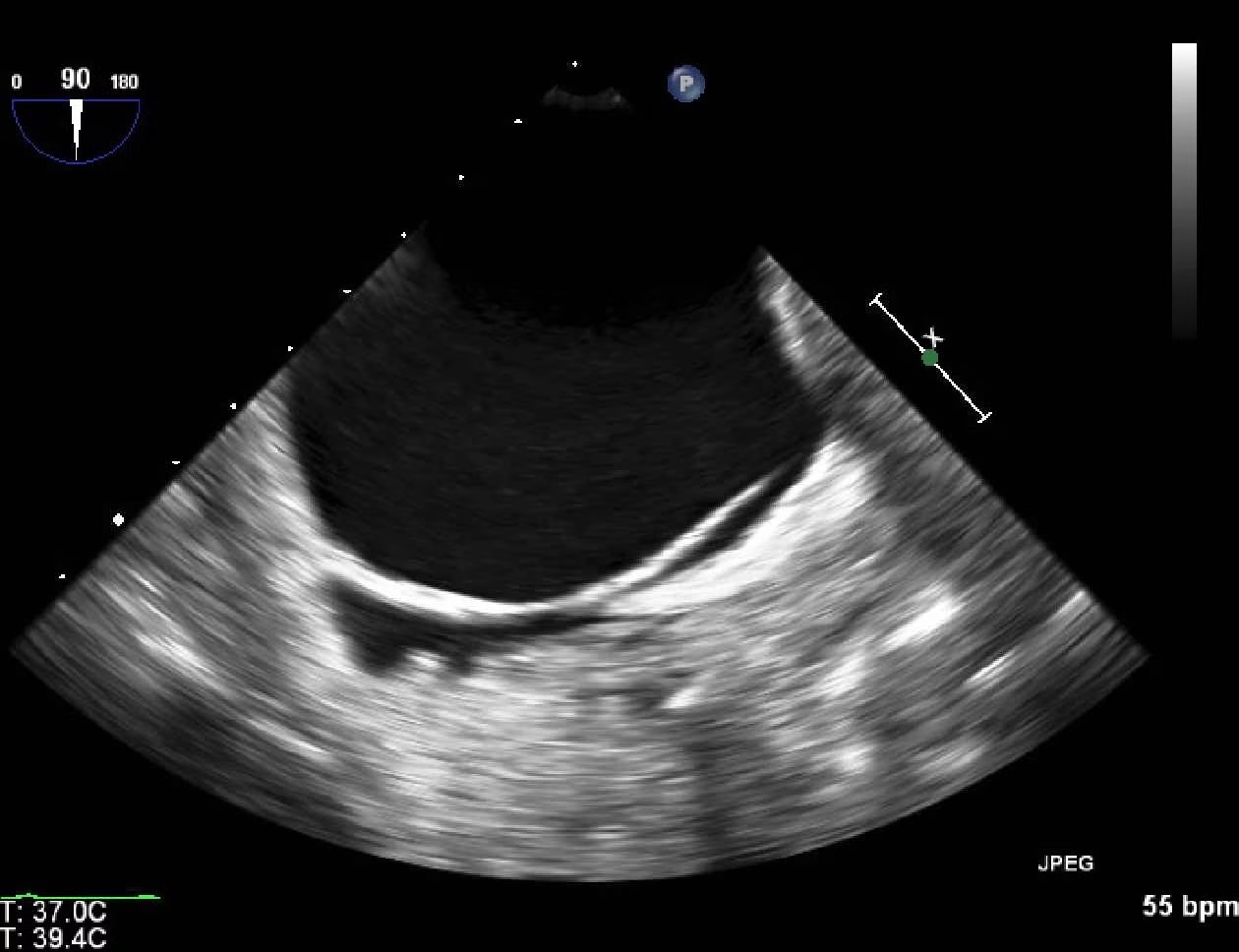
  • My Transesophageal Echocardiography (TEE) Sequence Of Views

    My Transesophageal Echocardiography (TEE) Sequence Of Views

    As a cardiothoracic anesthesiologist and intensivist, transesophageal echocardiography (TEE) is a powerful cardiac imaging modality I perform in the OR during cardiac surgery and in the cardiovascular ICU when point-of-care ultrasound is not feasible or helpful due to poor image quality. Before anything, I take a quick shot of the…

    Read More

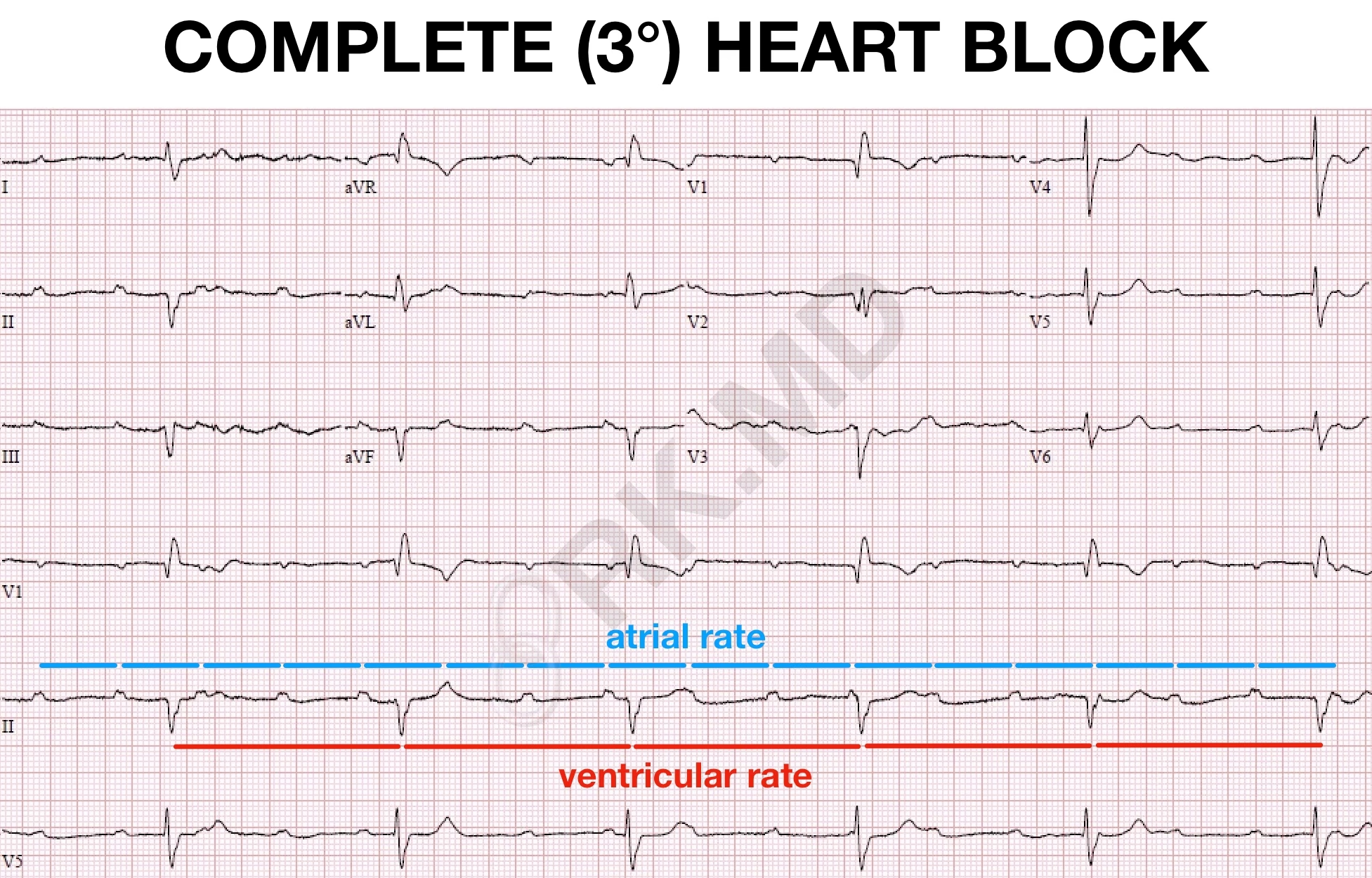
  • Complete (3°) Heart Block ECG

    Complete (3°) Heart Block ECG

    Complete (3°) heart block (CHB) occurs when atrial signals do not reach the ventricle; therefore, the atria (P-waves) and ventricles (wide QRS complexes) pace themselves independently of each other. Symptoms can range from fatigue and dyspnea to syncope, chest pain, and sudden cardiac death. CHB can be caused by ischemia,…

    Read More

  • Cangrelor

    Cangrelor

    Cangrelor (Kengreal) is an intravenous P2Y12 platelet inhibitor which is run as a continuous infusion. Unlike clopidogrel (Plavix) which is a prodrug requiring conversion to an active metabolite, cangrelor is already active and has a quick onset. Furthermore, stopping the infusion results in rapid restoration of platelet function in ~1…

    Read More

  • Left Atrial Myxoma

    Left Atrial Myxoma

    Myxomas are the most common primary, benign cardiac tumors occurring. They typically occur in middle-aged adults with a higher incidence in women. Most commonly, myxomas are located in the left atrium (LA). Large myxomas can cause obstruction of the mitral inflow leading to hemodynamic changes similar to mitral stenosis. Smaller…

    Read More