• Alprostadil

    Alprostadil

    Alprostadil (Prostaglandin E1, PGE1) is a medication used to treat erectile dysfunction and pulmonary arterial hypertension (PAH). PAH is a progressive condition in which the arteries that carry blood from the heart to the lungs become narrowed, making it difficult for the heart to pump blood effectively. This can lead…
    Read More

  • Off-Pump Coronary Artery Bypass Grafting (OPCABG)

    Off-Pump Coronary Artery Bypass Grafting (OPCABG)

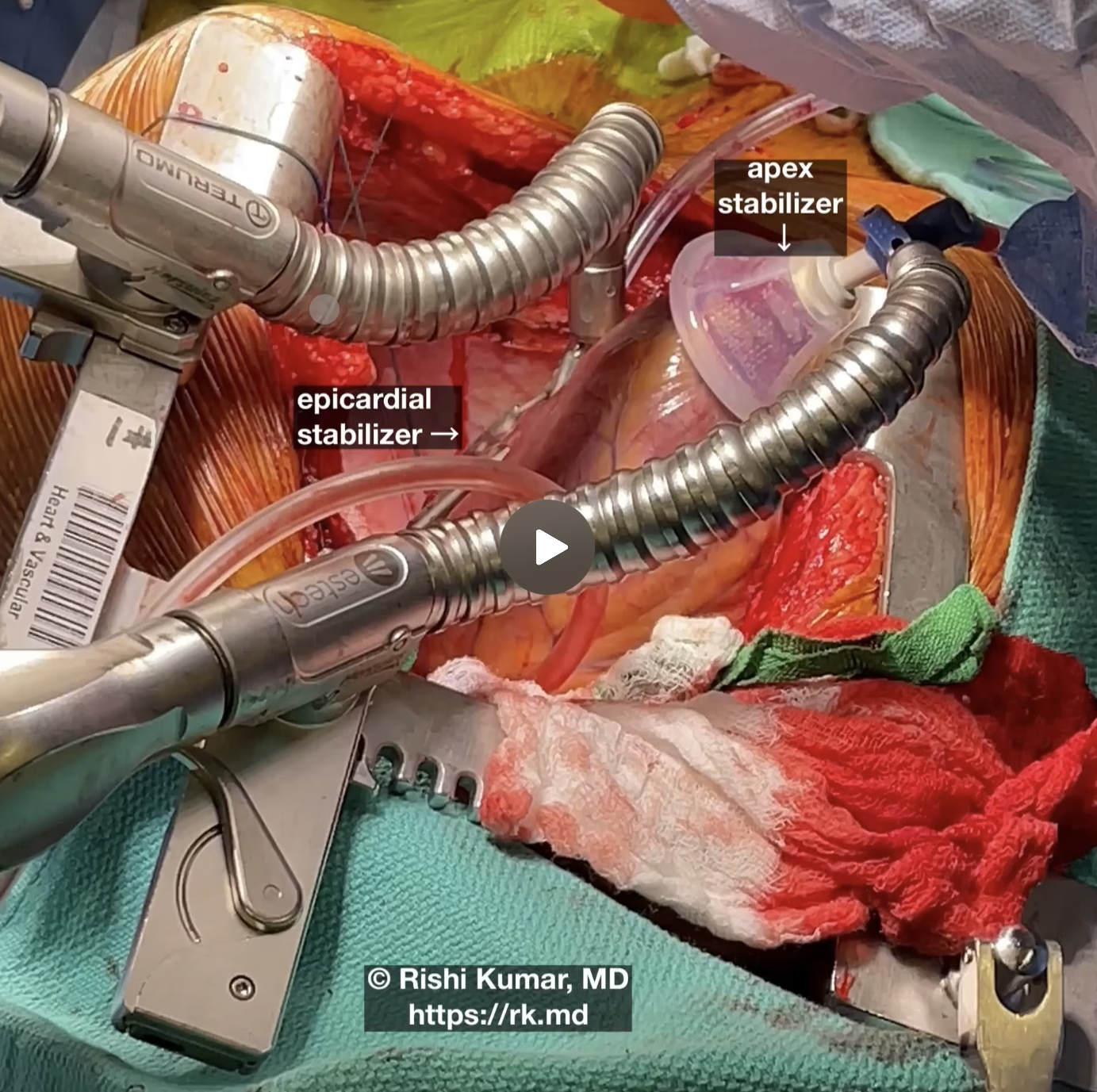
    Off-pump coronary artery bypass grafting (OPCABG) is a surgical revascularization technique where grafts are anastomosed to coronary arteries to bypass occlusions without using cardiopulmonary bypass. As a result, the typical considerations for “on-pump” CABG (atrial cannulation, aortic cannulation, aortic cross-clamping, cardioplegia, suspension of mechanical ventilation, etc.) are not performed. Instead,…

    Read More

  • Carcinoid Heart Disease Echocardiography

    Carcinoid Heart Disease Echocardiography

    Carcinoid syndrome is most commonly caused by an overproduction of hormones from metastatic midgut tumors and is characterized by diarrhea, flushing, hypotension, and increased airway reactivity. Roughly half of these cases also have carcinoid heart disease associated with fibrous deposition in right-heart structures. In particular, tricuspid and pulmonic valve leaflets…

    Read More

  • Left Atrial Myxoma

    Left Atrial Myxoma

    Myxomas are the most common primary, benign cardiac tumors occurring. They typically occur in middle-aged adults with a higher incidence in women. Most commonly, myxomas are located in the left atrium (LA). Large myxomas can cause obstruction of the mitral inflow leading to hemodynamic changes similar to mitral stenosis. Smaller…

    Read More

  • Left Ventricular Pseudoaneurysm

    Left Ventricular Pseudoaneurysm

    A left ventricular (LV) pseudoaneurysm is an LV outpouching devoid of myocardium/endocardium contained by the pericardium and adhesions. As one can imagine, this pathology carries a high risk of rupture and mortality. LV pseudoaneurysms are most commonly linked to myocardial infarction (inferior > anterior) but can also follow open-heart surgery…

    Read More

  • What Is Cell Saver?

    What Is Cell Saver?

    As a cardiothoracic anesthesiologist, hemostasis, coagulopathy, and blood salvation are important considerations in the operations I’m involved with. Cell Saver is one technique our perfusion team routinely utilizes to facilitate blood conservation. Blood loss on the surgical field is collected, run through a filter, washed, and returned to the patient…

    Read More

  • TEVAR For Aorto-Esophageal Fistula

    TEVAR For Aorto-Esophageal Fistula

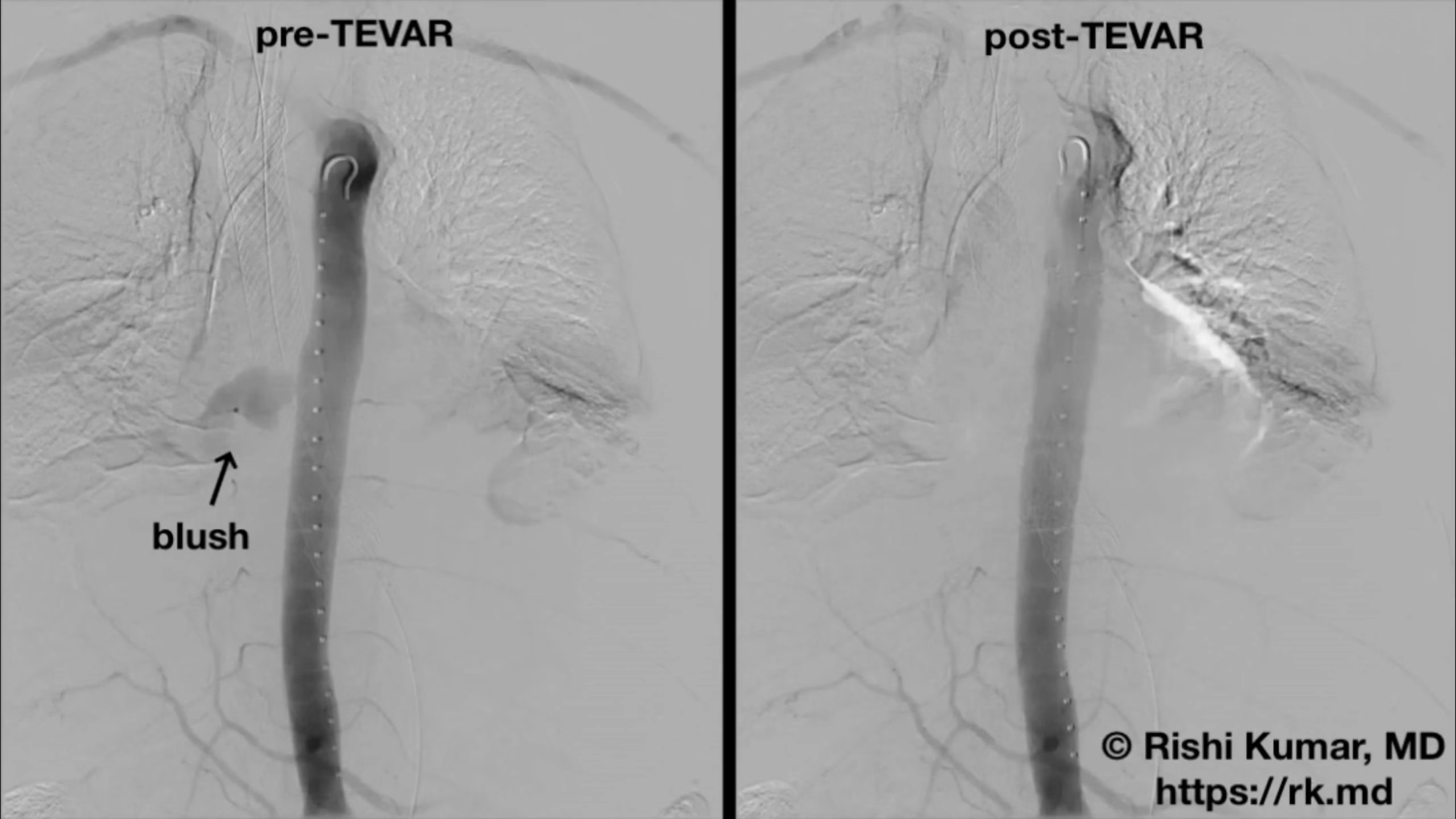
    Aorta-esophageal fistula is an abnormal communication between the aorta and esophagus leading to life-threatening exsanguination via the GI tract. This can be caused by procedures (e.g., weeks following cardiac arrhythmia ablation), malignancy, foreign body, aortic aneurysm, etc. Patients typically present with massive bright red GI bleeding that can be intermittent…

    Read More

  • TEE In The Cardiothoracic ICU

    TEE In The Cardiothoracic ICU

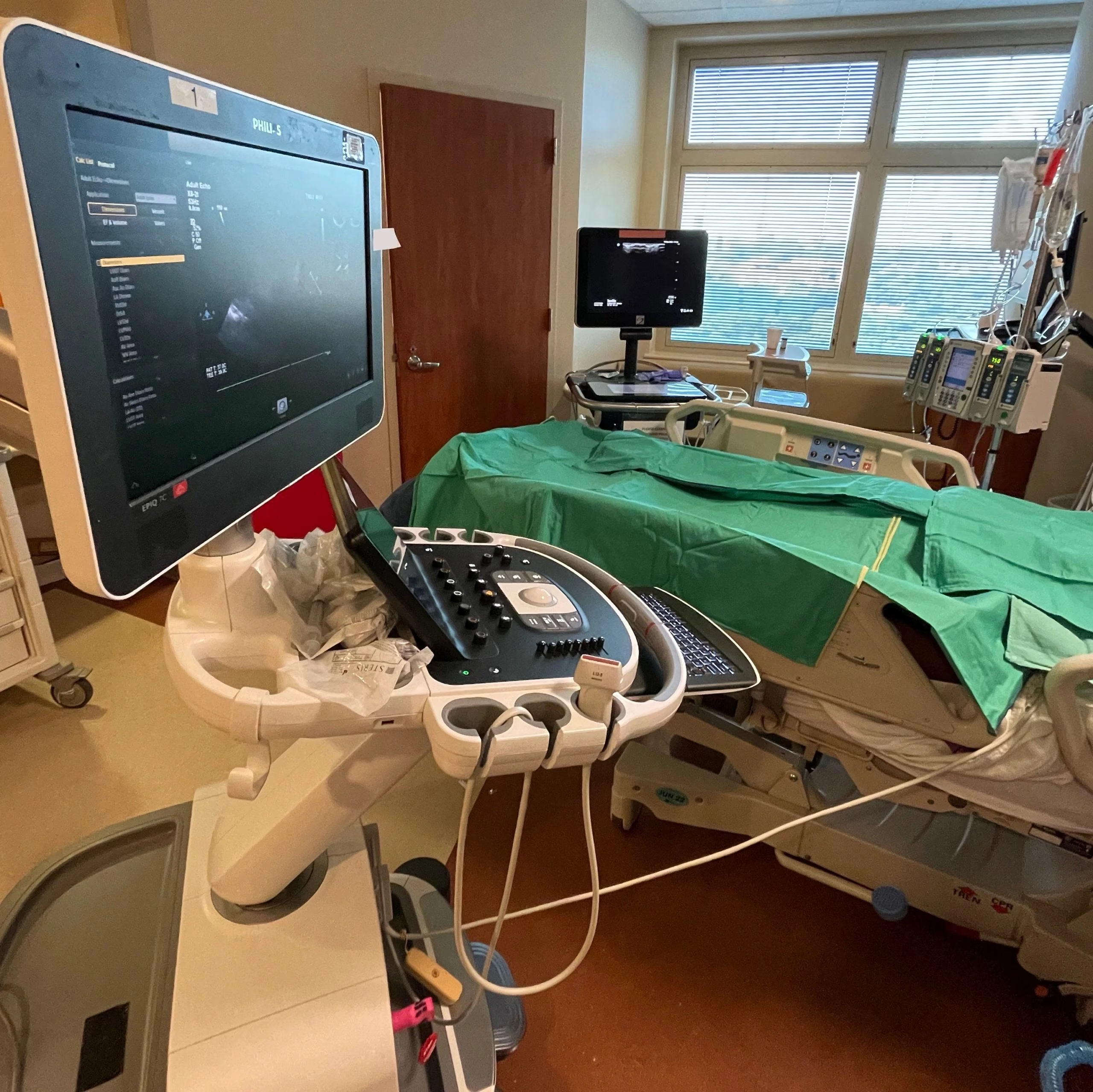
    As a cardiothoracic (CT) intensive care unit (ICU) physician, knowing how to balance resuscitation with inotrope and vasopressor support is a large part of my job. For patients on post-operative days (POD) 0 or 1, typical bedside ultrasound views are challenging to come by due to sternal dressings, chest tubes,…

    Read More

  • Left Atrial And Ventricular Pressure Throughout The Stages Of Diastole
  • Retrograde Cerebral Perfusion (RCP)

    Retrograde Cerebral Perfusion (RCP)

    Retrograde cerebral perfusion (RCP) is a neuroprotective technique originally described in the early 1990s to deliver cold, oxygenated blood via the cardiopulmonary bypass (CPB) circuit to the cerebral vasculature by way of the superior vena cava (SVC) during deep hypothermic circulatory arrest (DHCA) typically utilized for aortic surgery involving the…

    Read More