• Atropine

    Atropine

    Atropine is an anticholinergic (specifically an antimuscarinic) that works by inhibiting the parasympathetic nervous system. It can be administered IV, IM, SC, and even down an endotracheal tube! However, since atropine crosses the blood-brain barrier, it can cause central anticholinergic syndrome – a spectrum of confusion and delirium, especially in the…
    Read More

  • Calcium Chloride

    Calcium Chloride

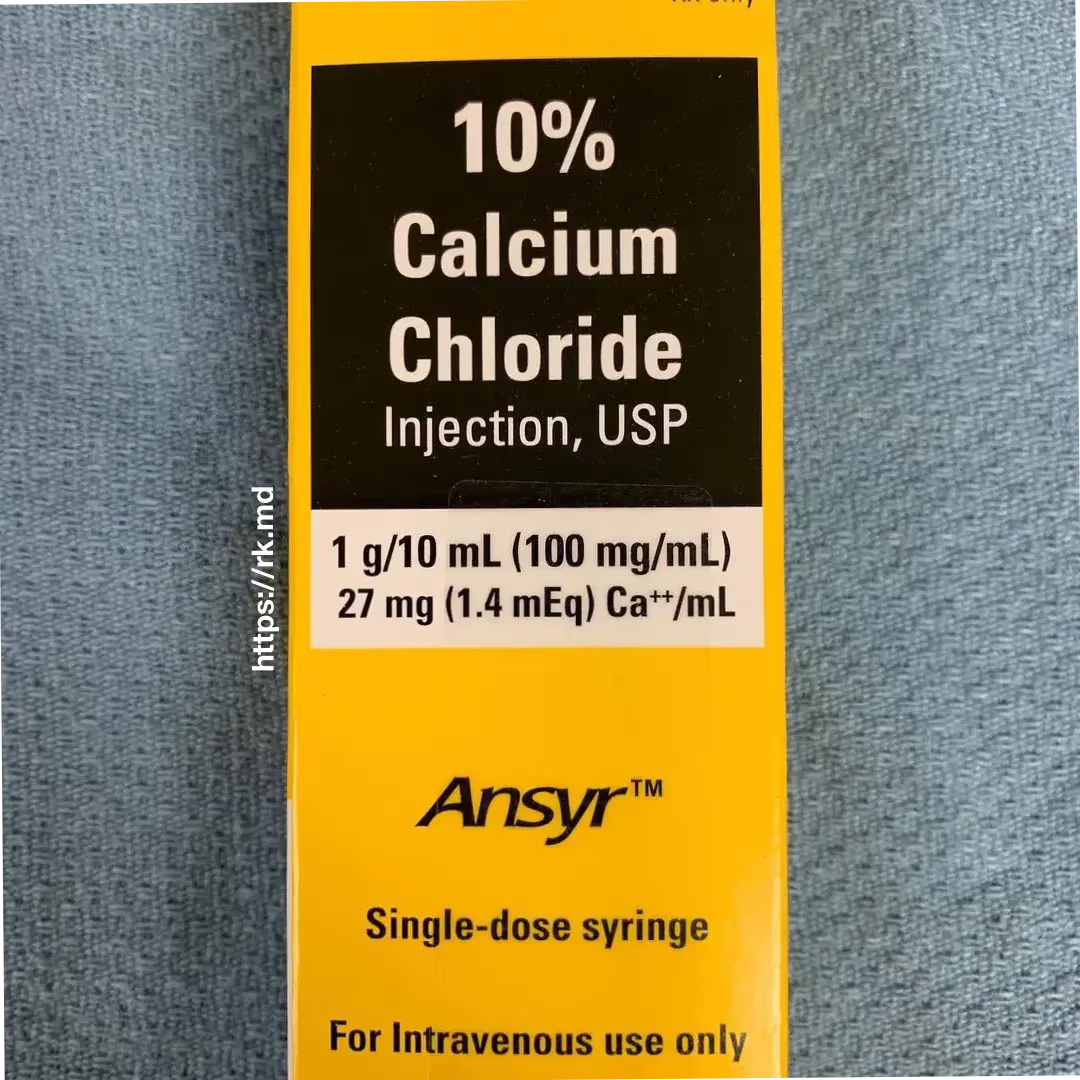
    Calcium chloride (CaCl2) is an ionic form of intravenous calcium repletion with roughly three times more bioavailable calcium than its organic counterpart – calcium gluconate.

    Read More

  • Glycopyrrolate

    Glycopyrrolate

    Glycopyrrolate (Robinul) is an anticholinergic (specifically an anti-muscarinic) that works on peripheral acetylcholine receptors in the heart (SA node, AV node), exocrine glands, and smooth muscle. Because of its polar, quaternary amine structure, it does NOT cross the blood-brain barrier unlike anticholinergics like atropine and scopolamine. Glycopyrrolate causes mydriasis (pupil…

    Read More

  • Amiodarone

    Amiodarone

    Amiodarone (Pacerone) is an antiarrhythmic that works by prolonging the myocardium’s refractory period through potassium channel, sodium channel, calcium channel, and beta-blockade. Its side effects can be remembered by their effects on “PFTs, TFTs, and LFTs” (pulmonary, thyroid, and liver testing, respectively) in addition to corneal, neurological, and skin changes.

    Read More

  • Labetalol

    Labetalol

    Labetalol (Trandate) is one of my favorite anti-hypertensive medications in the perioperative and ICU settings! It’s a “mixed” beta blocker courtesy of dual alpha and beta adrenergic antagonism conferred by different stereoisomers of the drug in the traditional racemic formulation. The beta blockade to alpha blockade ratio is often cited…

    Read More

  • Esmolol

    Esmolol

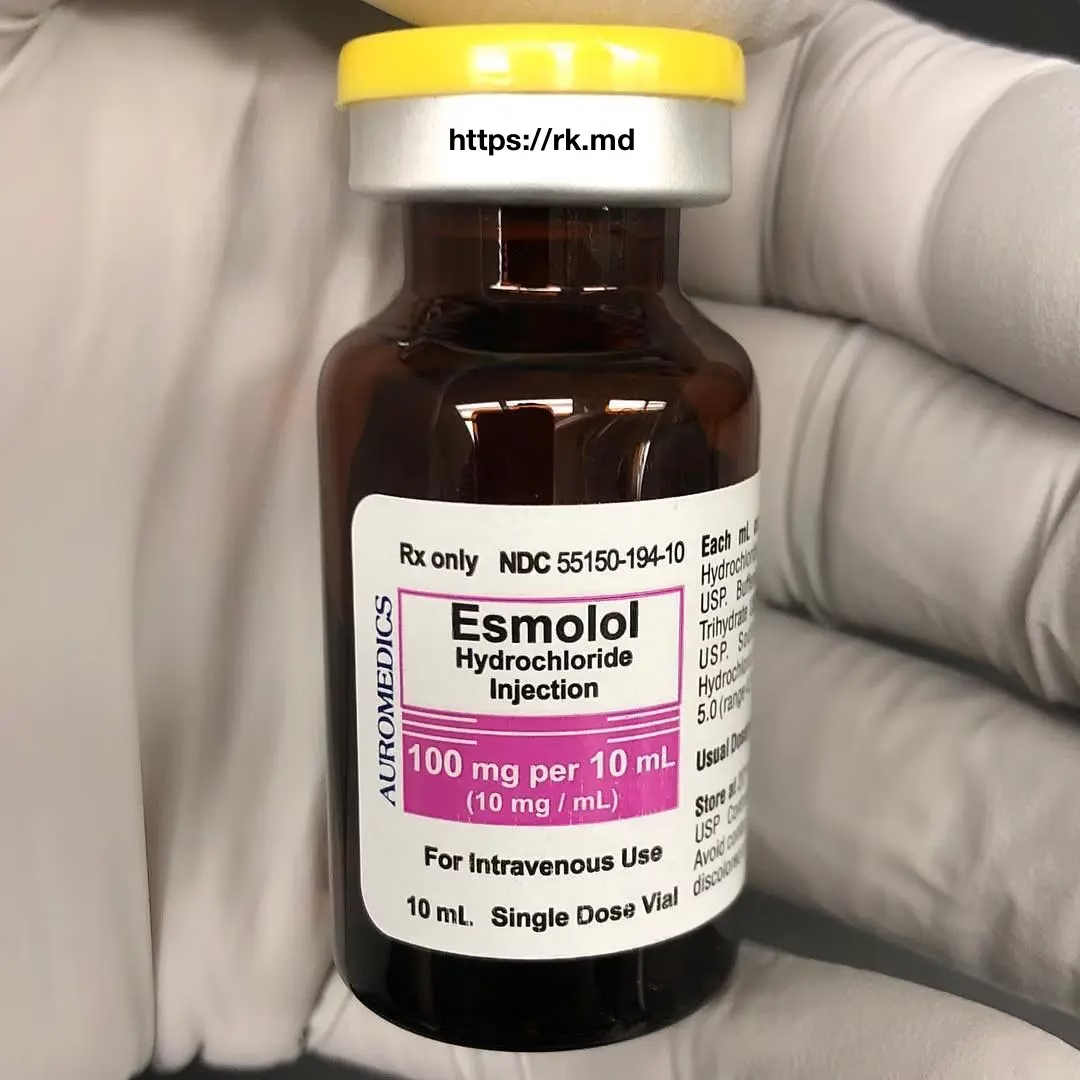
    Esmolol (Brevibloc) is a short acting, beta-1 selective blocker metabolized by non-specific red blood cell (RBC) plasma esterases via hydrolysis. Therefore, esmolol’s elimination half-life is short (< 10 minutes) and fairly independent of coexisting organ dysfunction.

    Read More

  • Phenylephrine

    Phenylephrine

    Phenylephrine is a selective α1 receptor agonist used in various settings for its vasoconstrictive properties. Whether this is as a decongestant (constricting vessels in the nasal/sinus mucosa) or a mydriatic to perform a fundoscopic exam, this medication’s selectivity gives me an idea of the expected response and potential side effects.

    Read More

  • Ephedrine

    Ephedrine

    Ephedrine is primarily an indirect sympathomimetic that causes the release of endogenous catecholamines (i.e., norepinephrine). Its uses extend from traditional Chinese medicine as an anti-asthmatic to recreational use due to its structural similarity to methamphetamine. I administer ephedrine boluses of 5-10 mg intravenously to offset hypotension in the ICU and…

    Read More

  • Norepinephrine

    Norepinephrine

    Norepinephrine (Levophed) is a powerful, endogenous catecholamine routinely used in the ICU and perioperative settings. As a single agent, it works as an adrenergic agonist increasing vascular resistance, and to a lesser degree, cardiac output (inotropic/chronotropy augmentation) through alpha 1 and beta 1 mechanisms, respectively. I bolus and start norepinephrine…

    Read More

  • Epinephrine

    Epinephrine (adrenaline) is an incredibly versatile catecholamine. It can be administered through intravenous, subcutaneous, intramuscular, and inhalational routes. It treats a myriad of clinical conditions ranging from anaphylaxis and croup to bronchospasm and afterload enhancement in cardiopulmonary arrest. Epinephrine is routinely added to local anesthetics to provide localized vasoconstriction, but…

    Read More