• Mannitol

    Mannitol

    Mannitol is a carbohydrate often administered as a hypertonic solution that is freely filtered by the renal glomerulus and not reabsorbed. Therefore, it serves as an osmotic diuretic that, if left unchecked, can lead to electrolyte derangements and hypovolemia.

    Read More

  • Pacing Swan-Ganz Catheter

    Pacing Swan-Ganz Catheter

    Throughout my training, I’ve placed countless pulmonary artery (“Swan-Ganz”) catheters for cardiothoracic surgeries and in the ICU to help guide the diagnosis and response to therapy in mixed or undifferentiated shock. These PA catheters gave me various pressures (central venous, pulmonary artery, sometimes right ventricular), the ability to draw true…

    Read More

  • Epoprostenol

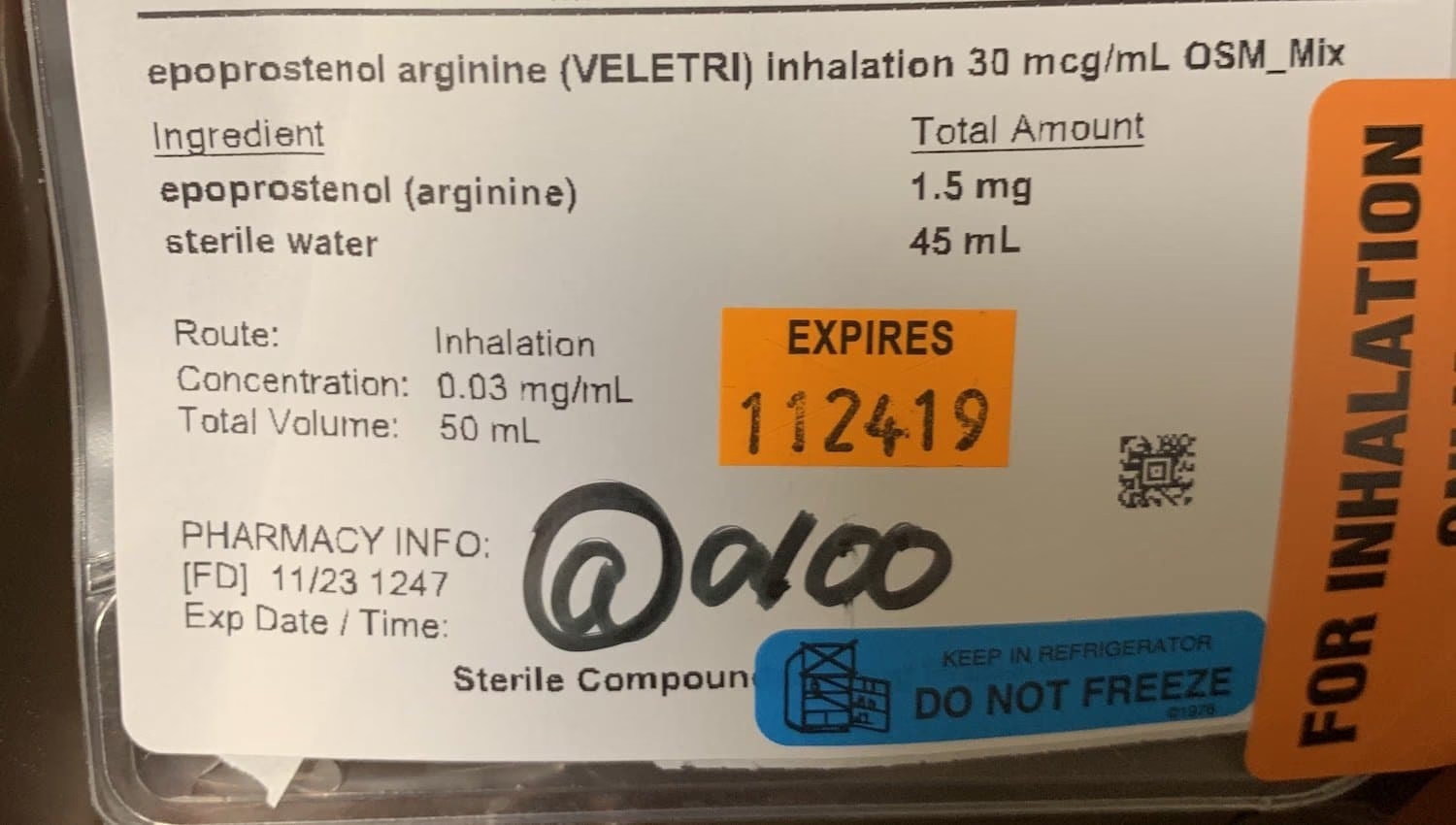
    Epoprostenol

    Epoprostenol (Veletri or Flolan) is an inhaled or intravenous prostanoid vasodilator which is most often used as a therapeutic option for pulmonary arterial hypertension (pHTN). When given intravenously, it dilates both the systemic and pulmonary arterial vasculature to decrease both systemic and pulmonary vascular resistances to augment cardiac output; however,…

    Read More

  • Hydralazine

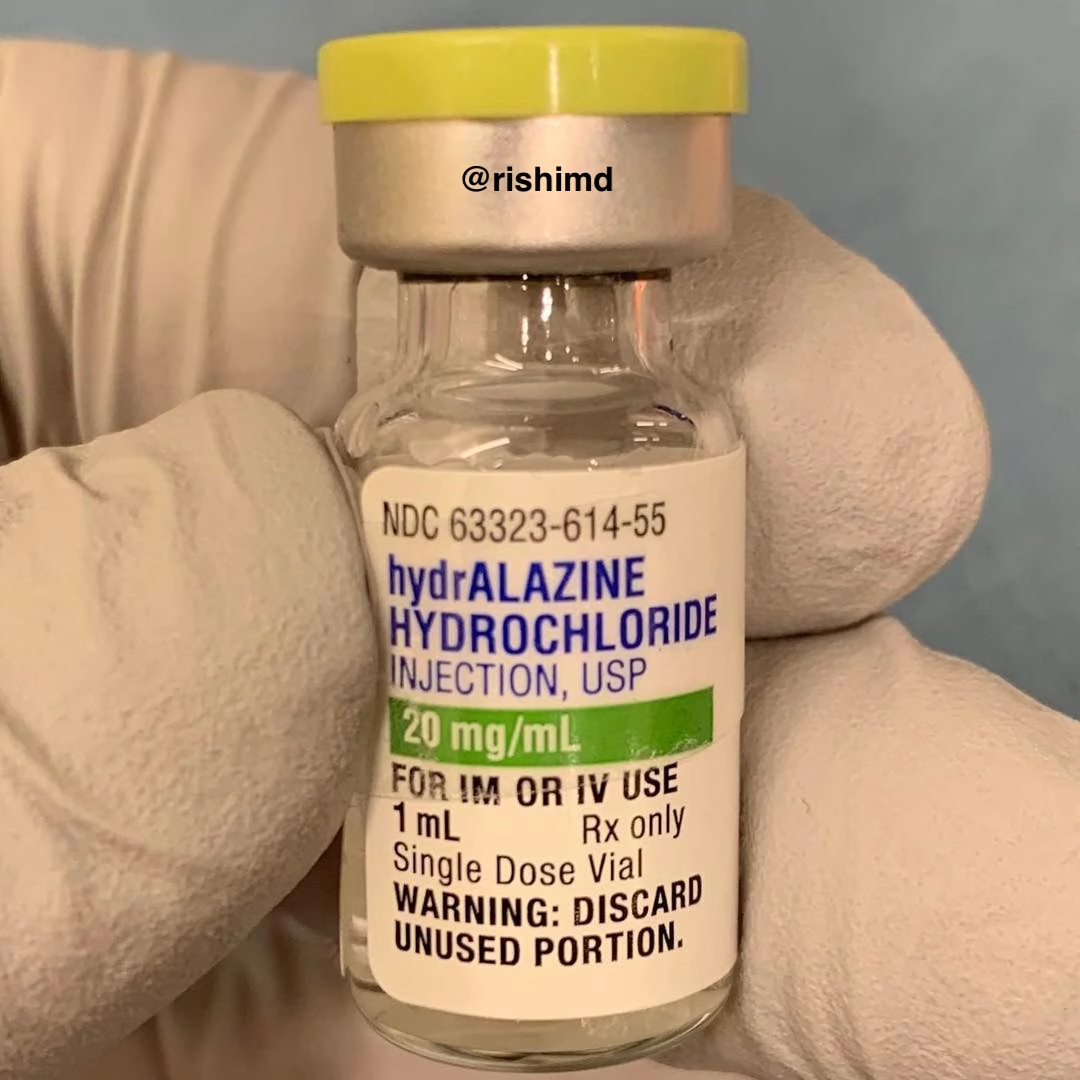
    Hydralazine

    Hydralazine (Apresoline) is an intravenous and oral antihypertensive that promotes the direct relaxation of arterioles through an unclear mechanism potentially involving calcium flux within the vascular smooth muscle. By acting primarily as a vasodilator (compared to venodilator), peripheral vascular resistance decreases causing the diastolic blood pressure to drop more than…

    Read More

  • Fluid Warmers

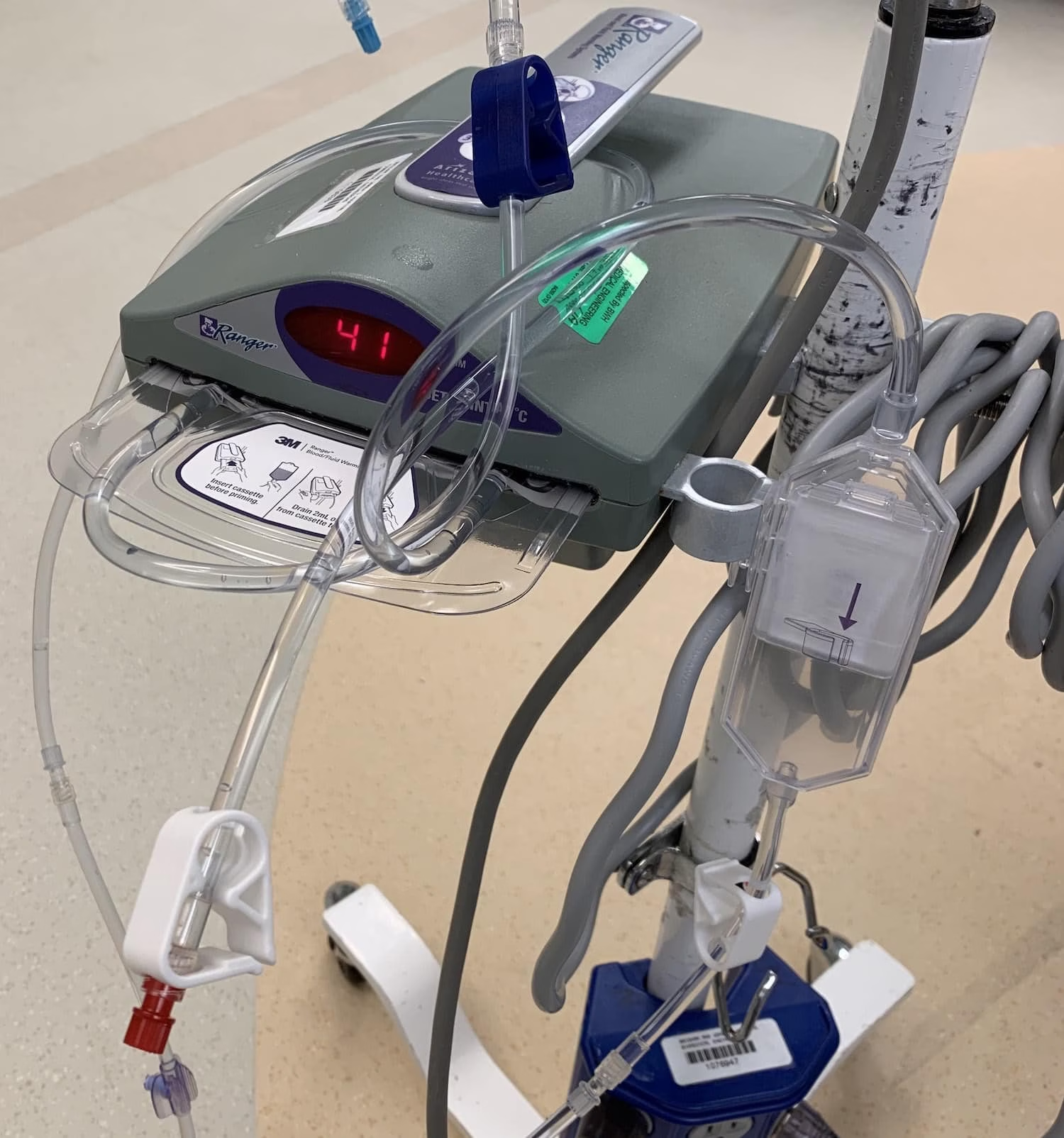
    Fluid Warmers

    Hypothermia has a profound impact on the entire body – it compromises the immune system leading to a higher risk of post-operative wound infections, promotes coagulopathy, decreases drug metabolism and wound healing, delays emergence from anesthesia, alters mental status, and negatively affects hemodynamics. As an anesthesiologist and intensivist, I’m often…

    Read More

  • Intraosseous (IO) Access

    Intraosseous (IO) Access

    Intraosseous (IO) access is a quick, relatively inexpensive, and simple route for obtaining “central” access in trauma and resuscitation settings when peripheral access is difficult to acquire. When placing an IO line, care must be taken to avoid fractured bones, active infections, and patients with underlying bone pathology like osteopetrosis.…

    Read More

  • Dobutamine

    Dobutamine

    Dobutamine (Dobutrex) is a synthetic adrenergic agonist structurally similar to isoproterenol working on the same receptor profile – primarily beta 1 and beta 2 – to create the net effect of increased chronotropy (heart rate), inotropy (contractility) and vasodilation (decreased afterload). With these hemodynamic goals, dobutamine aims to increase forward…

    Read More

  • Dopamine

    Dopamine

    Dopamine is a natural catecholamine that is the biochemical precursor to norepinephrine and epinephrine. In human physiology, it plays a pivotal role in regulating mood, lymphocyte activity, gastrointestinal motility, movement, the release of other neurotransmitters, and renal blood flow/sodium excretion. Specifically, dopamine decreases the release of prolactin from the anterior…

    Read More

  • Methylene Blue

    Methylene Blue

    Methylene blue (ProvayBlue) is an intravenous medication and dye best known for treating methemoglobinemia but has been found to have potential benefits in other areas of medicine.

    Read More

  • Isoproterenol

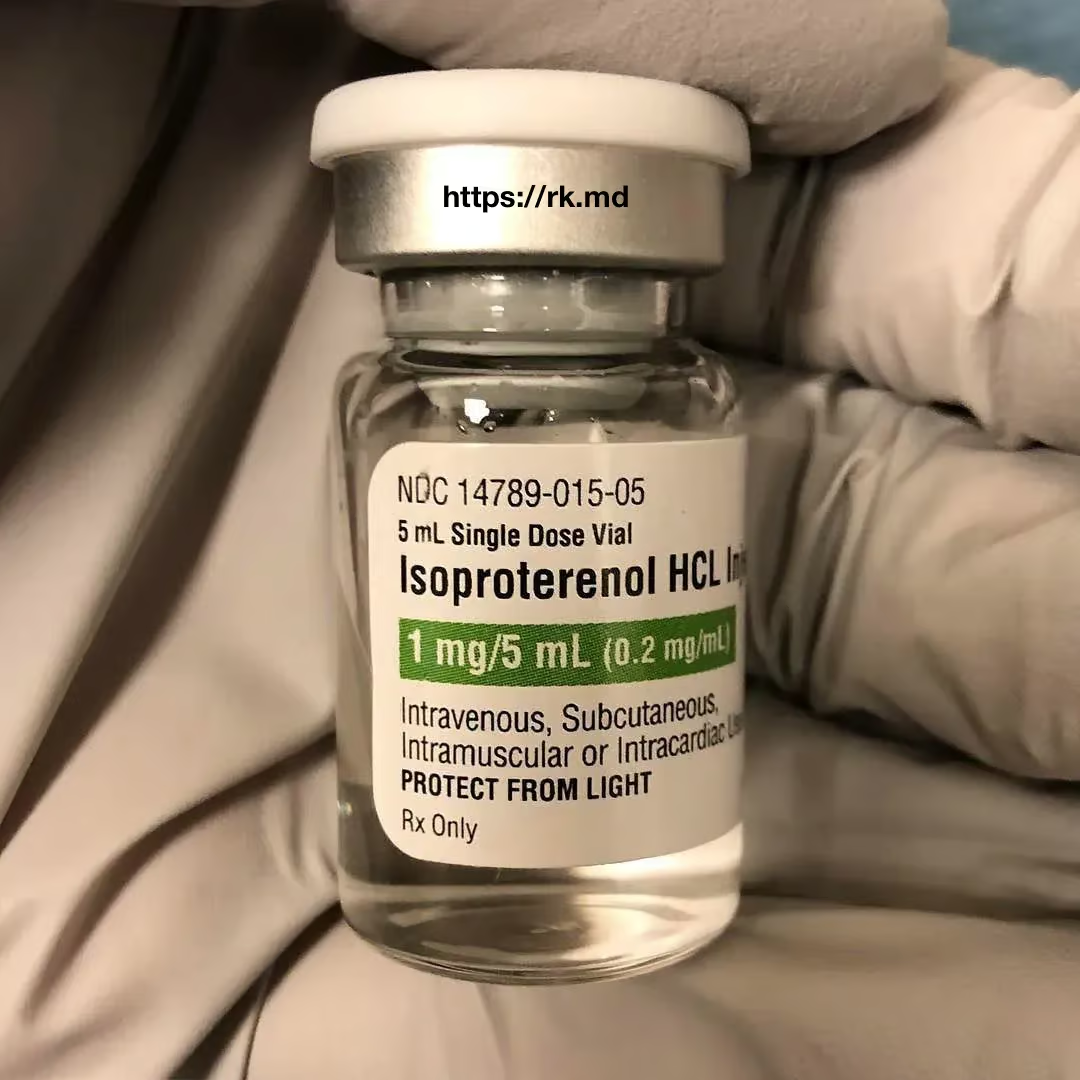
    Isoproterenol

    Isoproterenol (Isuprel) is a nonselective beta-adrenergic agonist structurally very similar to epinephrine, which I commonly use in the electrophysiology (EP) lab to induce tachyarrhythmias for the electrophysiologist to map out and ablate. Unfortunately, this medication is also a classic example of the price gouging imposed by pharmaceutical companies. Production rights…

    Read More