• NxStage System One CRRT Display

    NxStage System One CRRT Display

    The NxStage System One continuous renal replacement therapy (CRRT) system provides convective and diffusive clearance through a simplified cartridge system. It has an interface centered on three large, color-coded numeric fields that offer the most essential information for therapy. When I’m rounding in the CVICU, I often look at these…

    Read More

  • Aldosterone Escape

    Aldosterone Escape

    Aldosterone escape is the phenomenon where, despite persistently elevated aldosterone levels (endogenous or exogenous), the body prevents unchecked sodium retention and volume overload. After an initial period of sodium retention, renal compensatory mechanisms “escape” from aldosterone’s effects. This is clinically relevant in conditions like primary hyperaldosteronism (Conn’s syndrome), patients on chronic…

    Read More

  • Hypophosphatemia

    Hypophosphatemia

    Phosphate is crucial for cellular/energy metabolism, bone integrity, and various enzymatic processes. Hypophosphatemia is classified as mild (2.5-3 mg/dL), moderate (1-2.5 mg/dL), or severe (<1 mg/dL, up to 30% all-cause mortality!) based on serum concentration. Mechanisms of hypophosphatemia include transcellular shifting (refeeding syndrome, insulin administration, alkalosis), renal losses (primary hyperparathyroidism,…

    Read More

  • Hypochloremic (“Contraction”) Alkalosis

    Hypochloremic (“Contraction”) Alkalosis

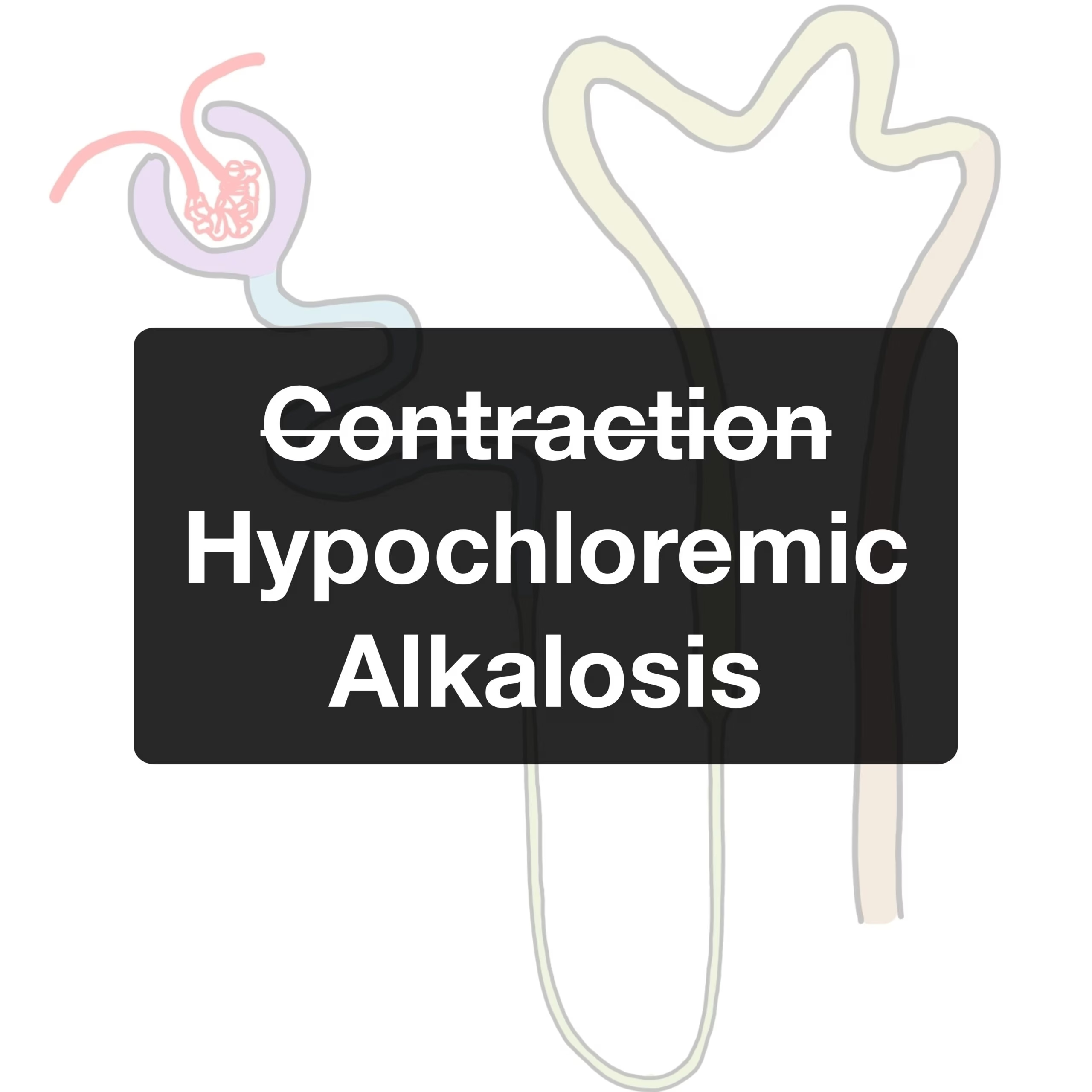
    Metabolic alkalosis is a derangement characterized by increased plasma bicarbonate (HCO3–), resulting in a pH > ~7.45. This can be a product of hydrogen ion (H+) loss (e.g., vomiting or renal losses), intracellular shifting of H+, or retention/creation of HCO3–. Typically, the proximal convoluted tubule’s (PCT) ion channels reabsorb all…

    Read More

  • Desmopressin (DDAVP) Clamp

    Desmopressin (DDAVP) Clamp

    Patients with severe hyponatremia ([Na+] < 120 mEq/L) can present with altered mentation, seizures, lethargy, and even coma. After identifying the likely cause(s), treatment is centered around a combination of sodium replacement (usually with 3% hypertonic saline, HTS) and volume correction depending on if the patient is hypo-, eu-, or…

    Read More

  • Chlorothiazide

    Chlorothiazide

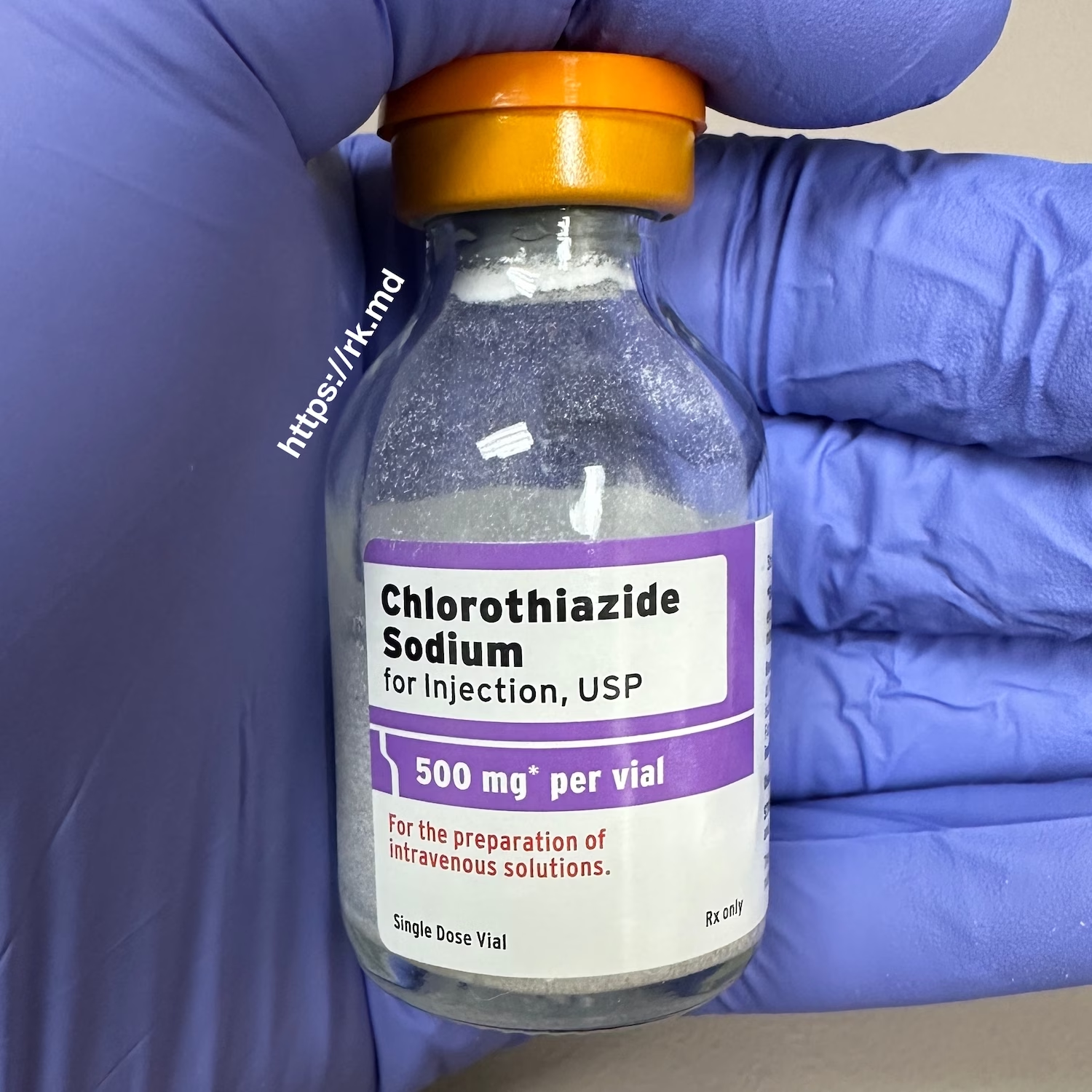
    Chlorothiazide (Diuril) is a thiazide diuretic that inhibits the sodium-chloride cotransporter in the nephron’s distal convoluted. As such, it increases the excretion of water, sodium, and chloride; however, not to the degree of loop diuretics like furosemide which work on the sodium-potassium-chloride transporter in the thick, ascending Loop of Henle.…

    Read More

  • Hyponatremia Correction For Hyperglycemia

    Hyponatremia Correction For Hyperglycemia

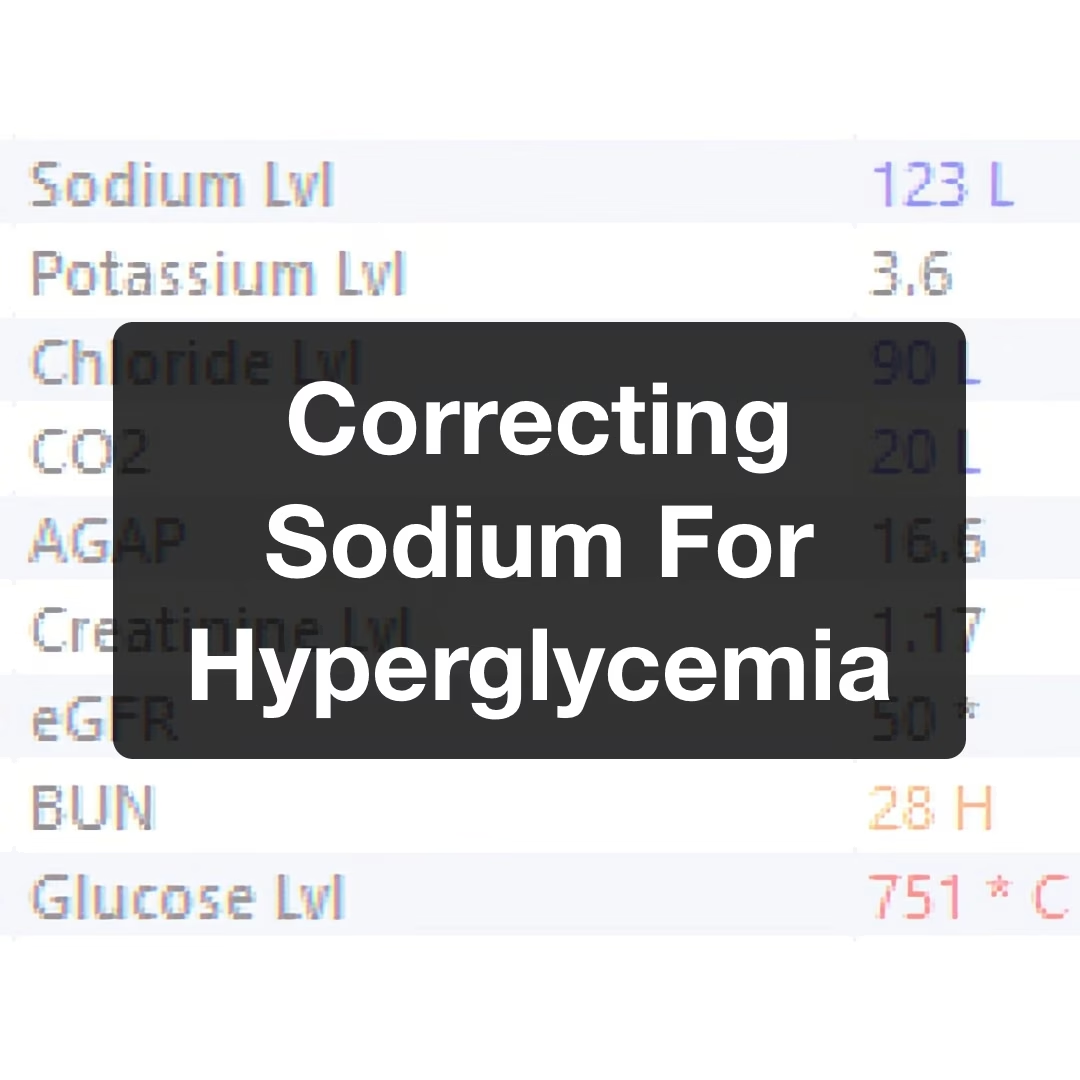
    Sodium is the primary cation (positive-charged ion) in the extracellular space. Therefore, dilutional hyponatremia can occur if free water is added to the extracellular space from fluid shifts and infusions. Let’s look at this basic metabolic profile. Glucose 751 mg/dL (critically high). Sodium 123 mEq/L (low). Hyponatremia is an expected…

    Read More

  • Hypernatremia And Free Water Deficit

    Hypernatremia And Free Water Deficit

    Sodium (Na) fluctuations portend increased in-hospital death for ICU patients, and when working them up, it’s essential to determine if these disorders are acute or chronic (> 48 hours or unknown duration). For hypernatremia ([Na] > 145 mEq/L), think about situations where there is a free water deficit (FWD) –…

    Read More

  • Lactated Ringers And Normosol In Hyperkalemia

    Lactated Ringers And Normosol In Hyperkalemia

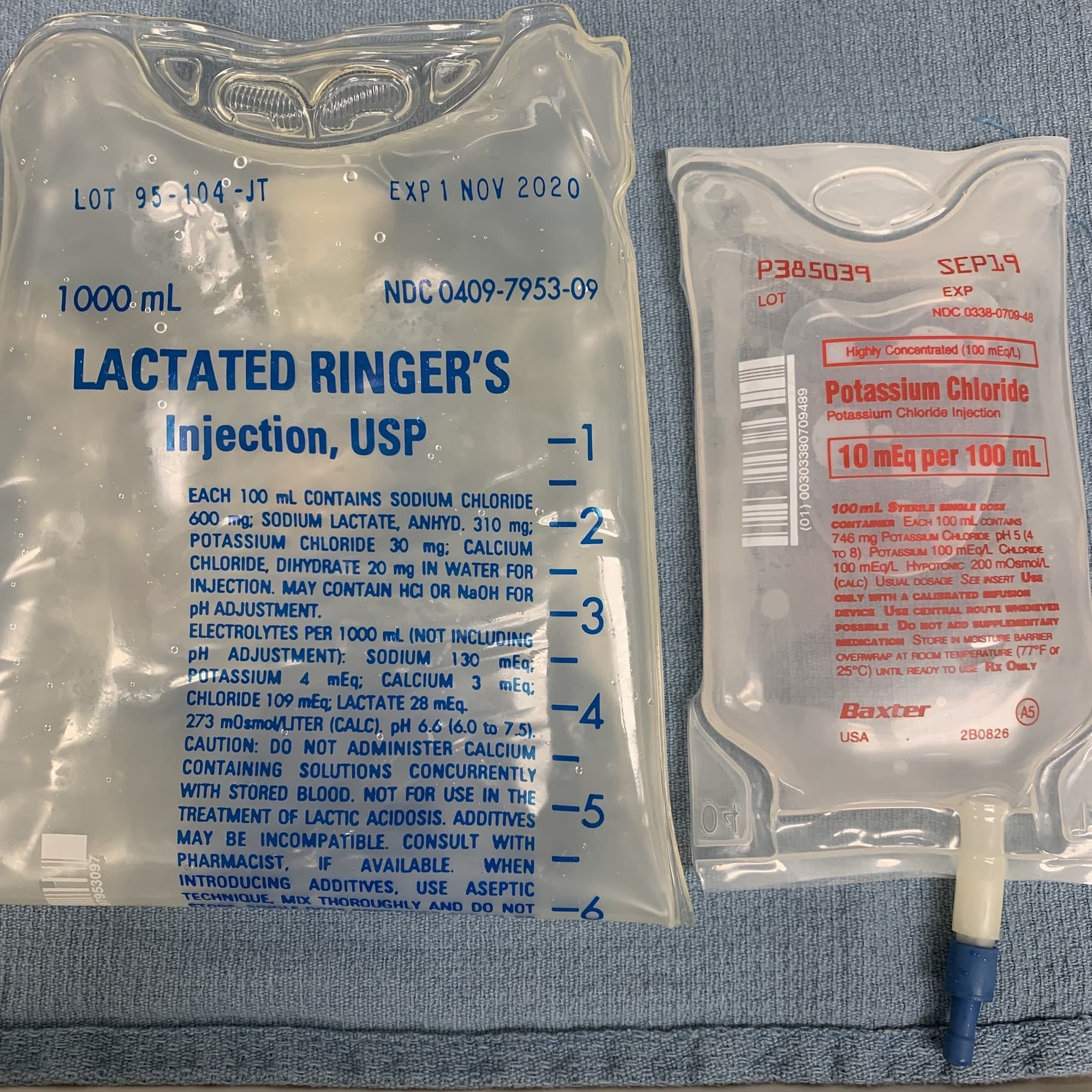
    As an intensivist and anesthesiologist, I spend considerable time pondering the physiology and evidence for practices and questioning dogma rampant in the ICU/OR settings. I’ve heard one recurrent theme: the fear of using Lactated Ringers (LR) and Normosol in patients with renal impairment. Why? Because they both contain potassium (K+),…

    Read More

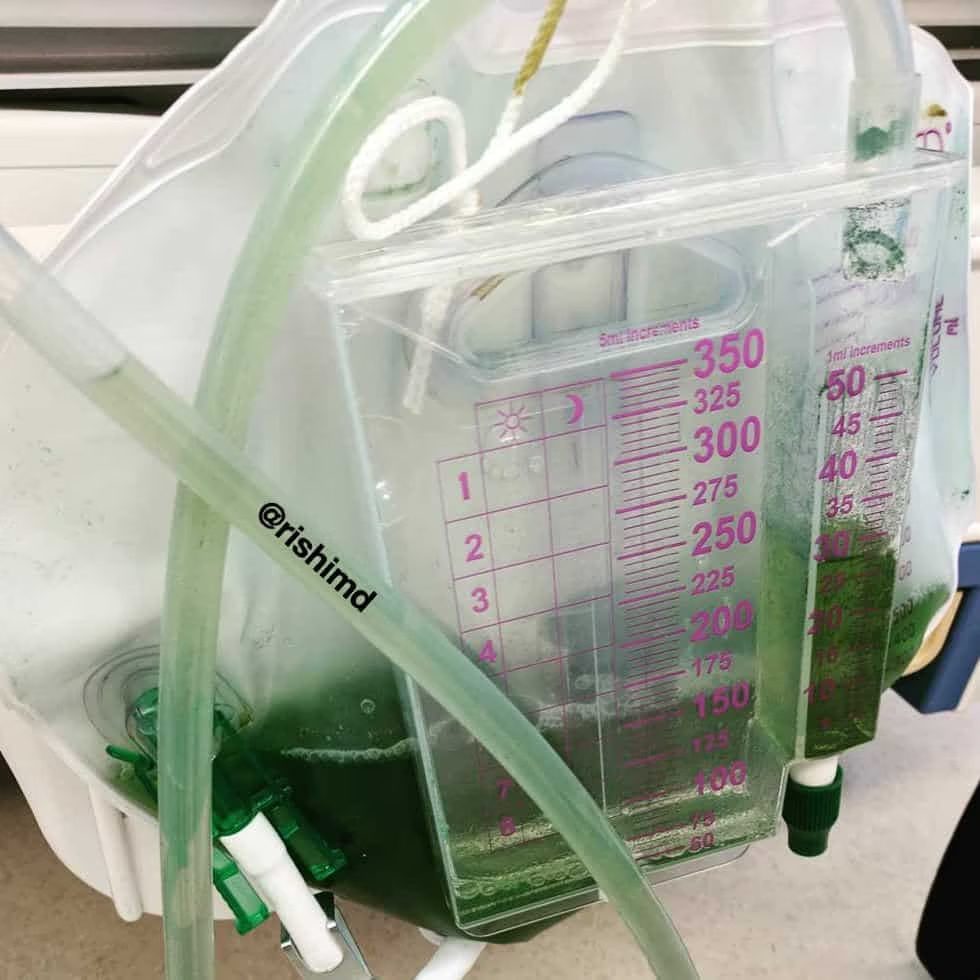
  • Green Urine Discoloration

    Green Urine Discoloration

    Urine color is often under-appreciated in working up a patient’s clinical status (especially in the ICU and OR). “Highlighter” yellow urine is often seen in patients on B vitamin complexes (it’s a water-soluble vitamin, and your body doesn’t need 1,000% of the daily requirement, lol), red/brown urine can be related…

    Read More