• Disseminated Intravascular Coagulation (DIC)

    Disseminated Intravascular Coagulation (DIC)

    Disseminated intravascular coagulation (DIC) is a life-threatening condition (hence the popular alternative definition of “death is coming”) affecting the coagulation cascade. Typically, clot formation and fibrinolysis are carefully balanced by various mechanisms; however, in DIC, these processes are ramped up leading to continued clotting and bleeding.

    Read More

  • Lactic Acidosis

    Lactic Acidosis

    Lactic acid fermentation is generally thought of as a process related to anaerobic metabolism in the context of tissue hypoxia from inadequate oxygen delivery and/or uptake. This “Type A” lactic acidosis is routinely seen in shock and states of high oxygen consumption (seizures, shivering, etc.)

    Read More

  • Lefamulin

    Lefamulin

    Lefamulin (Xenleta) is an intravenous and oral antibiotic approved for community acquired bacteria pneumonia (CABP). Similar to antibiotics like clindamycin and linezolid, lefamulin inhibits bacterial protein synthesis by acting on the 50S ribosomal subunit. What’s wonderful about this new antibiotic is that is has activity against the most common causes…

    Read More

  • What Is VA-ECMO?

    What Is VA-ECMO?

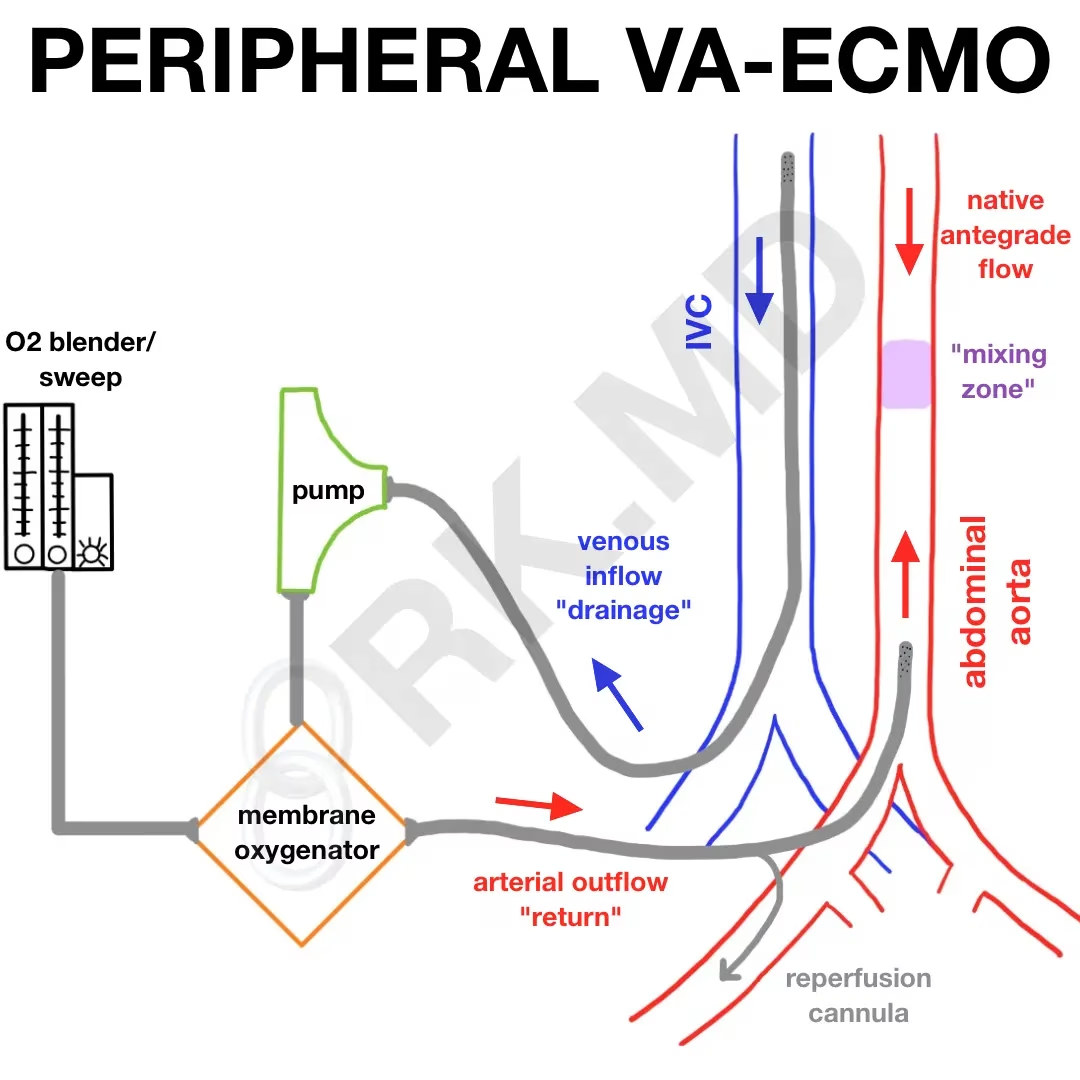
    Extracorporeal membrane oxygenation (ECMO) is a form of mechanical circulatory support (MCS) used as a bridge to recovery, transplant, or alternative therapy (ie, VAD insertion). Whether it’s the actual cannulation process or day-to-day management, it’s one of my absolute favorite topics as an intensivist and cardiac anesthesiologist! ECMO’s usage is…

    Read More

  • Treprostinil

    Treprostinil

    Treprostinil (Remodulin) is an IV, SC, PO, and inhaled prostaglandin I2 analog used to treat pulmonary arterial hypertension (PAH) by causing vasodilation. Like other medications in this class, one must be wary about compounding systemic vasodilatory effects and platelet inhibition with other anti-hypertensives and anticoagulants, respectively. The subcutaneous administration of…

    Read More

  • Do You Titrate Vasopressin?

    Do You Titrate Vasopressin?

    Compared to catecholamine infusions which are routinely titrated, there’s a polarized practice with vasopressin – those who titrate and those who don’t. As a resident, I worked with intensivists who strongly believed in “0.04 U/min or nothing at all.” They believed that similar to electrolyte repletion, vasopressin at this fixed…

    Read More

  • “Is This ECG Real Or Artifact?”

    “Is This ECG Real Or Artifact?”

    In the world of perioperative and intensive care medicine, I’m surrounded by continuous monitors; however, it’s important to understand how monitors work (and the pitfalls associated with them) before one interprets the numbers they provide. Since most monitors don’t understand the clinical context, they will alarm incessantly for predefined thresholds.…

    Read More

  • Azithromycin

    Azithromycin

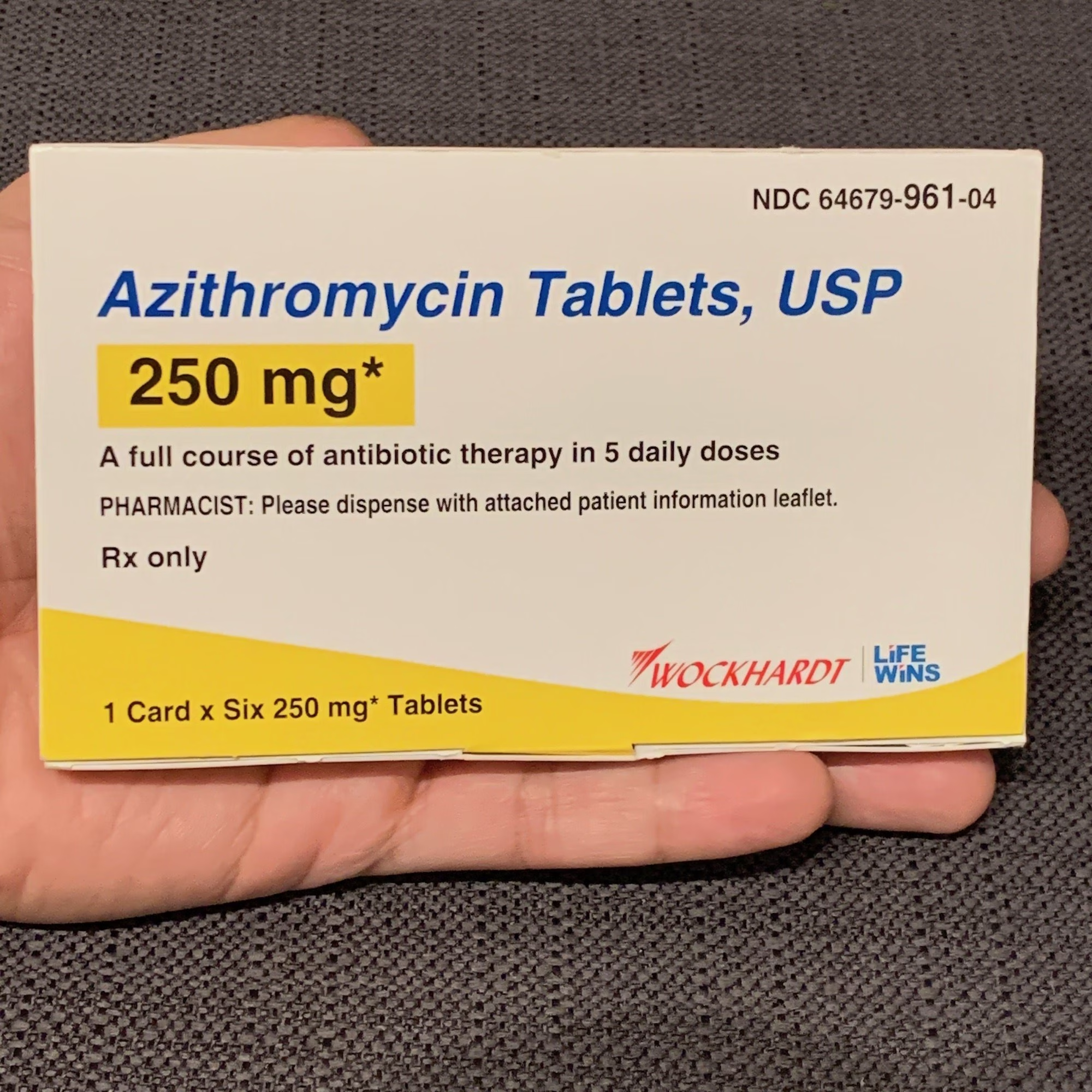
    Azithromycin (Zithromax) is an oral and intravenous macrolide antibiotic I most commonly use to treat atypical and community-acquired pneumonias (CAP) in the intensive care unit. Outside of the ICU, the classic “Z-Pak” consists of a 500 mg load on day 1 followed by 250 mg daily on days 2-5. Similar…

    Read More

  • Chylothorax

    Chylothorax

    The thoracic duct is the primary conduit which carries chyle (lymphatic fluid containing triglycerides, immune cells, proteins, etc.) from the cisterna chyli to the subclavian-jugular vein junction where it empties into the circulatory system. If this duct is disrupted through traumatic (ie, cardiothoracic surgery) or nontraumatic (ie, malignancies like lymphoma)…

    Read More

  • Total Calcium Versus Ionized Calcium

    Total Calcium Versus Ionized Calcium

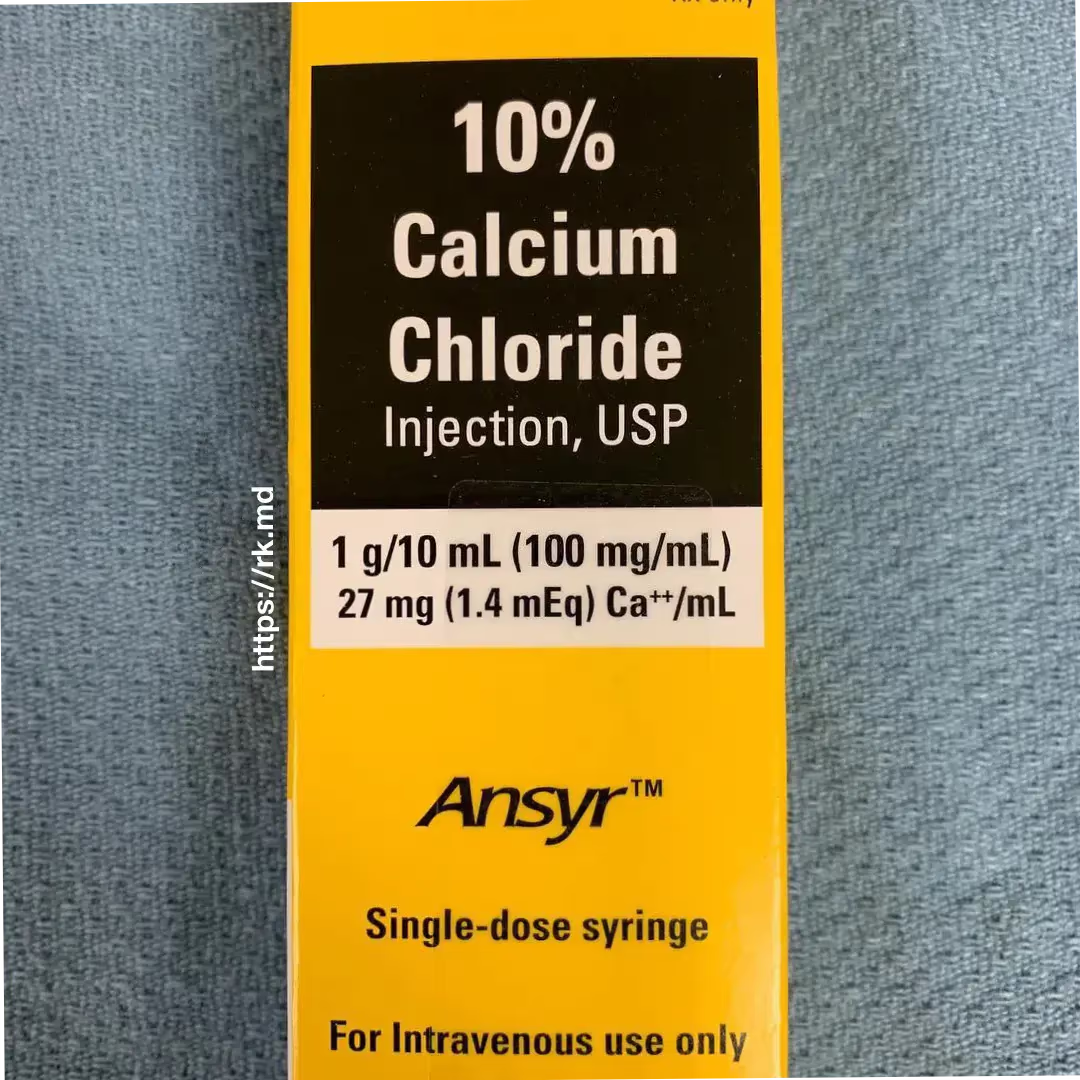
    Calcium is traditionally reported as a total serum concentration (i.e., complete metabolic profiles) and ionized calcium concentration (i.e., blood gases). To interpret these labs, one must understand what they represent. Under normal physiologic conditions, roughly 50% of calcium is bound (primarily to albumin), and 50% is ionized (the biologically active…

    Read More