• Positive End Expiratory Pressure (PEEP) and Cardiac Output

    Positive End Expiratory Pressure (PEEP) and Cardiac Output

    One of the cardiopulmonary challenges I constantly face as a cardiothoracic anesthesiologist and intensivist is balancing positive end-expiratory pressure (PEEP) with cardiac output (CO). CO is related to the heart rate (HR) and stroke volume (SV), the latter of which is related to preload, afterload, ventricular compliance, and contractility. Although…
    Read More

  • NovoSeven

    NovoSeven

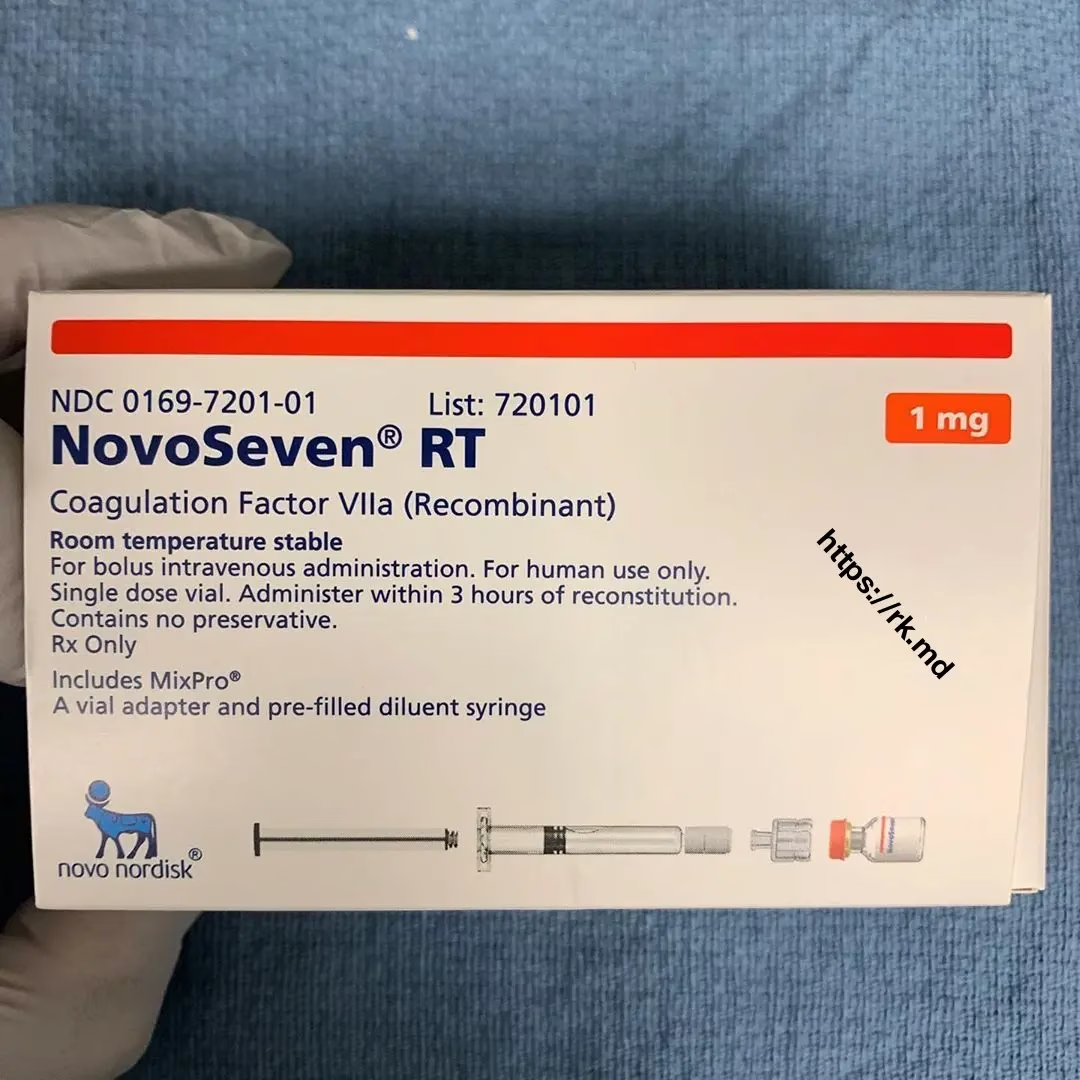
    NovoSeven (recombinant factor VIIa or rFVIIa) is an intravenous, structurally similar molecule to human factor VII – a protein involved in the extrinsic pathway of the coagulation cascade. This protein then activates factors IX and X to convert prothrombin to thrombin and fibrinogen to fibrin ultimately. NovoSeven has been FDA-approved…

    Read More

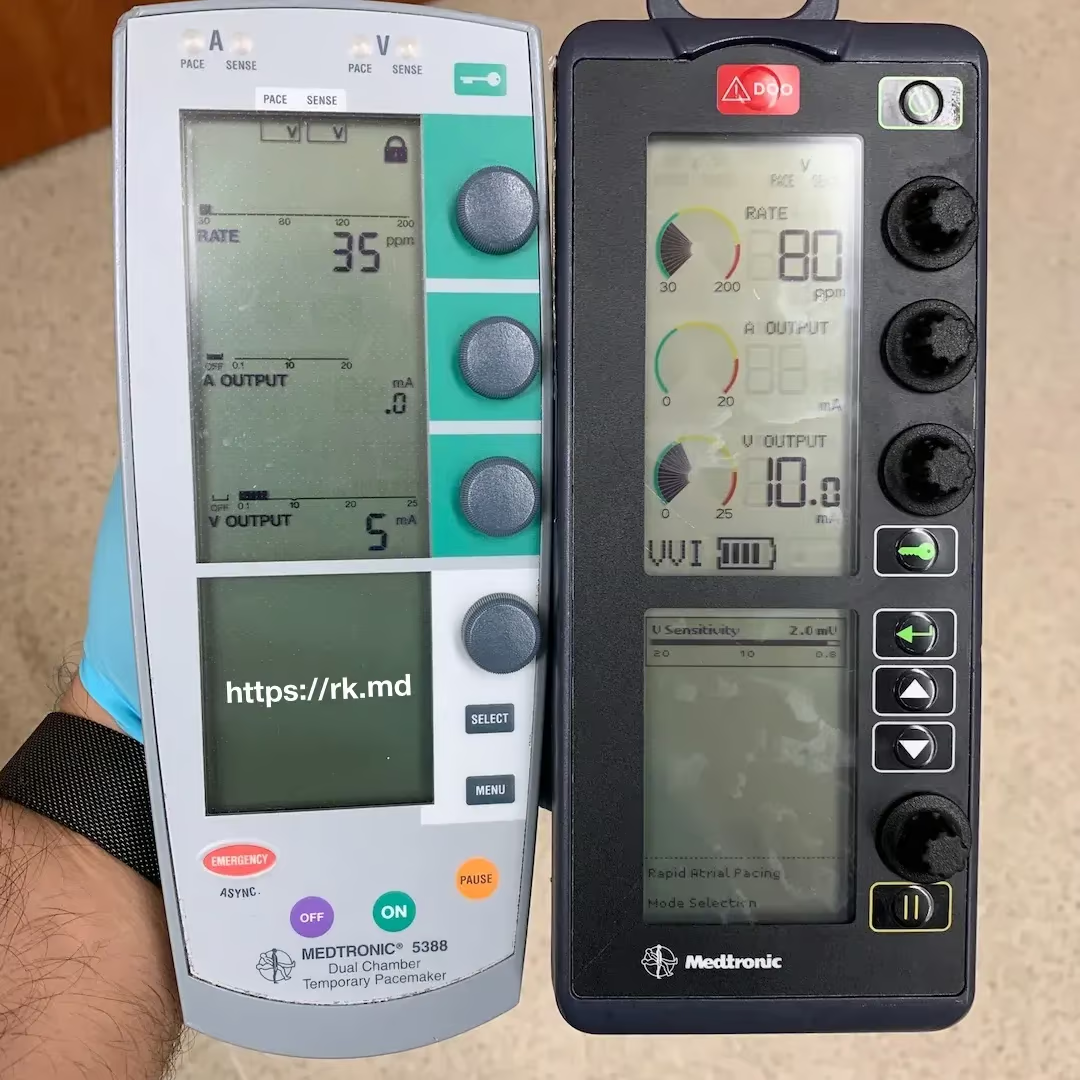
  • Overview Of Pacemakers And ICDs – Nomenclature, Settings, And Magnet Considerations
  • High Dose Fentanyl Induction

    High Dose Fentanyl Induction

    The induction of general anesthesia in patients undergoing cardiac surgery is often times different than non-cardiac surgery. At many institutions, these inductions tend to center heavily around high dose opioids due to the hemodynamic stability conferred by narcotics. When talking about fentanyl, this translates to anywhere from 50 – 100…

    Read More

  • Octreotide

    Octreotide

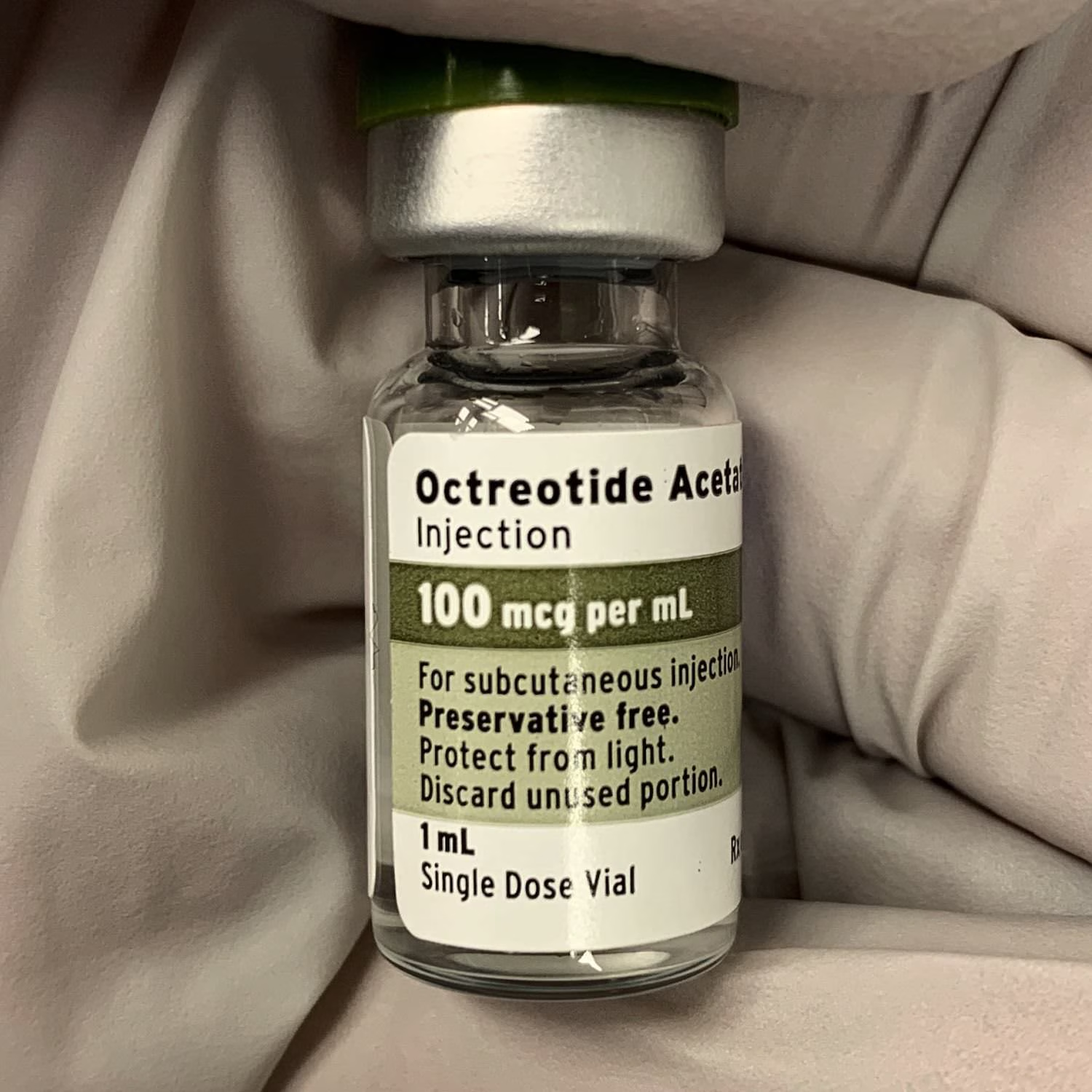
    Sandostatin (octreotide) is a subcutaneous, intramuscular, or intravenous analog to somatostatin – a protein hormone secreted throughout the GI tract – which acts via G-protein coupled receptors to inhibit a myriad of other hormones. For example, in the central nervous system, it suppresses the release of prolactin, thyroid stimulating hormone,…

    Read More

  • 50% Dextrose (D50)

    50% Dextrose (D50)

    50% dextrose solution (D50W) typically comes as a 50 cc pre-filled syringe containing 25 grams of dextrose. As a cardiac anesthesiologist and intensivist, I most commonly administer D50W to treat profound hypoglycemia or in conjunction with insulin to induce an intracellular shift of potassium in patients with hyperkalemia. Fortunately, these…

    Read More

  • Safely Drawing Up And Labeling Medications

    Safely Drawing Up And Labeling Medications

    Every day as an anesthesiologist, I reconstitute, draw up, and administer antibiotics, hypnotics, narcotics, paralytics, inotropes/pressors, blood products, fluids, vasodilators, and a myriad of other medications. Each year, the FDA receives over 100,000 reports associated with a suspected medication error causing hospitalization, life-threatening emergency, morbidity, and even death!

    Read More

  • Improving Lung Deflation With Bronchial Blockers

    Improving Lung Deflation With Bronchial Blockers

    Bronchial blockers allow us to perform lung isolation using a single lumen endotracheal tube. Compared to double-lumen tubes (DLTs) which are considered the gold standard for lung isolation and allow each lumen to be suctioned independently, bronchial blockers are often quite finicky as they migrate and make it difficult to…

    Read More

  • Intralipid

    Intralipid

    Intralipid (20% fat emulsion) is a formulation of intravenous fat primarily of soybean oil, glycerin, and egg yolk-derived phospholipids. As an intensivist, Intralipid provides supplementary nutrition to patients on parenteral nutrition; however, as an anesthesiologist, Intralipid is the “rescue” for local anesthetic systemic toxicity (LAST). Although I’ve never seen this…

    Read More

  • Lactated Ringers And Normosol In Hyperkalemia

    Lactated Ringers And Normosol In Hyperkalemia

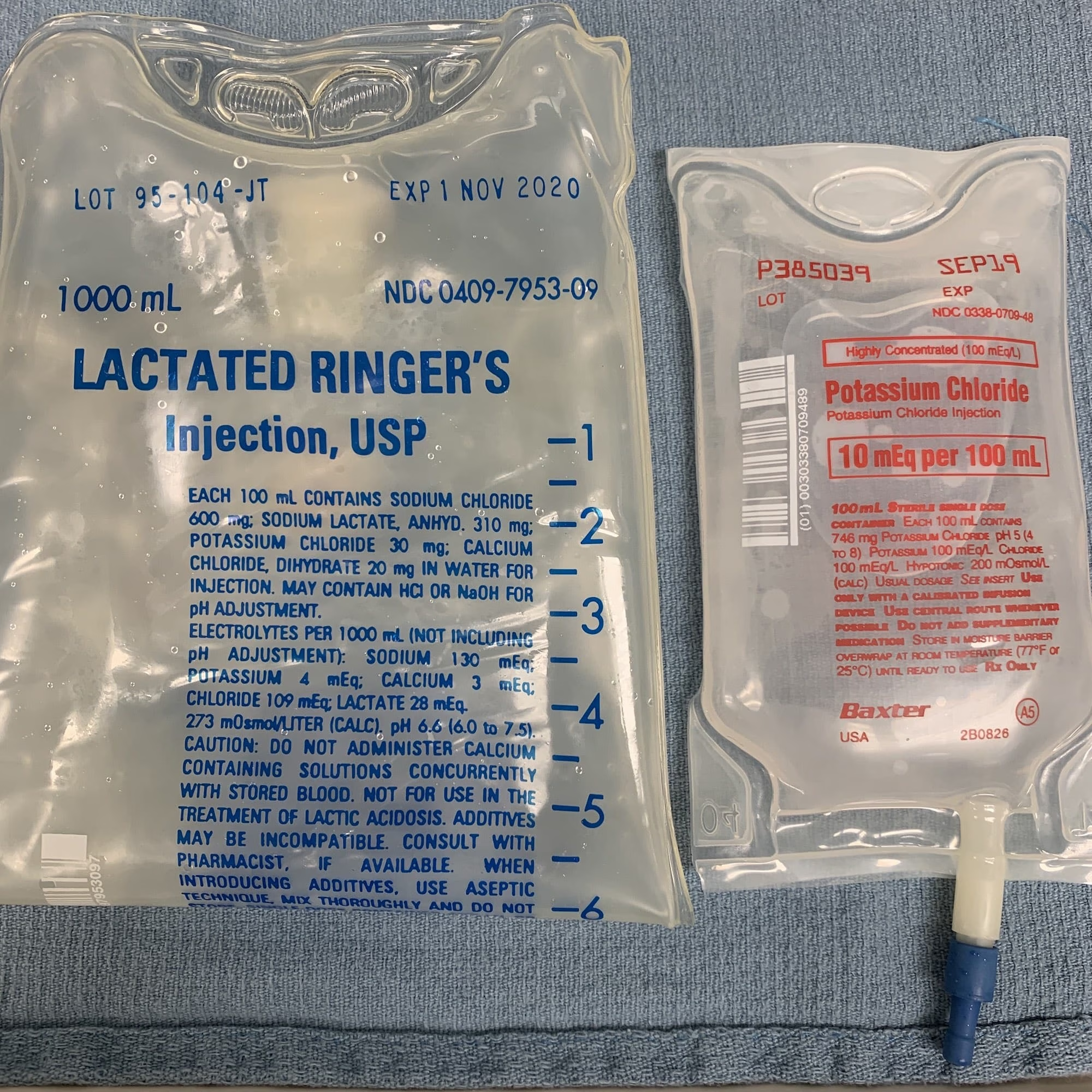
    As an intensivist and anesthesiologist, I spend considerable time pondering the physiology and evidence for practices and questioning dogma rampant in the ICU/OR settings. I’ve heard one recurrent theme: the fear of using Lactated Ringers (LR) and Normosol in patients with renal impairment. Why? Because they both contain potassium (K+),…

    Read More