• How Chest Tube Drainage Systems Work

    How Chest Tube Drainage Systems Work

    Although small amounts of air and fluid in the pleural space are generally well tolerated, pneumothorax, hemothorax, chylothorax, etc., necessitate chest tube placement. Smaller bore tubes can often be utilized and placed more apically for large air collections as air rises. Viscous fluid collections (complicated effusions, hemothorax, empyema, etc.) often…

    Read More

  • Blood Product Transfusion ABO Compatibility Table

    Blood Product Transfusion ABO Compatibility Table

    As a cardiothoracic anesthesiologist and intensivist, I’ve transfused countless blood products and factor concentrates over the years. We’ve all seen “type and screen” orders, but what exactly does a blood type tell us?

    Read More

  • Scopolamine

    Scopolamine

    Scopolamine is a tertiary amine that crosses the blood-brain barrier to exert its anticholinergic effects in the central nervous system (antiemetic, sedative, amnestic) and the periphery. It is available PO, subcutaneously, intravenously, and transdermally – classically a “patch” used for motion sickness and nausea effectively for up to three days.…

    Read More

  • Thiamine

    Thiamine

    Thiamine (vitamin B1) is a water-soluble vitamin that has important phosphorylated relatives. B1 deficiency is a well known nutritional problem I encounter in patients with chronic alcoholism which can lead to syndromes like Wernicke-Korsakoff syndrome and beriberi. B1 deficiency can also damage the brain’s mammillary bodies, thalamus, hypothalamus, and cerebellar…

    Read More

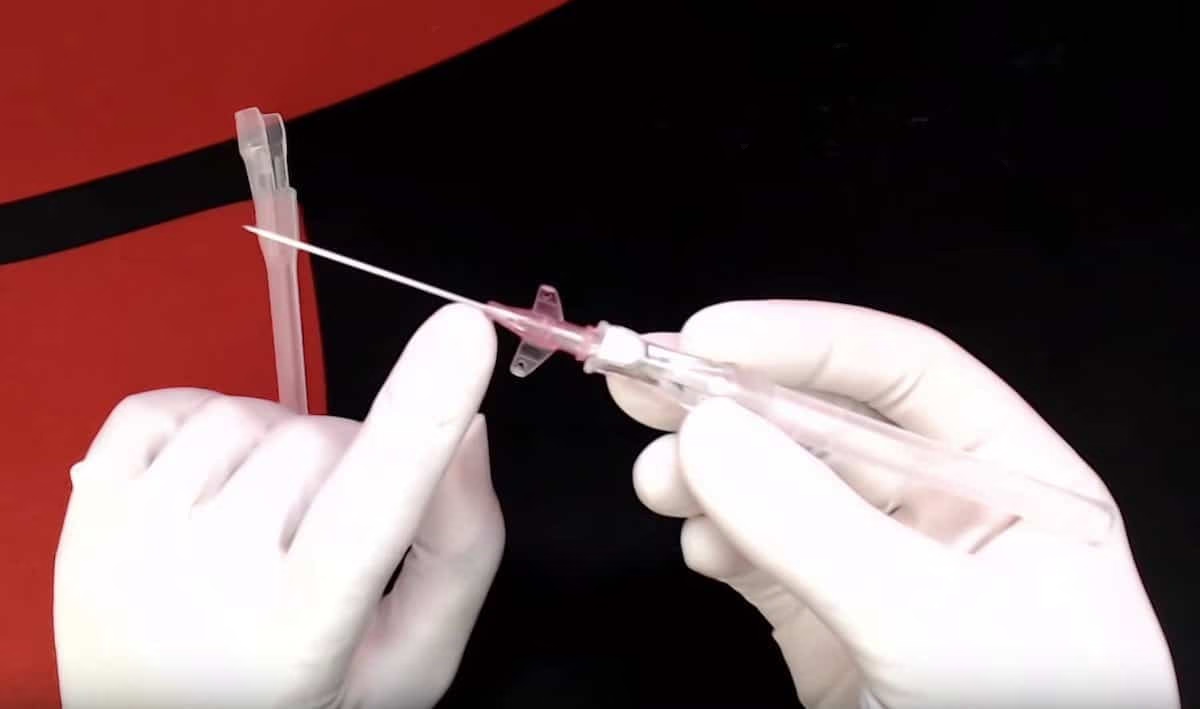
  • Tips For Placing Radial Arterial Lines
  • Antegrade Cerebral Perfusion (ACP)

    Antegrade Cerebral Perfusion (ACP)

    Deep hypothermic circulatory arrest (“circ arrest”) is often required for partial or total aortic arch reconstructions. At this point in the surgery, there is no blood flow anywhere. Because of systemic cooling, we mitigate the anaerobic and calcium-mediated apoptotic pathways that are implicated in neuronal dysfunction and can safely perform…

    Read More

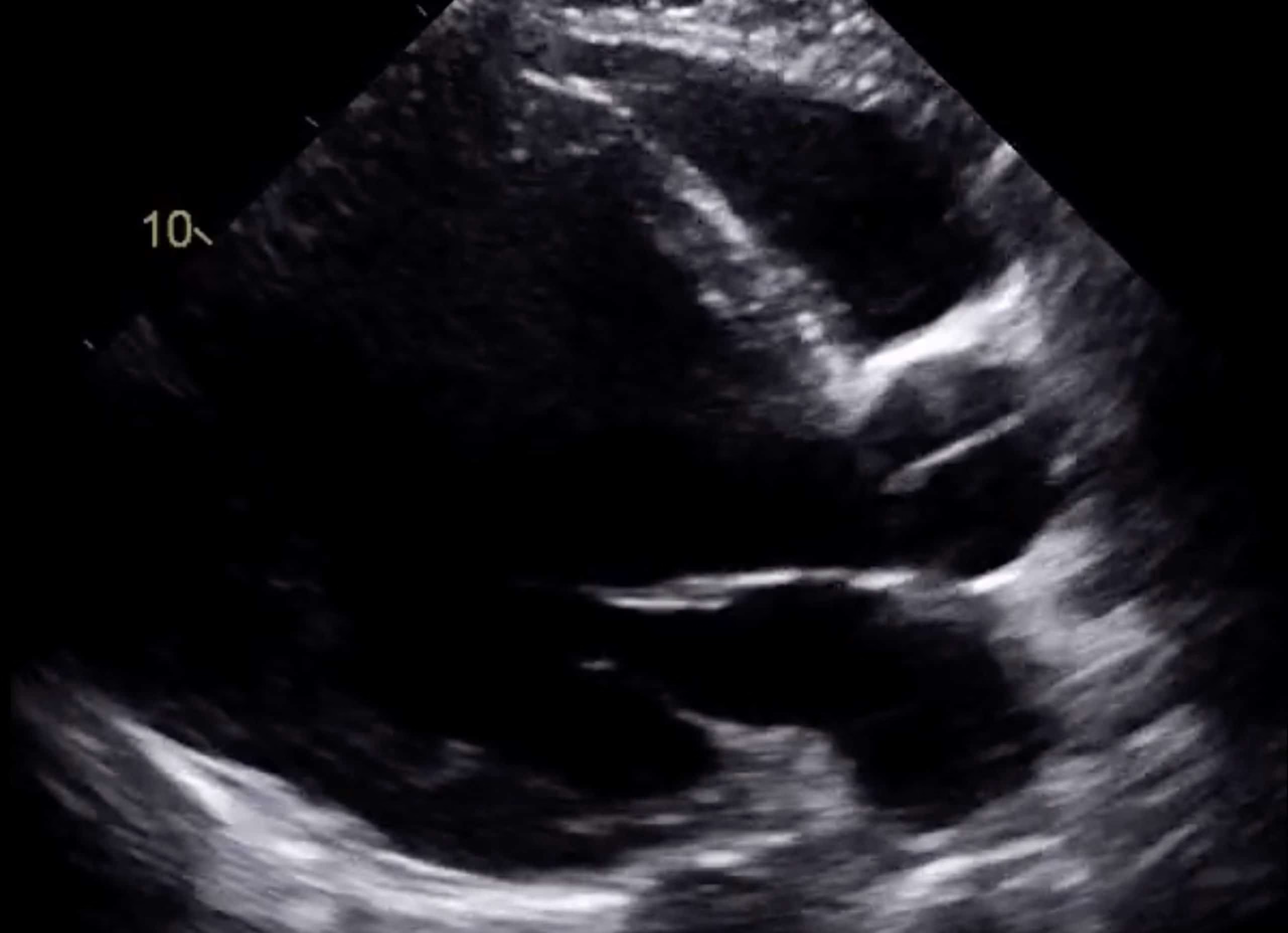
  • Don’t Fixate On Low Ejection Fraction!

    Don’t Fixate On Low Ejection Fraction!

    Early in my training as a medical student and intern, it seemed that all people ever cared about on an echo report was the “EF!” This refers to the left ventricular ejection fraction (LVEF) – the percentage of the left ventricle’s diastolic blood volume that is pumped out after a…

    Read More

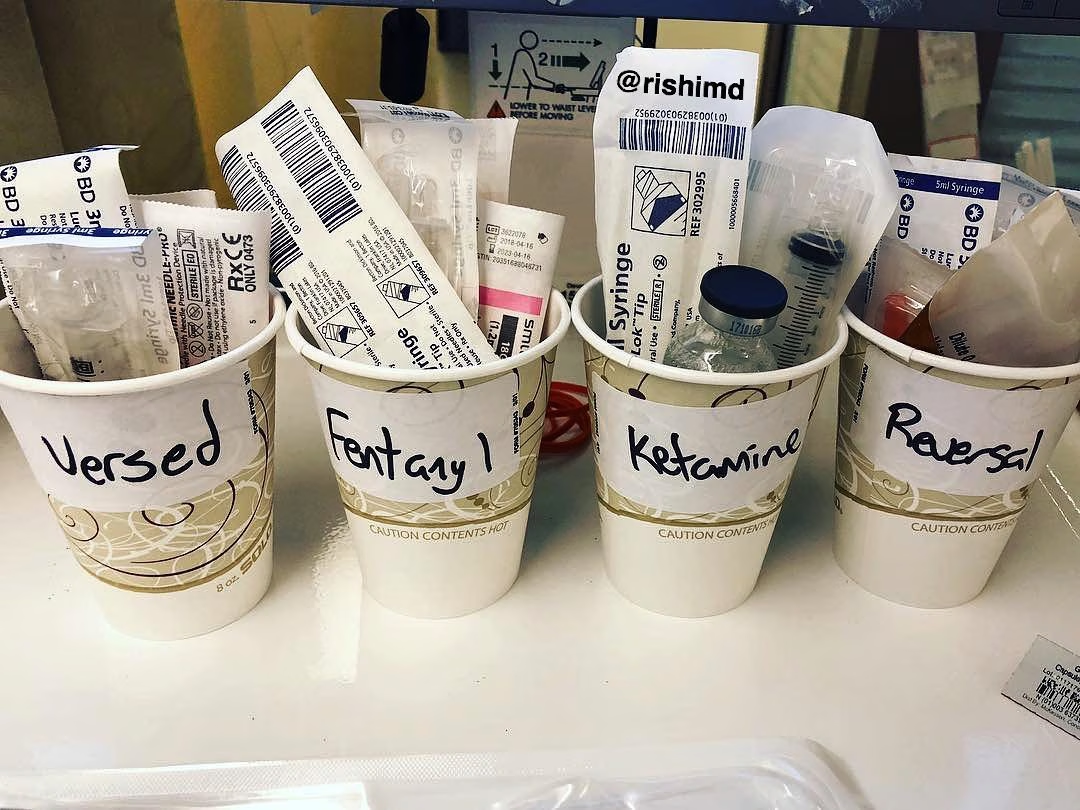
  • Premedication Before Surgery

    Premedication Before Surgery

    In the perioperative world, “premedication” refers to pharmacologic therapy administered to relieve anxiety, provide light sedation, and even create some degree of antegrade amnesia prior to an operation. While there are many styles, I’m certainly a proponent of “verbal anxiolysis” by using humor, reassurance, and crystal clear language to paint…

    Read More

  • The Endothelial Glycocalyx

    The Endothelial Glycocalyx

    The glycocalyx is a surface layer of proteins lining the luminal (blood-containing) side of vascular endothelium. It plays an important role as a vascular barrier, provides structural support, facilitates cellular interactions, mitigates vasomotor tone, and has a role in the inflammatory and coagulation cascades. Substances like chondroitin sulfate, hyaluronic acid,…

    Read More

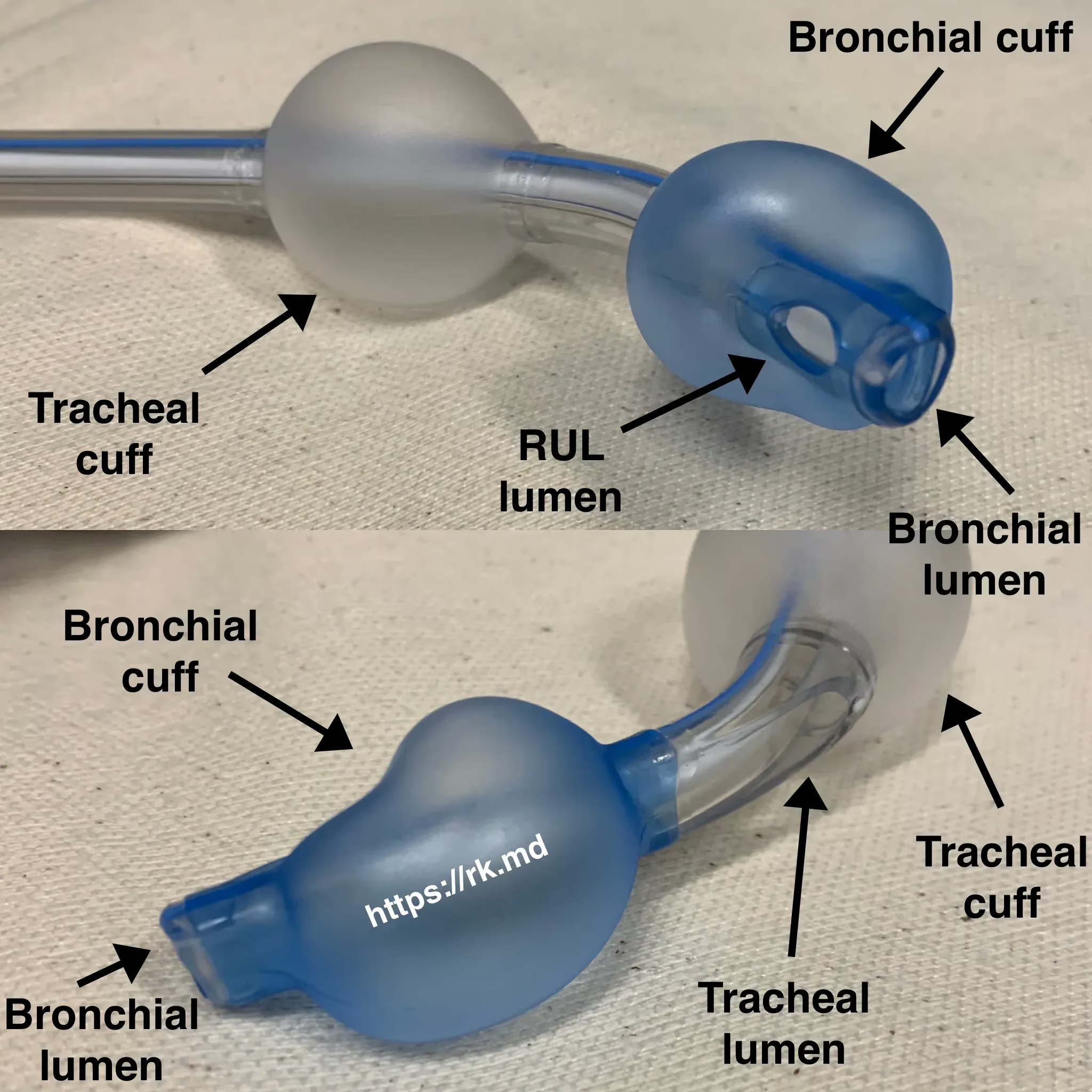
  • Double Lumen Endotracheal Tubes (DLT)

    Double Lumen Endotracheal Tubes (DLT)

    Double lumen endotracheal tubes (DLTs) are considered the gold standard for lung isolation – a procedure where we selectively ventilate a single lung or lobe. This is necessary to “protect” healthy lung tissue from hemorrhage or infection, isolate a bronchopleural fistula, perform unilateral lung lavage, or facilitate video-assisted thoracoscopic surgeries.

    Read More