Local Anesthetics Are Off-Label For Spinals
At the time of this writing, there are only three drugs approved by the U.S. Food and Drug Administration (FDA) for the intrathecal (“spinal”) route of administration: ziconotide, morphine, and baclofen.


At the time of this writing, there are only three drugs approved by the U.S. Food and Drug Administration (FDA) for the intrathecal (“spinal”) route of administration: ziconotide, morphine, and baclofen.

Many years ago, the FDA set the recommended maximum daily dose of acetaminophen (“Tylenol”) at 4,000 mg. During my training, I’ve seen two common ways to write for scheduled acetaminophen around-the-clock: 650 mg every 4 hours (total of 3900 mg per day) and 1000 mg every 6 hours (total of…

When exchanging an endotracheal tube (ETT) for a new single lumen tube (SLT) or double lumen tube (DLT), a paramount concern is losing the patient’s airway. Most institutions use some form of an exchange catheter to facilitate ETT exchanges, and in my training thus far, Cook catheters have been the way…

As seniors, we oversee our junior trainees’ cases while coordinating the case flow through the operating rooms with our front desk during call shifts. While the junior residents and SRNAs check our “stat rooms” and emergent airway boxes prior to preparing for their respective cases, I’ll visit the pharmacy to grab…
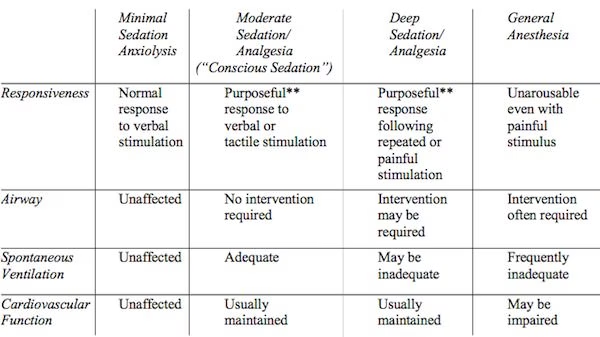
In the perioperative arena, the terms “MAC” (monitored anesthesia care) and “sedation” are used interchangeably; however, they are not the same. The term MAC has nothing to do with levels of sedation (minimal, moderate, deep, and general anesthesia).
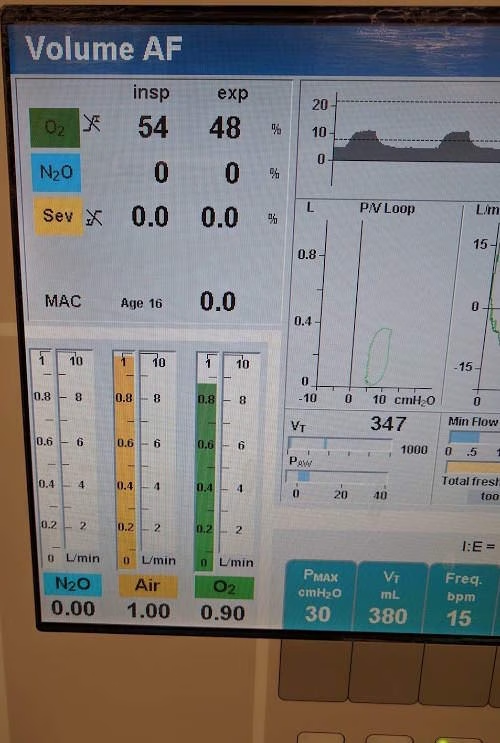
Take a deep breath. Your diaphragm is contracting downward increasing your intrathoracic volume with a resulting decrease in pressure according to Boyle’s Law. This new pressure is less than that of atmospheric pressure (“negative intrathoracic pressure”), so a gradient is created driving air into your lungs.
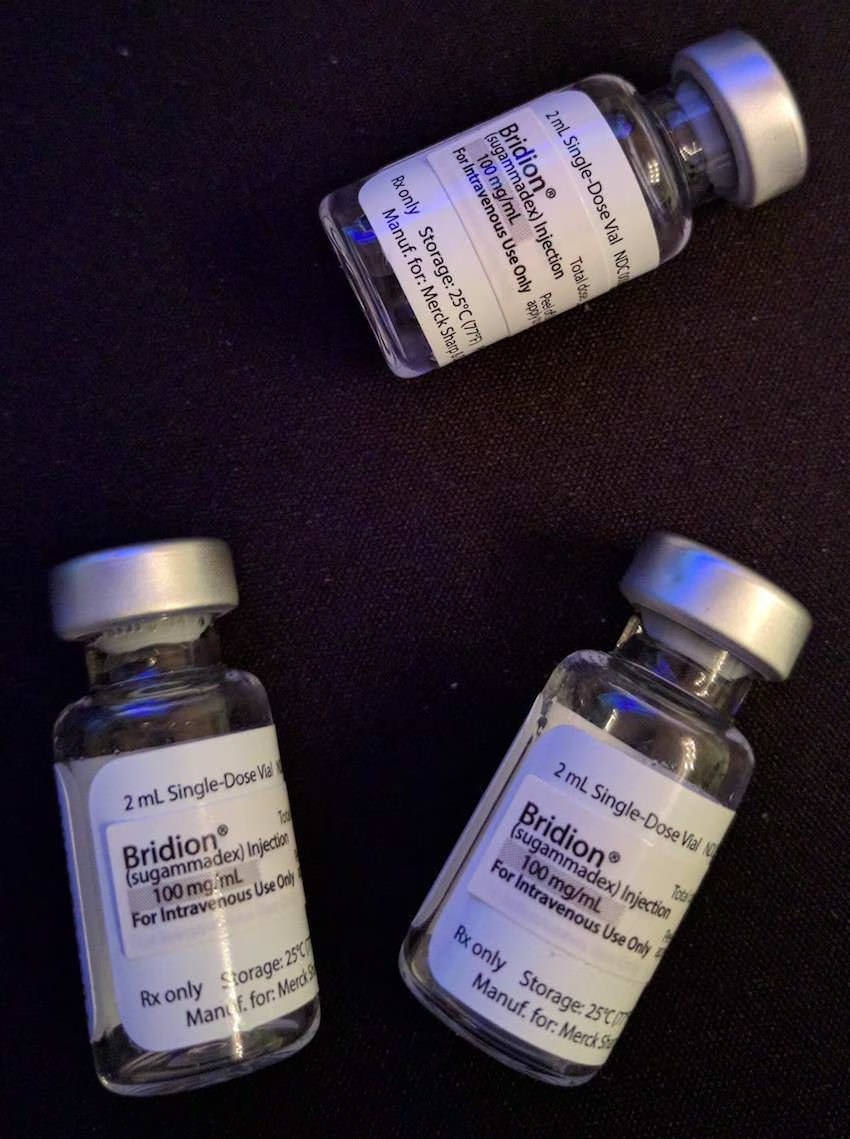
Merck hosted our first journal club of the academic year yesterday evening at Sullivan’s Steakhouse. The topic: “Clinical Considerations in Neuromuscular Blockade Management” with an emphasis on sugammadex (Bridion). For years, this drug has been used in other parts of the world as a reversal for neuromuscular relaxation due to rocuronium/vecuronium.…
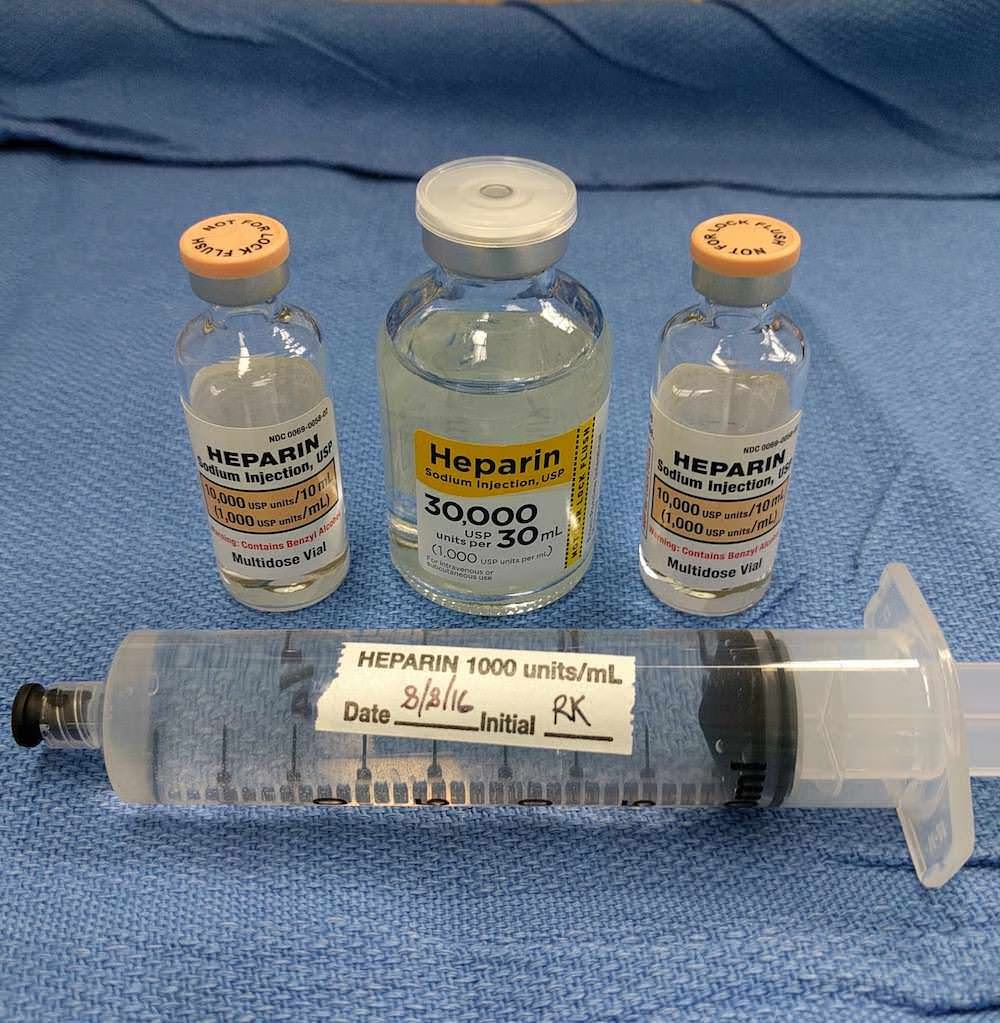
To minimize the risk of thrombosis on the heart-lung machine, 3-4 mg/kg IV heparin boluses are administered to patients prior to initiating cardiopulmonary bypass. Many institutions also test for adequate heparinization before going on pump using a target activated clotting time (ACT) > 480 seconds. In such large doses, much of the…

This post was inspired by a discussion I had with Dr. Les Yarmush, one of my cardiothoracic anesthesia attendings. I’ve become accustomed to titrating many short acting medications to manage hemodynamics in the ICU and operating room arenas. I like to factor in a patient’s comorbidities and “test” their response…

Maintaining coronary perfusion pressure (CPP) is arguably the most important objective in cardiac anesthesiology. CPP is defined as the difference between aortic diastolic pressure (AoDP) and left ventricular end-diastolic pressure (LVEDP) when describing perfusion to the left ventricle. CPP = AoDP – LVEDP Coronary arteries originate from the aortic root,…