• Hypotension With Initiation Of Cardiopulmonary Bypass

    Hypotension With Initiation Of Cardiopulmonary Bypass

    Cardiopulmonary bypass (CPB) circuits are typically primed with ~1500 cc of volume (crystalloid, colloid, and/or blood). Thus, if a 70-kilogram male (~5-liter blood volume) is placed on CPB, one would expect his hematocrit to drop by 30-40% (hemodilution) with a subsequent decrease in systemic vascular resistance (SVR) –  the primary mechanism…

    Read More

  • “The Patient Is Moving!”

    “The Patient Is Moving!”

    Patient movement is a normal, reflexive response to a stimulus not completely blunted by a “light” anesthetic. This does NOT mean the patient is aware of what is happening. These are two entirely different concepts and unfortunately something which many of our surgical colleagues do not understand. That being said,…

    Read More

  • What Is A Rapid Sequence Intubation (RSI)?

    What Is A Rapid Sequence Intubation (RSI)?

    As anesthesiologists, endotracheal intubation is a procedure we routinely do in the operating room but also emergently in patients who have cardiopulmonary arrest, depressed consciousness, impending hypoxemic and/or hypercarbic respiratory failure, or profound respiratory weakness.

    Read More

  • Secondary Pulmonary Lobule

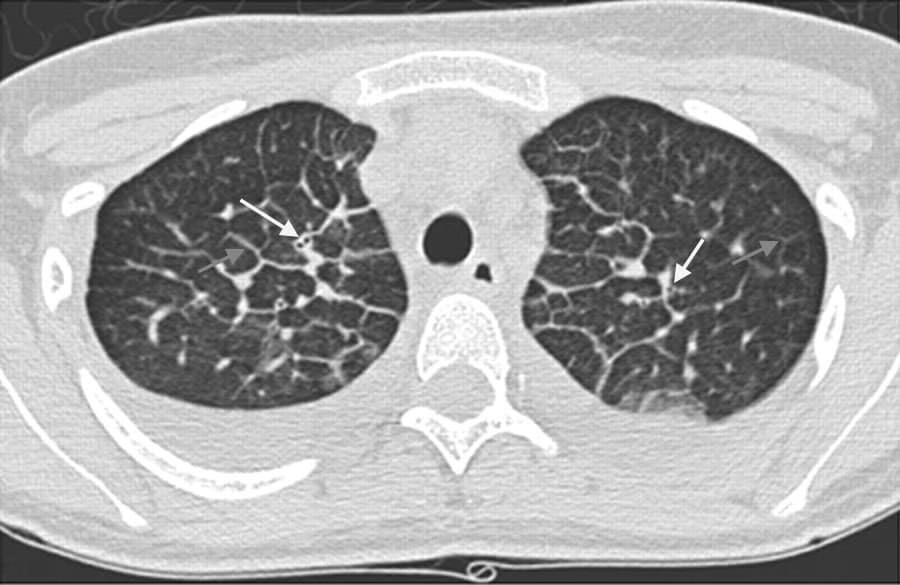
    Secondary Pulmonary Lobule

    High resolution computed tomography (HRCT) scans provide an extraordinary amount of information to practitioners. In fact, many findings on HRCT have terms which are incorrectly used for ordinary CT scans (honeycombing, tree-in-bud appearance, ground glass opacities, etc.) I start reviewing a HRCT by looking at functional units of the respiratory…

    Read More

  • Alfentanil vs Fentanyl Onset

    Alfentanil vs Fentanyl Onset

    The onset of intravenous narcotic medications (morphine, fentanyl, remifentanil, alfentanil, sufentanil, etc.) is related to their respective lipid solubilities. For example, fentanyl is roughly 600x more lipid soluble than morphine, and therefore has a much faster onset. However, alfentanil is an exception to the rule… and exams love to torture…

    Read More

  • Why Does Oxygen Therapy Cause Hypercapnia In COPD?

    Ask young physicians why patients with chronic obstructive pulmonary disease (COPD) tend to retain CO2 (hypercapnia) when given oxygen therapy. I bet the majority will claim that supplemental oxygen depresses one’s “hypoxic drive” to breathe. In other words, if our oxygen levels are super high, the body will invest less energy in breathing, resulting in…

    Read More

  • Hyperventilation And The Bohr Effect

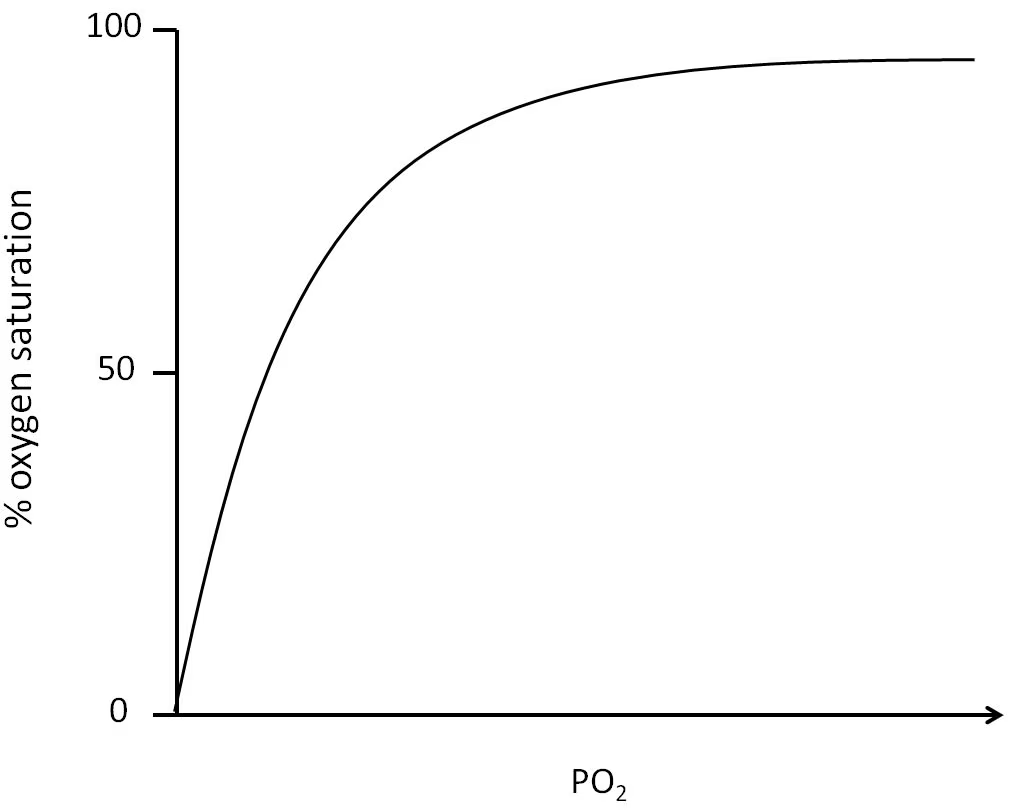
    Hyperventilation And The Bohr Effect

    Often times we hyperventilate patients in the operating room with the justification that a low PaCO2 will suppress a patient’s desire to take spontaneous breaths during surgery (ie, less of a chance the patient will “move”). While there is some merit behind this (the hypercarbic drive), I assure you that volatile…

    Read More

  • What Drugs Are Used In General Anesthesia?

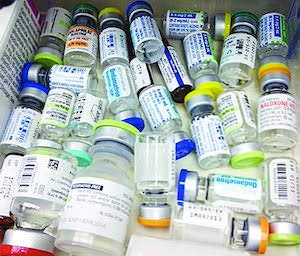
    What Drugs Are Used In General Anesthesia?

    After consenting my patients for general anesthesia, I’m occasionally asked what drugs will be used during surgery. Without going into too much detail, I refer to our agents by general classes: volatiles, narcotics, muscle relaxants, hypnotics, and reversals. The more medically-inclined patients will often ask for specific names too. Here are…

    Read More

  • What Is A Left Ventricular Assist Device (LVAD)?

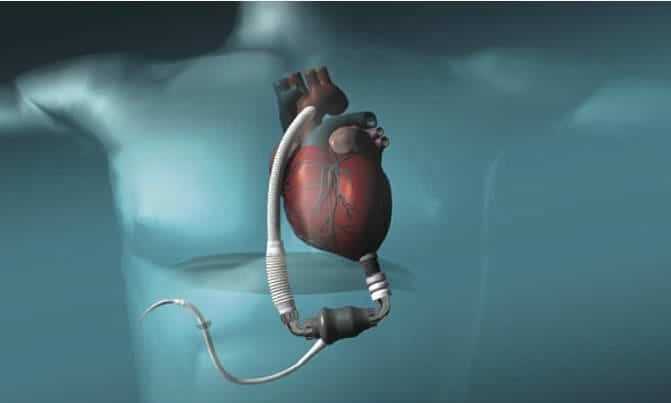
    What Is A Left Ventricular Assist Device (LVAD)?

    Ventricular assist devices (VADs) can support the right (RVAD) and left (LVAD) ventricles and were initially utilized as mechanical circulatory support devices for bridge-to-transplant (BTT) in heart failure. Modern continuous flow VADs are also being used for destination therapy (DT) for those who are not candidates for cardiac transplantation or are too ill to…

    Read More

  • FDA Rejects Sugammadex And Exparel’s Expanded Usage