• ECG Lead II And Volume Responsiveness – The Brody Effect

    ECG Lead II And Volume Responsiveness – The Brody Effect

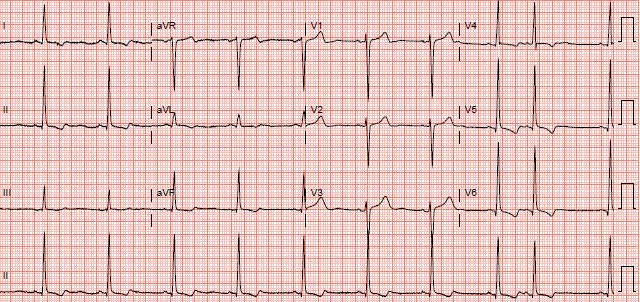
    The Brody effect highlights the relationship between intracavitary blood volume and the heart’s electrical activity, which, in turn, offers a dynamic tool to gauge volume responsiveness. Since blood is an excellent conductor of electricity, variable preload can lead to variable ECG readings, namely the amplitude of the R-wave in lead…

    Read More

  • Neostigmine For Postoperative Ileus

    Neostigmine For Postoperative Ileus

    As a cardiovascular ICU intensivist, postoperative ileus (POI) is a condition I deal with frequently following laparotomies and even abdominal aorta endovascular repairs with gut dysmotility, inflammation, and neural inhibition all contributing. If conventional “bowel regimen” therapies (ambulation, enemas, etc.) fail, and I’m convinced the pathology is colonic pseudo-obstruction (not a mechanical obstruction), I’ll consider…

    Read More

  • Estimating Intraabdominal Pressure With Bladder Pressure

    Estimating Intraabdominal Pressure With Bladder Pressure

    Intraabdominal hypertension (IAH) and abdominal compartment syndrome are defined as sustained intraabdominal pressure (IAP) ≥ 12 mmHg and > 20 mmHg with new organ dysfunction, respectively. This can be challenging to diagnose in patients who are pregnant, obese, or with ascites. Bladder pressure from a Foley catheter can be used…

    Read More

  • Air Bronchograms On Ultrasound

    Air Bronchograms On Ultrasound

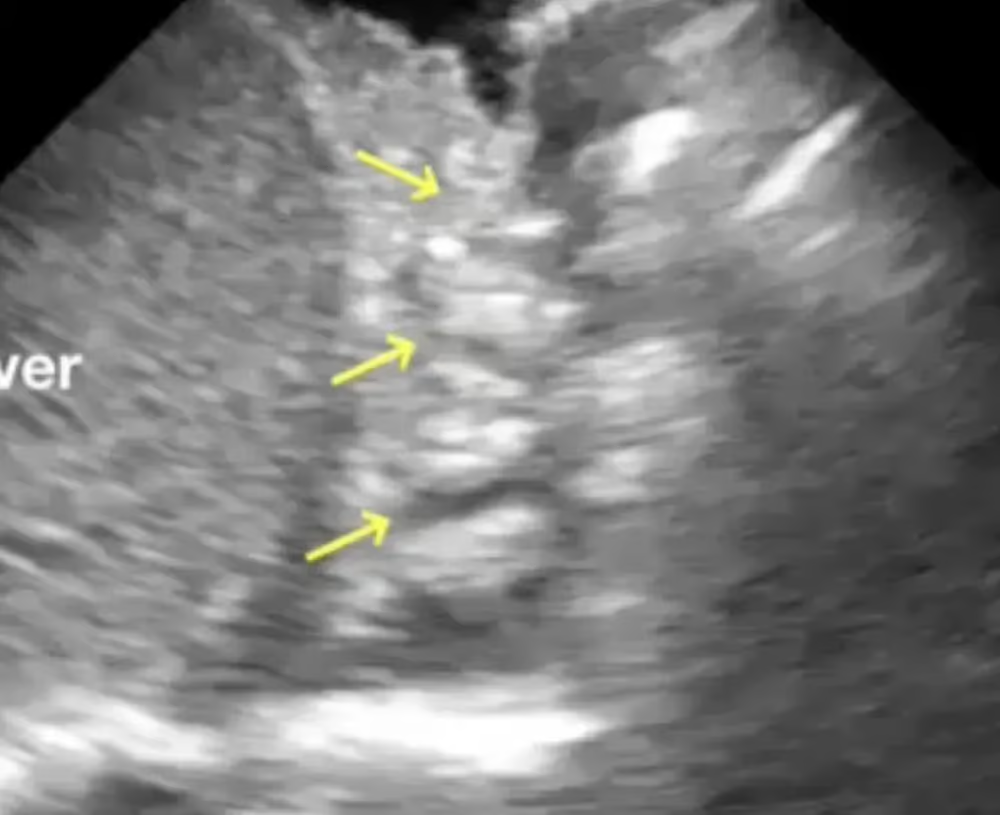
    In lung ultrasound, air bronchograms (indicated by yellow arrows in the video) occur when segments of the bronchial tree remain patent (filled with anechoic air) amid the surrounding consolidated, echogenic lung tissue. These adjacent alveoli could be collapsed as in atelectasis, filled with inflammatory exudates as in pneumonia, damaged in…

    Read More

  • Permissive Hypercapnia

    Permissive Hypercapnia

    Permissive hypercapnia (PHC) is a deliberate and controlled elevation in carbon dioxide (CO2) during mechanical ventilation to limit over-distention of the lung and ventilator-induced lung injury (VILI) by reducing inspiratory pressures. This can often lead to a PaCO2 of 50-80 mmHg depending on the patient and situational factors with acute…

    Read More

  • Ambu® SPUR® II Resuscitator Bag

    Ambu® SPUR® II Resuscitator Bag

    Artificial manual breathing unit (“Ambu”) bags are seen throughout healthcare to facilitate mask ventilation or ventilation through an indwelling endotracheal/tracheostomy tube. Pictured is an adult Ambu® SPUR® II resuscitator bag. Based on the manufacturer’s specifications, this Ambu bag has a resuscitator (“bag”) volume of ~1547 mL (~600 mL delivered with…

    Read More

  • Drawbacks Of Pressure-Regulated Volume Control (PRVC)

    Drawbacks Of Pressure-Regulated Volume Control (PRVC)

    Pressure-regulated volume control (PRVC) is an adaptive mode of ventilation that attempts to achieve set tidal volume at the lowest possible inspiratory airway pressure by using breath-to-breath feedback to adjust flow. Because it theoretically combines the best of pressure control (variable flow) and volume control (guaranteed minute ventilation) modes, PRVC…

    Read More

  • The Apnea Test

    The Apnea Test

    Brain death is a clinical diagnosis supported by imaging but confirmed by the bedside exam to assess for the irreversible loss of cortical and brainstem functions. The apnea test (AT) is a common method used to evaluate the definitive absence of a brainstem-mediated respiratory drive. To ensure patient safety and…

    Read More

  • Hemodynamic Changes After Terminal Extubation

    Hemodynamic Changes After Terminal Extubation

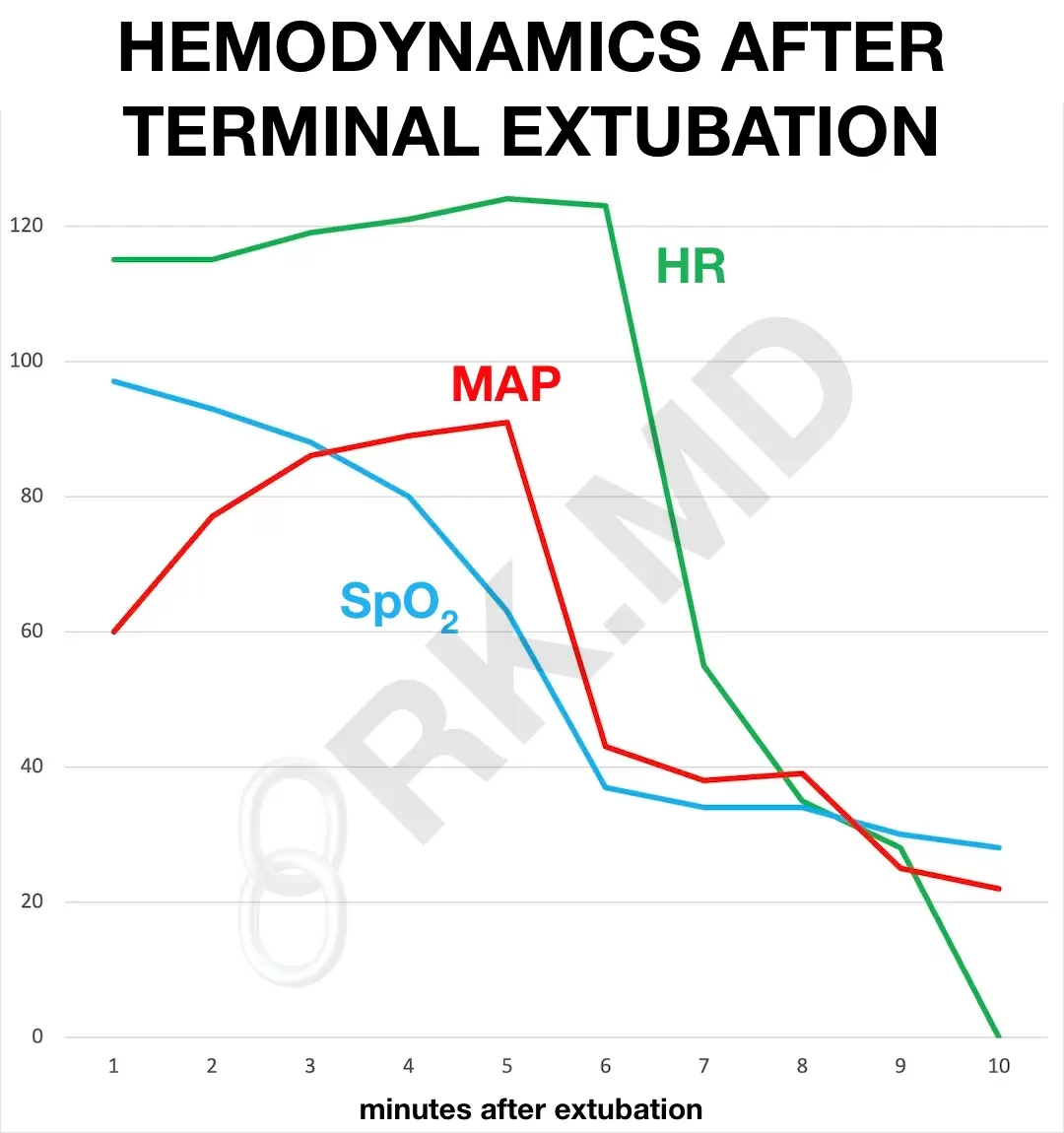
    Removing an endotracheal tube and ventilator support from a patient nearing the end of life (“terminal extubation”) is a decision reached by family members/decision-makers with the support of ICU staff and/or organ procurement organizations for organ donation after circulatory death (DCD). The body’s response to dying generates some common hemodynamic…

    Read More

  • Calculating Cardiac Output With Volume-Time Integral (VTI)

    Calculating Cardiac Output With Volume-Time Integral (VTI)

    Cardiac output (CO) is mathematically calculated as the product of heart rate and stroke volume. It’s related to preload, afterload, and contractility. One echocardiographic technique I routinely use to estimate a patient’s stroke volume is the volume-time integral (VTI). The VTI method is based on the Doppler effect which relates…

    Read More