• Subclavian Vein Cannulation With Ultrasound

    Subclavian Vein Cannulation With Ultrasound

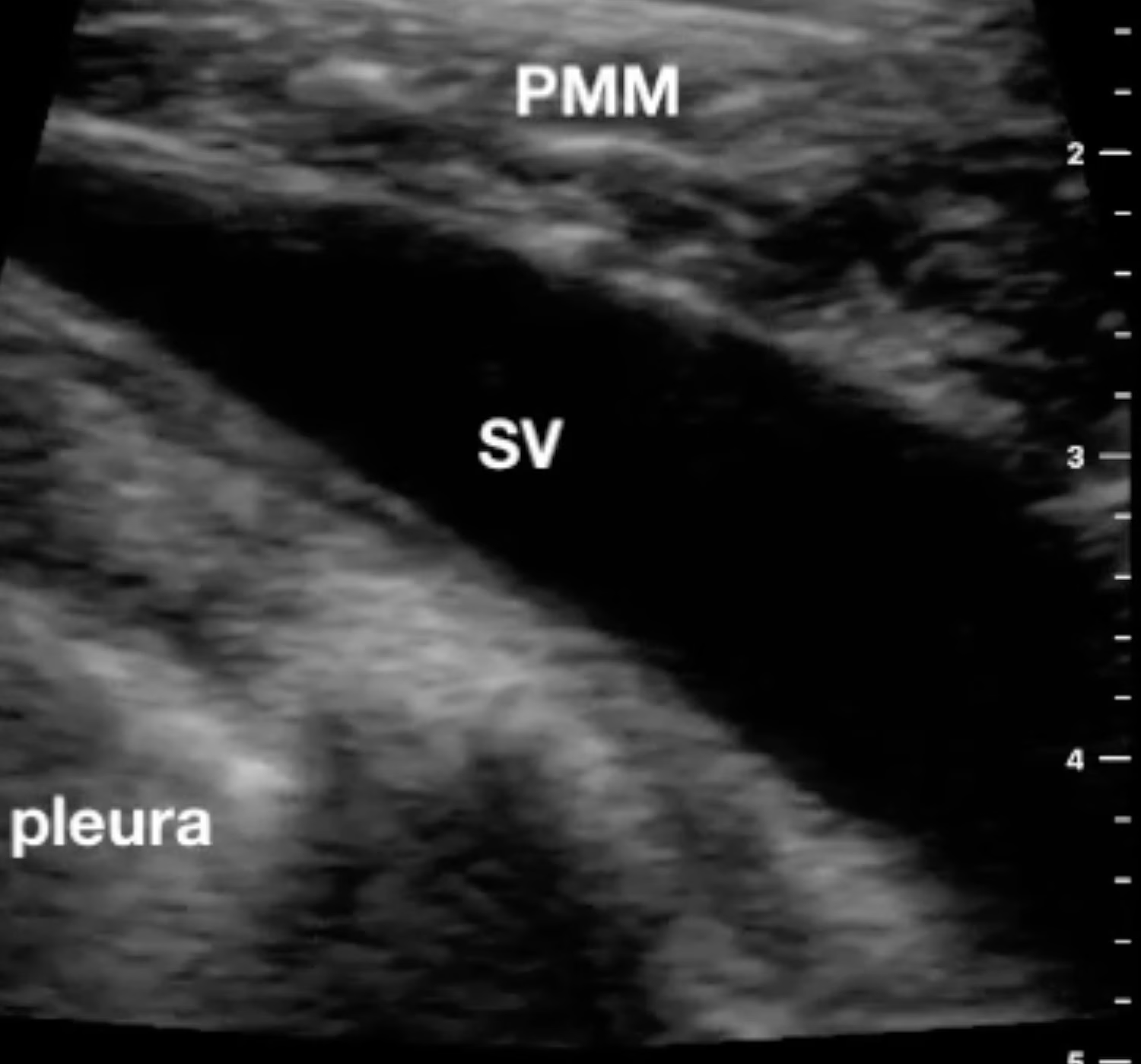
    I’ve performed countless subclavian central line placements using anatomic landmarks; however, more recently, I’m preferentially utilizing ultrasound to cannula the vein from an infraclavicular approach. Because of the proximity of the clavicle to the subclavian artery and vein, I start laterally to locate the axillary artery and vein short axis.…

    Read More

  • AirTagging My Stethoscope

    AirTagging My Stethoscope

    When I’m on service as an intensivist, I have a knack for misplacing my stethoscope somewhere in the CVICU or OR. Every now and then, I’ll have to retrace my steps from room-to-room looking for the darn thing! I figured I should embrace my techiness and just slap an AirTag…

    Read More

  • Lumbar Puncture

    Lumbar Puncture

    Lumbar puncture (LP) is a bedside procedure I occasionally do as an intensivist to obtain a sample of cerebrospinal fluid (CSF) surrounding the spinal cord and brain. CSF analysis can help diagnose central nervous system pathologies like infections, autoimmune disorders, malignancy, etc. Pictured is the Safe-T PLUS Adult Lumbar Puncture…

    Read More

  • Lorazepam

    Lorazepam

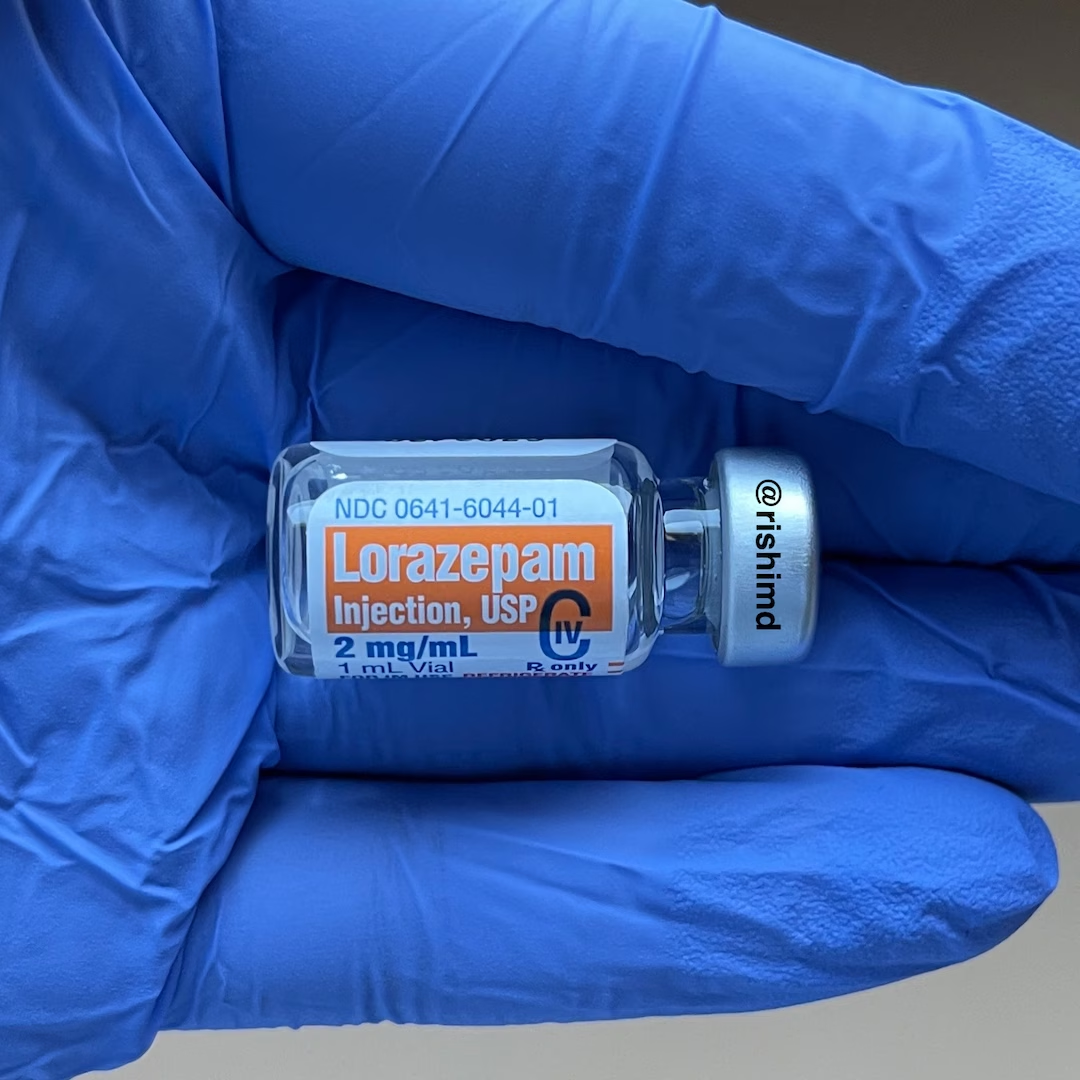
    Lorazepam (Ativan) is an IV, IM, and oral benzodiazepine medication which potentiates the GABA(A) receptor resulting in anxiolysis, sedation, amnesia, and muscle relaxation. Since lorazepam has limited lipid solubility but is highly protein-bound, it tends to remain in the intravascular space resulting in sustained peak effects. Its metabolites are also…

    Read More

  • Donation After Cardiac Death (DCD)

    Donation After Cardiac Death (DCD)

    Donation after cardiac death (DCD) is an organ procurement process for transplantation in patients with irreversible brain injuries who do not meet the formal criteria of brain death. These patients are transitioned to “comfort measures only”, liberated from the mechanical ventilator, and given 60-120 minutes (depending on the institution) for…

    Read More

  • Ogilvie’s Syndrome

    Ogilvie’s Syndrome

    Ogilvie’s syndrome is an acute, paralytic ileus of the colon without mechanical obstruction associated with massive right colon dilation. Symptoms can include abdominal distension/pain, constipation, and in more severe situations, leukocytosis with fevers. In line with Laplace’s Law (tension ~ intraluminal pressure * radius), since the cecum has the largest…

    Read More

  • Milliequivalents (mEq) versus Millimole (mmol)

    Milliequivalents (mEq) versus Millimole (mmol)

    In medicine, concentrations are often expressed as milliequivalents per liter (mEq/L) or millimoles per liter (mmol/L). But what’s the difference? A mole is the International System of Units (SI) base unit for the amount of a substance (just like a second for time, meter for length, kilogram for mass, etc.)…

    Read More

  • Intravenous Fluid Comparison Table

    Intravenous Fluid Comparison Table

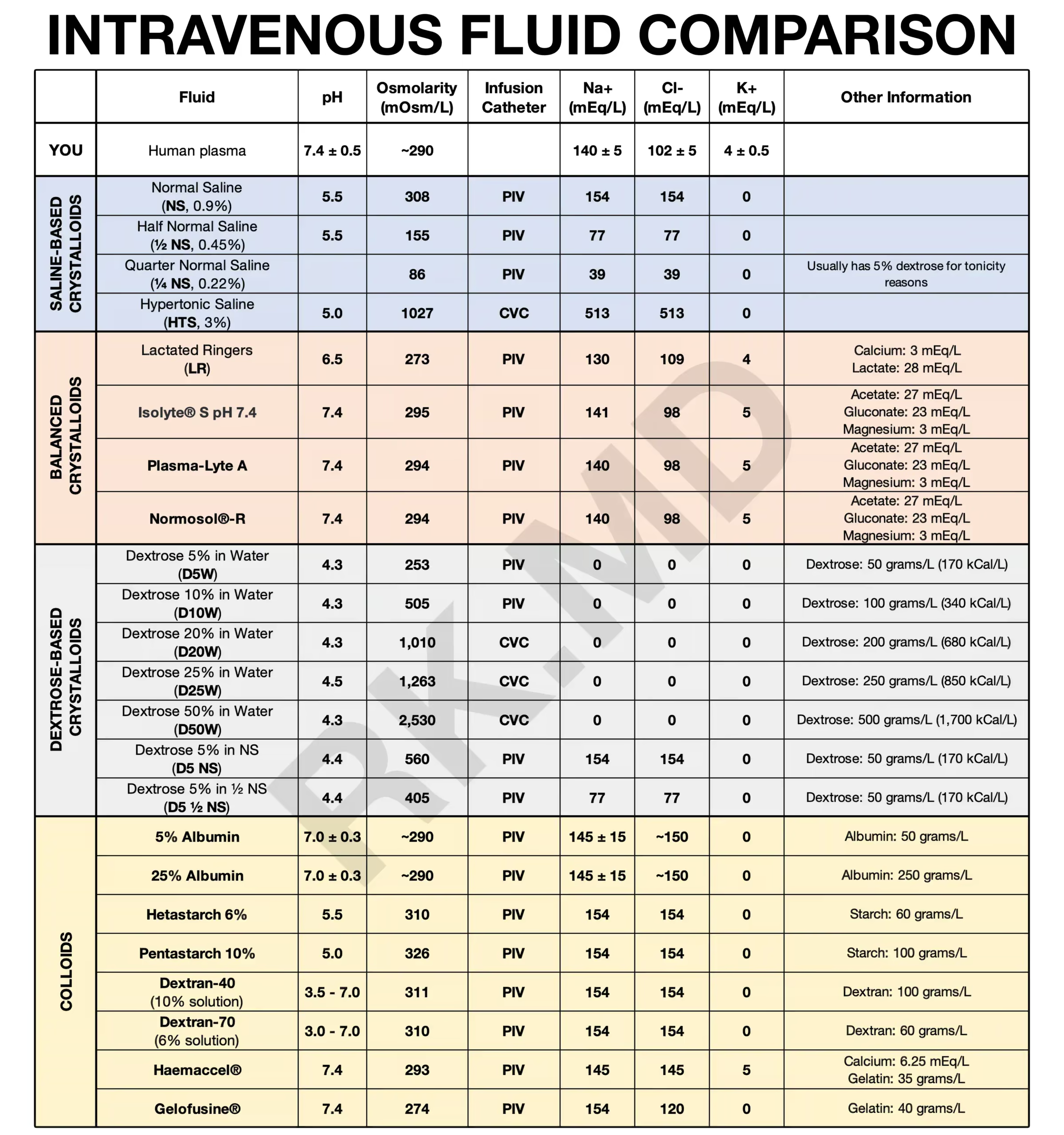
    Intravenous (IV) fluids are ubiquitous in medicine. Crystalloid fluids consist of electrolytes and/or dextrose. They are traditionally used to replace ongoing fluid losses, hydrate patients who cannot tolerate enteral intake, reconstitute medications, etc. Colloids contain larger molecular-weight substances, such as albumin and starch, to reduce oncotic pressure (although their clinical…

    Read More

  • M-Mode Ultrasound Assessment Of Diaphragm Movement

    M-Mode Ultrasound Assessment Of Diaphragm Movement

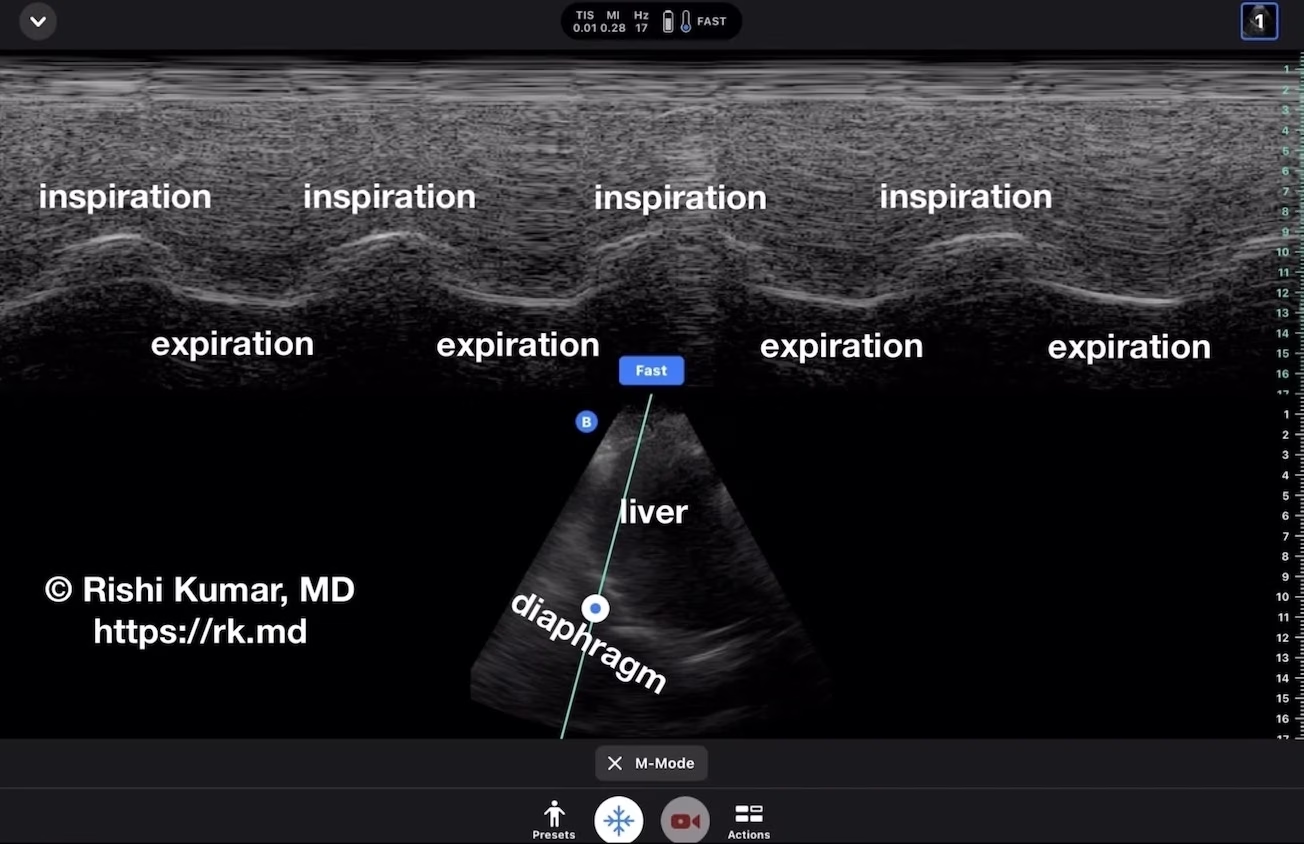
    Patients with suspected diaphragm paralysis (e.g., an elevated hemidiaphragm on a chest x-ray, a surgery that is high-risk for compromising the phrenic nerve, etc.) can be evaluated using motion mode (“M-mode”) ultrasonography at the bedside. M-mode tracks the motion of tissue along a linear path over time. In this video,…

    Read More

  • TEE In The Cardiothoracic ICU

    TEE In The Cardiothoracic ICU

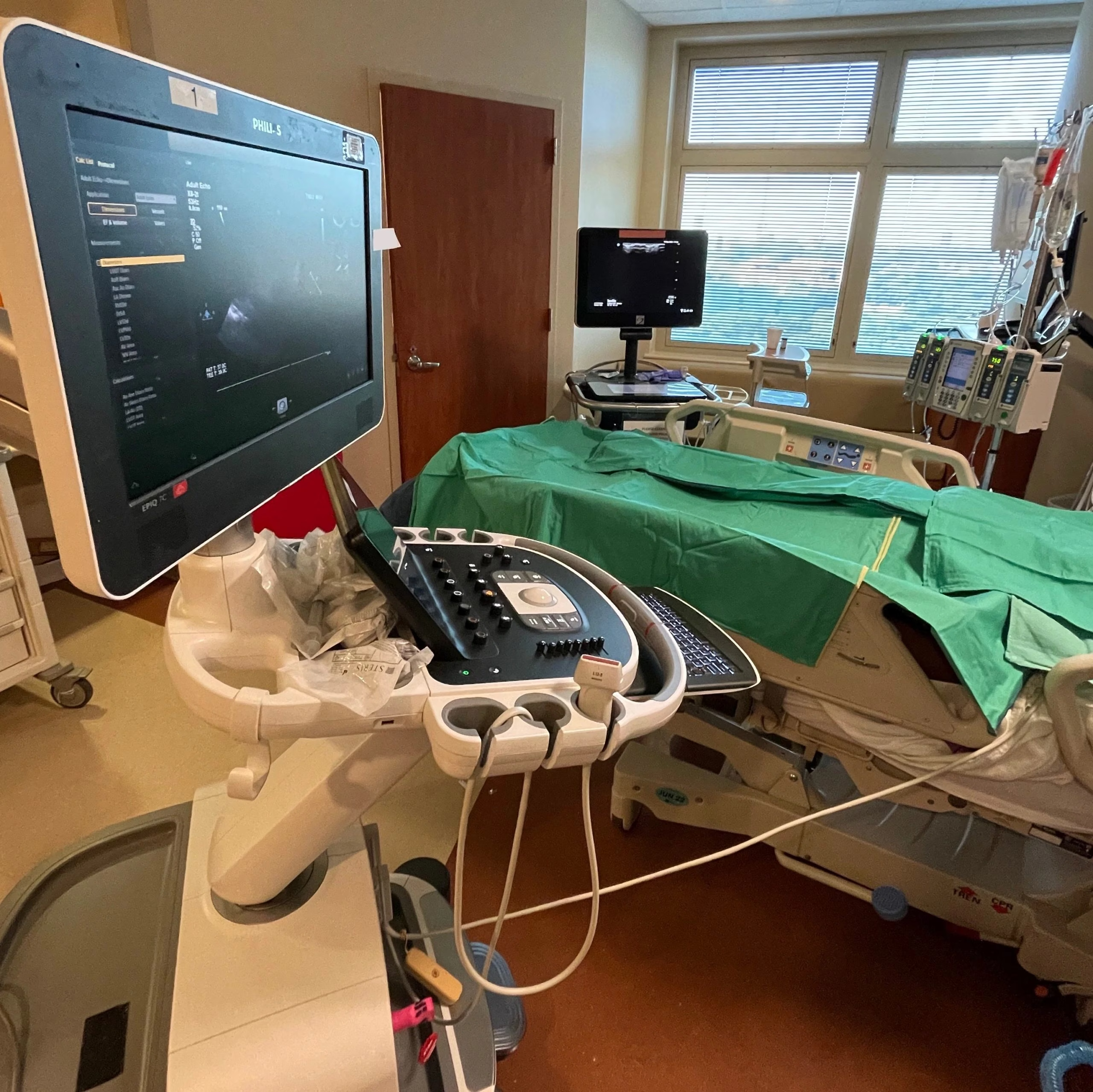
    As a cardiothoracic (CT) intensive care unit (ICU) physician, knowing how to balance resuscitation with inotrope and vasopressor support is a large part of my job. For patients on post-operative days (POD) 0 or 1, typical bedside ultrasound views are challenging to come by due to sternal dressings, chest tubes,…

    Read More