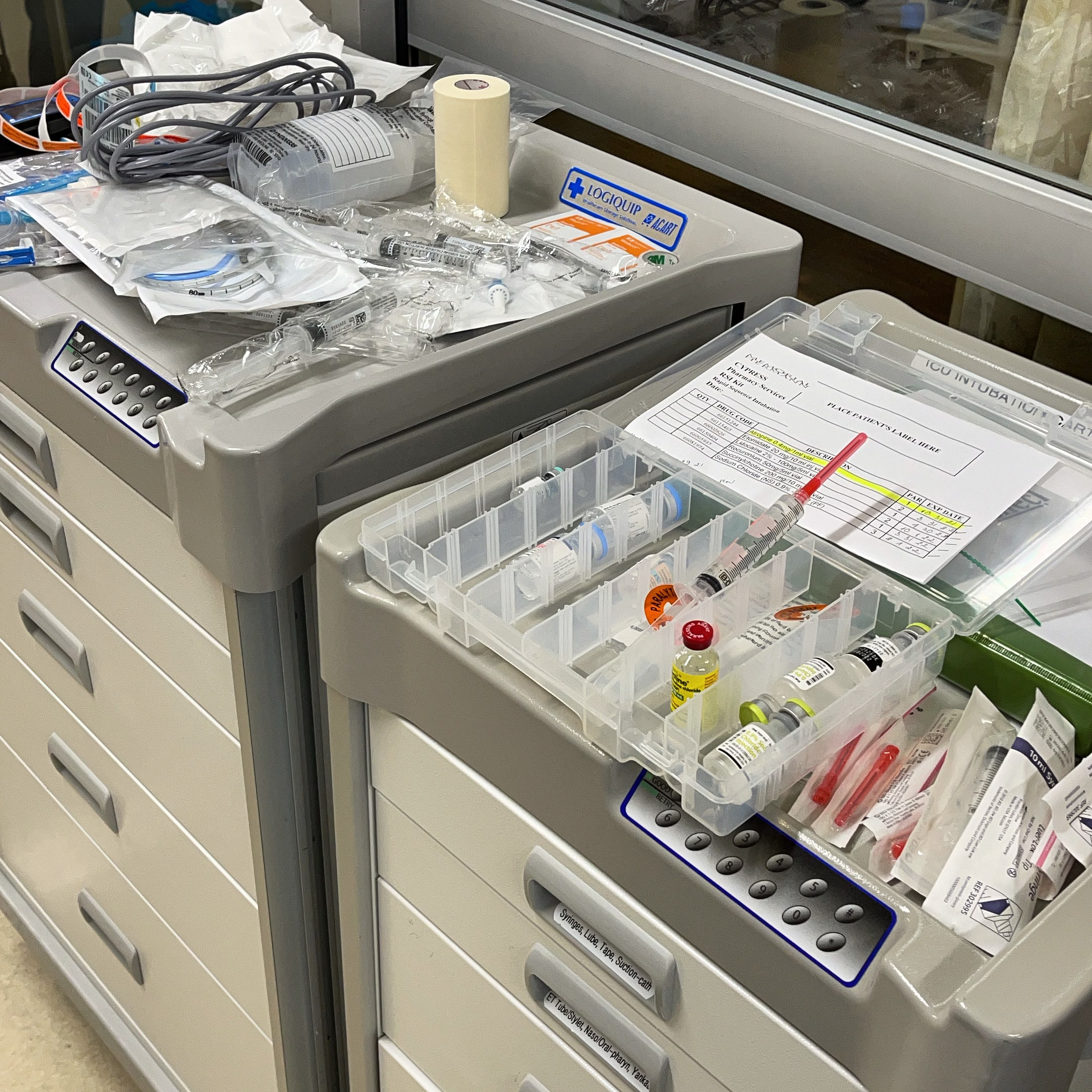
• Right Upper Lobe Bronchoscopy

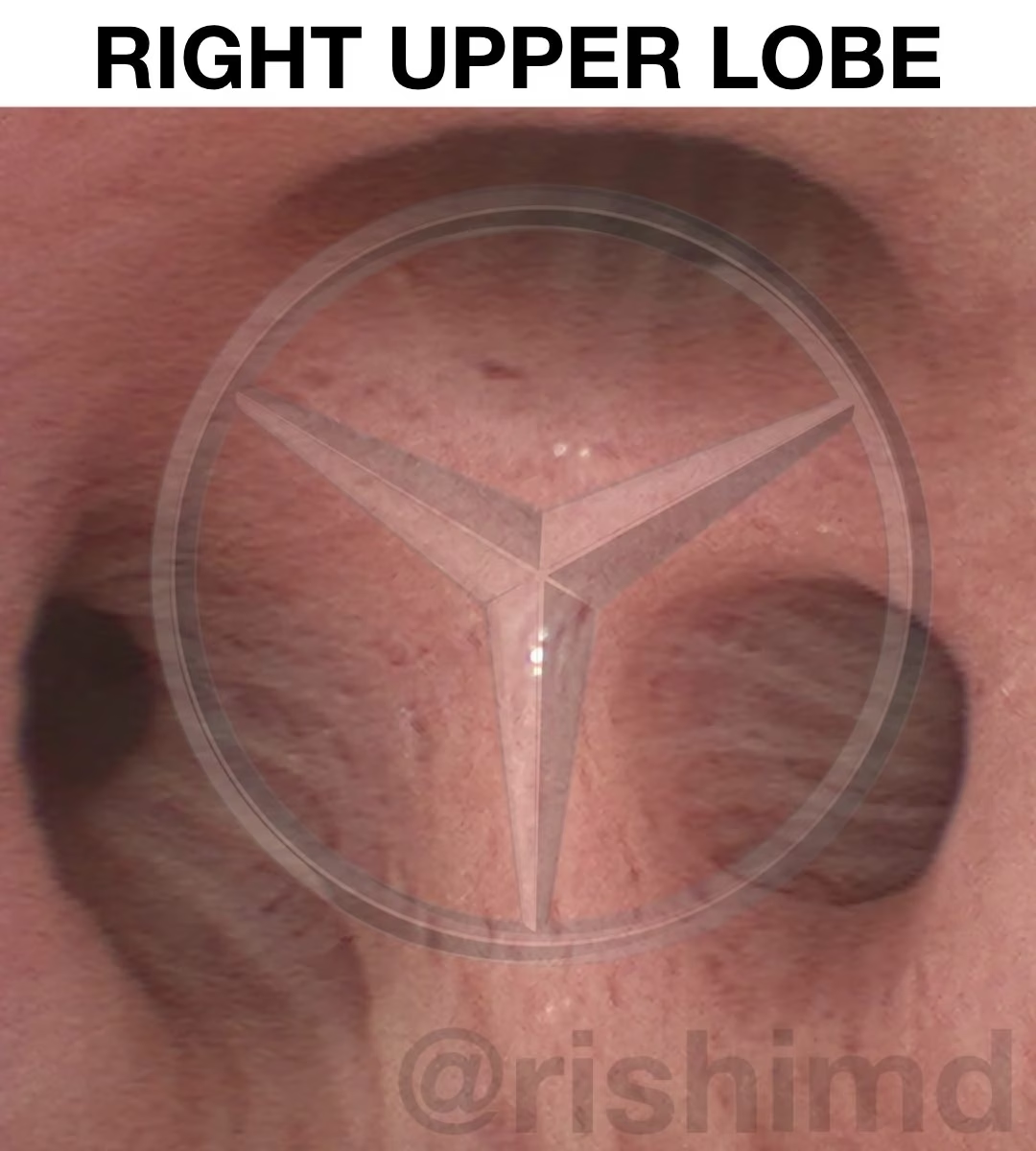
    Right Upper Lobe Bronchoscopy

    As an intensivist and cardiothoracic anesthesiologist, bronchoscopy is an incredibly common procedure I perform in the ICU (from in front of the patient) and OR (from behind the patient). A small camera on the end of a flexible tube is sent down an indwelling endotracheal or tracheostomy tube to visualize…

    Read More

  • Thermogard – Targeted Temperature Management (TTM)

    Thermogard – Targeted Temperature Management (TTM)

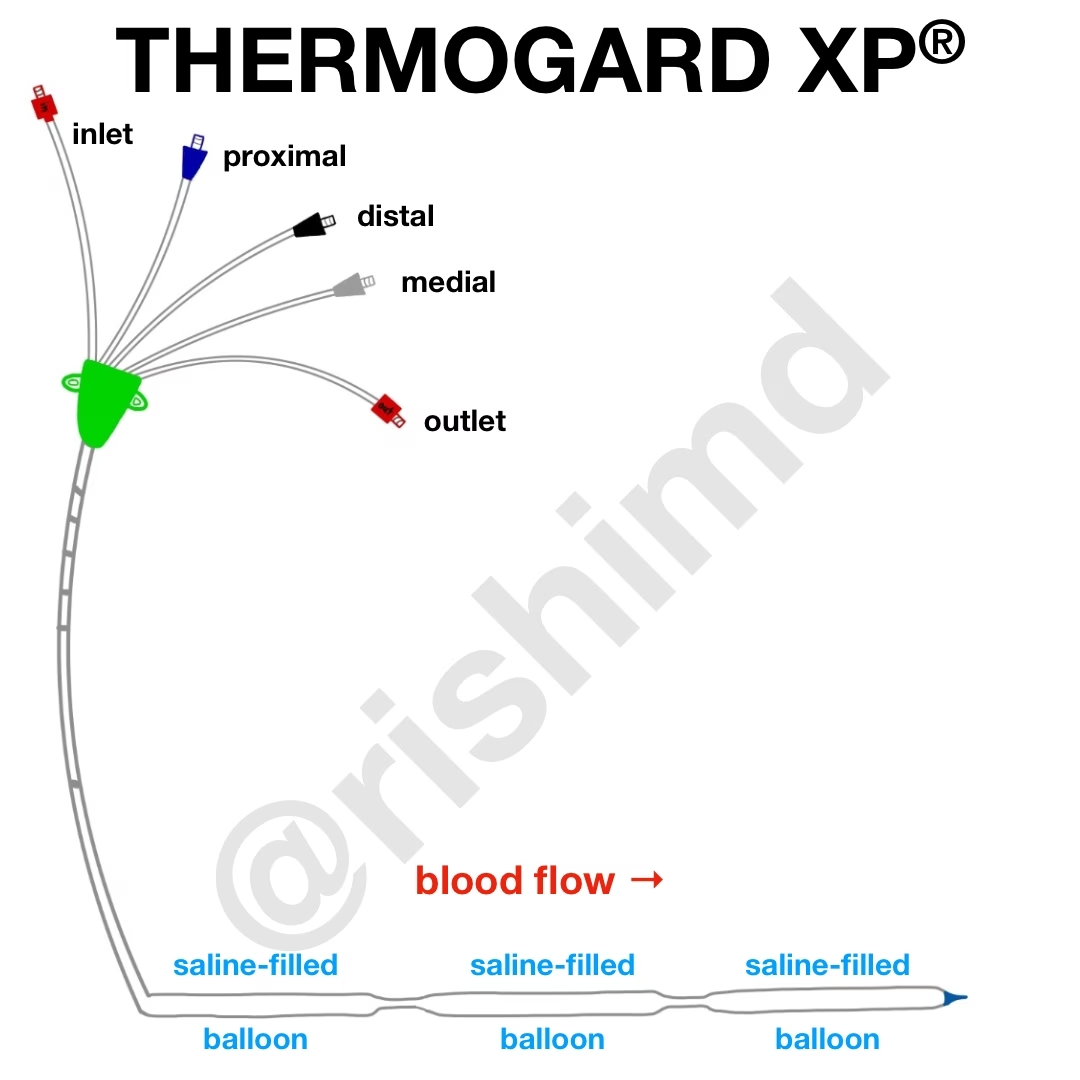
    Targeted temperature management (TTM) following out-of-hospital cardiac arrest (OHCA) has been shown to confer survival and neuroprotective benefits. A 2016 review in Resuscitation found this to also apply to a wide scope of patients (unwitnessed arrest, persistent shock, non-shockable rhythms, etc.). Based on a 2013 NEJM RCT by Nielsen et…

    Read More

  • RK.MD Mechanical Circulatory Support (MCS) Reference Sheet
  • 3 C’s Of Code Blues – Calm, Confidence, Communication
  • Tips For Critical Care Anesthesiology (CCA) Fellowship

    Tips For Critical Care Anesthesiology (CCA) Fellowship

    Critical Care Anesthesiology (CCA) is a one year fellowship following the completion of an anesthesiology residency. The application process is run by San Francisco Match (SFMatch) and begins in November of the applicant’s CA-2 year.

    Read More

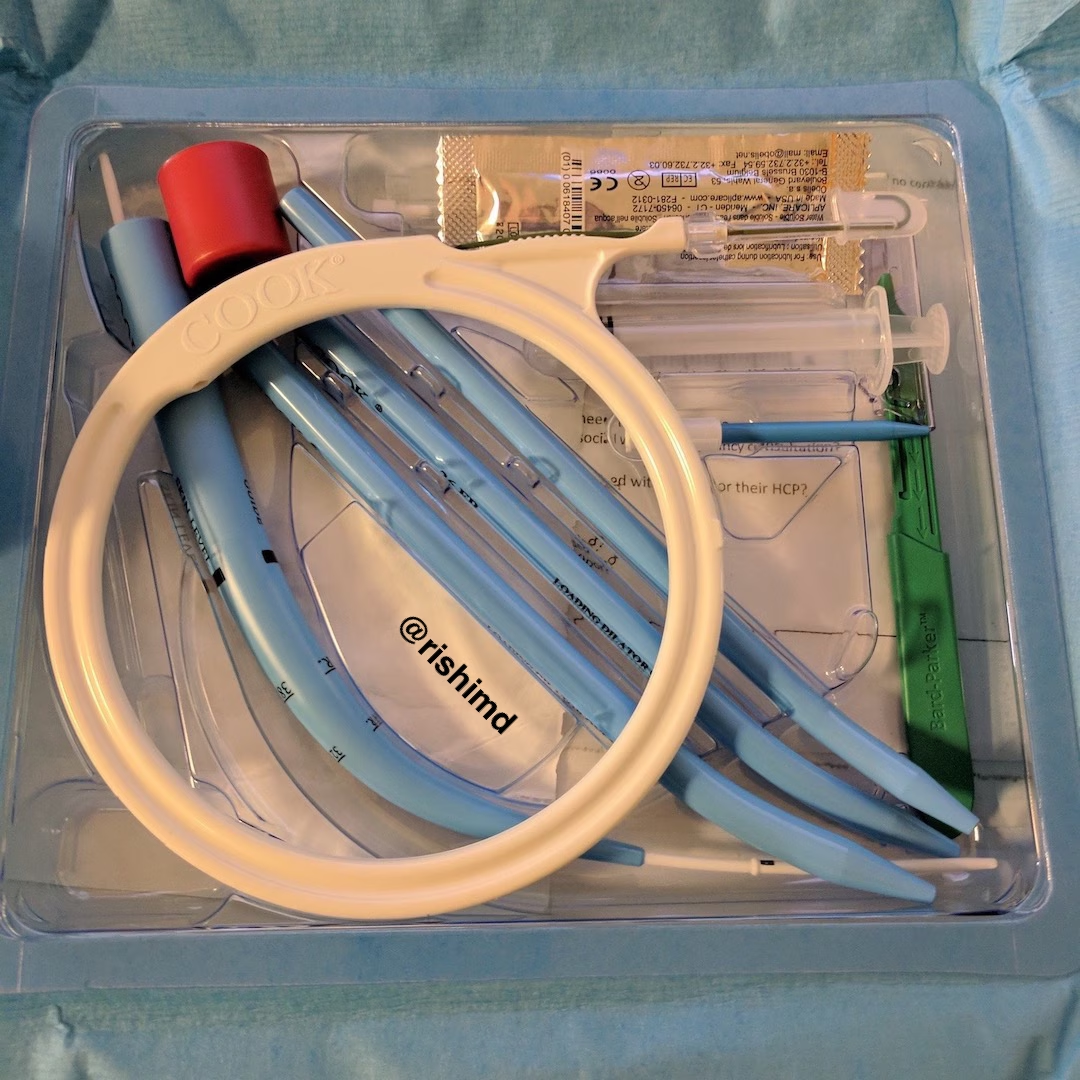
  • Percutaneous Tracheostomy

    Percutaneous Tracheostomy

    Percutaneous tracheostomy (“perc trach”) is a procedure that is routinely performed at the bedside on patients who require prolonged mechanical ventilation or airway control due to an upper airway obstruction or for pulmonary hygiene. This technique is contraindicated in emergent situations, nonintubated patients, pediatrics, and in patients with midline masses.…

    Read More

  • Posey Cufflator Manometer

    Posey Cufflator Manometer

    Endotracheal tubes (ETTs) and tracheostomy tubes have pilot balloons which are inflated to expand a pilot cuff situated within the trachea below the vocal cords. This is termed a “secure airway.”

    Read More

  • Prone Chest X-Rays

    Prone Chest X-Rays

    In severe COVID-19 pneumonia with refractory hypoxemia, patients are often proned (put on their abdomen), deeply sedated, and paralyzed to improve synchrony with the ventilator. The goal with proning is to create a more homogenous alveolar recruitment thereby decreasing shunting (parts of the lung where there is pulmonary blood flow…

    Read More

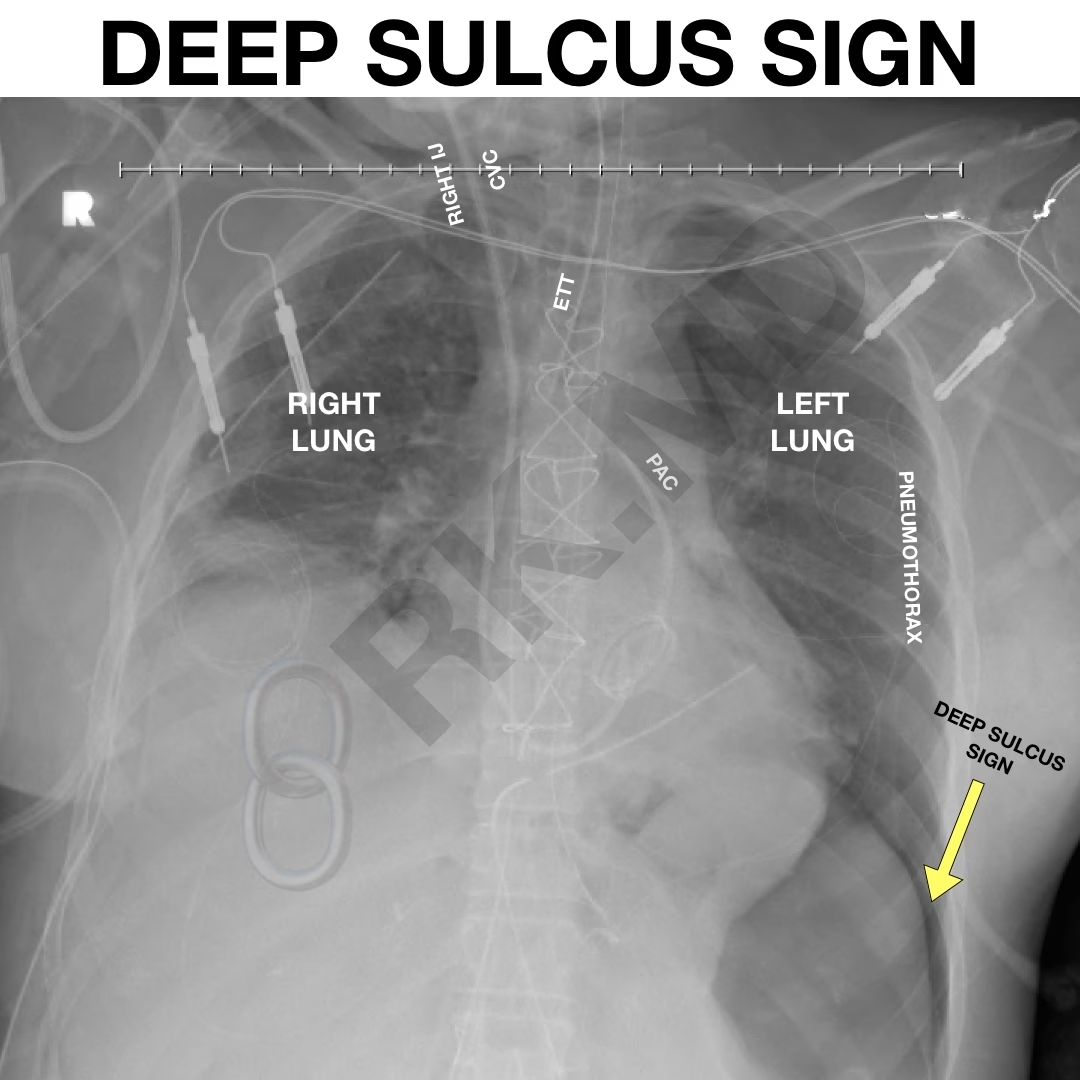
  • Deep Sulcus Sign

    Deep Sulcus Sign

    A pneumothorax occurs when air fills the pleural space between the lungs and chest wall. This can cause partial or total lung collapse leading to difficulties with alveolar ventilation, hemodynamic lability, etc.

    Read More

  • Tension Pneumothorax

    Tension Pneumothorax

    Here’s an example of a large, right-sided tension pneumothorax (PTX). Disruption in the lung leads to a one-way valve where air fills the pleural space and expands the PTX during inspiration but cannot escape during expiration.

    Read More