• Epidural Blood Patch (EBP)

    Epidural Blood Patch (EBP)

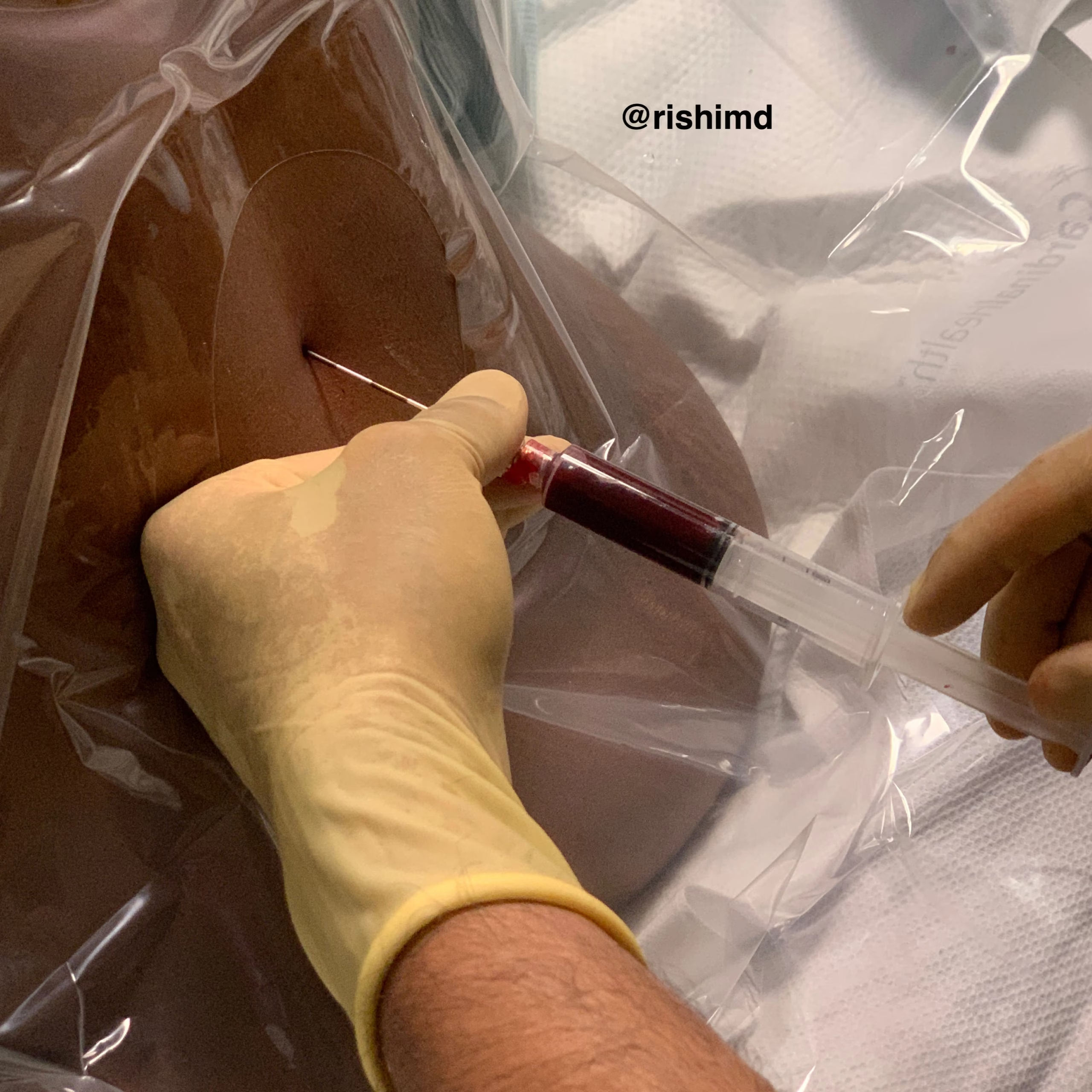
    Epidural blood patches (EBP) are procedures used to treat post dural puncture headaches (PDPH) refractory to conservative therapies such as NSAIDs, caffeine, hydration, and steroids. As a cardiothoracic anesthesiologist, the most common time I’ll be called to perform an EBP is after a lumbar drain is placed to facilitate cerebrospinal…

    Read More

  • Lumbar Drain

    Lumbar Drain

    Lumbar drains are a mainstay for spinal cord protection when patients undergo operations like thoracoabdominal aortic aneurysm (TAAA) repairs and thoracic endovascular aortic repairs (TEVAR) with subclavian artery debranching. Why? Because the anterior spinal artery receives contributions from paired intercostal arteries that can be disrupted by the aortic pathology itself…

    Read More

  • Micropuncture Kit

    Micropuncture Kit

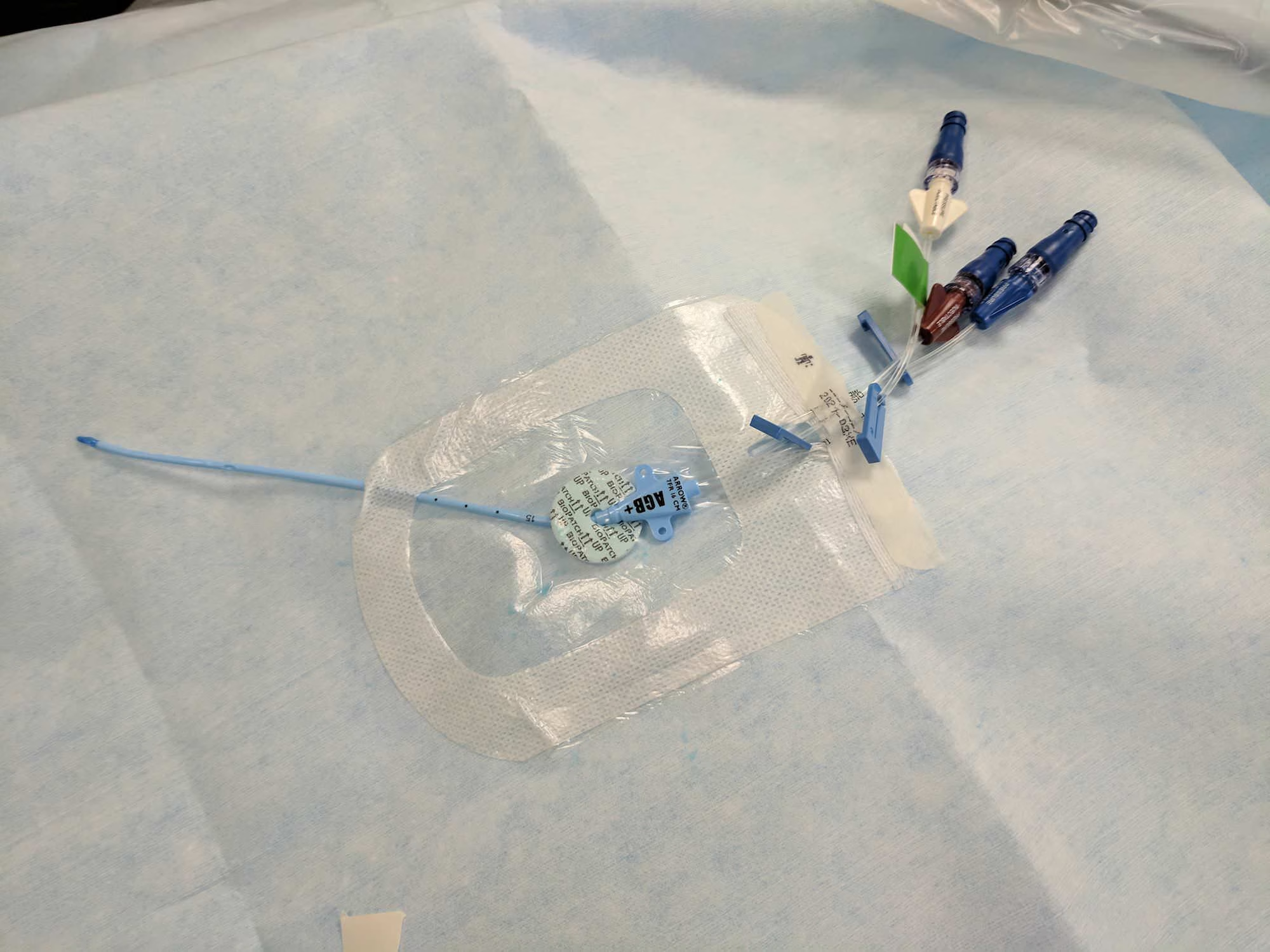
    As a cardiothoracic anesthesiologist and intensivist, my patients have significant comorbidities and have often times had prior instrumentation of their venous systems to place AICD leads, venous stents, temporary pacing wires, etc. This makes it more challenging to place lines that I might need for surgery or with acute decompensation…

    Read More

  • Common Types Of Adult Nasogastric Tubes (NGTs)

    Common Types Of Adult Nasogastric Tubes (NGTs)

    As an anesthesiologist, I’ve placed nasogastric/orogastric tubes (NGTs/OGTs) in patients who will remain intubated post-operatively to decompress the stomach and to provide a short-term enteral route of administration while the patient remains on mechanical ventilation. As an intensivist, I more commonly place NGTs to deliver nutrition (i.e., tube feeds) and…

    Read More

  • Central Line Guidewire Confirmation With TEE

    Central Line Guidewire Confirmation With TEE

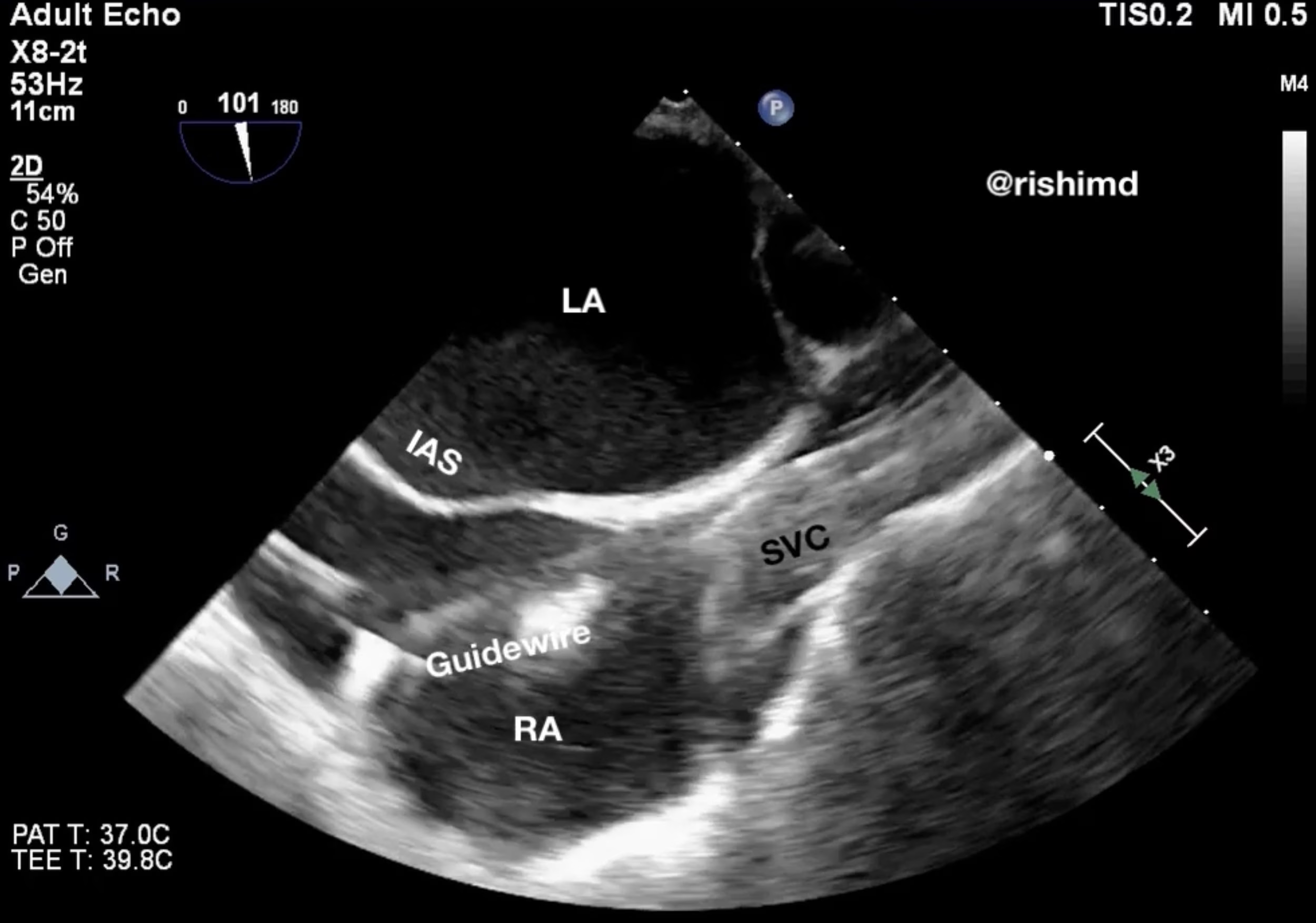
    Whenever my residents/fellows or I place central venous catheters (CVCs) in the operating room for a case involving intraoperative transesophageal echocardiography (TEE), I always place the TEE probe beforehand. I obtain a midesophageal bicaval view looking for preexisting hardware in the patient’s right atrium (RA), such as ICD wires, PICC…

    Read More

  • Univent Endotracheal Tube (ETT)

    Univent Endotracheal Tube (ETT)

    Although double-lumen endotracheal tubes (ETTs) remain the gold standard for lung isolation for lateralized pulmonary hemorrhage/infection, massive bronchopleural fistulas, or facilitating certain surgeries, my trainees need to understand ALL the available options they have when it comes to airway management.

    Read More

  • Trainee Frustration With Learning New Procedures

    Trainee Frustration With Learning New Procedures

    “I’ve only successfully intubated 50% of the time. I blow my peripheral IVs. I get blood flash on my arterial lines, but I can’t thread a wire. I bent the guidewire placing a central line. I feel like I’m so far behind my classmates!” Dear colleague, I hear you… and…

    Read More

  • Tying One-Handed Surgical Knots
  • How Chest Tube Drainage Systems Work

    How Chest Tube Drainage Systems Work

    Although small amounts of air and fluid in the pleural space are generally well tolerated, pneumothorax, hemothorax, chylothorax, etc., necessitate chest tube placement. Smaller bore tubes can often be utilized and placed more apically for large air collections as air rises. Viscous fluid collections (complicated effusions, hemothorax, empyema, etc.) often…

    Read More

  • Laryngoscope Bite Block Guard

    Laryngoscope Bite Block Guard

    Dental injury is a risk of laryngoscopy – a procedure where the larynx is visualized usually with the intention of inserting an endotracheal tube. Laryngoscopes like the curved Mac blade and straight Miller blade are traditionally utilized to perform this task. In the modern era, more facilities have video laryngoscopes,…

    Read More