• Lymphangiography

    Lymphangiography

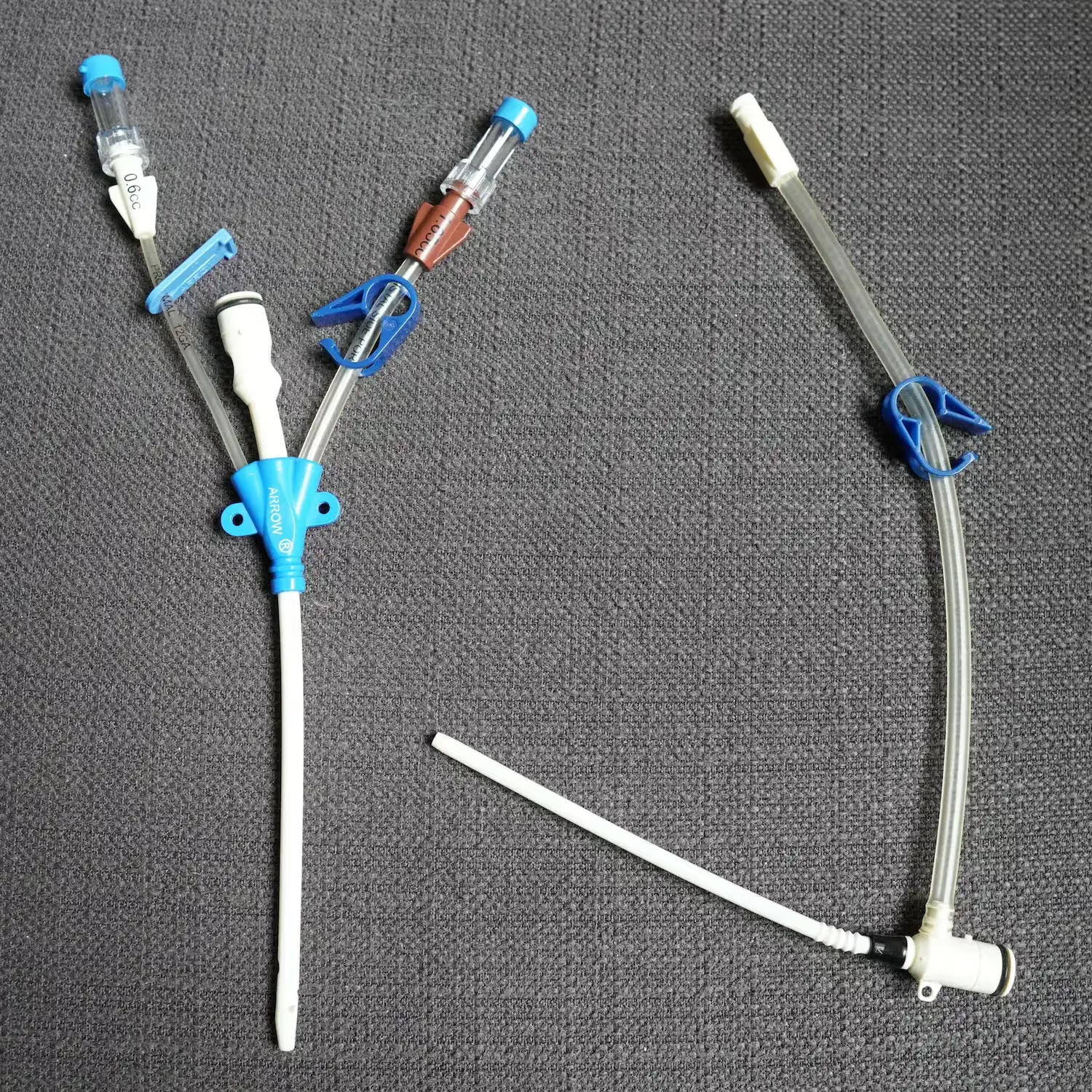
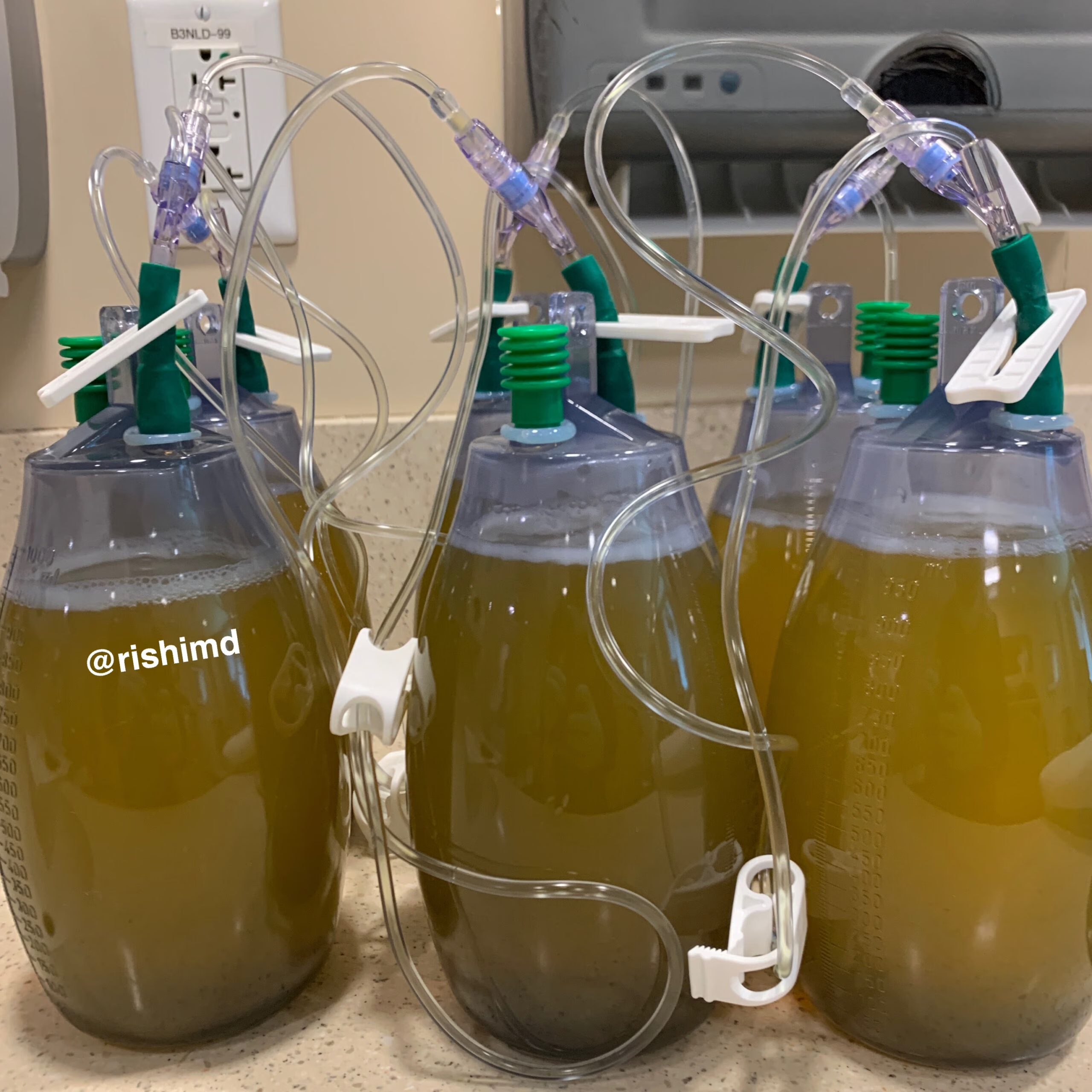
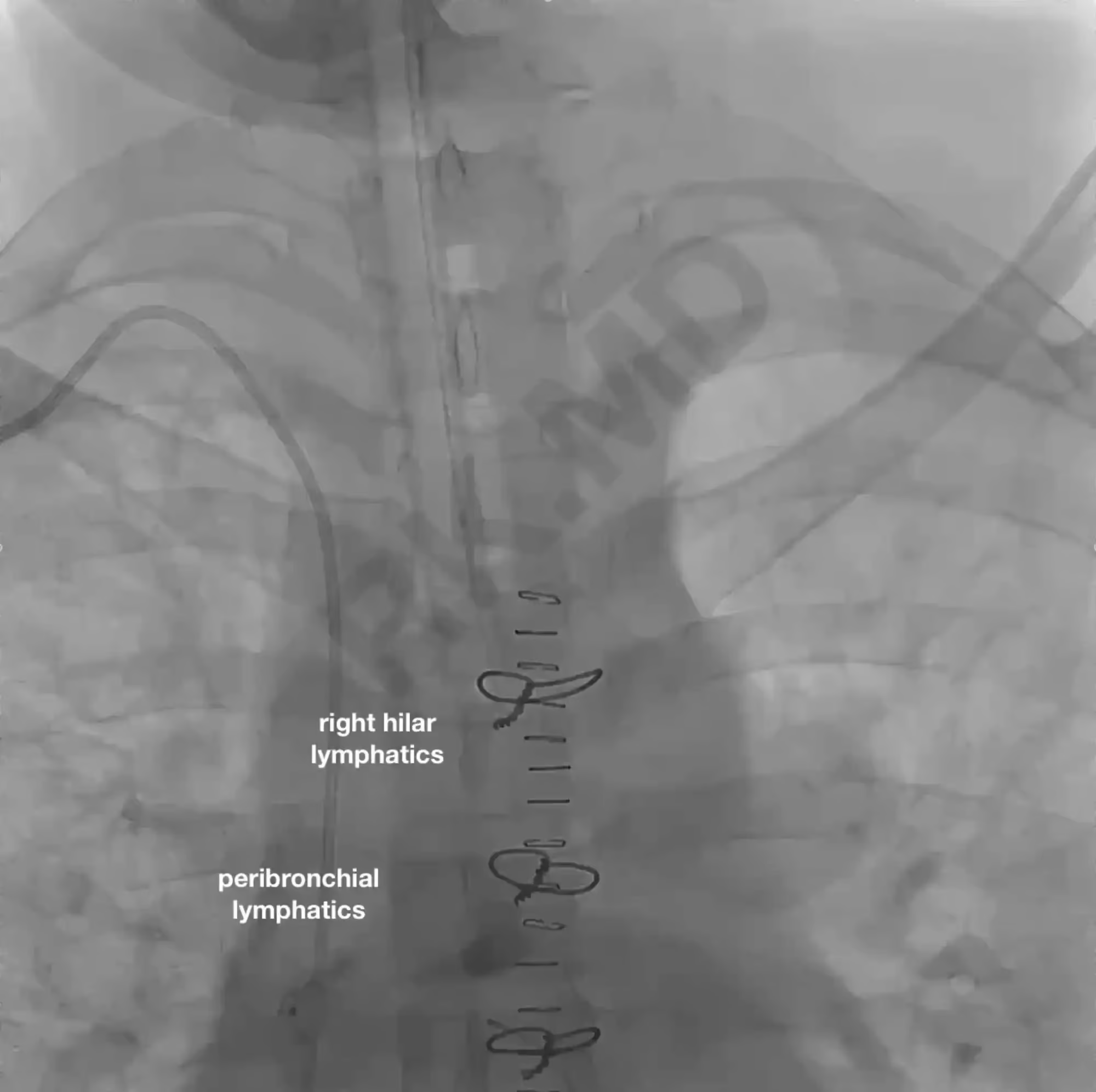
    A lymphangiogram is an imaging study performed to visualize the lymphatic system, which plays a crucial role in immune function and maintaining fluid balance in the body. This test is often employed when there is suspicion of lymphatic abnormalities, such as lymphedema, chylothorax, or the spread of malignant cancers to…

    Read More

  • Lumbar Puncture

    Lumbar Puncture

    Lumbar puncture (LP) is a bedside procedure I occasionally do as an intensivist to obtain a sample of cerebrospinal fluid (CSF) surrounding the spinal cord and brain. CSF analysis can help diagnose central nervous system pathologies like infections, autoimmune disorders, malignancy, etc. Pictured is the Safe-T PLUS Adult Lumbar Puncture…

    Read More

  • Right Upper Lobe Bronchoscopy

    Right Upper Lobe Bronchoscopy

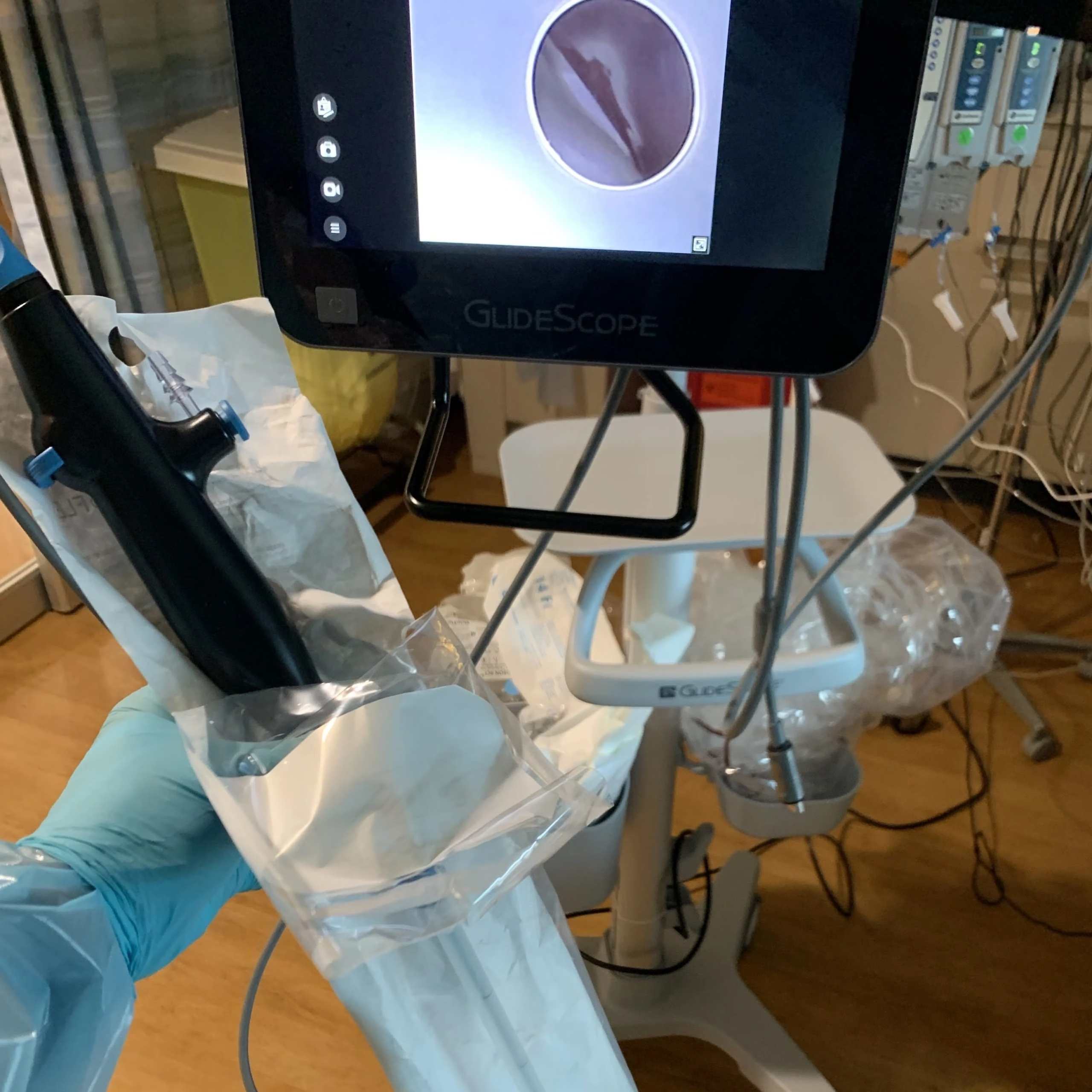
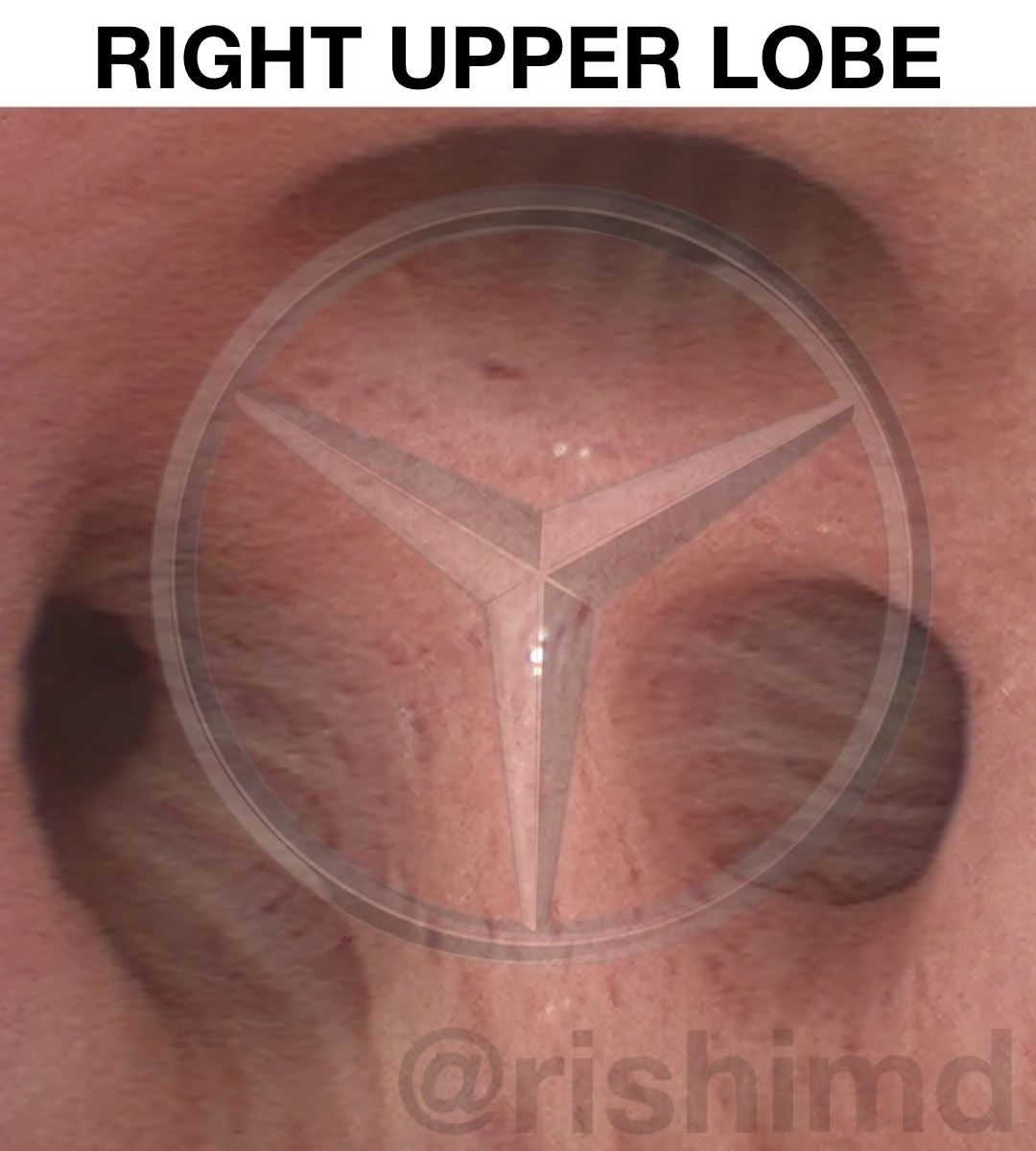
    As an intensivist and cardiothoracic anesthesiologist, bronchoscopy is an incredibly common procedure I perform in the ICU (from in front of the patient) and OR (from behind the patient). A small camera on the end of a flexible tube is sent down an indwelling endotracheal or tracheostomy tube to visualize…

    Read More

  • Surgicel

    Surgicel

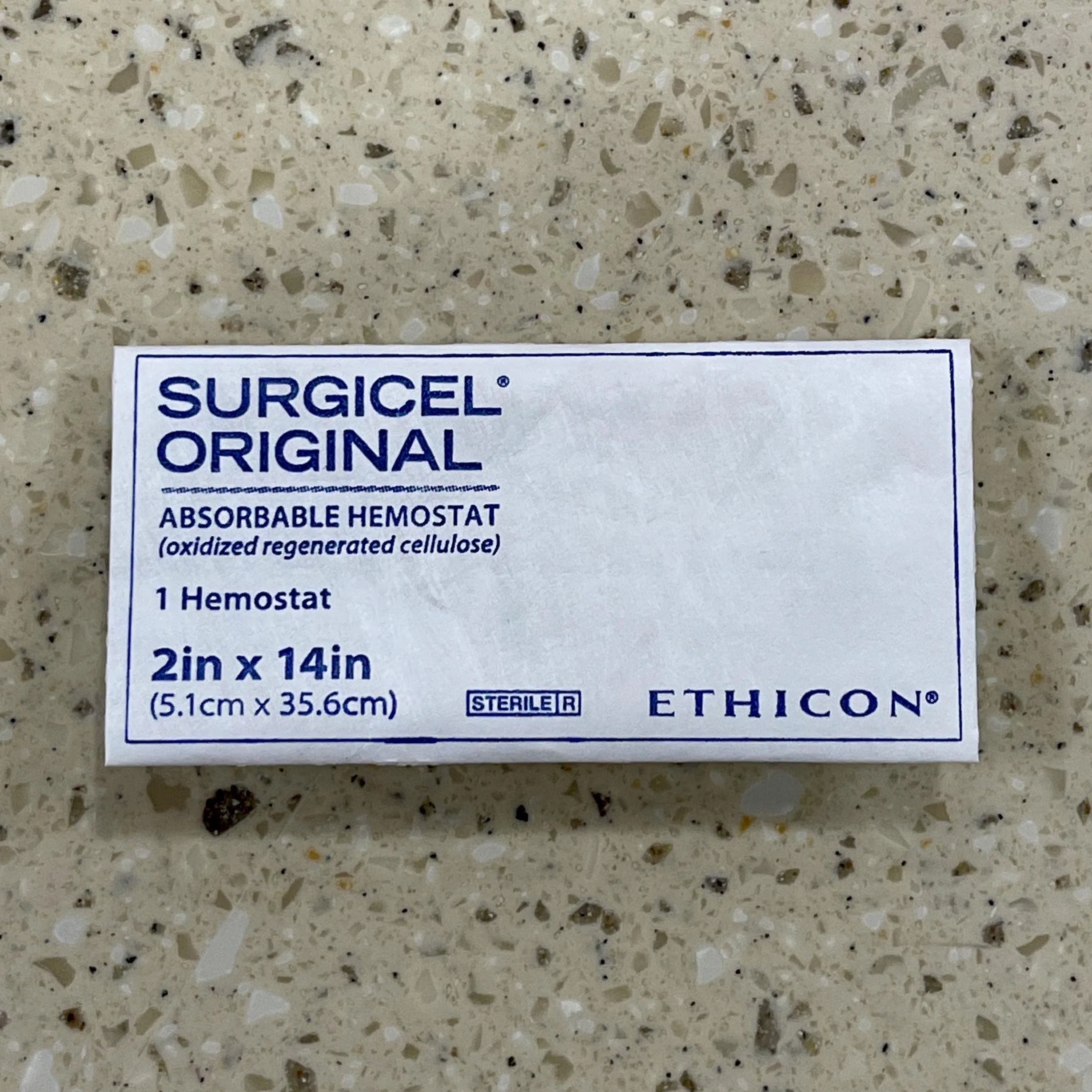
    Surgicel is an oxidized cellulose hemostatic agent used to control bleeding. It creates a physical barrier to blood loss while promoting localized vasoconstriction and platelet aggregation within the matrix of fibers. Furthermore, due to a localized drop in pH (acidosis), Surgicel provides some degree of bactericidal activity.

    Read More

  • Bronchoscopy Procedure Note Template

    Bronchoscopy Procedure Note Template

    Here’s a sample of my bronchoscopy note template in case anyone is interested in creating a “smart phrase” in their electronic health record. The “< >” indicates pre-populated drop down menus with the listed options.

    Read More

  • Subclavian Central Line Pneumothorax

    Subclavian Central Line Pneumothorax

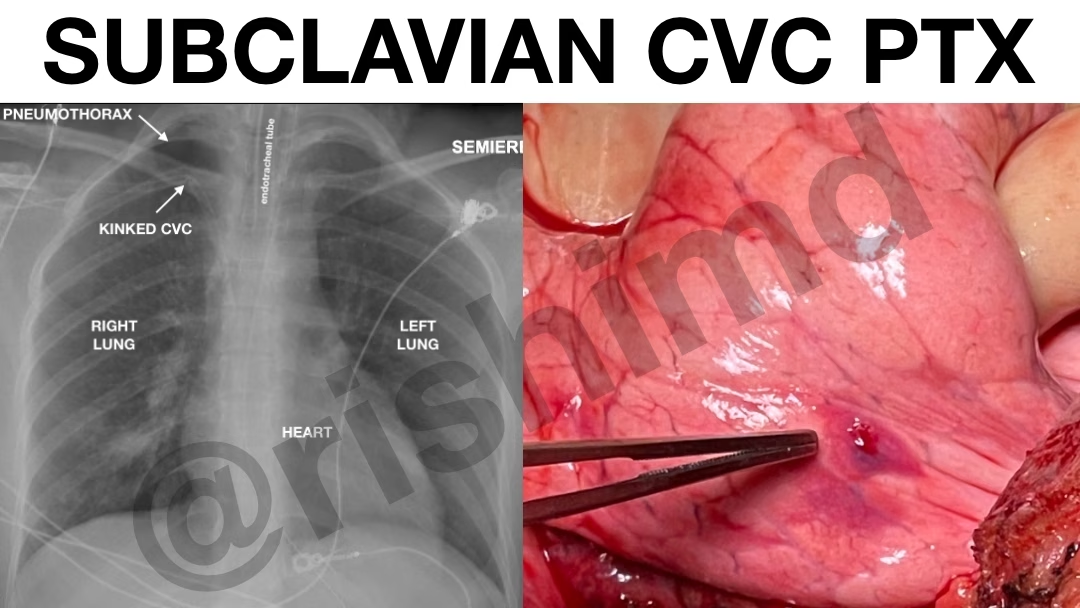
    Compared to internal jugular and femoral central venous catheters (CVCs), I prefer placing subclavian CVCs because they don’t tether patients’ necks, they’re easy to access, they’re easy to dress, and they’re in a part of the body that doesn’t “bend.” Subclavian vein cannulation is similar to epidural catheter placement in…

    Read More

  • Percutaneous Tracheostomy

    Percutaneous Tracheostomy

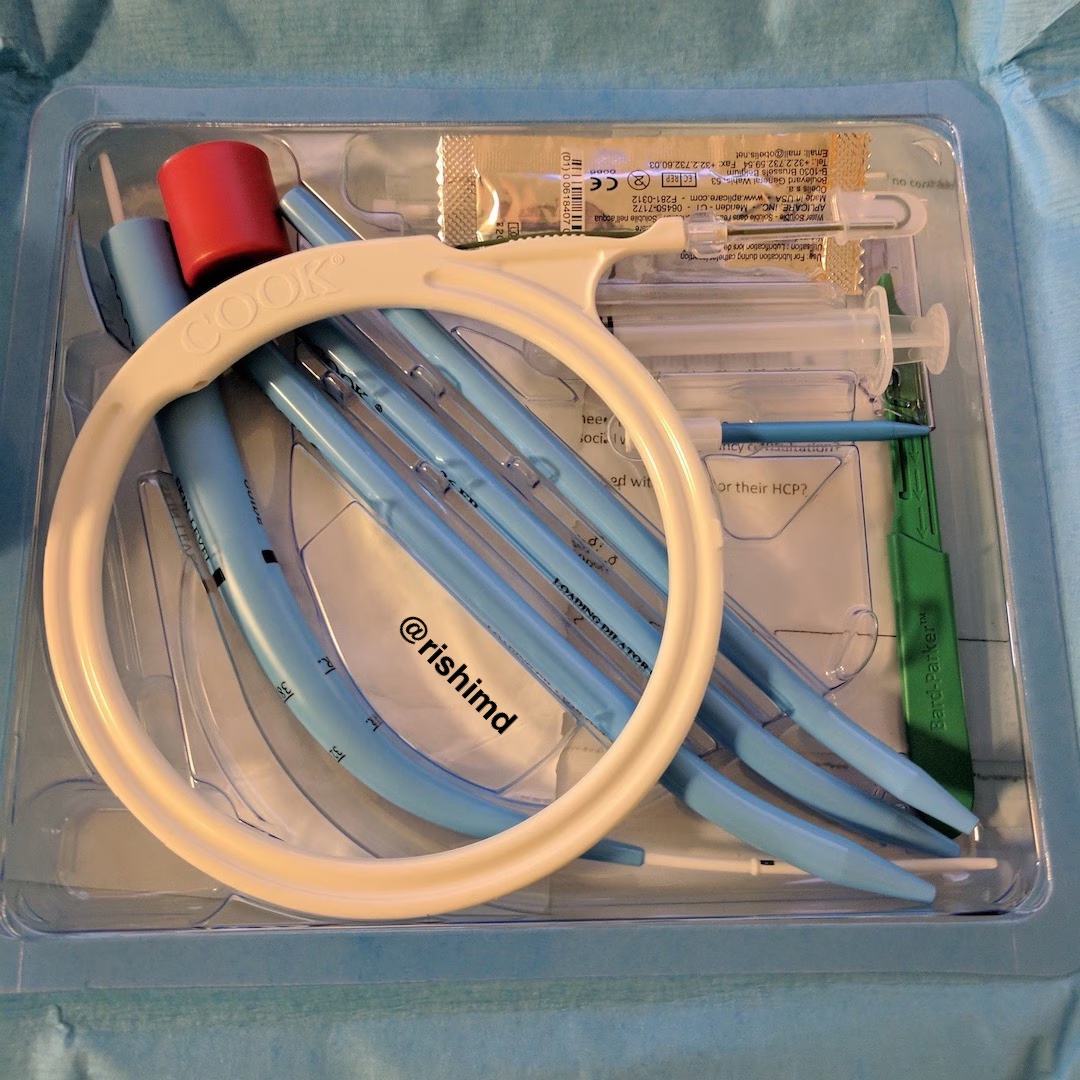
    Percutaneous tracheostomy (“perc trach”) is a procedure that is routinely performed at the bedside on patients who require prolonged mechanical ventilation or airway control due to an upper airway obstruction or for pulmonary hygiene. This technique is contraindicated in emergent situations, nonintubated patients, pediatrics, and in patients with midline masses.…

    Read More

  • MAC, Cordis, Sheath Introducer – What’s The Difference?

    MAC, Cordis, Sheath Introducer – What’s The Difference?

    As a cardiothoracic anesthesiologist and intensivist, I routinely place large central lines for resuscitation, vasoactive/inotrope administration, and to facilitate additional monitoring (e.g., Swan Ganz catheter). Over the years, I’ve heard “MAC,” “sheath introducer,” “Cordis,” etc., used interchangeably but incorrectly. Let’s break these terms down!

    Read More

  • Large Volume Paracentesis

    Large Volume Paracentesis

    Paracentesis is a procedure performed to remove new ascites in the context of fever, abdominal pain, worsening renal function, and acidosis usually in patients with decompensated cirrhosis. I use a standard paracentesis kit and a “Z-tracking” approach with my needle so the soft tissue and abdominal wall “seal off” the…

    Read More

  • Post Dural Puncture Headache (PDPH)

    Post Dural Puncture Headache (PDPH)

    Post dural puncture headache (PDPH) is a potential complication following neuraxial procedures when the dura is punctured and entry into the subarachnoid space permits drainage of cerebrospinal fluid (CSF). In the case of lumbar punctures (LP) and lumbar drains, this is intentional to drain CSF and measure intraspinal pressure. In…

    Read More