Tips For Placing Radial Arterial Lines
Over the course of my training, I’ve placed countless radial arterial lines. In this video, I’ll share some of the tips I learned along the way! :-)

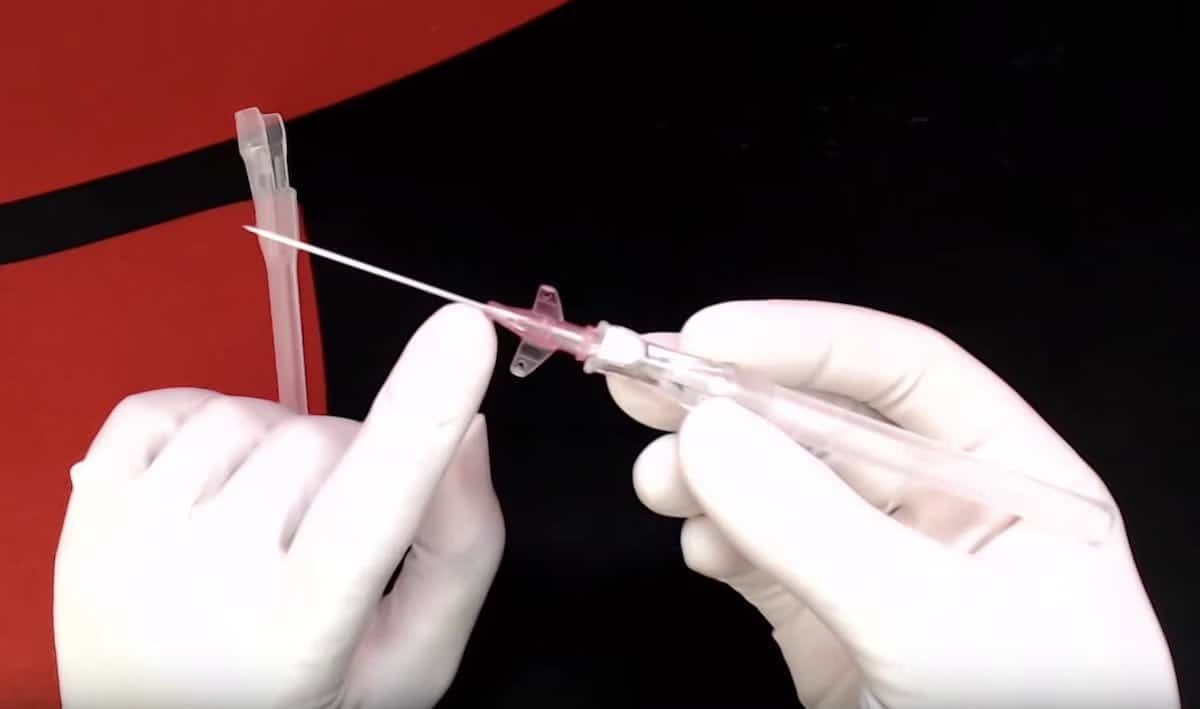
Over the course of my training, I’ve placed countless radial arterial lines. In this video, I’ll share some of the tips I learned along the way! :-)

Double lumen endotracheal tubes (DLTs) are considered the gold standard for lung isolation – a procedure where we selectively ventilate a single lung or lobe. This is necessary to “protect” healthy lung tissue from hemorrhage or infection, isolate a bronchopleural fistula, perform unilateral lung lavage, or facilitate video-assisted thoracoscopic surgeries.
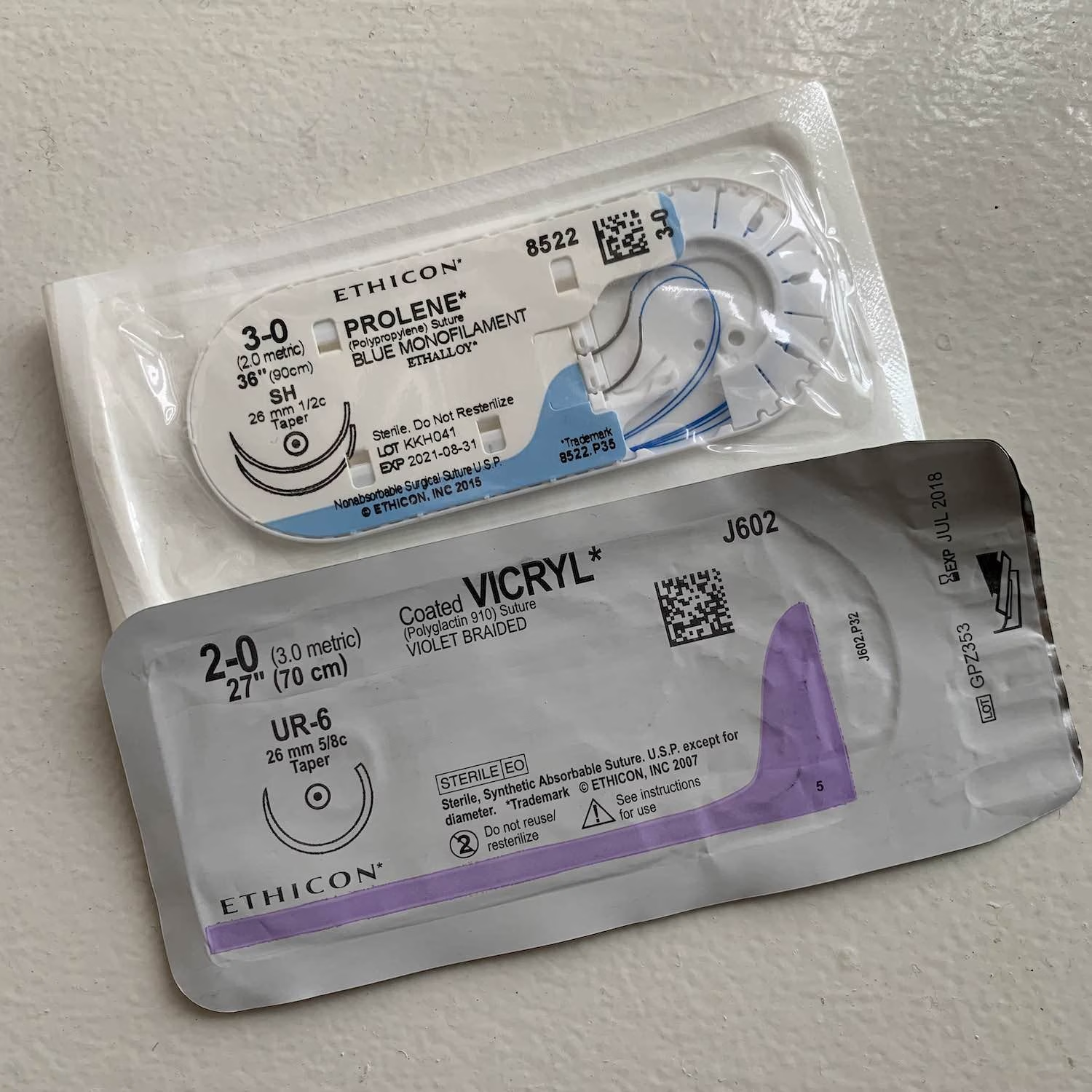
Before learning HOW to stitch tissues or tie knots, one must understand the available options so the right decision can be made for a given clinical situation. Absorbable sutures like PDS, vicryl, and chromic gut are degraded through enzymes or simple hydrolysis over several weeks. In the interim, the body…

Whether it’s a 1.88 inch long 20 gauge peripheral intravenous (PIV) catheter or a 13.5 French Mahurkar dialysis catheter, healthcare workers are exposed to both the “gauge” and “French” unit systems almost every day. As an anesthesiologist and intensivist who places many kinds of catheters, it’s important for me to…
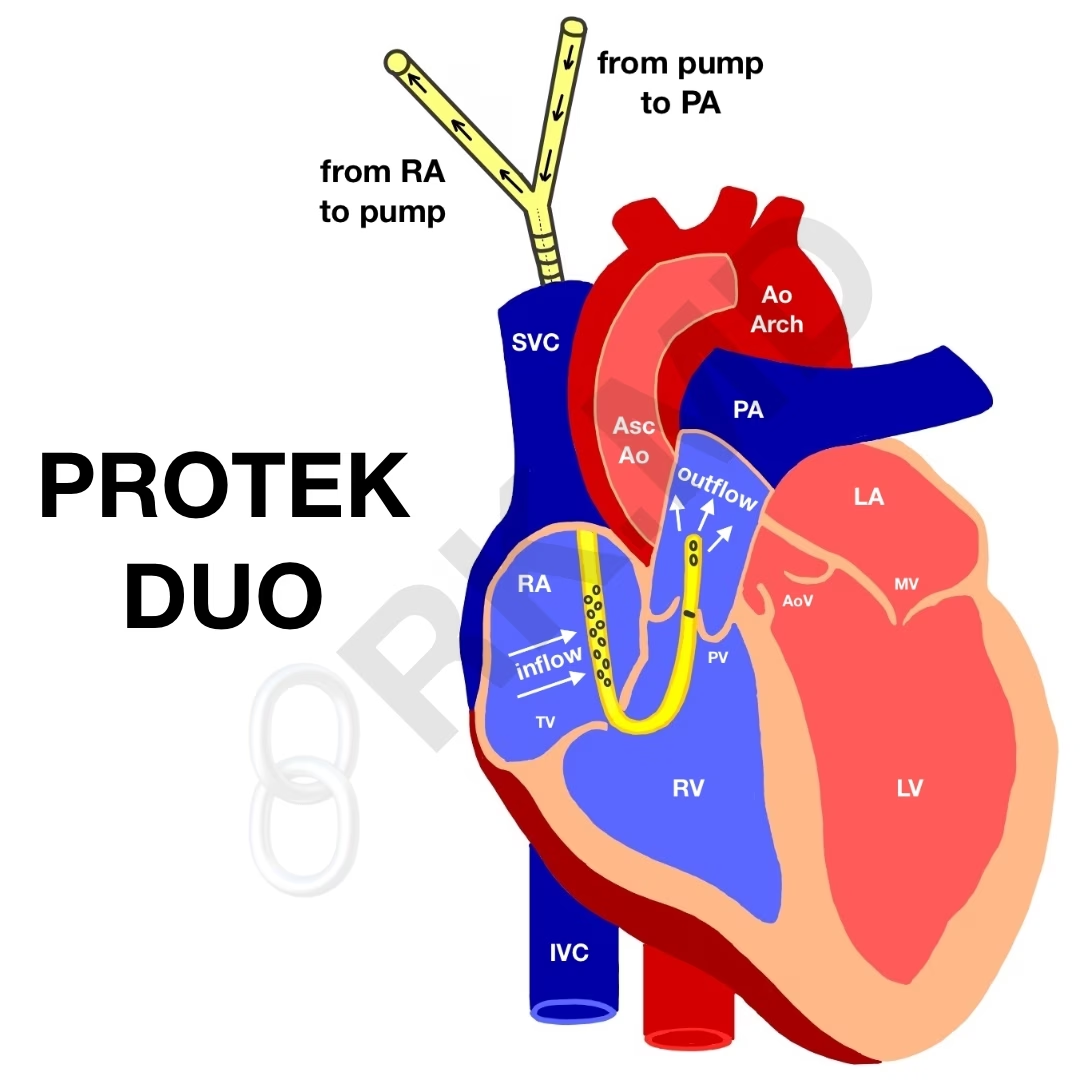
The ProtekDuo veno-venous (V-V) dual lumen cannula provides extracorporeal mechanical circulatory support (MCS) with or without an oxygenator. When combined with a TandemHeart® pump, it can deliver ~4.5 liters/minute of flow by draining blood from the right atrium and returning it to the pulmonary artery (PA). This allows right side…

Reexpansion pulmonary edema (RPE) is a rare but potentially life-threatening condition that occurs when the lung is rapidly expanded following compression due to air (pneumothorax) or fluid (pleural effusion). Although the underlying pathophysiology is poorly understood, it is attributed to increased alveolar-capillary membrane permeability, reperfusion injury, and even surfactant dysfunction.…

In this ultrasound still image, I have a phase array probe positioned on the left side of the body around the 8th rib. A left-sided pleural effusion is noted. It’s important to appreciate this view to look for free fluid in the subphrenic and splenorenal spaces. The green arrow denotes…

The Avalon bicaval catheter has revolutionized venovenous extracorporeal membrane oxygenation (VV-ECMO) by allowing us to place a single catheter that can simultaneously drain venous blood from the central circulation (superior and inferior vena cavas) to deliver oxygenated blood directly into the heart.

Ileus is a common problem we face in the intensive care unit (ICU), and in pursuit of safer enteral nutrition, we are routinely placing small bore feeding tubes (SBFT) past the gastric pylorus. This is especially important in patients with severe GERD, gastrointestinal dysmotility, recurrent emesis, and those at high…

I previously blogged about the “minimums” anesthesiology residents must meet, and thanks to my training at Baylor College of Medicine (BCM), I easily achieved multiples of the requirements. I’m grateful for the opportunity to serve so many incredible patients over the years!