• Break Down Intake And Output (I&Os)

    Break Down Intake And Output (I&Os)

    As a cardiac anesthesiologist and cardiovascular intensivist, I routinely care for perioperative cardiac surgery patients in my OR and ICU practices. If I were to look at the “I&Os” (intake and output) to estimate how “net positive” a patient is for their hospital admission without breaking down the types of…

    Read More

  • Fluorescein

    Fluorescein

    Fluorescein is a dye that is used in a variety of medical and scientific applications. For example, it is often used as a diagnostic tool to help identify and treat eye conditions and visualize blood flow in the body. In the eye, fluorescein detects and diagnoses conditions such as corneal…

    Read More

  • Off-Pump Coronary Artery Bypass Grafting (OPCABG)

    Off-Pump Coronary Artery Bypass Grafting (OPCABG)

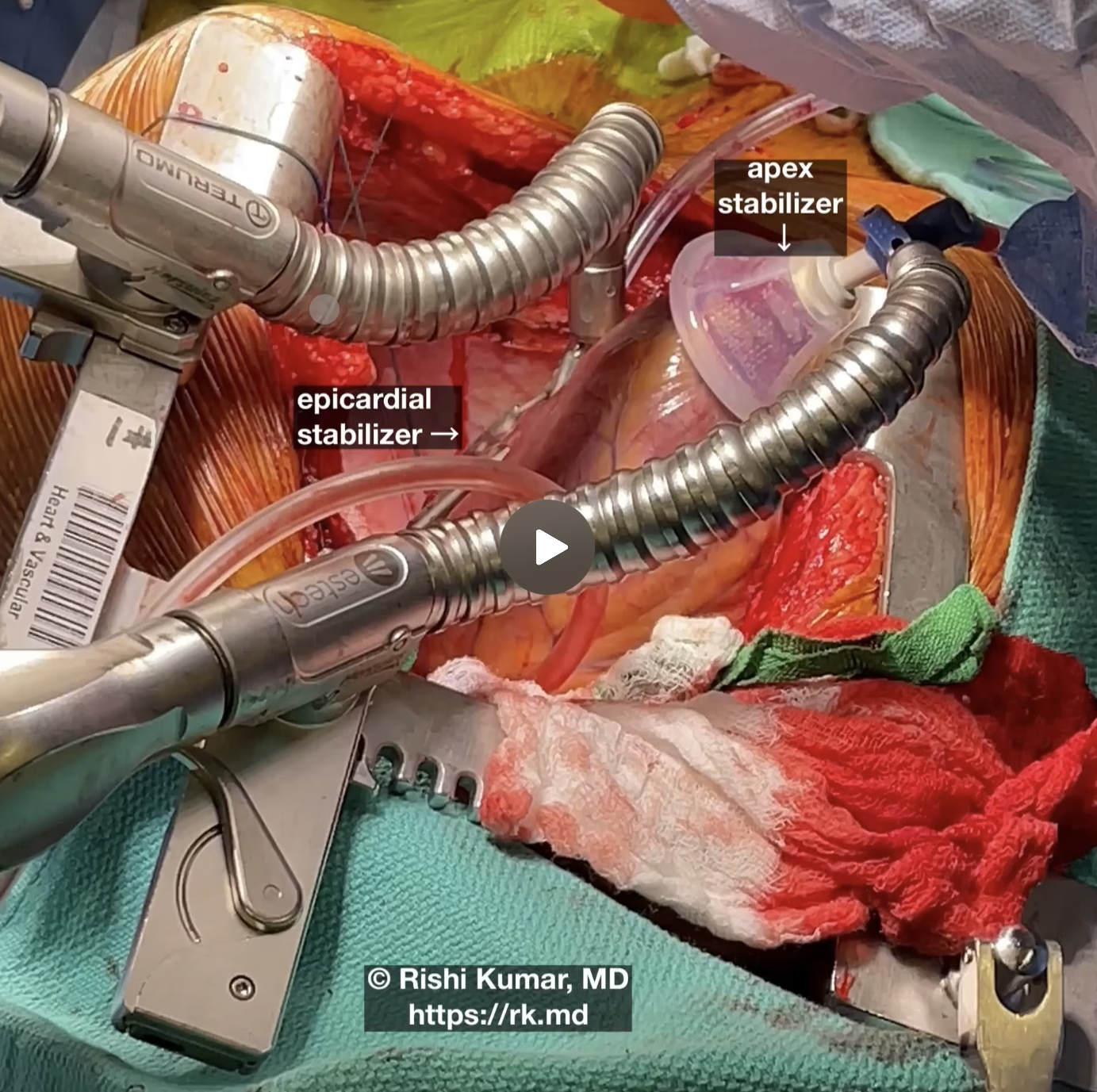
    Off-pump coronary artery bypass grafting (OPCABG) is a surgical revascularization technique where grafts are anastomosed to coronary arteries to bypass occlusions without using cardiopulmonary bypass. As a result, the typical considerations for “on-pump” CABG (atrial cannulation, aortic cannulation, aortic cross-clamping, cardioplegia, suspension of mechanical ventilation, etc.) are not performed. Instead,…

    Read More

  • Left Ventricular Pseudoaneurysm

    Left Ventricular Pseudoaneurysm

    A left ventricular (LV) pseudoaneurysm is an LV outpouching devoid of myocardium/endocardium contained by the pericardium and adhesions. As one can imagine, this pathology carries a high risk of rupture and mortality. LV pseudoaneurysms are most commonly linked to myocardial infarction (inferior > anterior) but can also follow open-heart surgery…

    Read More

  • What Is Cell Saver?

    What Is Cell Saver?

    As a cardiothoracic anesthesiologist, hemostasis, coagulopathy, and blood salvation are important considerations in the operations I’m involved with. Cell Saver is one technique our perfusion team routinely utilizes to facilitate blood conservation. Blood loss on the surgical field is collected, run through a filter, washed, and returned to the patient…

    Read More

  • Cabrol Shunt

    Cabrol Shunt

    The Cabrol shunt is a technique for controlling bleeding around the aortic root following aortic valve or root manipulation. When conventional methods like additional suturing, correction of any coagulopathy, and localized hemostatic agents have failed, a pouch can be constructed around the aortic root using pericardium or graft material to…

    Read More

  • Surgicel

    Surgicel

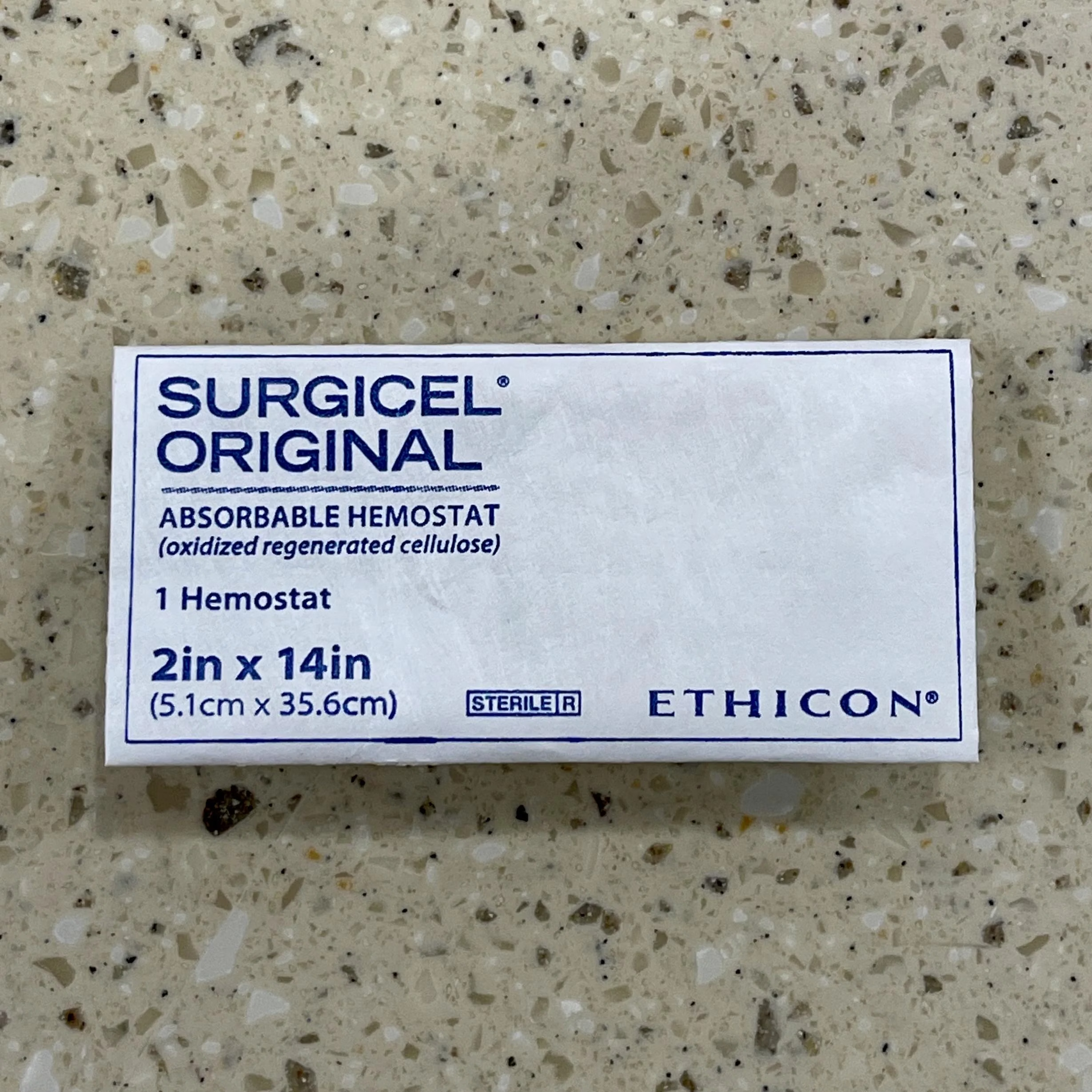
    Surgicel is an oxidized cellulose hemostatic agent used to control bleeding. It creates a physical barrier to blood loss while promoting localized vasoconstriction and platelet aggregation within the matrix of fibers. Furthermore, due to a localized drop in pH (acidosis), Surgicel provides some degree of bactericidal activity.

    Read More

  • RK.MD Mechanical Circulatory Support (MCS) Reference Sheet
  • Retrograde Cerebral Perfusion (RCP)

    Retrograde Cerebral Perfusion (RCP)

    Retrograde cerebral perfusion (RCP) is a neuroprotective technique originally described in the early 1990s to deliver cold, oxygenated blood via the cardiopulmonary bypass (CPB) circuit to the cerebral vasculature by way of the superior vena cava (SVC) during deep hypothermic circulatory arrest (DHCA) typically utilized for aortic surgery involving the…

    Read More

  • Betadine

    Betadine

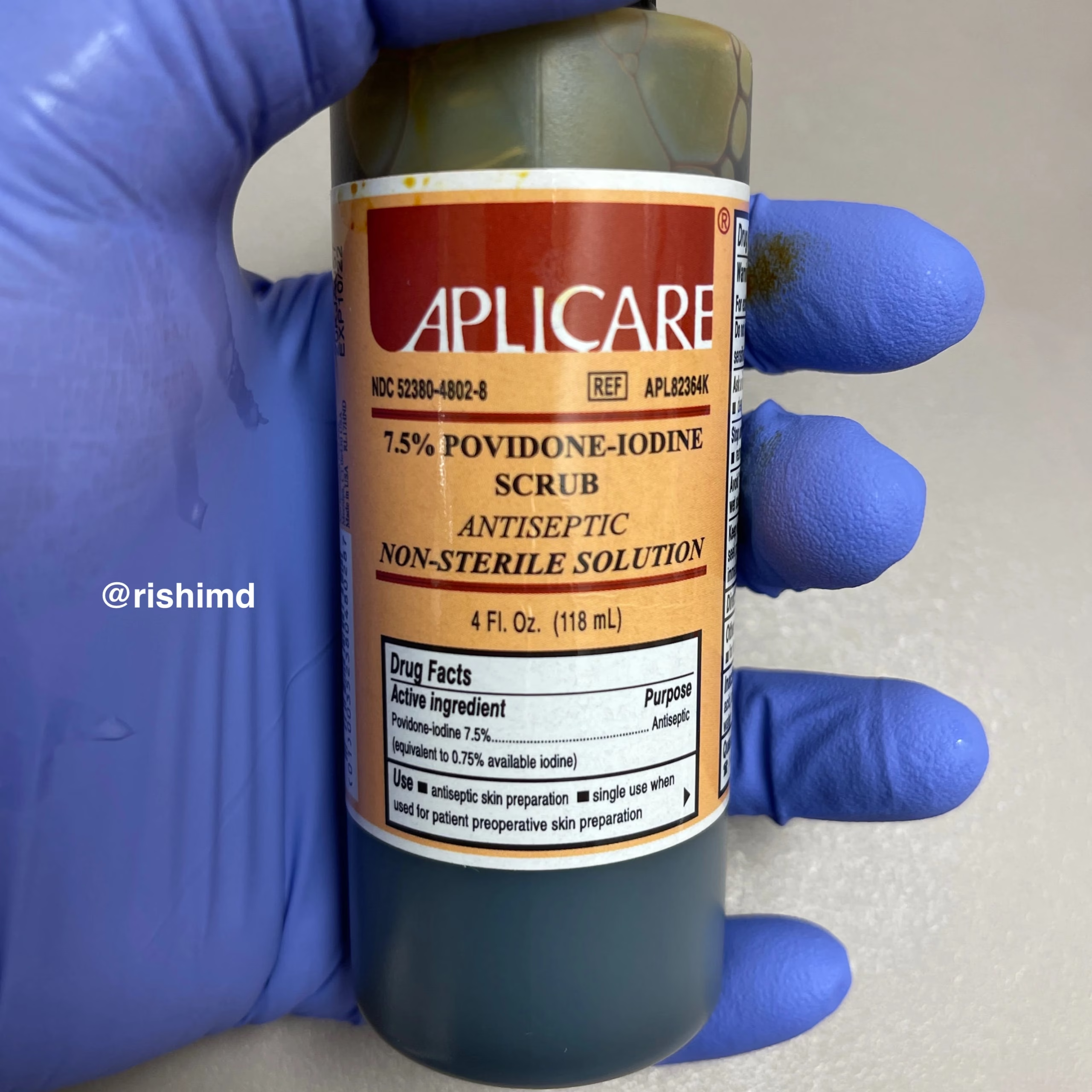
    Povidone-iodine (Betadine) is a topical antiseptic I use for patients with allergies/sensitivities to chlorhexidine before invasive procedures (chest tubes, lumbar drains, central lines, etc.) in the ICU and OR settings. During emergent cardiac surgeries, sometimes all we have time for is a “Betadine splash” before performing life-saving interventions.

    Read More