• Total Pneumonectomy

    Total Pneumonectomy

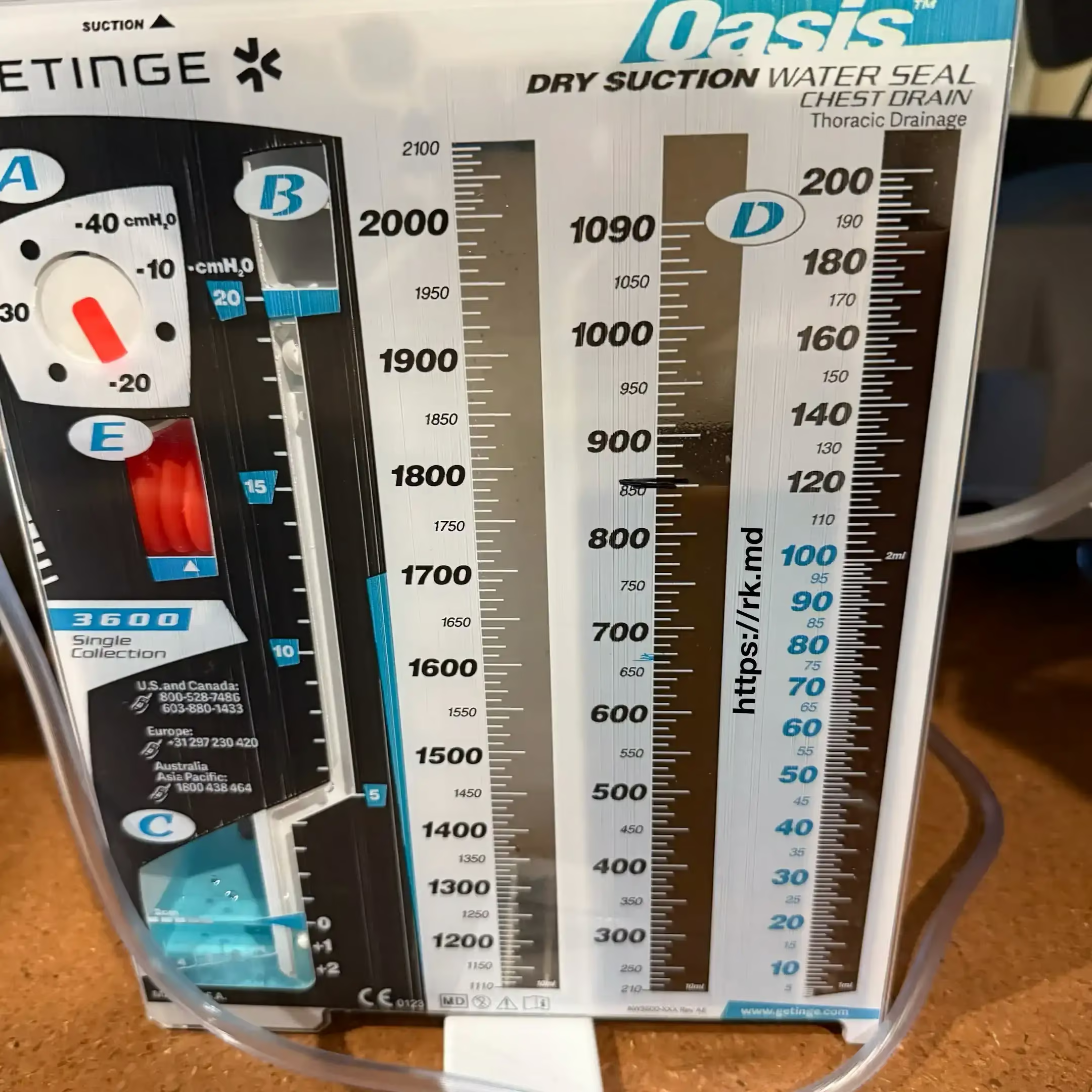
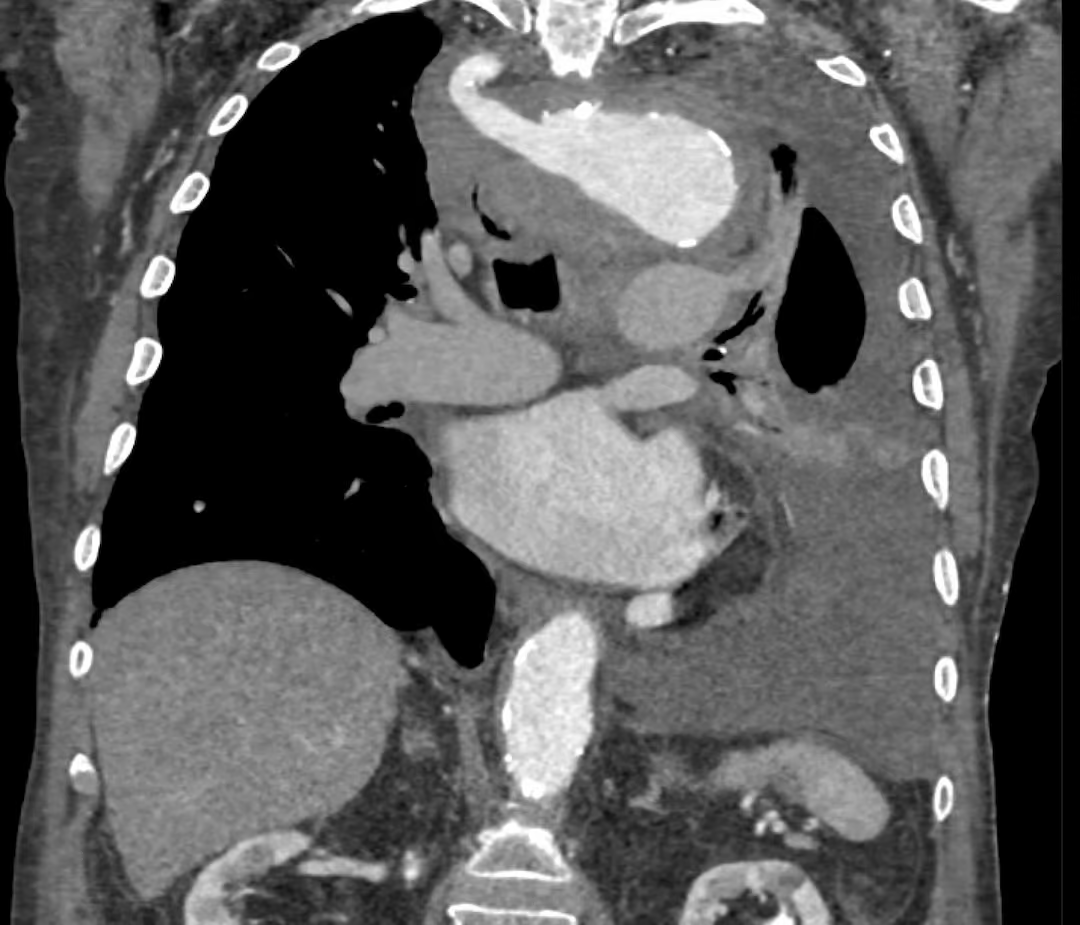
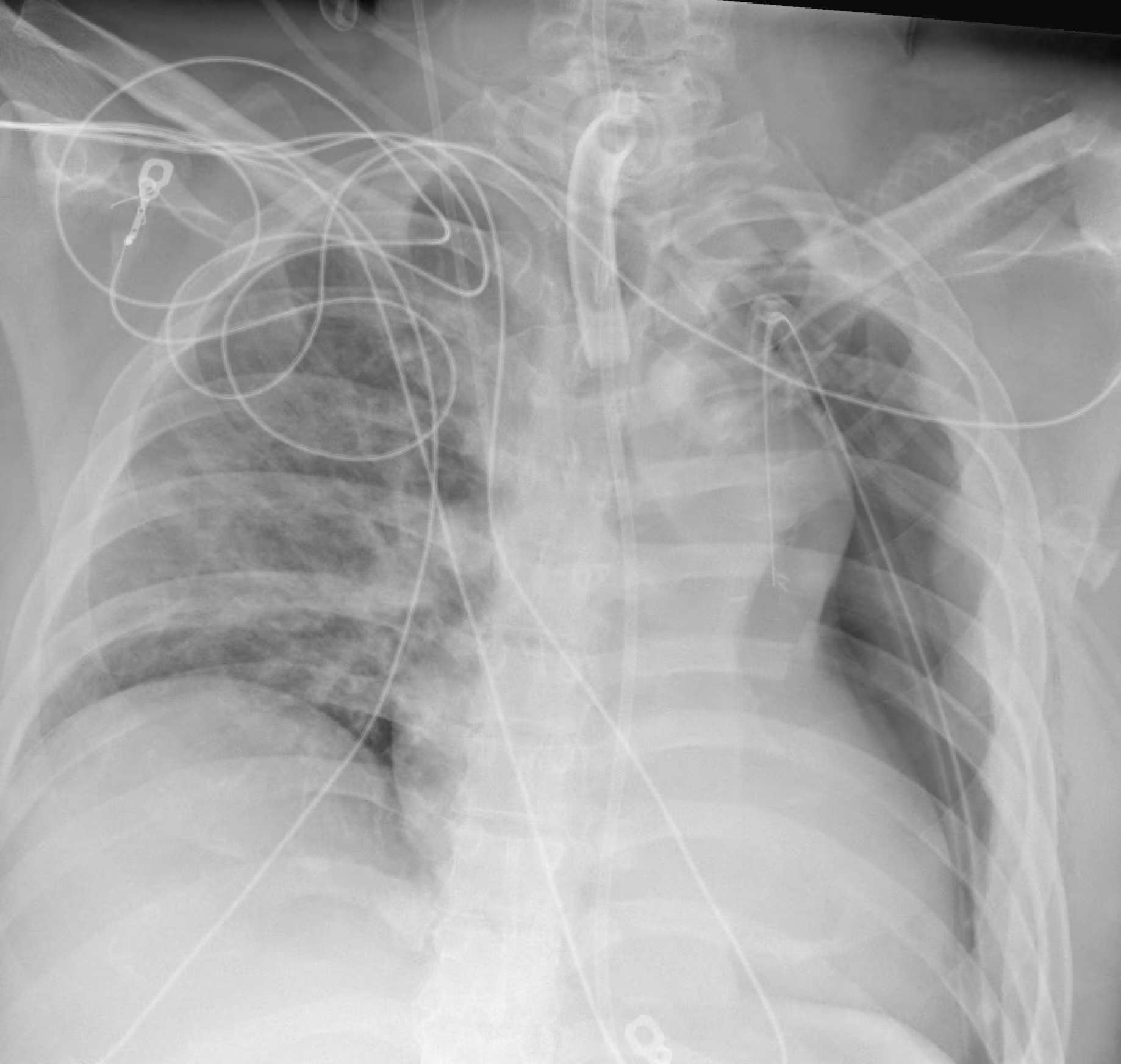
    Total pneumonectomy (removal of the entire lung) is most commonly performed for centrally located lung cancer when sleeve resection or lung-sparing surgery is not feasible. Less common indications include severe bronchiectasis, invasive infection, massive hemoptysis, or traumatic destruction of the lung. Unlike lobectomy, pneumonectomy abruptly removes half of the pulmonary…
    Read More

  • Frozen Elephant Trunk

    Frozen Elephant Trunk

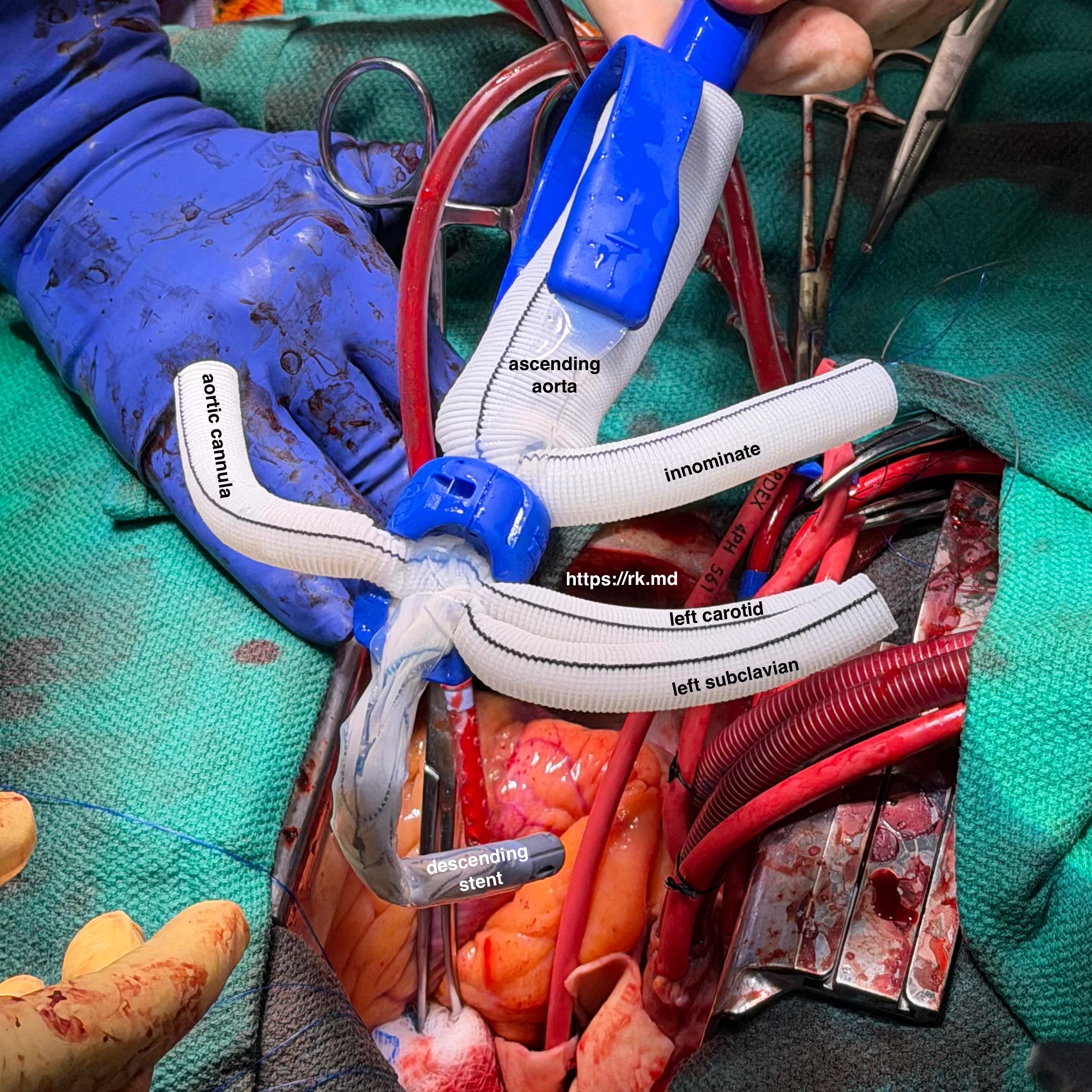
    In patients with extensive disease involving the aortic arch and proximal descending thoracic aorta, a frozen elephant trunk (FET) extends the repair distally by combining an open surgical ascending/transverse aortic arch replacement with deployment of a stented graft into the descending thoracic aorta. This gives my surgical colleagues a way…

    Read More

  • STS Short-Term Operative Risk Scoring System

    STS Short-Term Operative Risk Scoring System

    As with any procedure, cardiac surgery carries risks that are explained to patients by their surgical team. The Society of Thoracic Surgeons Short-Term Operative Risk Calculator provides clinicians with a way to anchor these discussions. It uses data from hundreds of thousands of cardiac operations to estimate the chance of…

    Read More

  • Gerbode Defect

    Gerbode Defect

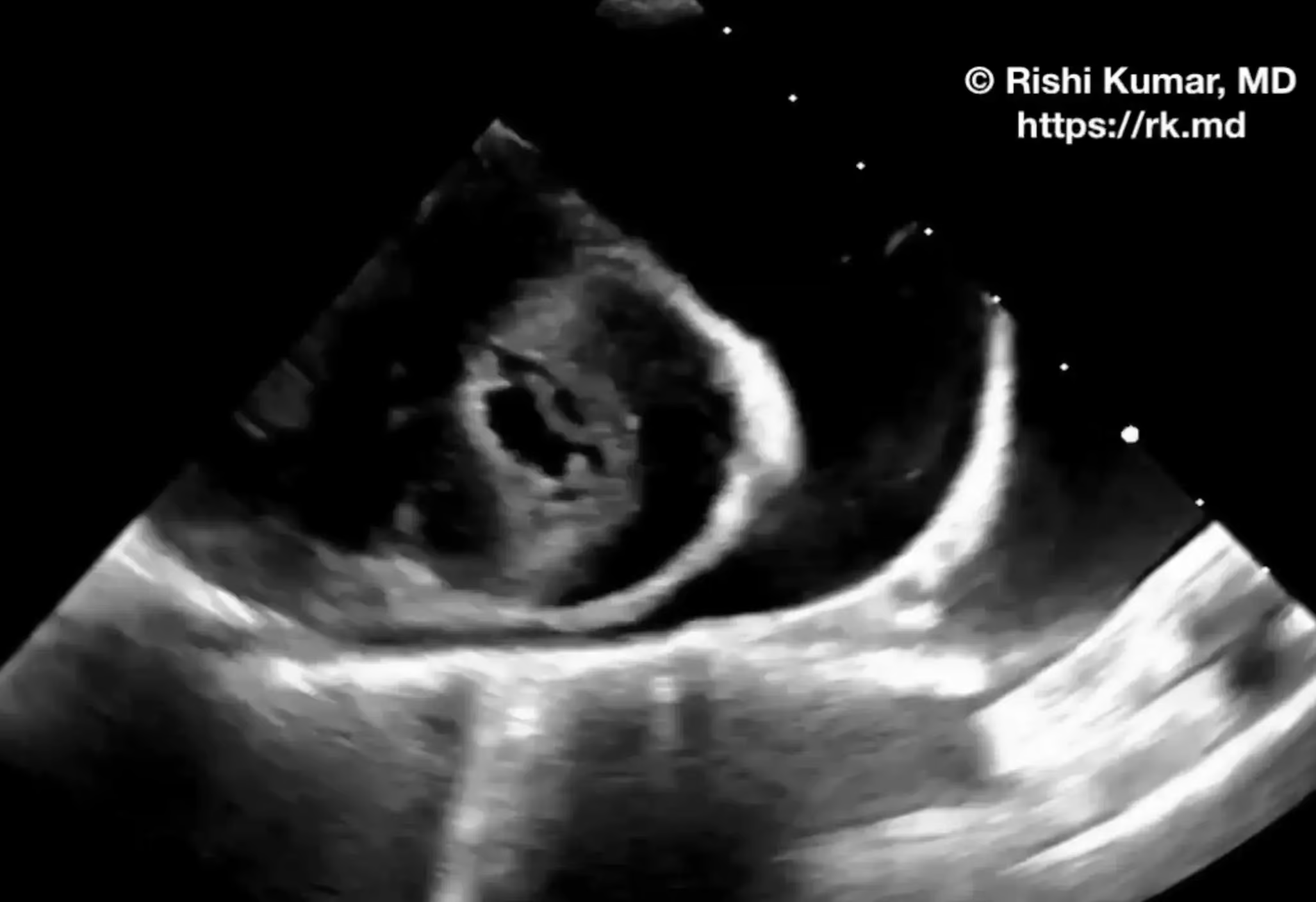
    Gerbode defects create an abnormal communication between the high-pressure left ventricle (LV) and the right atrium (RA), thereby completely bypassing the right ventricle. That pathway sets up a distinctive left-to-right shunt with hemodynamics that can be subtle or profoundly destabilizing, depending on the size of the communication and the clinical…

    Read More

  • Boerhaave Syndrome

    Boerhaave Syndrome

    Boerhaave syndrome, first described by the Dutch physician Hermann Boerhaave in 1724, is a life-threatening condition involving spontaneous esophageal perforation from a sudden, forceful increase in intraesophageal pressure against a closed glottis (e.g., intense vomiting, retching, or straining). The most common perforation site is the esophagus’s distal third, particularly along…

    Read More

  • Pericardial Window

    Pericardial Window

    A pericardial window is a surgical procedure designed to relieve pressure caused by fluid accumulation around the heart, known as pericardial effusion. This fluid can lead to cardiac tamponade, a life-threatening condition where the heart’s ability to fill and maintain a cardiac output is jeopardized. Compared to a pericardiocentesis, where a needle is…

    Read More

  • Kommerell Diverticulum

    Kommerell Diverticulum

    Kommerell diverticulum (KD) is a rare vascular anomaly typically involving a right-sided aortic arch with an aberrant left subclavian artery. However, variations like a left-sided arch with an aberrant right subclavian artery exist. This condition results from the persistence of an embryonic vascular remnant – the dorsal segment of an…

    Read More

  • Left Atrial Appendage Ligation

    Left Atrial Appendage Ligation

    The left atrial appendage (LAA) is a small pouch located within the pericardium close to the left ventricular free wall and in continuity with the upper body of the left atrium (LA). Due to its compliance and anatomic location, it serves as a decompression chamber when the LA pressure is…

    Read More

  • Tracheoinnominate Fistula

    Tracheoinnominate Fistula

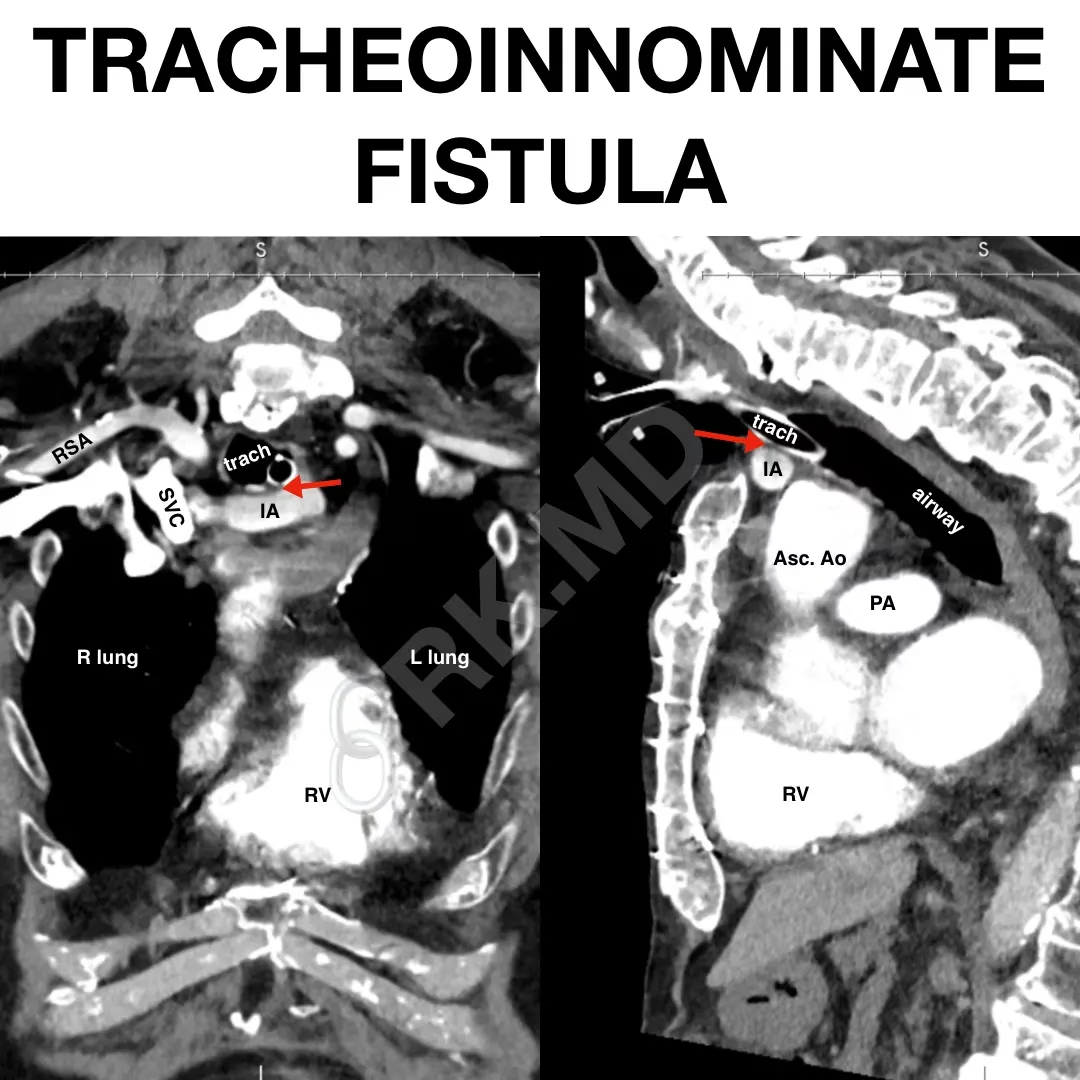
    Tracheoinnominate fistulas (TIFs) are rare (0.1 – 1% incidence) but potentially life-threatening complications of tracheostomy. A TIF occurs when communication forms between the trachea and the innominate (“brachiocephalic”) artery leading to potentially fatal bleeding and airway compromise. Patients at higher risk for TIFs include those who require prolonged mechanical ventilation,…

    Read More

  • Bentall Procedure

    Bentall Procedure

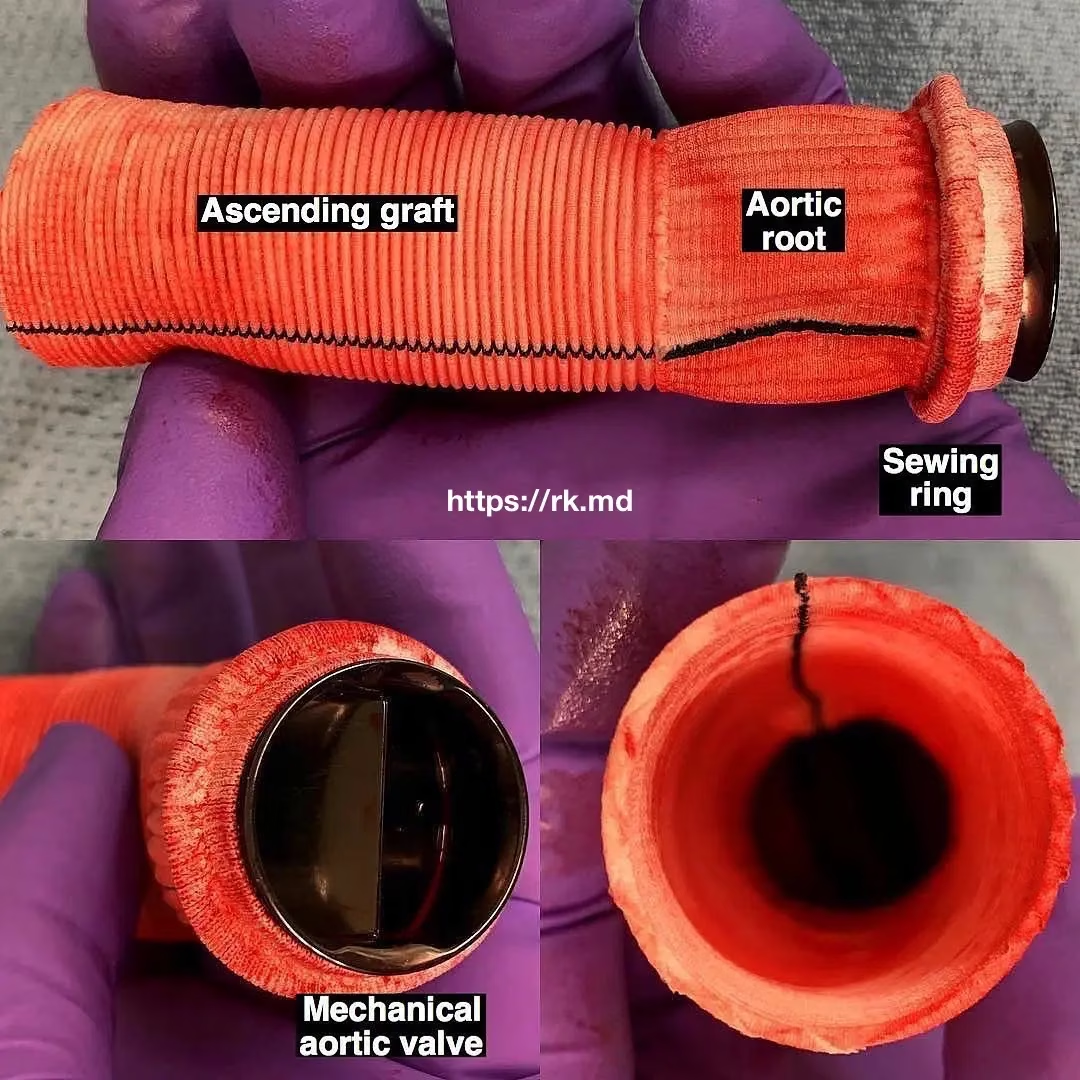
    Bentall procedure is a complex surgical procedure that involves the replacement of the aortic valve, ascending aorta, and aortic root with a prosthetic valve conduit. This procedure commonly treats patients with aortic aneurysms, aortic dissection, or aortic valve disease. The Bentall procedure was first introduced in 1968 by Dr. Hugh…

    Read More