Looking Back At 2019
2019 marked the bookend to my formal medical training, as I completed my fellowship in cardiothoracic anesthesiology, took my first vacation in over a decade, and began my job as an attending back home in Houston.


2019 marked the bookend to my formal medical training, as I completed my fellowship in cardiothoracic anesthesiology, took my first vacation in over a decade, and began my job as an attending back home in Houston.

Understanding mechanical ventilation is a fundamental part of intensive care and perioperative medicine. Here’s an overview of the basics. Keep in mind that clinically, there are many more things to consider, exceptions to rules, hybrid ventilator modes, and other strategies that I will not cover for the sake of maintaining…

Over my 15 years in web development and social media, I’ve seen healthcare colleagues venture into blogging but quickly decide to quit. They had little regard for search engine optimization (SEO), visual design, security, or performance. More egregiously, they posted content that violated patient privacy. Although many of these points…
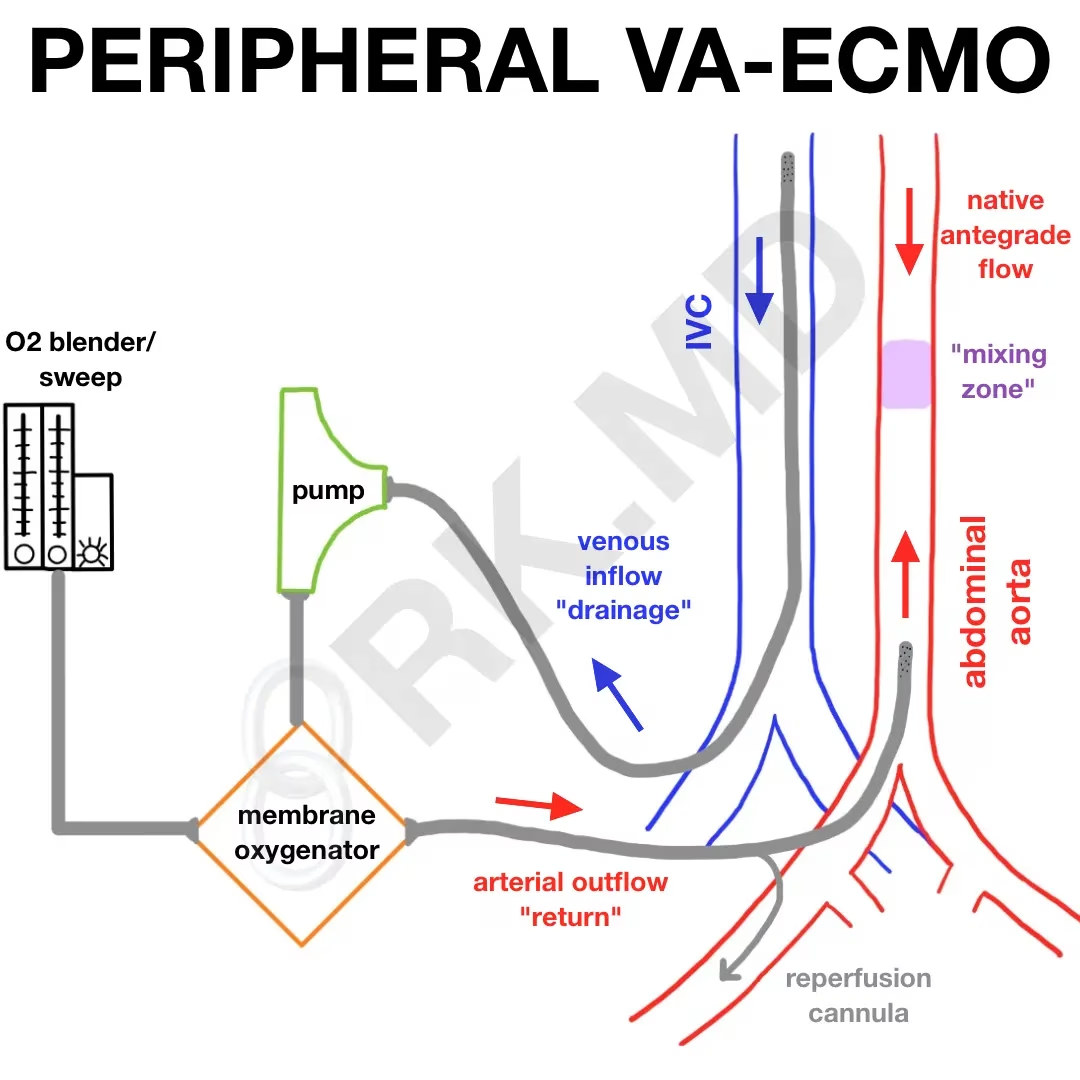
Extracorporeal membrane oxygenation (ECMO) is a form of mechanical circulatory support (MCS) used as a bridge to recovery, transplant, or alternative therapy (ie, VAD insertion). Whether it’s the actual cannulation process or day-to-day management, it’s one of my absolute favorite topics as an intensivist and cardiac anesthesiologist! ECMO’s usage is…

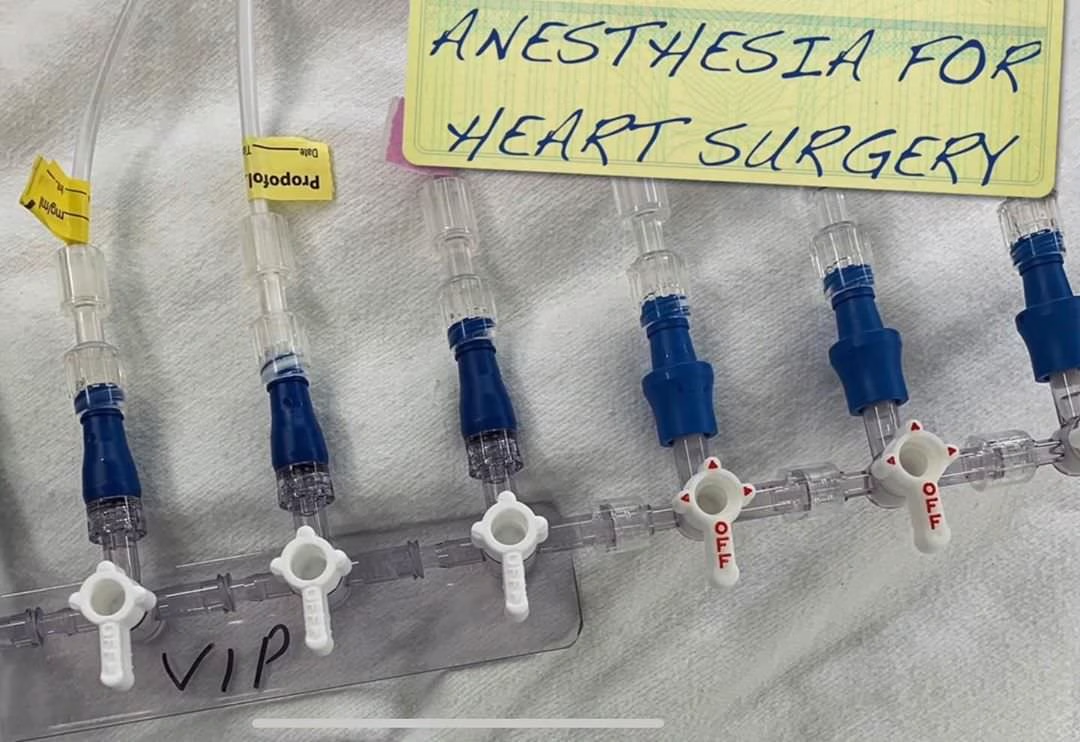
Working “behind the curtain” in the operating room has given me insight about the incredible commitment we as anesthesiologists have to patient safety. In the course of a routine cardiac surgery, I administer a plethora of medications to maintain the anesthetic and hemodynamics but also make crucial decisions with my…

After a decade long vacation hiatus, I decided to spend roughly a week visiting New Zealand and Australia before starting my life as an attending physician. Although this trip seemed very rushed, I had so much fun exploring both Auckland and Sydney! Let me take you through my journey.

The notion that natural redheads need “more anesthesia” and/or are resistant to certain medications has been spread by the media (ie, The New York Times), the scientific literature, and even seasoned anesthesiologists who (anecdotally) claim this to be true.

Although small amounts of air and fluid in the pleural space are generally well tolerated, pneumothorax, hemothorax, chylothorax, etc., necessitate chest tube placement. Smaller bore tubes can often be utilized and placed more apically for large air collections as air rises. Viscous fluid collections (complicated effusions, hemothorax, empyema, etc.) often…

As a cardiothoracic anesthesiologist and intensivist, I’ve transfused countless blood products and factor concentrates over the years. We’ve all seen “type and screen” orders, but what exactly does a blood type tell us?
As a cardiothoracic anesthesiologist, I often meet patients who have wrapped their head around the fact that they are getting surgery, but they have a lot of fear about the anesthesia, cardiopulmonary bypass, and what to expect post-operatively in the ICU. So much of fear/anxiety is driven by the fact…