• Pacing Swan-Ganz Catheter

    Pacing Swan-Ganz Catheter

    Throughout my training, I’ve placed countless pulmonary artery (“Swan-Ganz”) catheters for cardiothoracic surgeries and in the ICU to help guide the diagnosis and response to therapy in mixed or undifferentiated shock. These PA catheters gave me various pressures (central venous, pulmonary artery, sometimes right ventricular), the ability to draw true…


    Read More

  • Happy 10th Anniversary, RK.MD!

    Happy 10th Anniversary, RK.MD!

    Ten years ago on this day, I registered my current domain name, rk.md, through the country code top-level domain for Moldova. At that time, this site was running WordPress 2.7 using the original TinyMCE visual editor. I had no idea what it would become throughout my medical training.

    Read More

  • Board Certified In Critical Care Medicine!

    Board Certified In Critical Care Medicine!

    Earlier this morning, I was notified that I passed my critical care board examination and am now officially board certified in critical care medicine by the American Board of Anesthesiology! Two board certifications down… one more to go! :-)

    Read More

  • The Lethal Diamond In Trauma

    The Lethal Diamond In Trauma

    The lethal diamond in trauma – acidosis, hypothermia, hypocalcemia, and coagulopathy – defines much of what I do in the ICU and cardiothoracic ORs. It’s important to appreciate the interplay between these three derangements, anticipate problems, and intervene quickly.

    Read More

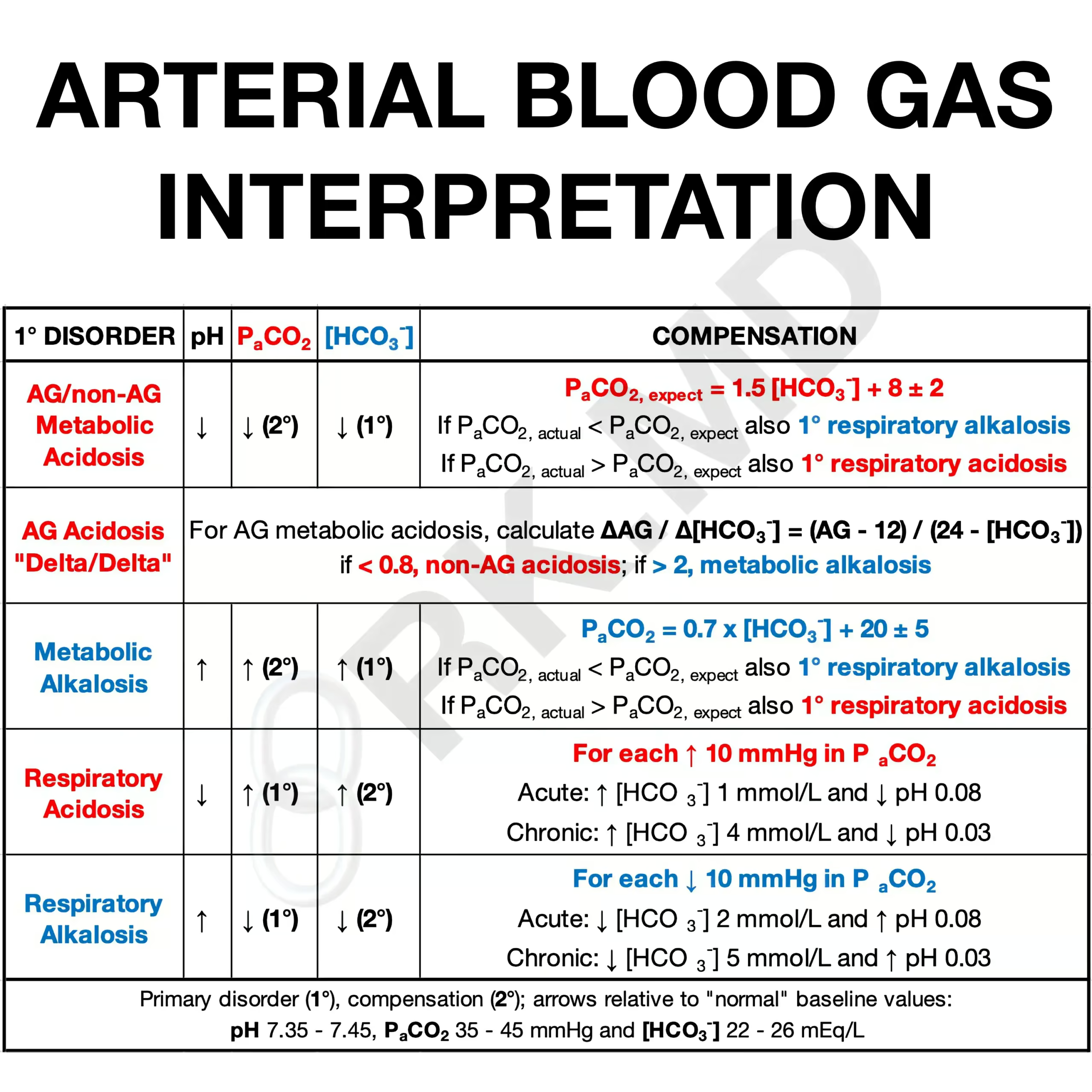
  • Arterial Blood Gas (ABG) Interpretation – Determining Acidosis and Alkalosis

    Arterial Blood Gas (ABG) Interpretation – Determining Acidosis and Alkalosis

    There are four classic disturbances in traditional acid-base equilibria: respiratory acidosis, respiratory alkalosis, metabolic acidosis, and metabolic alkalosis. The body tries to compensate for a primary disturbance(s) (i.e., metabolic alkalosis) through one or more mechanisms (i.e., respiratory acidosis). For simplicity, respiratory events deal with the lungs and carbon dioxide (pCO2), whereas…

    Read More

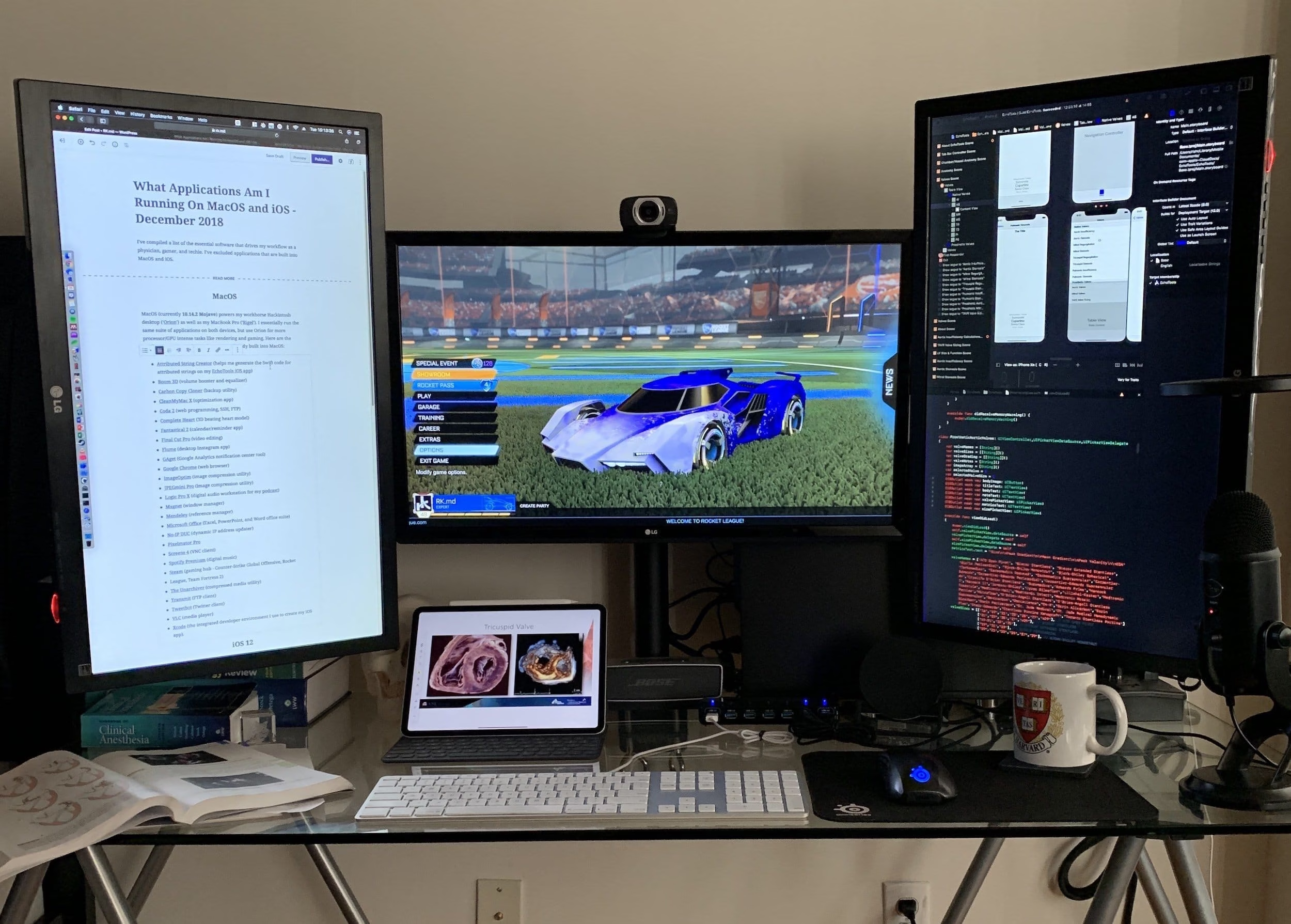
  • The Birth Of Orion – My 5 GHz Hexacore Hackintosh

    The Birth Of Orion – My 5 GHz Hexacore Hackintosh

    When I was younger, I loved spending time at my dad’s office during summer break. He worked for a software company on a floor filled with cubicles, but in one corner was a large data room with the processing mainframes, storage servers, switchboards, and of course, professional cooling with power…

    Read More

  • The Heart’s Fibrous Skeleton

    The Heart’s Fibrous Skeleton

    There’s a complex yet beautiful architecture within the heart’s fibrous skeleton and valvular geometry. To become a proficient perioperative echocardiographer, one must understand these spatial relationships in three dimensions and the implications that specific surgeries can have on multiple anatomic regions.

    Read More

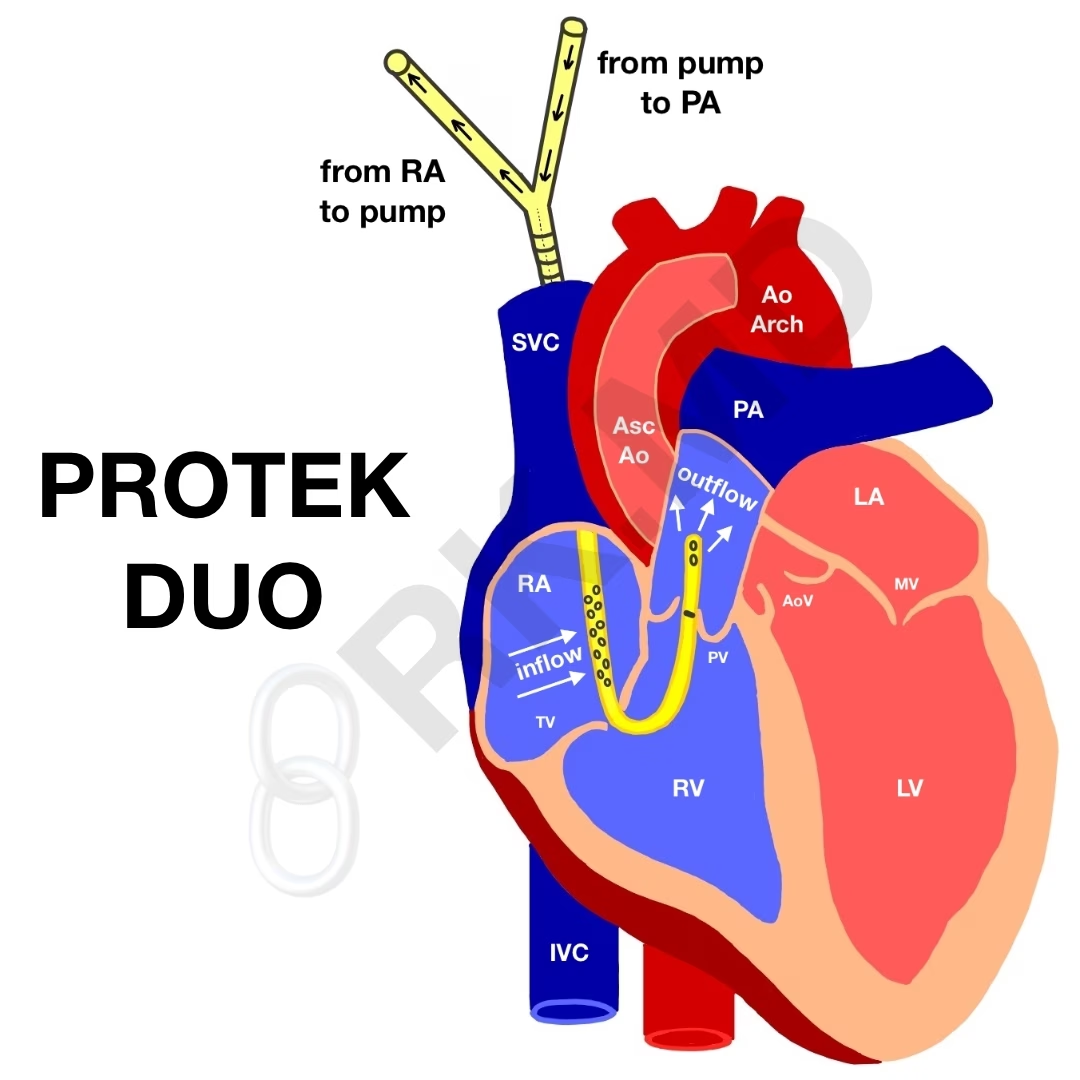
  • ProtekDuo® Veno-Venous Cannula

    ProtekDuo® Veno-Venous Cannula

    The ProtekDuo veno-venous (V-V) dual lumen cannula provides extracorporeal mechanical circulatory support (MCS) with or without an oxygenator. When combined with a TandemHeart® pump, it can deliver ~4.5 liters/minute of flow by draining blood from the right atrium and returning it to the pulmonary artery (PA). This allows right side…

    Read More

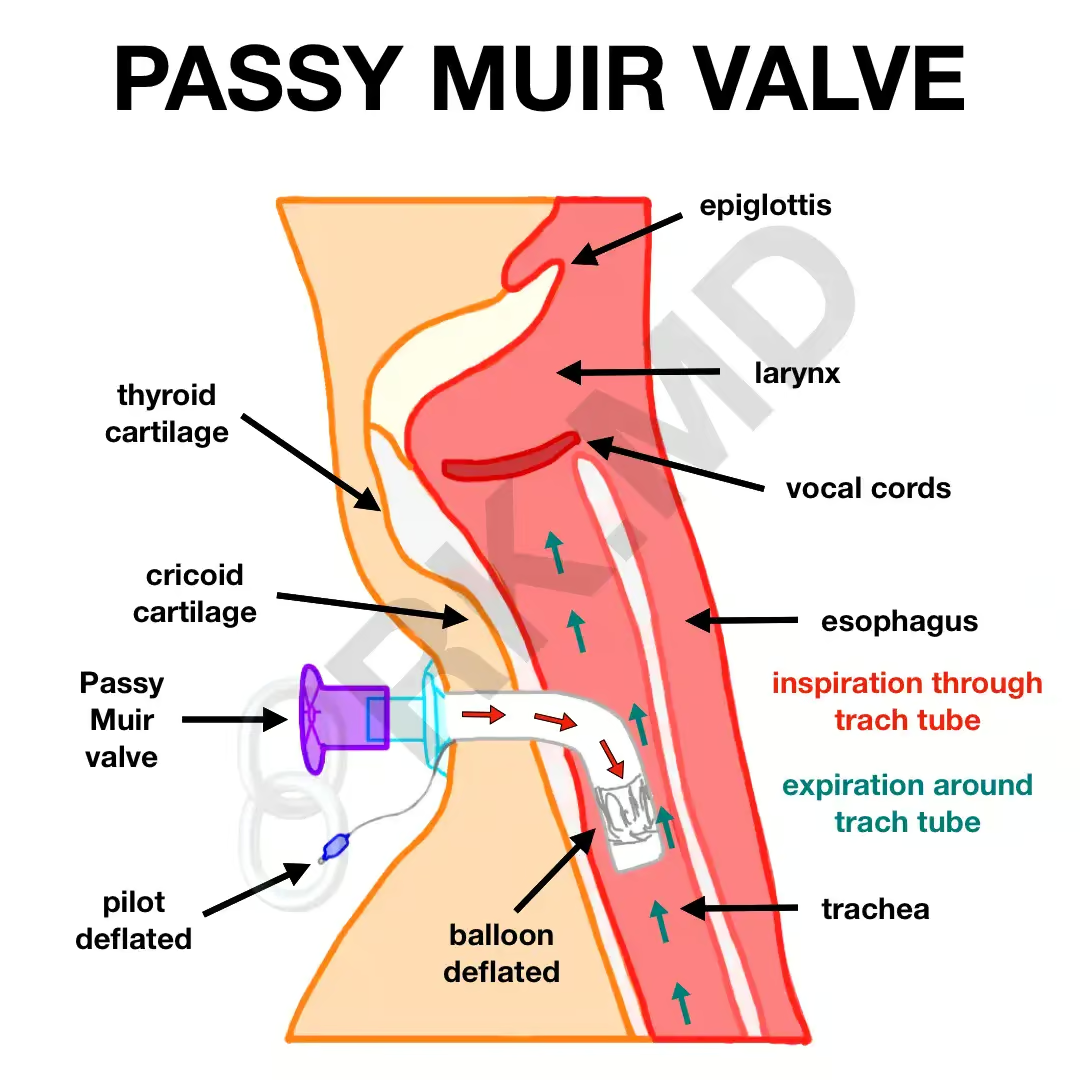
  • Passy Muir Valve

    Passy Muir Valve

    Normally, air moves in and out of tracheostomy tubes (trachs) below the level of the vocal cords rendering a patient aphonic. However, using a Passy Muir valve (PMV), otherwise known as a “speaking valve,” airflow is redirected through the vocal cords during expiration – our standard mechanism of phonation. This…

    Read More

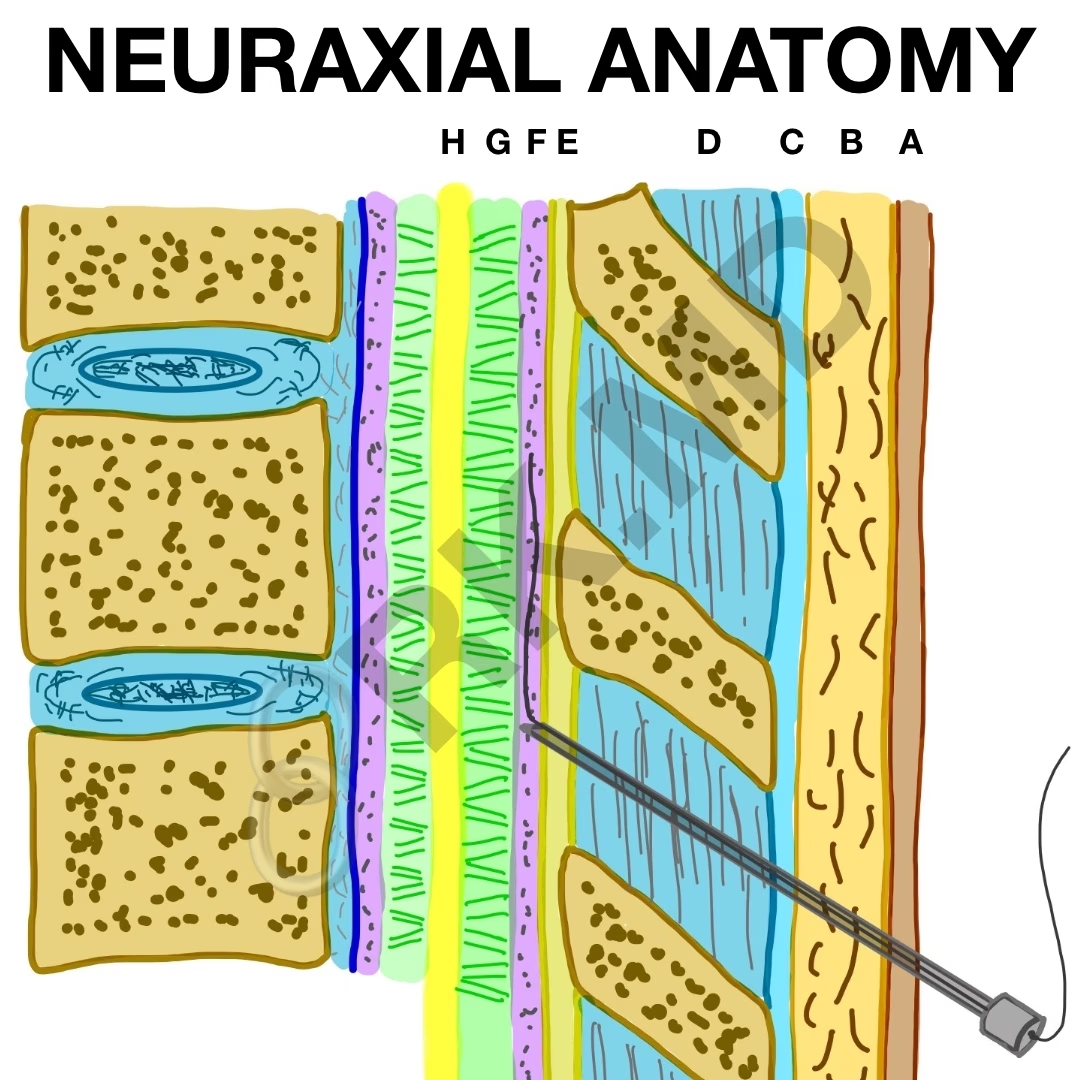
  • Neuraxial Anesthetics And Anatomy

    Neuraxial Anesthetics And Anatomy

    Understanding neuraxial anatomy is an essential part to successfully perform epidural and spinal (intrathecal) anesthetics. Here’s a schematic outlining the layers we encounter when performing these procedures:

    Read More