• POCUS – Type B Aortic Dissection

    POCUS – Type B Aortic Dissection

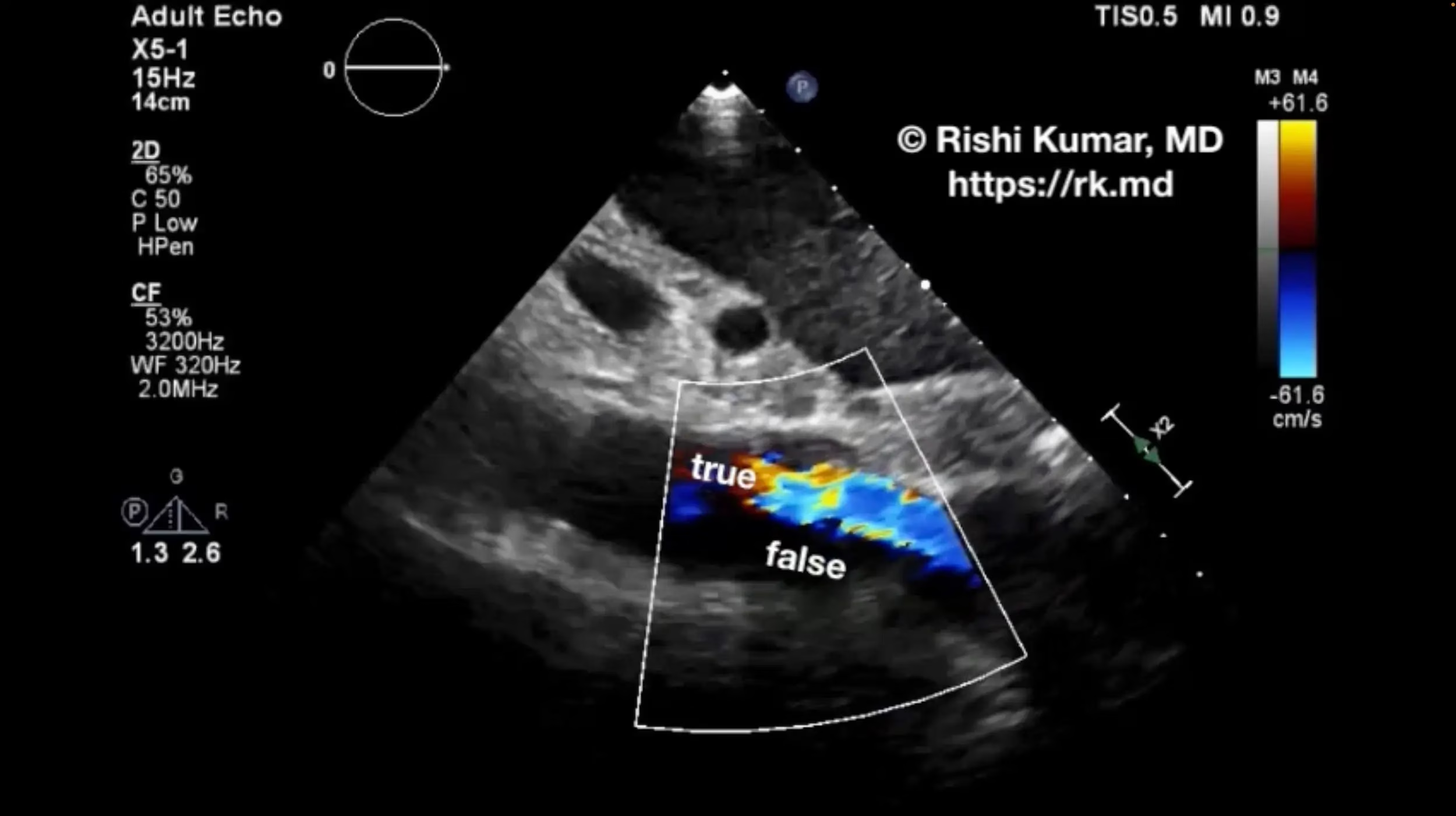
    Point-of-care ultrasound (POCUS) can be a quick and noninvasive modality to confirm a concerning pathology like type B aortic dissection. As a CVICU intensivist, I often receive transfers for “aortic dissection” from other hospitals based on suboptimal imaging. However, they’re sometimes found to be other acute aortic syndromes like intramural…

    Read More

  • Left Atrial Appendage Ligation

    Left Atrial Appendage Ligation

    The left atrial appendage (LAA) is a small pouch located within the pericardium close to the left ventricular free wall and in continuity with the upper body of the left atrium (LA). Due to its compliance and anatomic location, it serves as a decompression chamber when the LA pressure is…

    Read More

  • R-on-T Phenomenon

    R-on-T Phenomenon

    The R-on-T phenomenon is a type of ventricular extrasystole that can occur when a premature ventricular contraction (PVC) happens during the relative refractory period (RRP) of the previous ventricular depolarization, specifically on the last 2/3rd of the T wave on an EKG. If the PVC is strong enough to depolarize…

    Read More

  • Absolute And Relative Refractory Periods

    Absolute And Relative Refractory Periods

    The absolute and relative refractory periods refer to the intervals during which the cardiac cells are either entirely or partially unresponsive to further stimulation, respectively. The refractory periods are crucial in regulating the timing and rhythm of the heart’s contractions. Suppose a stimulus causes the transmembrane potential (TMP) to reach…

    Read More

  • Driving Pressure

    Driving Pressure

    Driving pressure (Pdriving) is related to tidal volume (VT) and the respiratory system’s static compliance (Crs). At the bedside, Pdriving = plateau pressure (Pplat, determined by an inspiratory hold maneuver) minus PEEP. Based on the boxed equation in the diagram and assuming all other variables remain constant, increasing VT or…

    Read More

  • Tracheoinnominate Fistula

    Tracheoinnominate Fistula

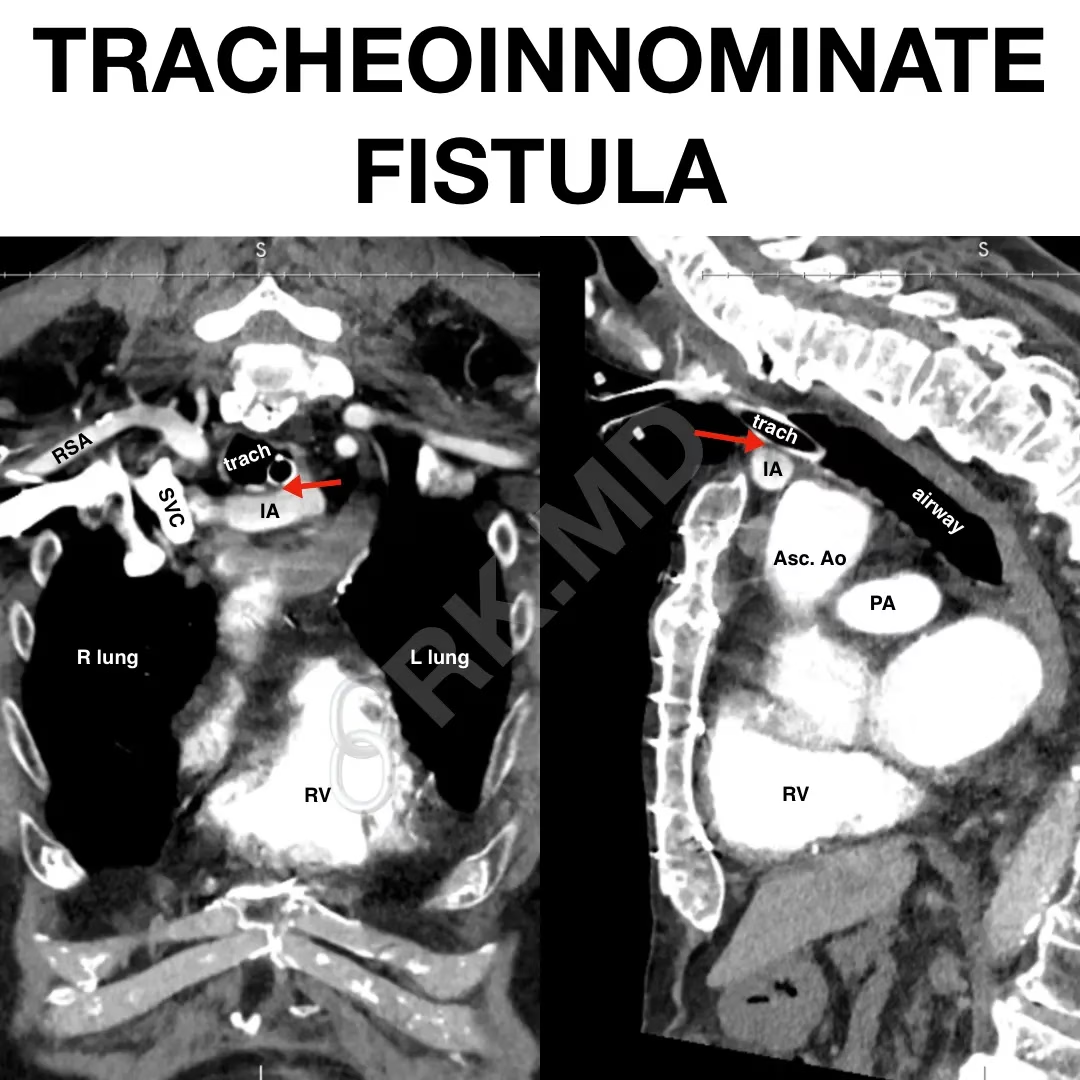
    Tracheoinnominate fistulas (TIFs) are rare (0.1 – 1% incidence) but potentially life-threatening complications of tracheostomy. A TIF occurs when communication forms between the trachea and the innominate (“brachiocephalic”) artery leading to potentially fatal bleeding and airway compromise. Patients at higher risk for TIFs include those who require prolonged mechanical ventilation,…

    Read More

  • Mitral Annular Calcification (MAC)

    Mitral Annular Calcification (MAC)

    Mitral annular calcification (MAC) is a degenerative process that affects the fibrous ring around the mitral valve. It is thought to be caused by chronic inflammation, oxidative stress, and altered calcium metabolism. Although often asymptomatic, MAC can cause mitral valve stenosis and/or regurgitation, with associated symptoms ranging from shortness of…

    Read More

  • Bentall Procedure

    Bentall Procedure

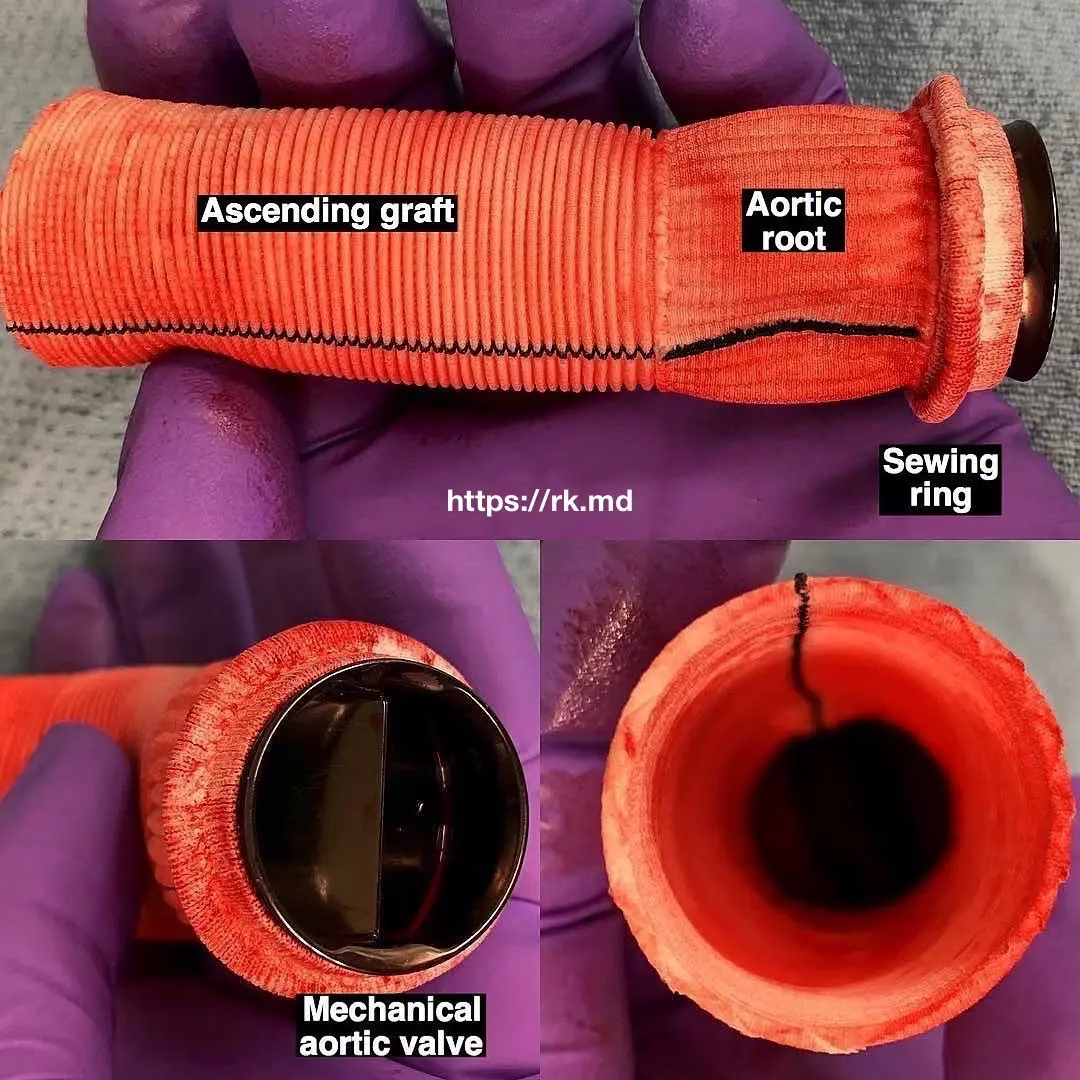
    Bentall procedure is a complex surgical procedure that involves the replacement of the aortic valve, ascending aorta, and aortic root with a prosthetic valve conduit. This procedure commonly treats patients with aortic aneurysms, aortic dissection, or aortic valve disease. The Bentall procedure was first introduced in 1968 by Dr. Hugh…

    Read More

  • CSF Xanthochromia

    CSF Xanthochromia

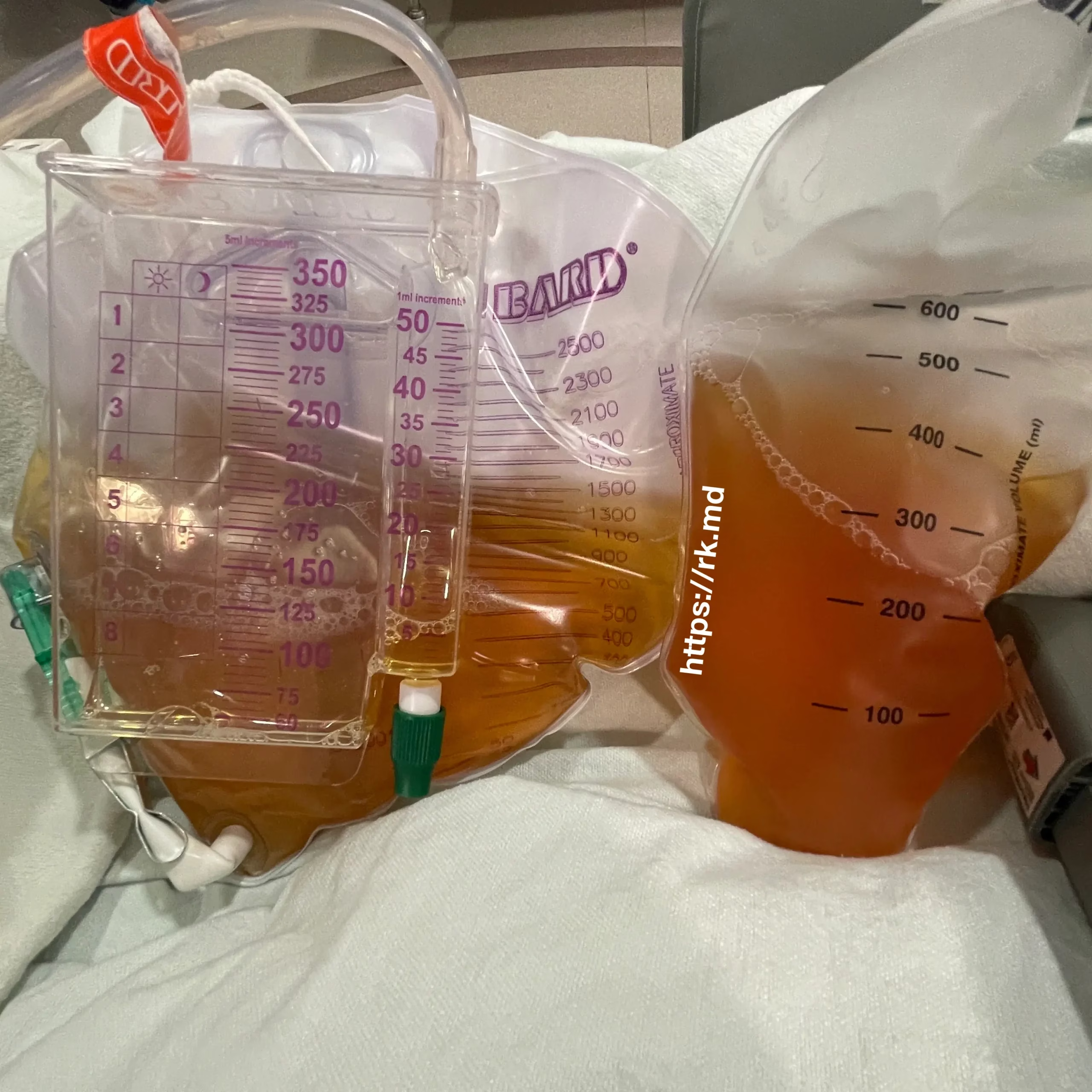
    Cerebrospinal fluid (CSF) is a clear and colorless fluid surrounding the brain and spinal cord, providing cushioning and nutrients to the central nervous system. Xanthochromia (Greek for “yellow color”) refers to the yellow discoloration of the CSF, which can indicate the presence of blood breakdown products such as bilirubin or…

    Read More

  • Average Volume Assured Pressure Support (AVAPS)

    Average Volume Assured Pressure Support (AVAPS)

    In a conventional spontaneous/timed (S/T) mode, one directly sets an inspiratory positive airway pressure (IPAP) and expiratory positive airway pressure (EPAP) to address issues with ventilation and oxygenation, respectively. Remember, pressure support = IPAP – EPAP. In contrast, average volume assured pressure support (AVAPS) is a mode with variable pressure…

    Read More