• Cerebral Perfusion Scans And Brain Death

    Cerebral Perfusion Scans And Brain Death

    Cerebral perfusion scans are nuclear medicine studies utilizing agents like DTPA or NEUROLITE to confirm a clinical diagnosis of brain death. NEUROLITE is a radioactive diagnostic agent (technetium Tc99m bicisate) which passively diffuses across the intact blood-brain barrier and remains stable in the brain for ~6 hours. As such, this…
    Read More

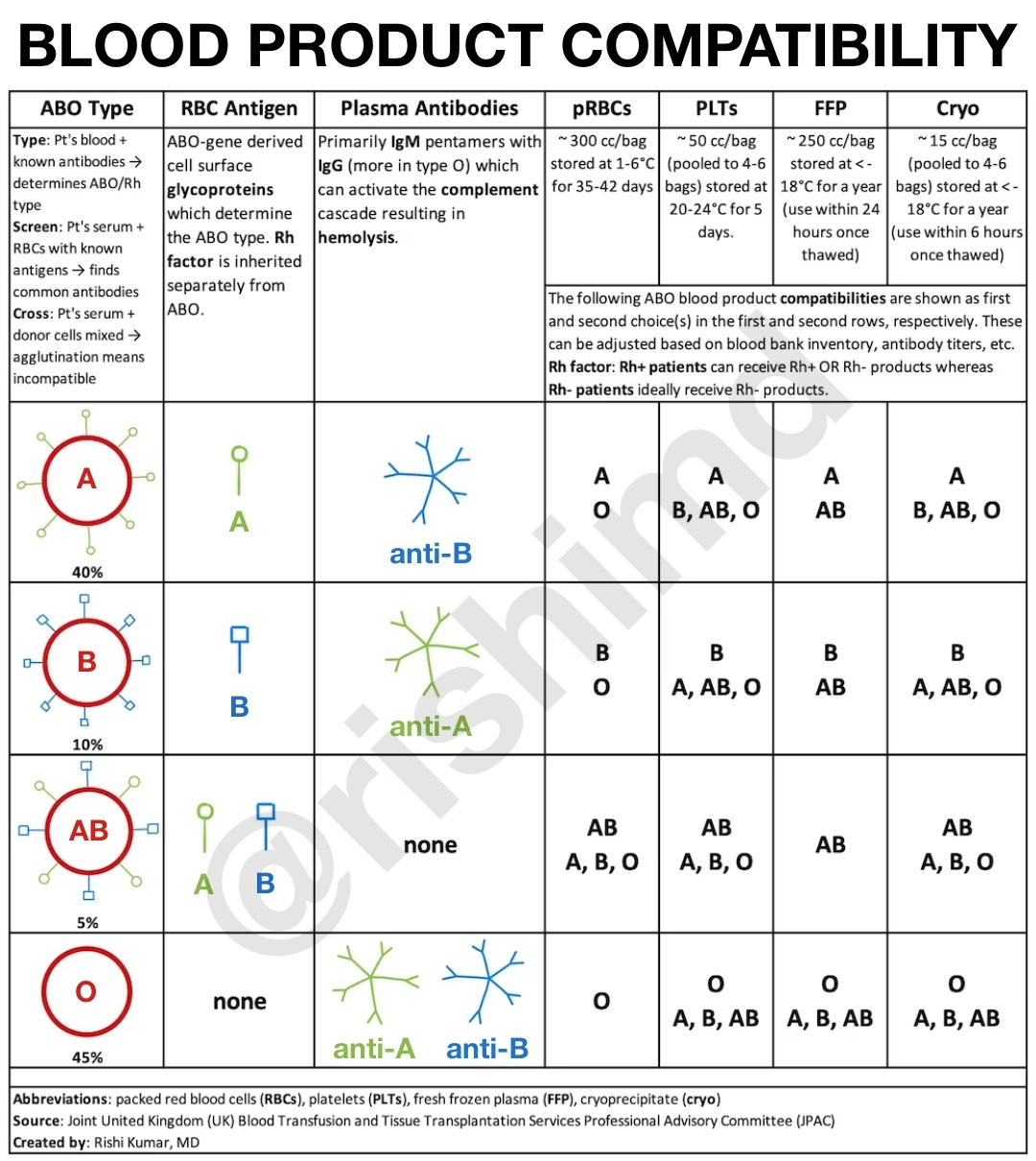
  • Blood Product Transfusion Compatibility
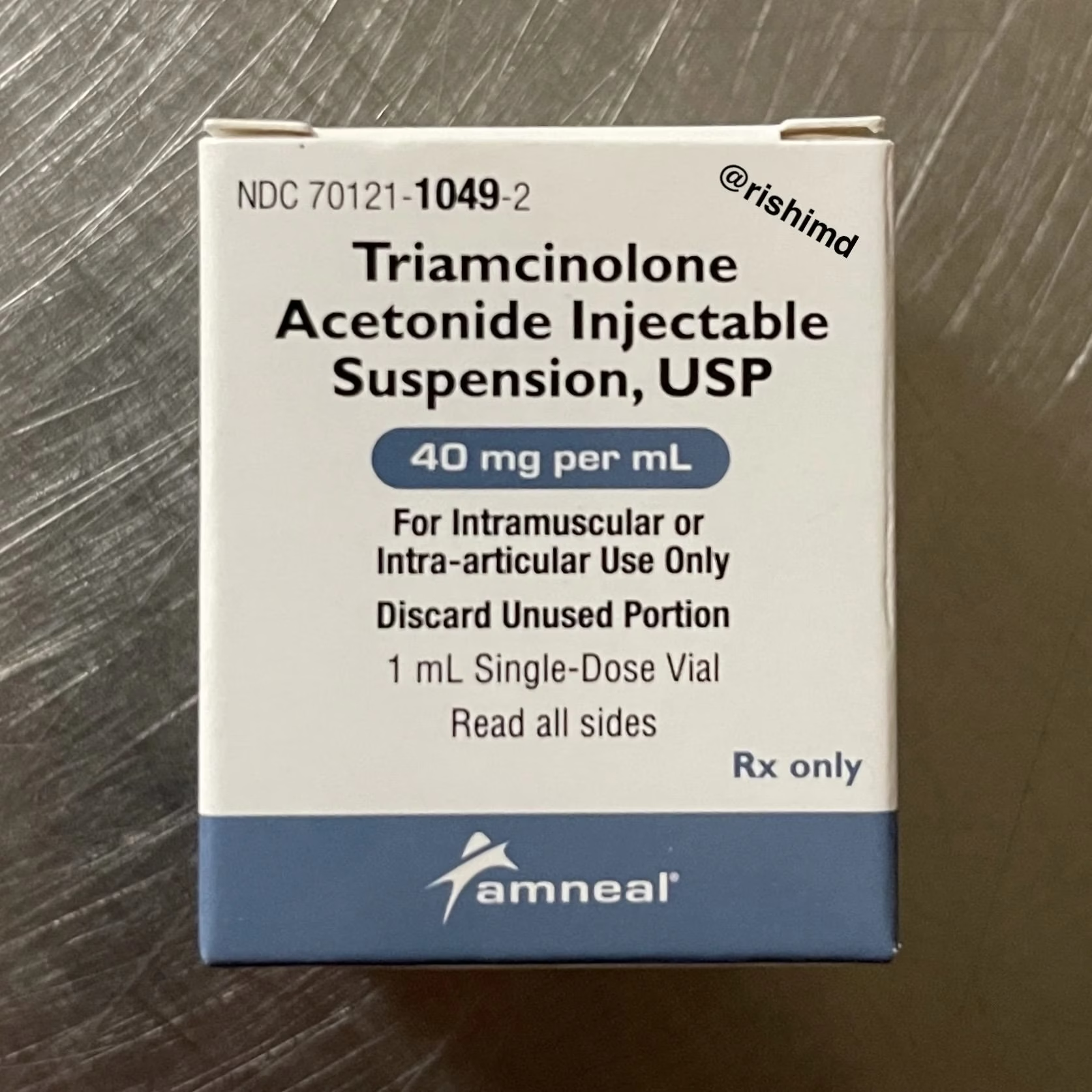
  • Triamcinolone

    Triamcinolone

    Triamcinolone acetonide (Kenalog) is a corticosteroid medication that is commonly used to treat a variety of inflammatory conditions. It is available in several forms, including oral tablets, injectable solutions, topical creams, and ointments. Triamcinolone works by reducing inflammation in the affected area. It does this by inhibiting the production of…

    Read More

  • RK.MD Mechanical Circulatory Support (MCS) Reference Sheet
  • Hypernatremia And Free Water Deficit

    Hypernatremia And Free Water Deficit

    Sodium (Na) fluctuations portend increased in-hospital death for ICU patients, and when working them up, it’s essential to determine if these disorders are acute or chronic (> 48 hours or unknown duration). For hypernatremia ([Na] > 145 mEq/L), think about situations where there is a free water deficit (FWD) –…

    Read More

  • Retrograde Cerebral Perfusion (RCP)

    Retrograde Cerebral Perfusion (RCP)

    Retrograde cerebral perfusion (RCP) is a neuroprotective technique originally described in the early 1990s to deliver cold, oxygenated blood via the cardiopulmonary bypass (CPB) circuit to the cerebral vasculature by way of the superior vena cava (SVC) during deep hypothermic circulatory arrest (DHCA) typically utilized for aortic surgery involving the…

    Read More

  • Oxytocin

    Oxytocin

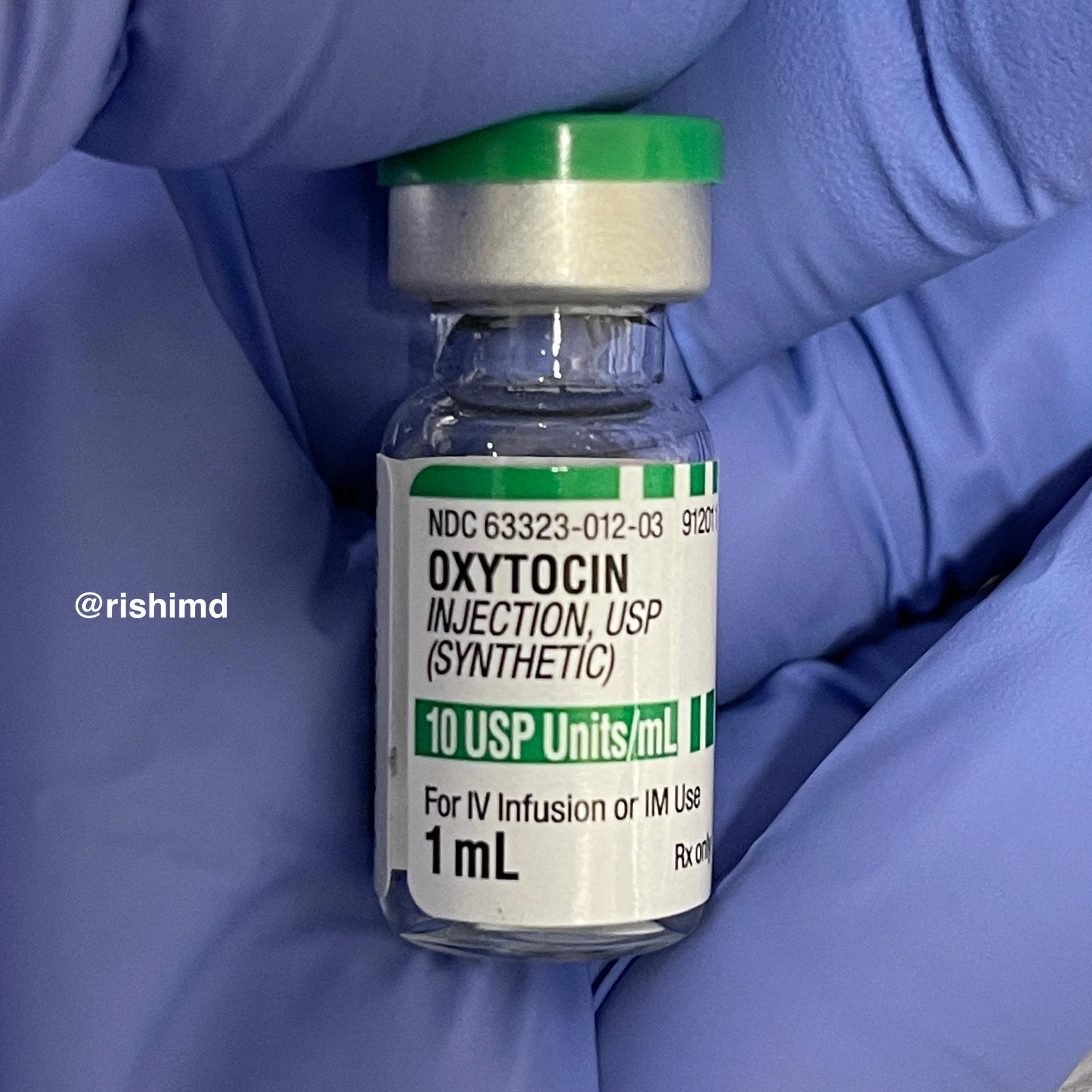
    Oxytocin (Pitocin) is a neuropeptide hormone synthesized in the hypothalamus and stored in the posterior pituitary gland. Its biological function spans everything from “milk letdown” in lactation and uterine contraction during the latter stages of labor to enhancing trust/attachment between individuals and a role in sexual arousal.

    Read More

  • Betadine

    Betadine

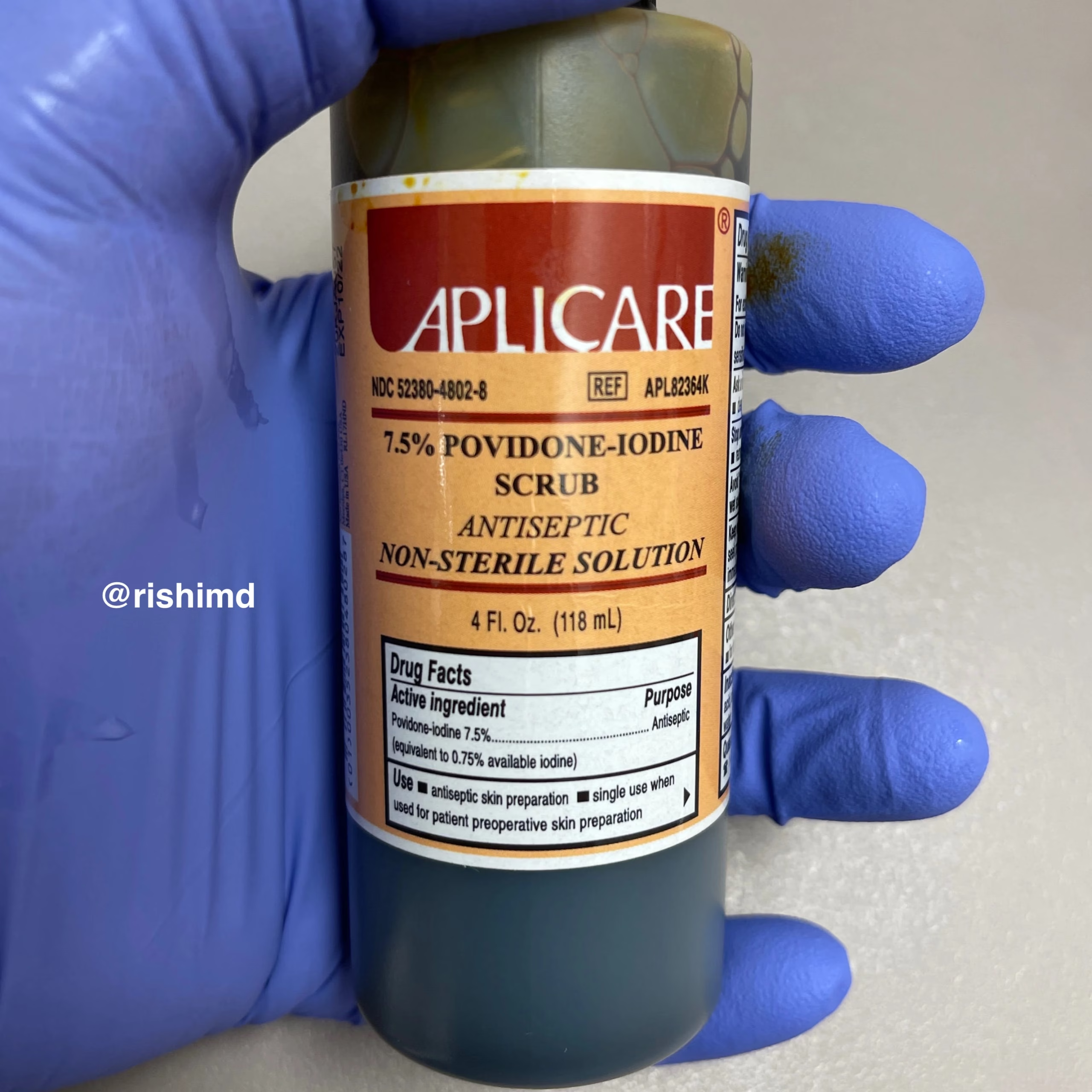
    Povidone-iodine (Betadine) is a topical antiseptic I use for patients with allergies/sensitivities to chlorhexidine before invasive procedures (chest tubes, lumbar drains, central lines, etc.) in the ICU and OR settings. During emergent cardiac surgeries, sometimes all we have time for is a “Betadine splash” before performing life-saving interventions.

    Read More

  • Chlorhexidine

    Chlorhexidine

    Chlorhexidine gluconate (CHG) is an antiseptic solution found in everything from the mouthwash patients receive while on mechanical ventilation to Tegaderm CHG dressings and Biopatches to cover everything from arterial lines to peripheral ECMO cannulas. Let’s certainly not forget about the CHG bath done before surgery!

    Read More

  • Isolyte S

    Isolyte S

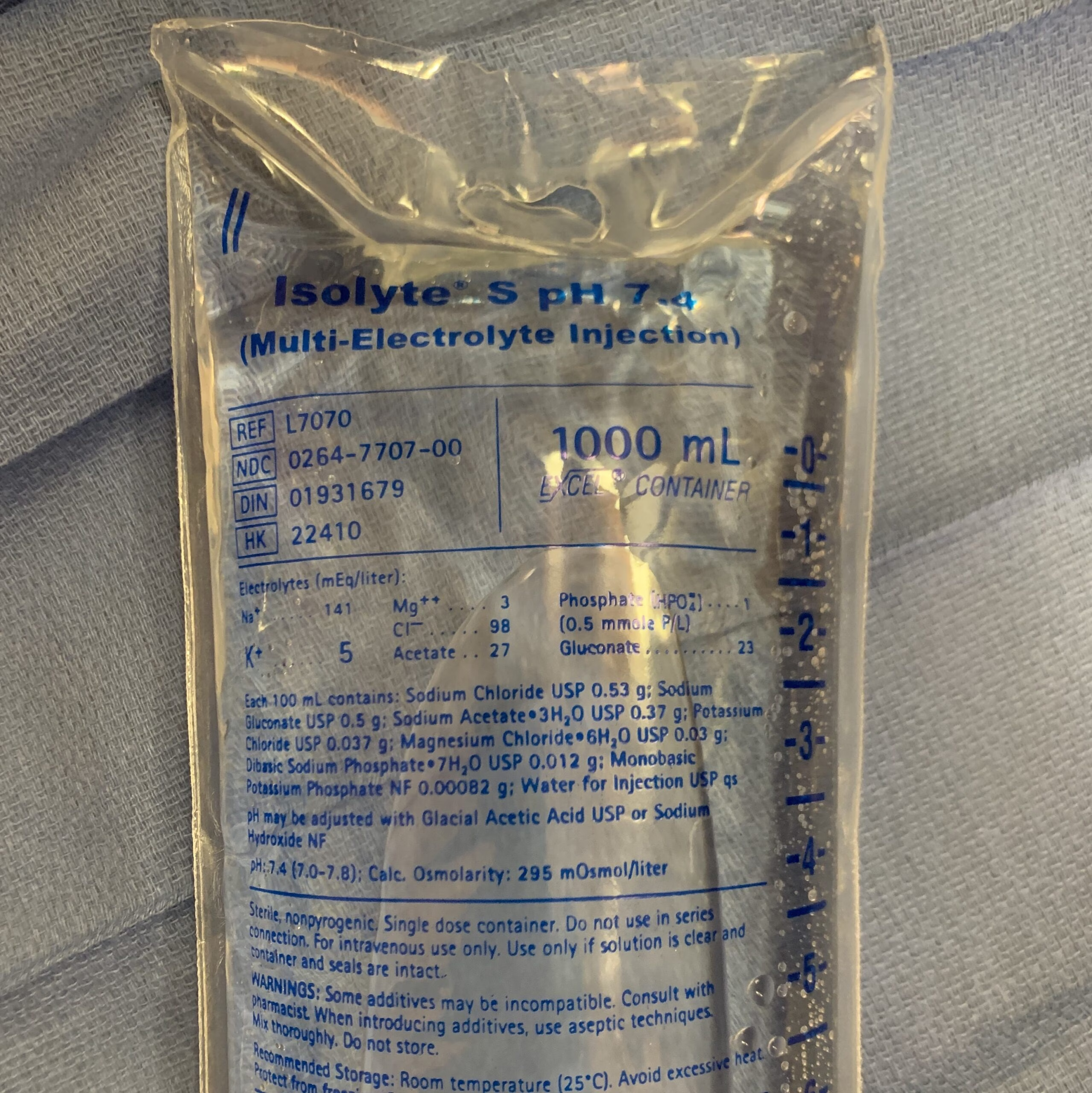
    Isolyte® S is a balanced crystalloid solution created by B. Braun Medical Inc. As a cardiothoracic anesthesiologist and intensivist, it’s the crystalloid I use the most in the perioperative and ICU settings. Compared to lactated Ringers, here are the constituents of the two fluids:

    Read More