• Break Down Intake And Output (I&Os)

    Break Down Intake And Output (I&Os)

    As a cardiac anesthesiologist and cardiovascular intensivist, I routinely care for perioperative cardiac surgery patients in my OR and ICU practices. If I were to look at the “I&Os” (intake and output) to estimate how “net positive” a patient is for their hospital admission without breaking down the types of…
    Read More

  • Hyponatremia Correction For Hyperglycemia

    Hyponatremia Correction For Hyperglycemia

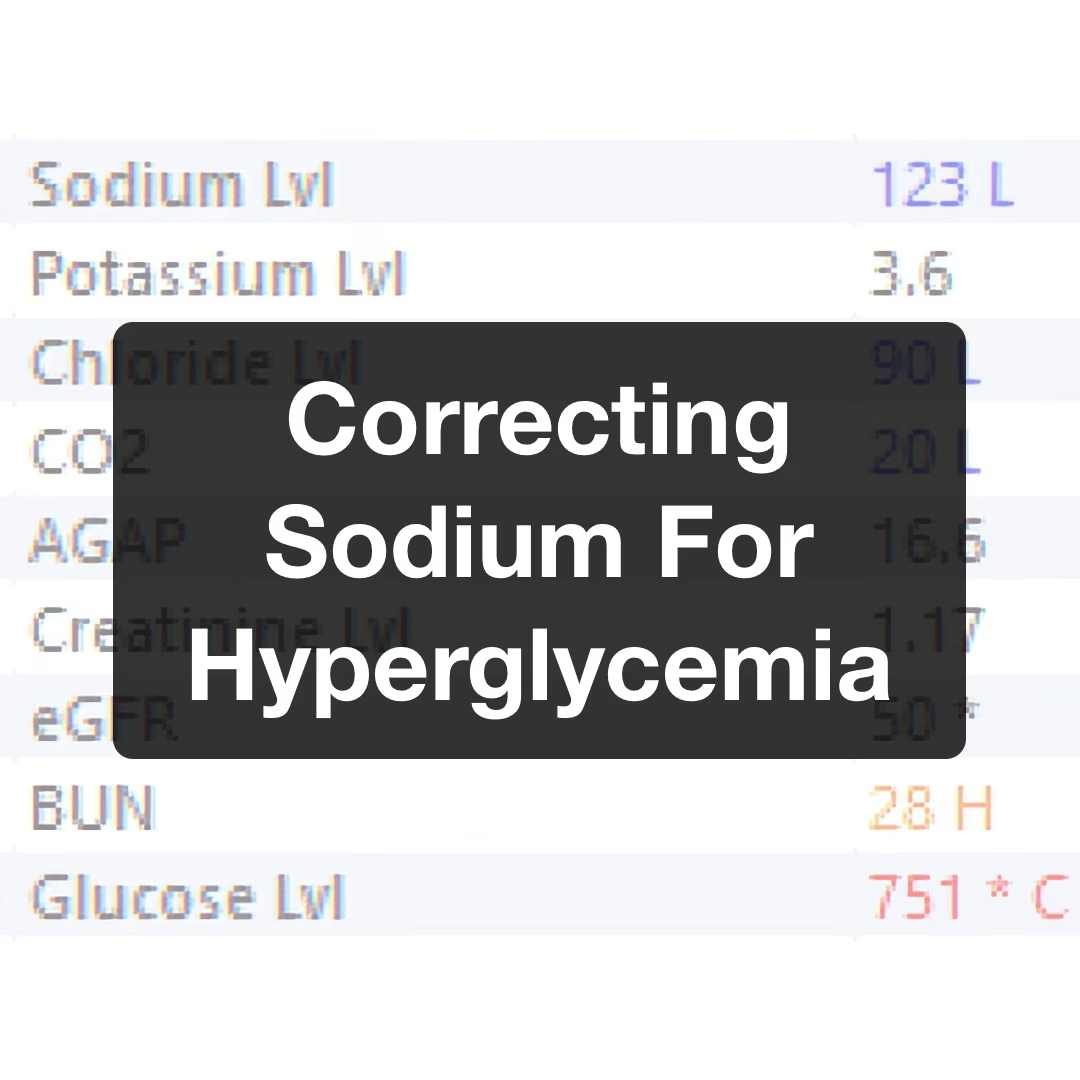
    Sodium is the primary cation (positive-charged ion) in the extracellular space. Therefore, dilutional hyponatremia can occur if free water is added to the extracellular space from fluid shifts and infusions. Let’s look at this basic metabolic profile. Glucose 751 mg/dL (critically high). Sodium 123 mEq/L (low). Hyponatremia is an expected…

    Read More

  • Intravenous Fluid Comparison Table

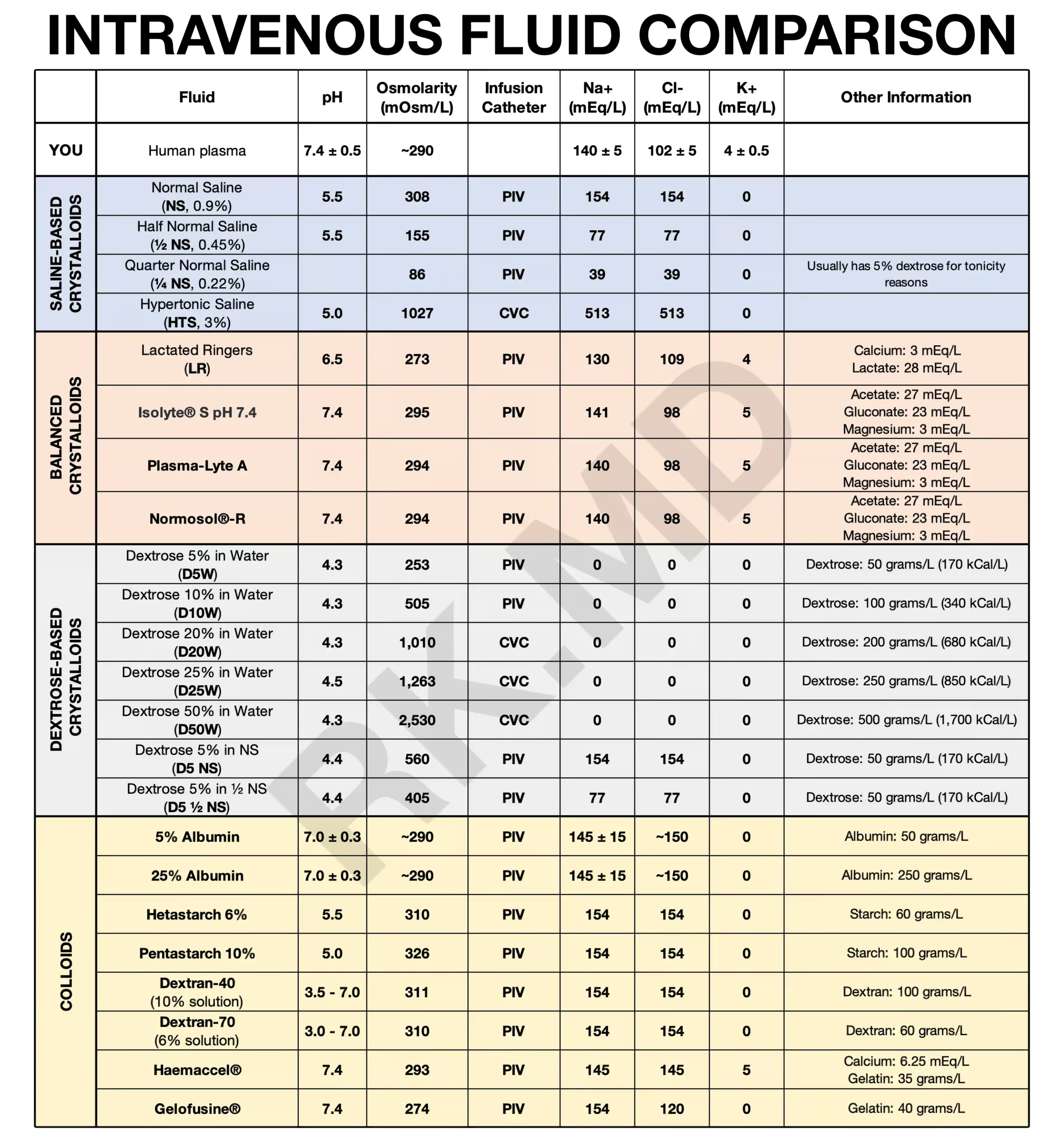
    Intravenous (IV) fluids are ubiquitous in medicine. Crystalloid fluids consist of electrolytes and/or dextrose. They are traditionally used to replace ongoing fluid losses, hydrate patients who cannot tolerate enteral intake, reconstitute medications, etc. Colloids contain larger molecular weight substances such as albumin and starch for low oncotic pressure (although their…

    Read More

  • Isolyte S

    Isolyte S

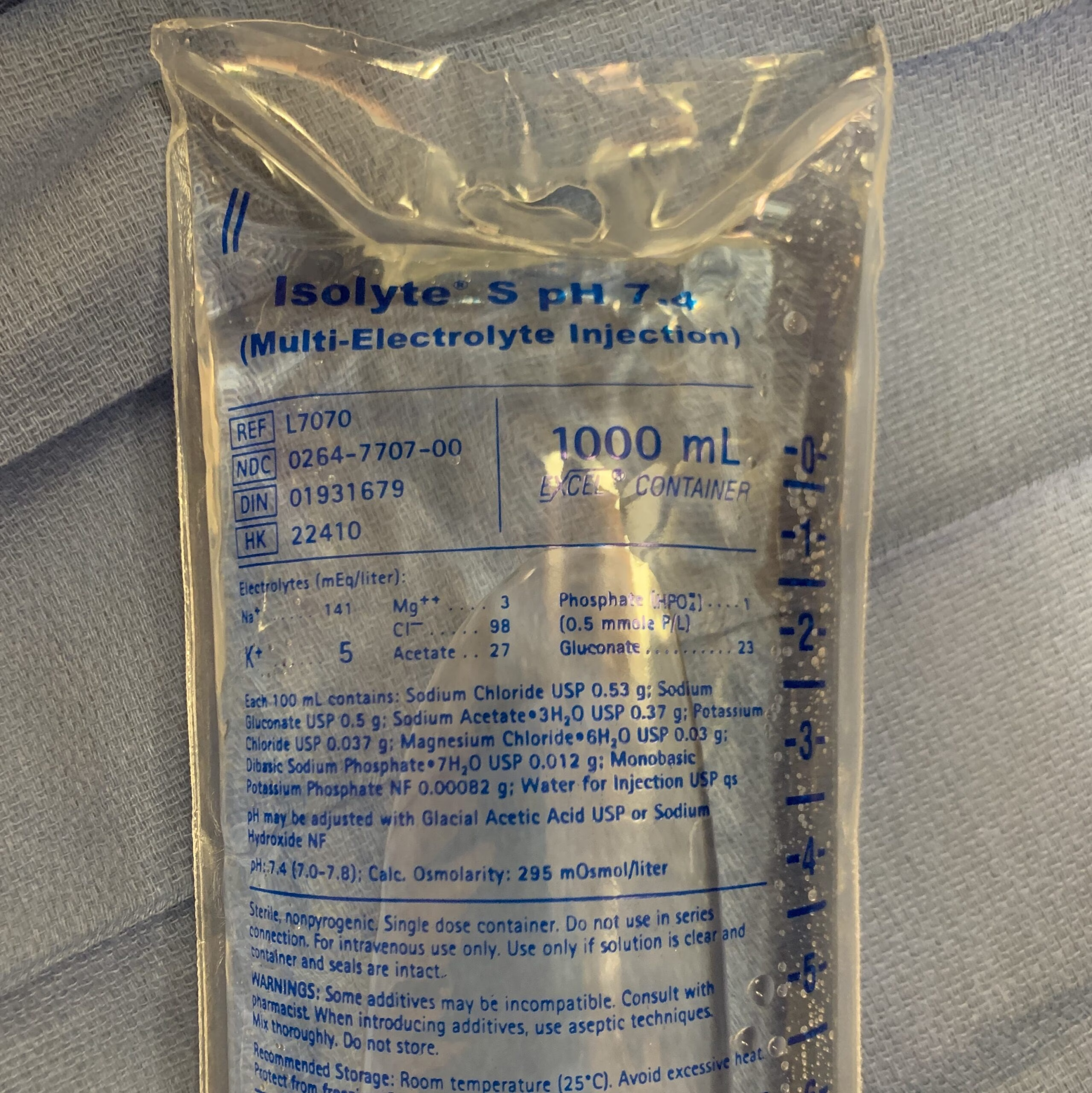
    Isolyte® S is a balanced crystalloid solution created by B. Braun Medical Inc. As a cardiothoracic anesthesiologist and intensivist, it’s the crystalloid I use the most in the perioperative and ICU settings. Compared to lactated Ringers, here are the constituents of the two fluids:

    Read More

  • Banana Bag

    Banana Bag

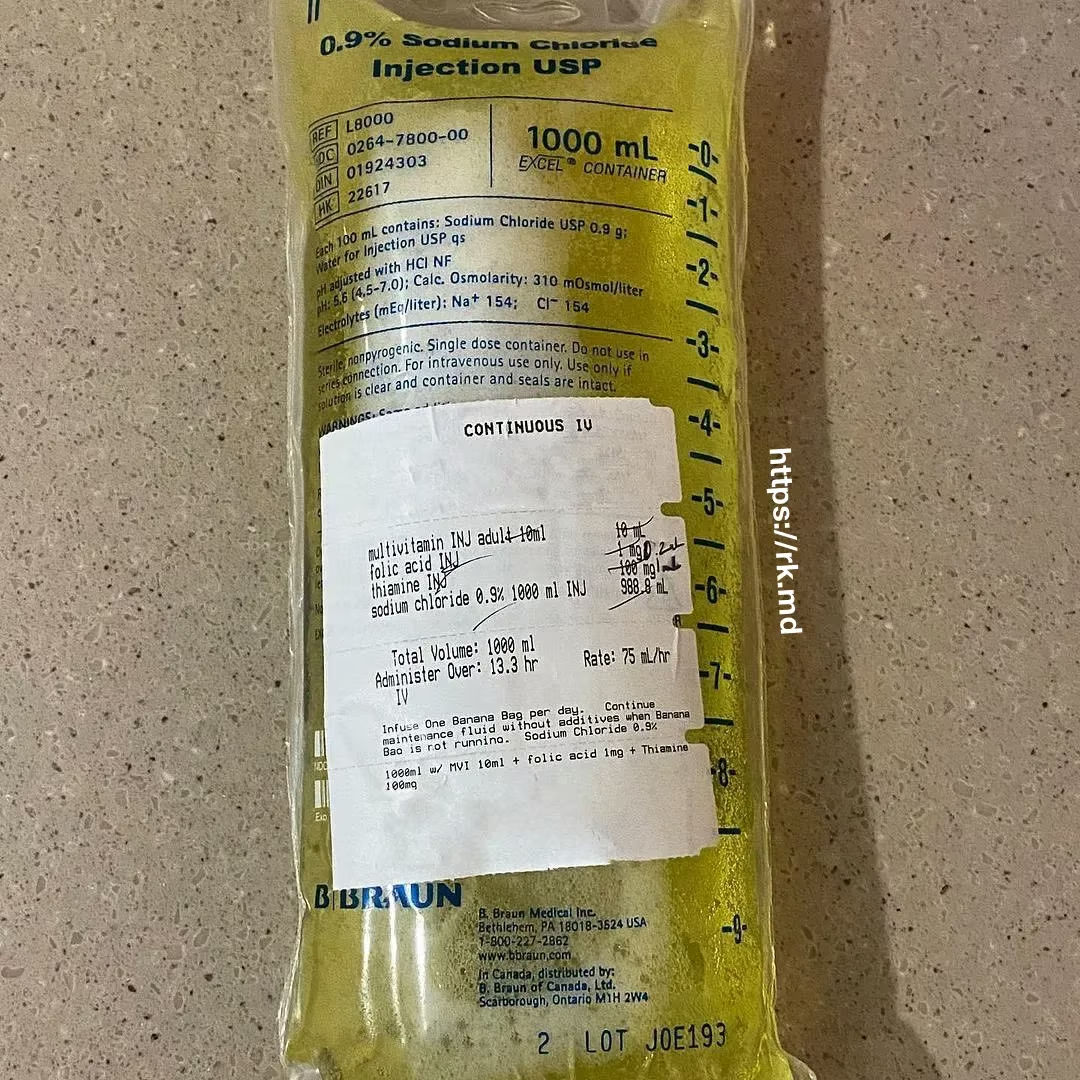
    The “banana bag” is a colloquial term referring to isotonic crystalloid fluid premixed with thiamine, folic acid, and a multivitamin (which creates the characteristic yellow coloration). Some clinicians opt for a banana bag when treating acute alcohol intoxication due to the associated vitamin and mineral deficiency.

    Read More

  • Why Does Albumin Create Foam?

    Why Does Albumin Create Foam?

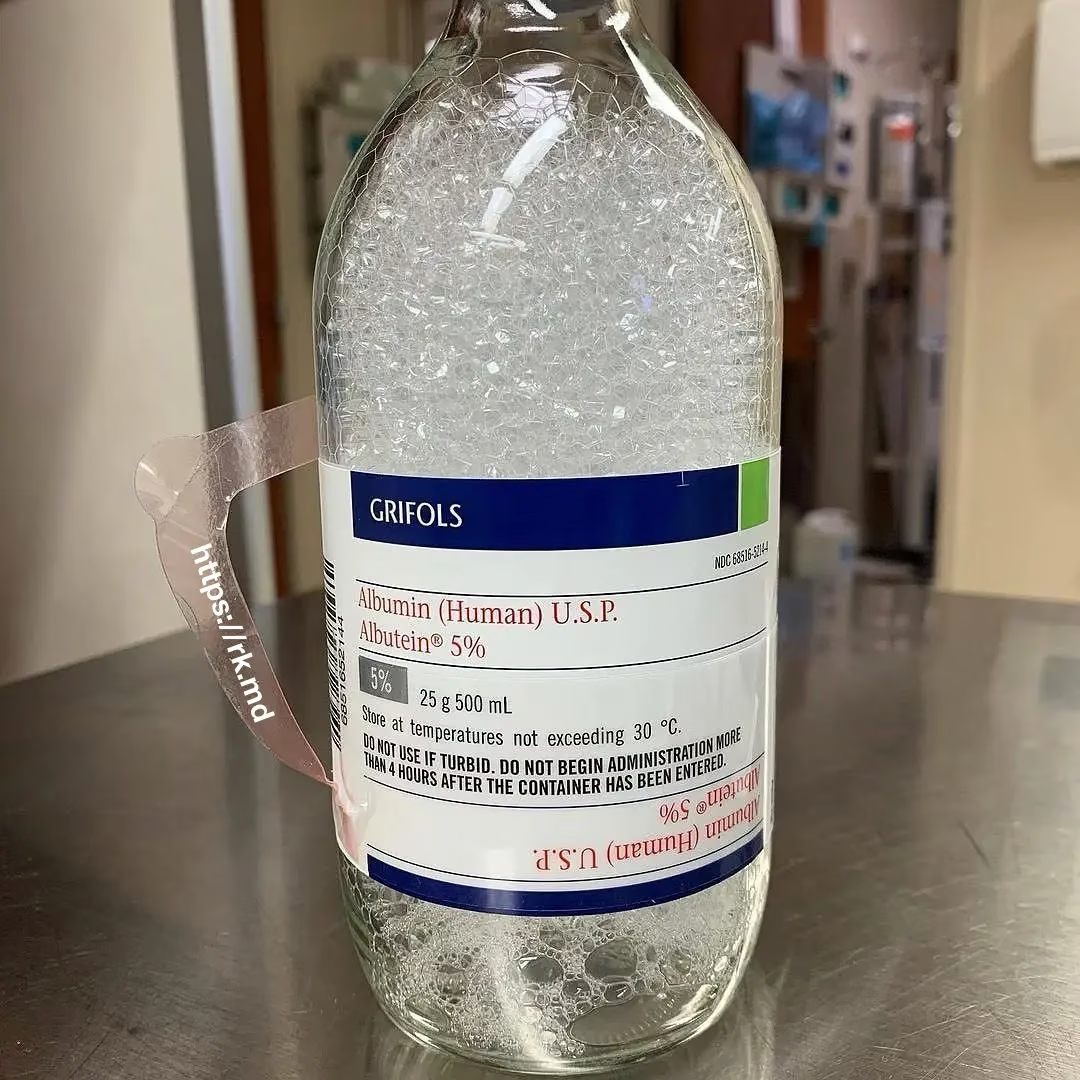
    If you’ve ever administered albumin, you’ve undoubtedly seen bubbles and foam while infusing this colloid solution. As the volume of albumin decreases in a fixed container (e.g., glass bottle), a vacuum effect is generated that requires venting with special tubing to equalize pressure within the bottle and atmosphere. More air…

    Read More

  • Overnight Fluid Boluses For A “Low MAP”
  • Stopcock In Blood Warmer Tubing

    Stopcock In Blood Warmer Tubing

    Over the years, I’ve used many types of fluid warmers from rapid infusers like the Belmont and Level 1 to more conventional products like the Ranger series. The priming process is somewhat different for each product, but regardless, I always want to make sure I can place a 3-way stopcock…

    Read More

  • The Endothelial Glycocalyx

    The Endothelial Glycocalyx

    The glycocalyx is a surface layer of proteins lining the luminal (blood-containing) side of vascular endothelium. It plays an important role as a vascular barrier, provides structural support, facilitates cellular interactions, mitigates vasomotor tone, and has a role in the inflammatory and coagulation cascades. Substances like chondroitin sulfate, hyaluronic acid,…

    Read More

  • Lactated Ringers And Normosol In Hyperkalemia

    Lactated Ringers And Normosol In Hyperkalemia

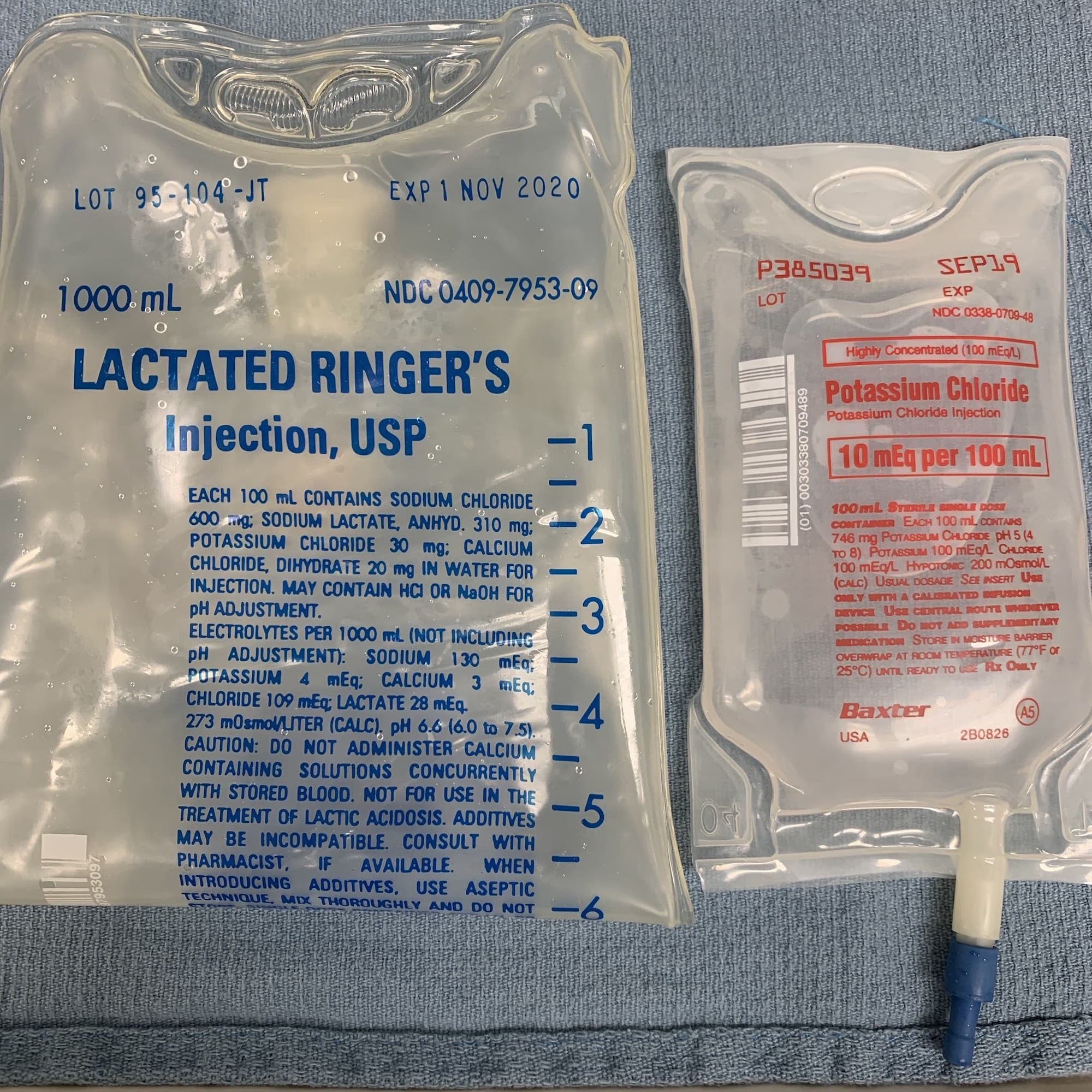
    As an intensivist and anesthesiologist, I spend considerable time pondering the physiology and evidence for practices and questioning dogma rampant in the ICU/OR settings. I’ve heard one recurrent theme: the fear of using Lactated Ringers (LR) and Normosol in patients with renal impairment. Why? Because they both contain potassium (K+),…

    Read More