Deep Sulcus Sign
A pneumothorax occurs when air fills the pleural space between the lungs and chest wall. This can cause partial or total lung collapse leading to difficulties with alveolar ventilation, hemodynamic lability, etc.

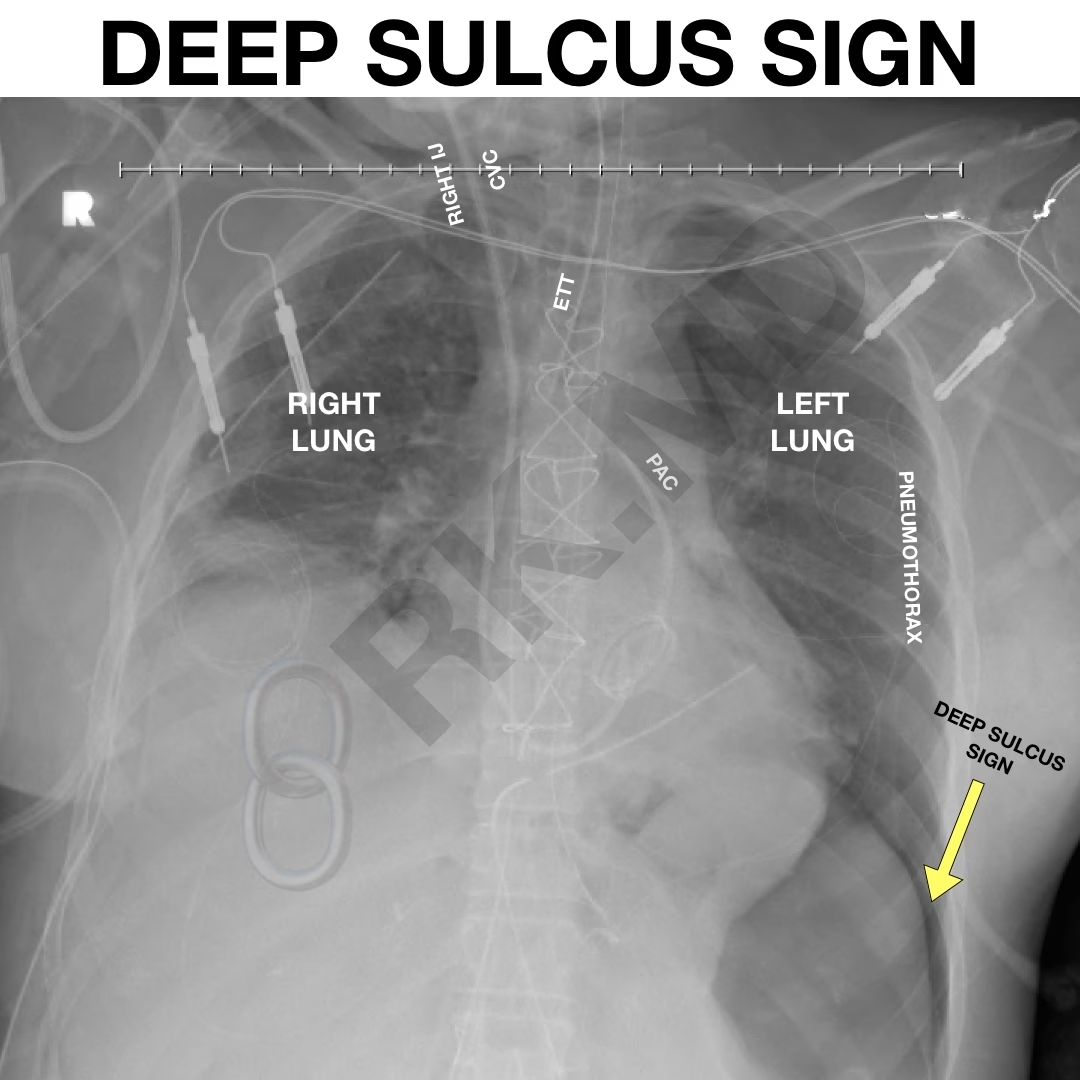
A pneumothorax occurs when air fills the pleural space between the lungs and chest wall. This can cause partial or total lung collapse leading to difficulties with alveolar ventilation, hemodynamic lability, etc.

Here’s an example of a large, right-sided tension pneumothorax (PTX). Disruption in the lung leads to a one-way valve where air fills the pleural space and expands the PTX during inspiration but cannot escape during expiration.

In this portable x-ray of a patient with COVID-19 pneumonia, one can clearly see the right and left mainstem bronchi as well as more distal segments (arrows indicate several “air bronchograms”). This occurs because the air-filled, patent bronchi don’t attenuate x-ray radiation and appear dark compared to the surrounding airspace…
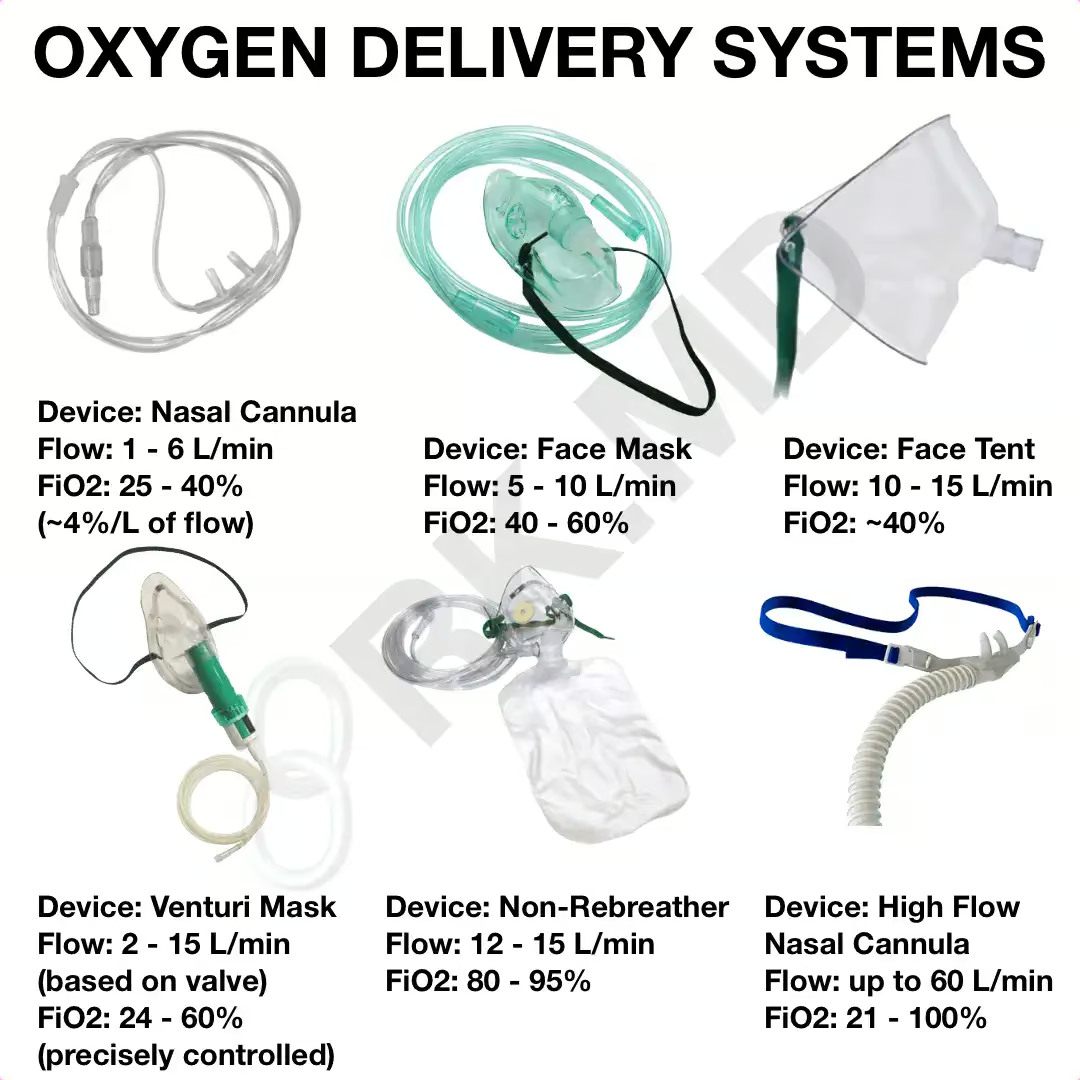
When discussing options for hypoxemia, there seem to be so many noninvasive oxygen delivery systems! Nasal cannula, high flow nasal cannula (HFNC), non-rebreathers (NRB), and more are routinely used in the settings I’ve worked in.

Pulmonary embolism (PE) refers to an obstruction of the pulmonary arterial system and is the third leading cause of cardiovascular death. Patients can present with nonspecific findings; however, resulting pulmonary infarction, impaired gas exchange, and right ventricular failure can lead to rapid decompensation.

After any general anesthetic (specifically those provided for surgeries in the thoracic or upper abdominal compartments), physical activity and nutrition are crucial to promote recovery. In the ICU in particular, many patients receive incentive spirometers (IS) to facilitate “pulmonary hygiene” – a series of interventions to exercise the lungs, decrease…

Although double-lumen endotracheal tubes (ETTs) remain the gold standard for lung isolation for lateralized pulmonary hemorrhage/infection, massive bronchopleural fistulas, or facilitating certain surgeries, my trainees need to understand ALL the available options they have when it comes to airway management.
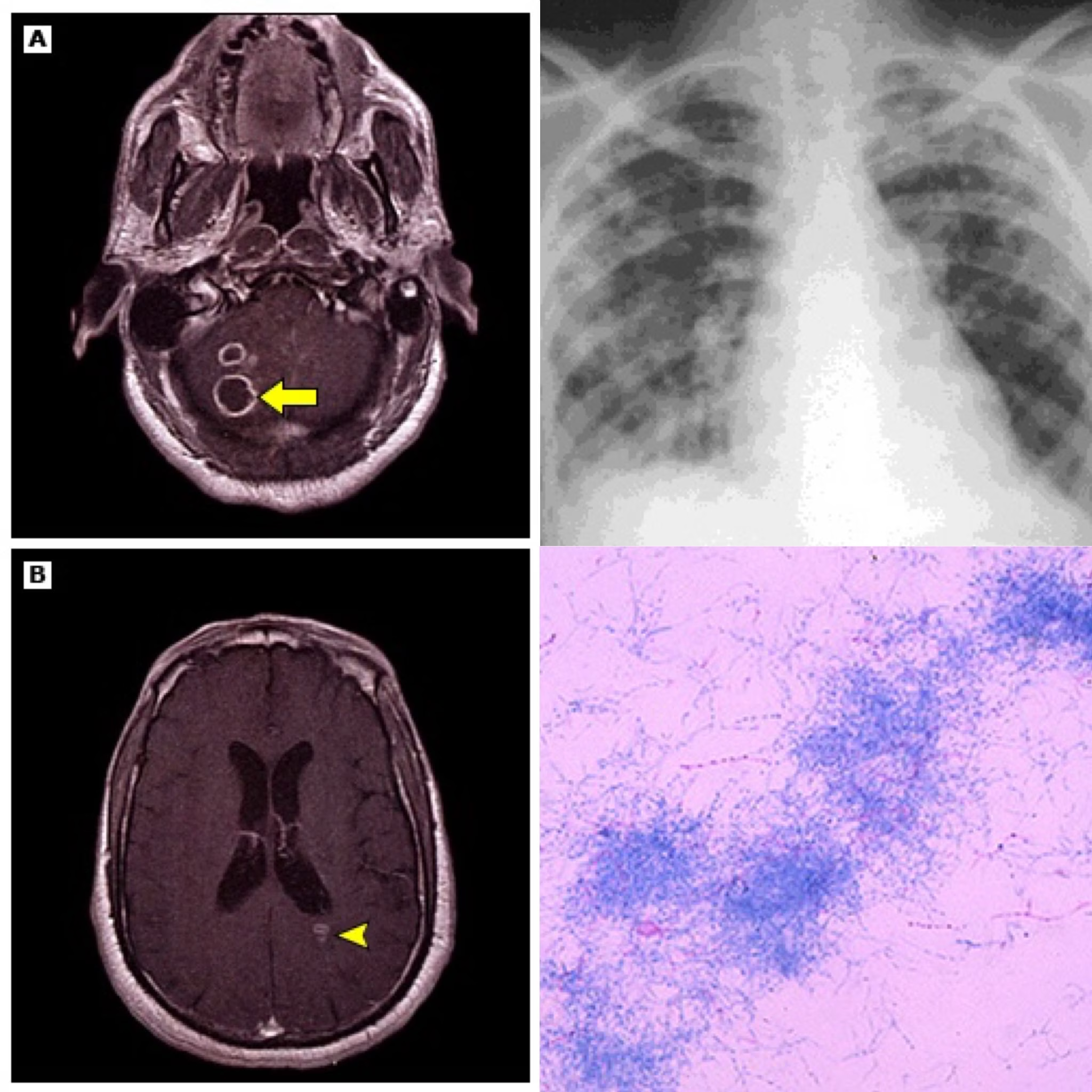
Nocardiosis is an infection caused by Nocardia – a branching, filamentous, gram-positive bacteria found in the soil and aquatic environment – which becomes airborne and causes (most commonly) pulmonary infections. In contrast to to Actinomyces, Nocardia exhibits partial acid-fastness on staining and grows under aerobic conditions. This organism can also…

Understanding mechanical ventilation is a fundamental part of intensive care and perioperative medicine. Here’s an overview of the basics. Keep in mind that clinically, there are many more things to consider, exceptions to rules, hybrid ventilator modes, and other strategies that I will not cover for the sake of maintaining…
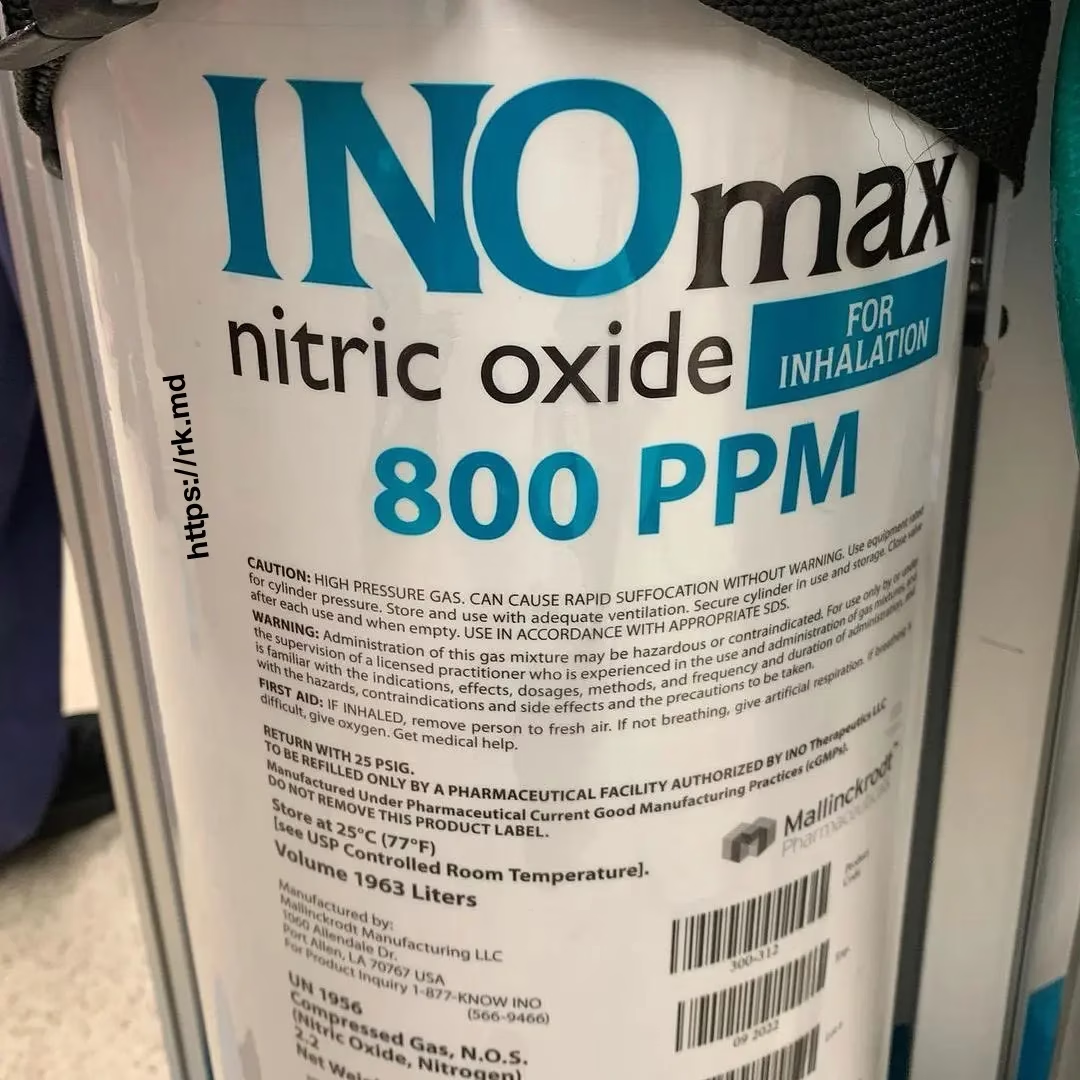
Nitric oxide is a molecule normally made by vascular endothelial cells to decrease vascular resistance in both the systemic and pulmonary circulations. Inhaled nitric oxide (iNO) is an (expensive) pulmonary dilator I frequently use in the OR and ICU settings for patients with acute right heart failure, refractory hypoxemia, pulmonary…