• Kommerell Diverticulum

    Kommerell Diverticulum

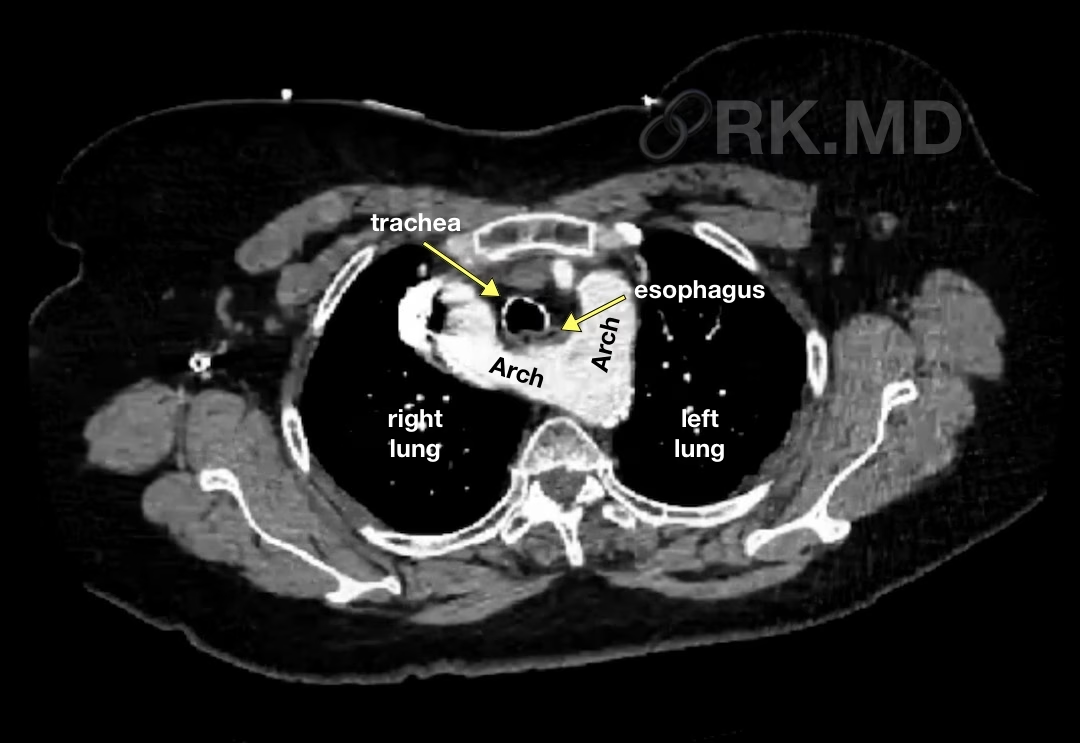
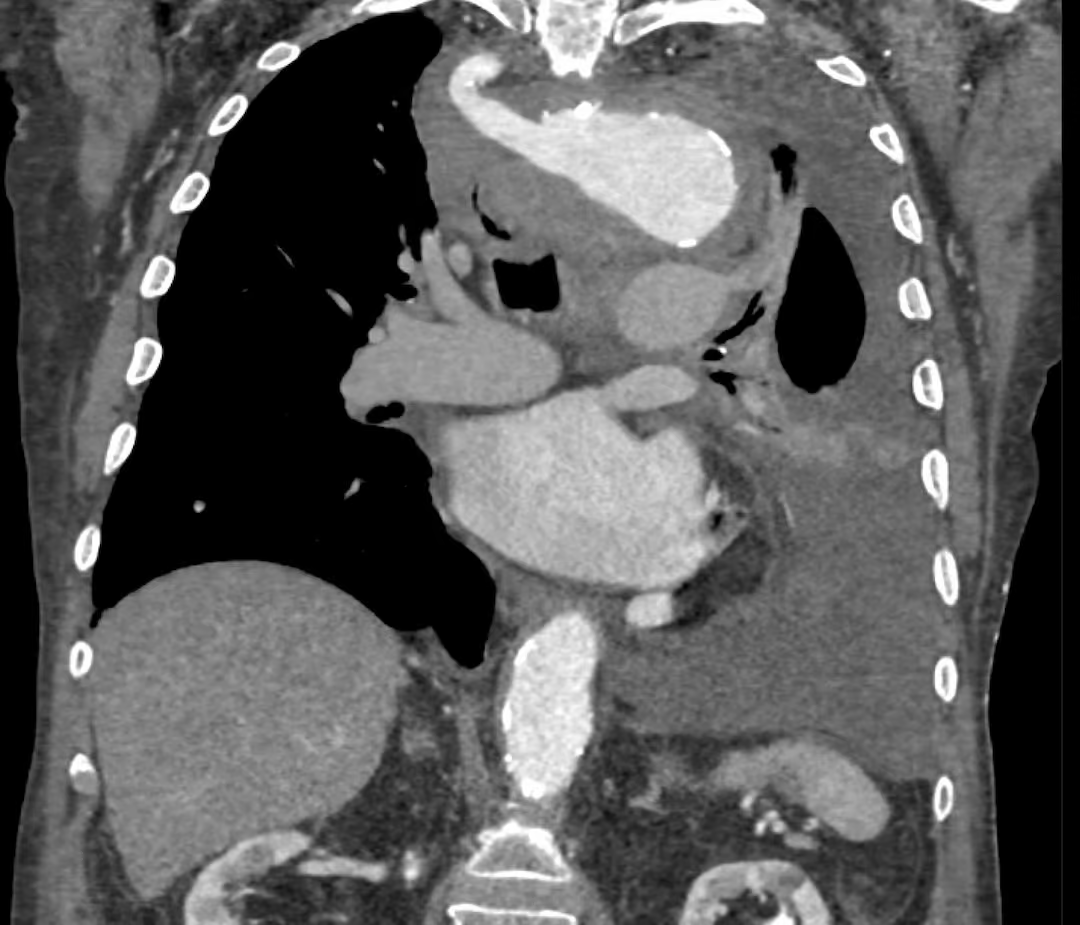
    Kommerell diverticulum (KD) is a rare vascular anomaly typically involving a right-sided aortic arch with an aberrant left subclavian artery. However, variations like a left-sided arch with an aberrant right subclavian artery exist. This condition results from the persistence of an embryonic vascular remnant – the dorsal segment of an…
    Read More

  • Right-Sided Aortic Arch (RAA)

    Right-Sided Aortic Arch (RAA)

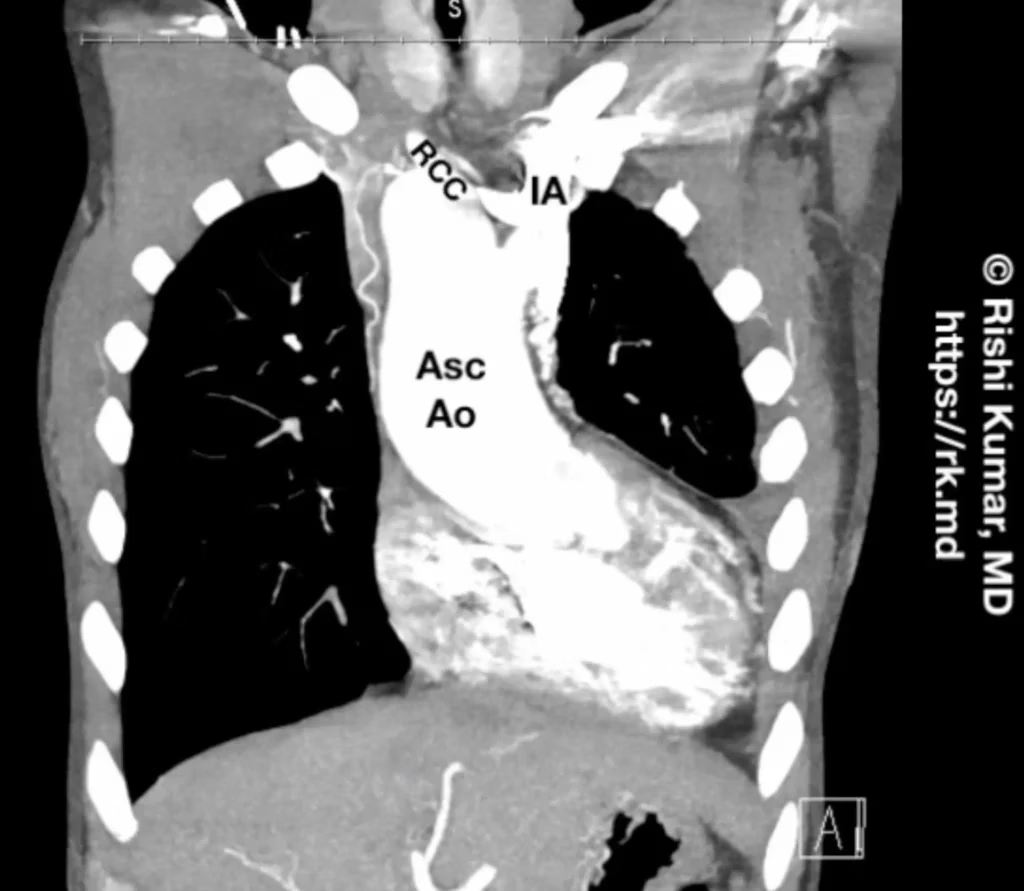
    Right-sided aortic arch (RAA) is a rare (~0.1% of the population) anatomical variation of the aorta’s position and branching pattern. It is associated with congenital heart defects (truncus arteriosus, Tetralogy of Fallot) and chromosomal abnormalities (DiGeorge syndrome, Down syndrome). There are several types of right-sided aortic arch, each characterized by…

    Read More

  • Left Atrial Appendage Ligation

    Left Atrial Appendage Ligation

    The left atrial appendage (LAA) is a small pouch located within the pericardium close to the left ventricular free wall and in continuity with the upper body of the left atrium (LA). Due to its compliance and anatomic location, it serves as a decompression chamber when the LA pressure is…

    Read More

  • Double Aortic Arch

    Double Aortic Arch

    During embryogenesis, the aortic sac is connected to paired dorsal aortae via six symmetrical aortic (Ao) arches, which give rise to major vascular structures. For example, the right and left common carotid arteries originate from the right and left third arches, respectively. The proximal right subclavian artery is formed from…

    Read More

  • Fundoscopic Examination

    Fundoscopic Examination

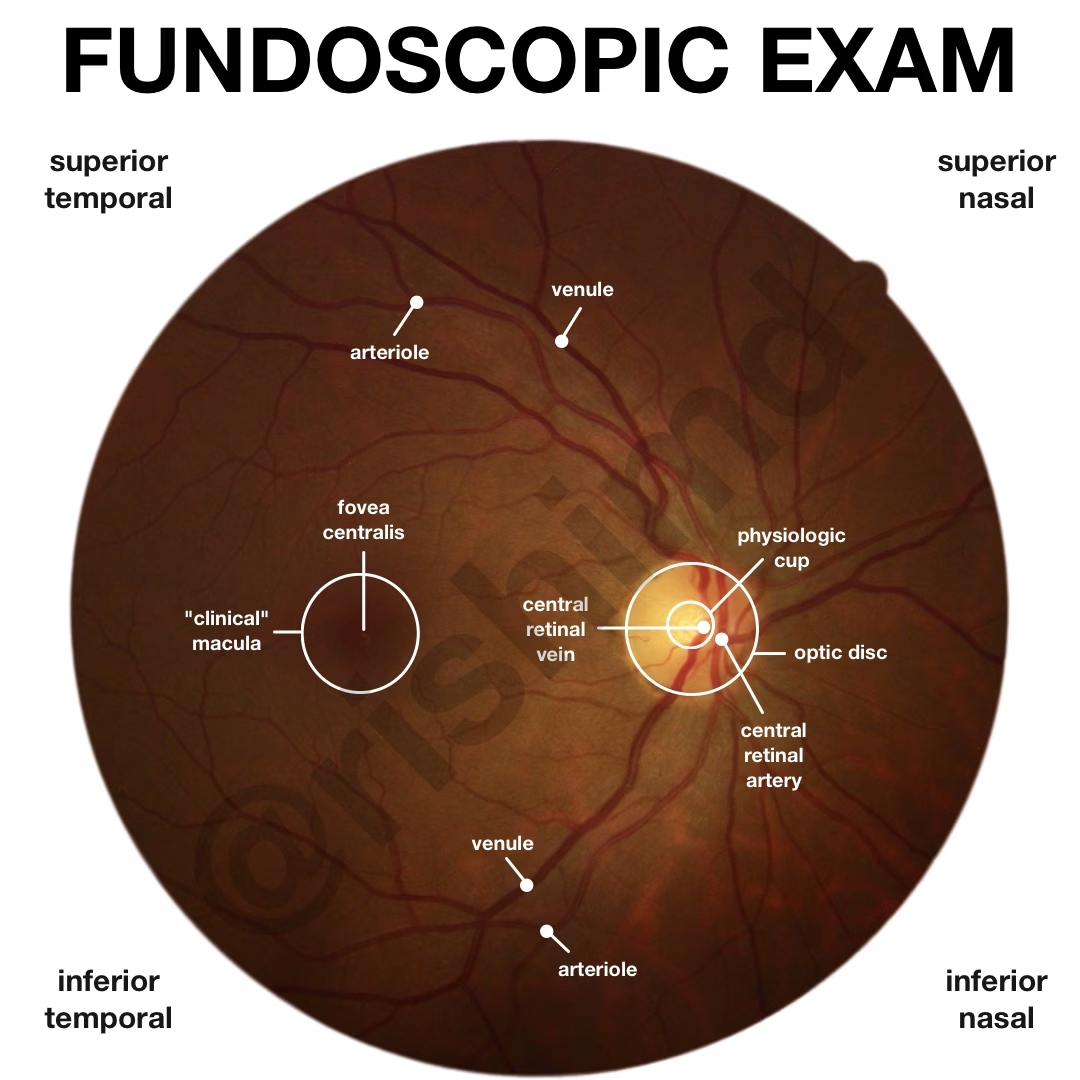
    Fundoscopy examines the interior, back surface of the eye, including the retina, blood vessels, macula, and optic disc. Before learning pathology, one must first understand the “normal” anatomy of the retina. Let’s use a digital image of my right eye’s retinal structures for this purpose! The visualized field can be…

    Read More

  • Persistent Left Superior Vena Cava (SVC)

    Persistent Left Superior Vena Cava (SVC)

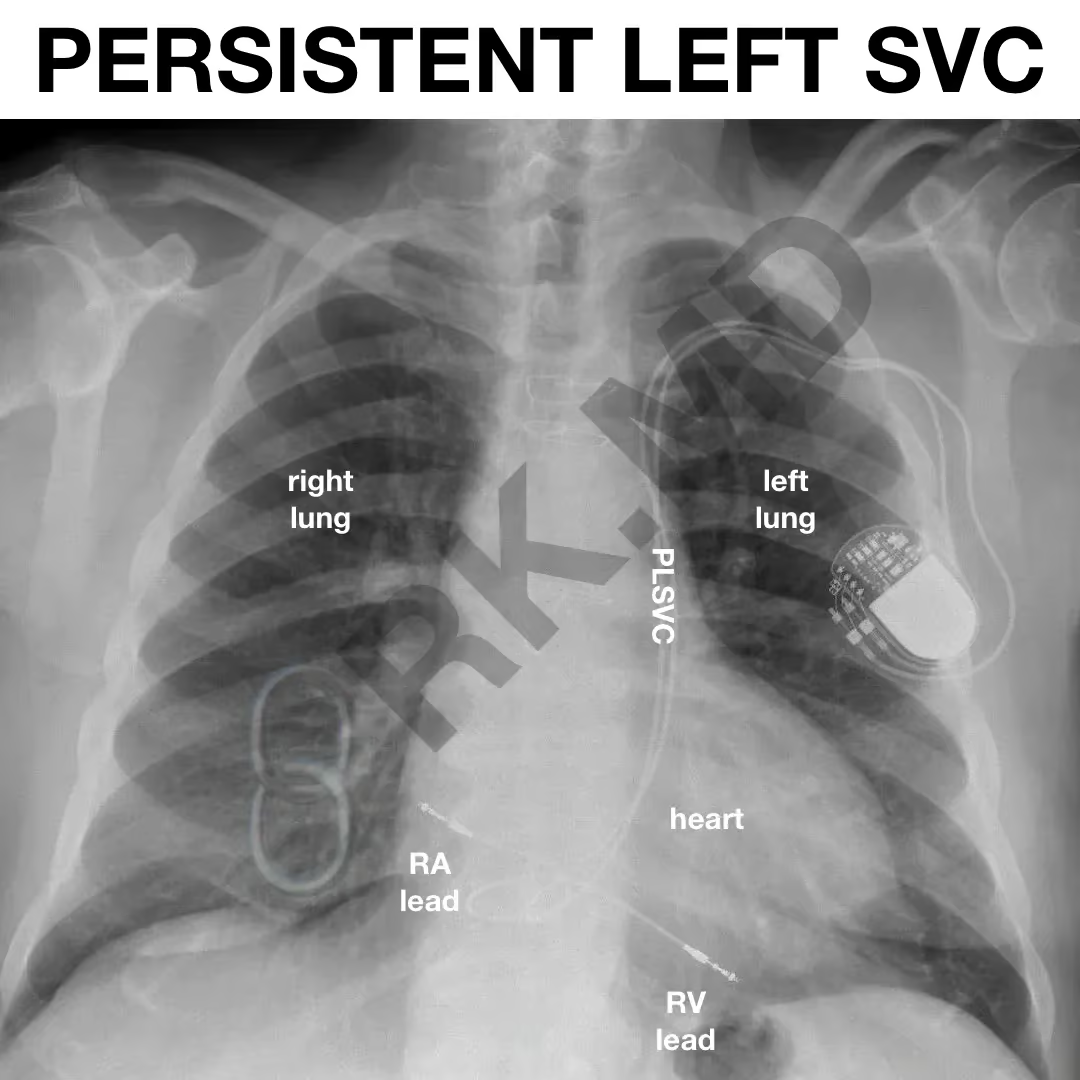
    Persistent left superior vena cava (PLSVC) is a rare (~0.5% of the general population) venous anomaly when the left superior cardinal vein fails to degenerate. This can make entering the right heart from the left upper body (e.g., pacing leads, PA catheters, etc.) more challenging as the PLSVC drains directly…

    Read More

  • Zones Of The Aorta

    Zones Of The Aorta

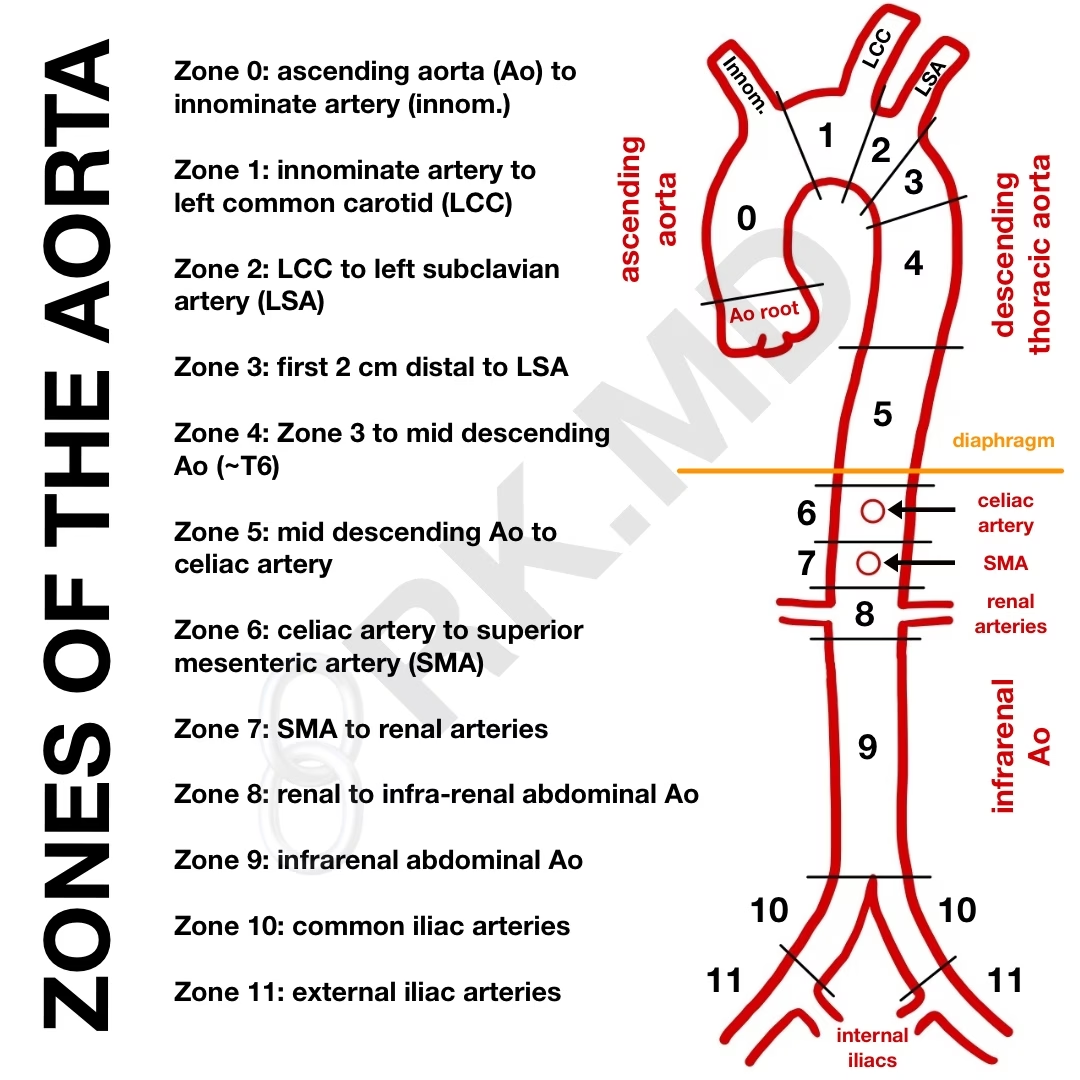
    As a cardiothoracic anesthesiologist and intensivist, I care for many patients in the OR and ICU who have aortic aneurysms or dissections undergoing open/endovascular repair. It’s important to localize the aortic pathology to determine the timing of intervention, the need for additional monitors (e.g., evoked potentials, lumbar drains, etc.), and…

    Read More

  • Anatomical Lungs Emoji
  • Anatomical Heart Emoji

    Anatomical Heart Emoji

    The “anatomical heart” was approved with Unicode 13.0 in 2020 and added to Emoji 13.0 the same year. Its appearance varies based on the platform (Apple, Google, Samsung, Facebook, etc), but below, I’ve labeled the iOS version with relevant anatomy… because I got bored one morning. 🤓

    Read More

  • Situs Inversus Totalis

    Situs Inversus Totalis

    Situs inversus totalis is a rare (0.01% of the population) condition where patients have a mirror-image reversal of their internal chest and abdominal organs. For example, the heart is in the right chest, the liver in the left upper abdominal quadrant, and the stomach/spleen in the right upper quadrant. Because…

    Read More