• Ozaki Procedure – Autologous Pericardial Aortic Valve

    Ozaki Procedure – Autologous Pericardial Aortic Valve

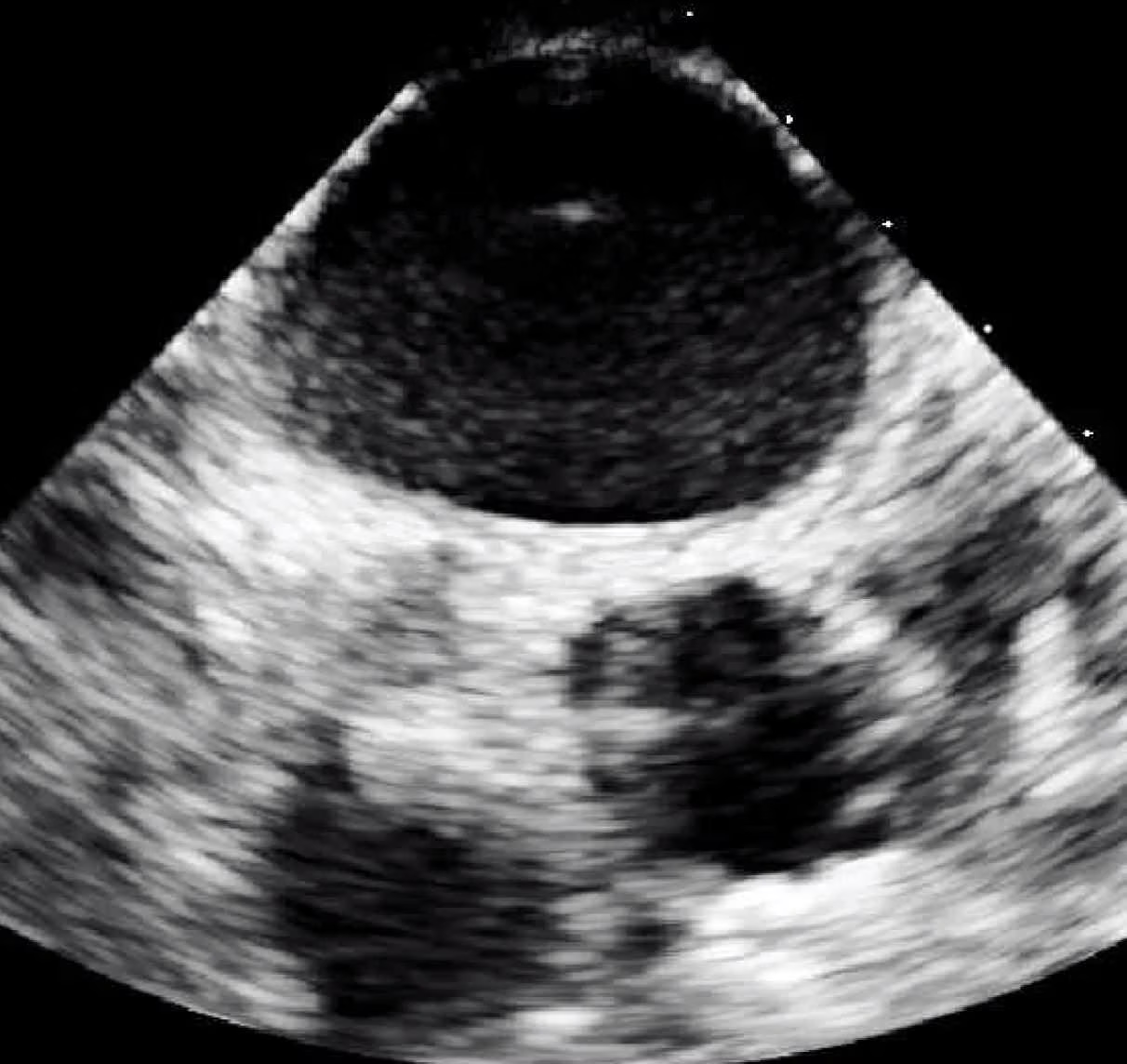
    In my first year of anesthesiology residency, I had the opportunity to do a very unique aortic valve replacement (AVR) case for aortic stenosis – the Ozaki repair performed by Dr. Ozaki himself! This incredible surgeon pioneered a technique using the patient’s own pericardium (lining that surrounds the heart) treated…
    Read More

  • Epiaortic Ultrasound (EAS)

    Epiaortic Ultrasound (EAS)

    Today’s didactic lecture on epiaortic ultrasonography was given by one of my wonderful cardiothoracic anesthesiology attendings – Dr. Jeff Swanson. As part of traditional cardiac surgeries, the aorta can be extensively manipulated – especially when performing arterial cannulation and applying the aortic cross-clamp. This can dislodge plaques systemically leading to…

    Read More

  • The Heart’s Fibrous Skeleton

    The Heart’s Fibrous Skeleton

    There’s a complex yet beautiful architecture within the heart’s fibrous skeleton and valvular geometry. To become a proficient perioperative echocardiographer, one must understand these spatial relationships in three dimensions and the implications that specific surgeries can have on multiple anatomic regions.

    Read More

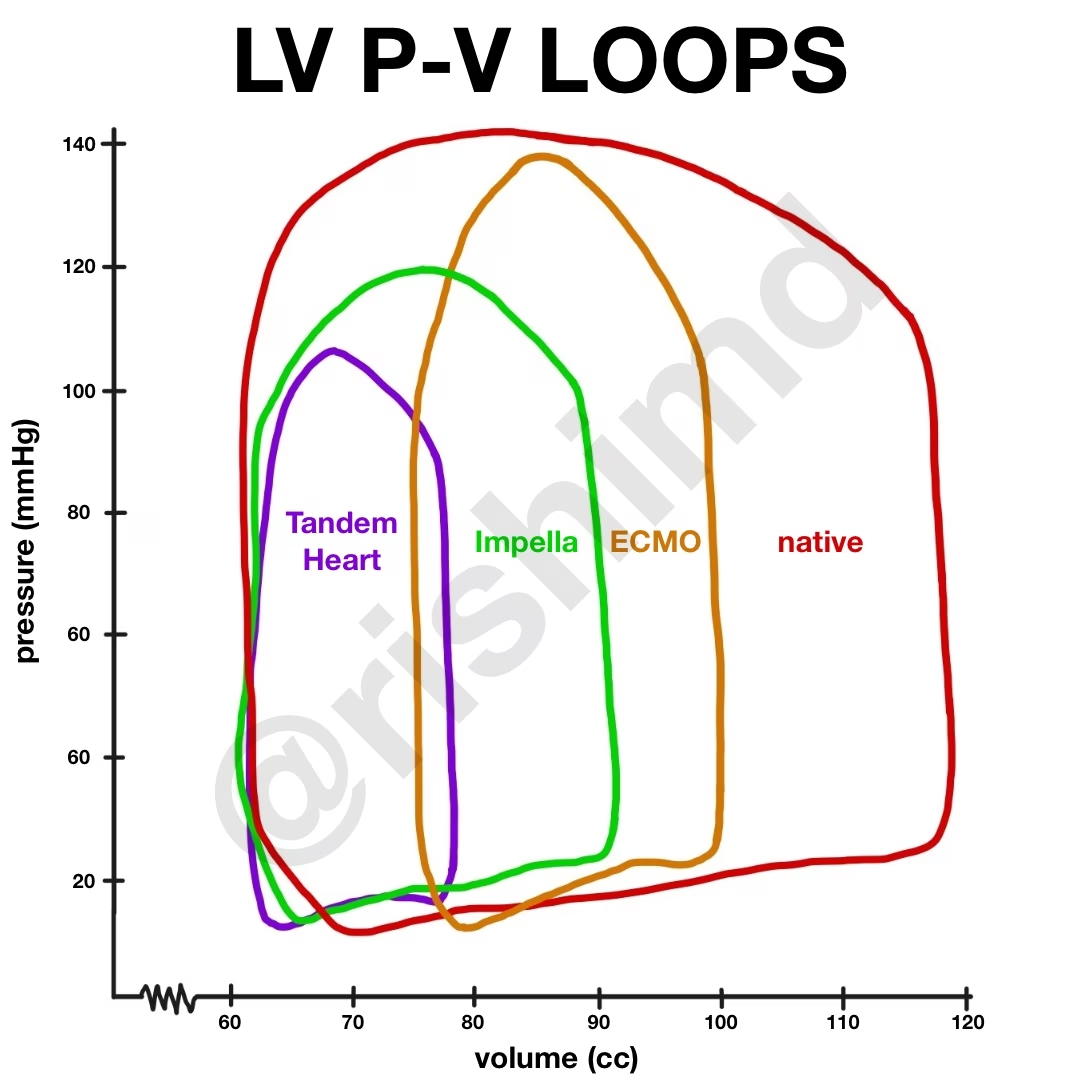
  • Left Ventricular Pressure-Volume Work Loop With Mechanical Circulatory Support
  • Starling Equation – Hydrostatic and Oncotic Pressures

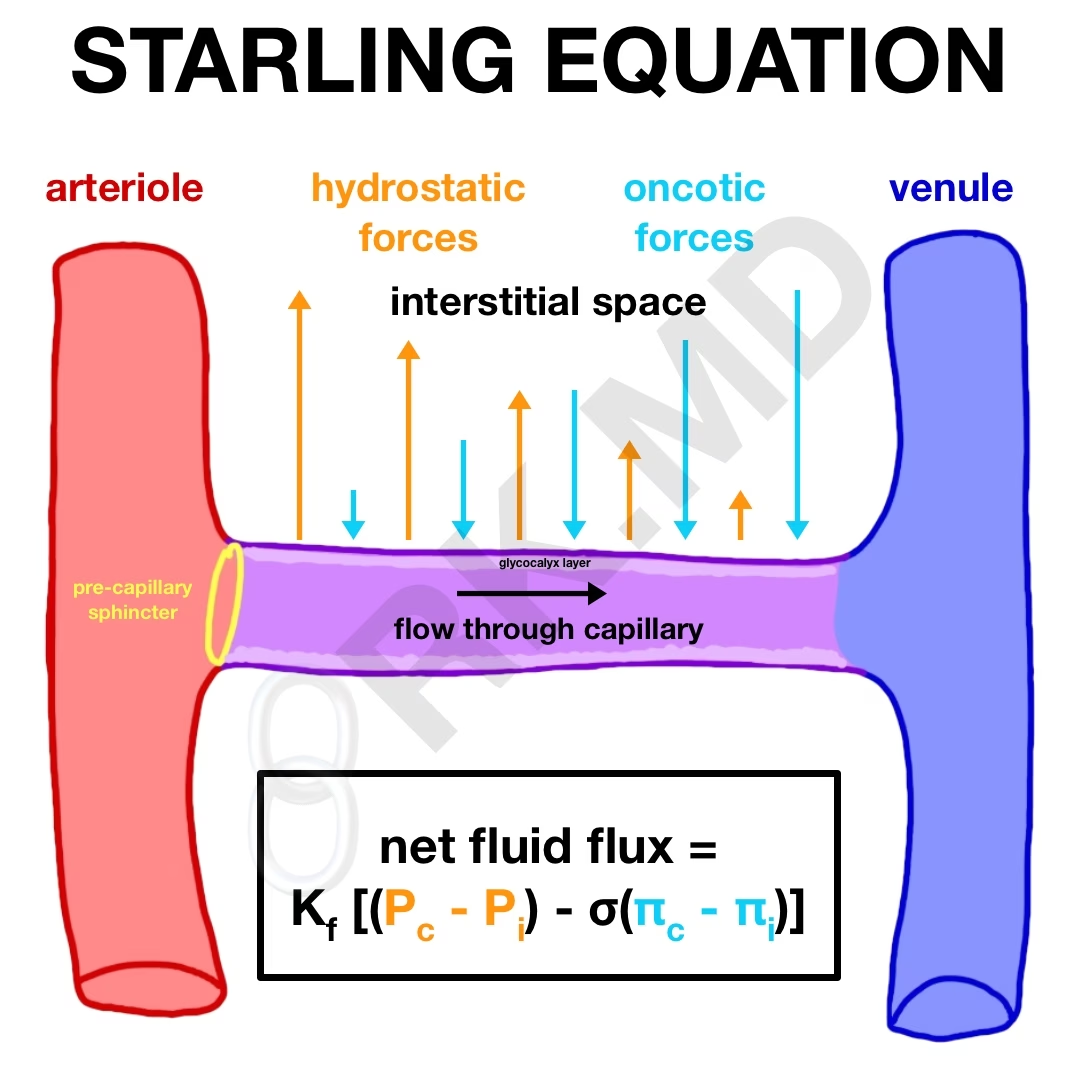
    Starling Equation – Hydrostatic and Oncotic Pressures

    “Starling forces” describe the movement across capillaries as a balance between hydrostatic and oncotic pressure gradients within the capillary and surrounding interstitium. Filtration across the capillary membrane occurs along its entire length and is based on a net driving pressure gradient.

    Read More

  • Systolic Anterior Motion (SAM) Of The Mitral Valve – Left Ventricular Outflow Tract (LVOT) Obstruction

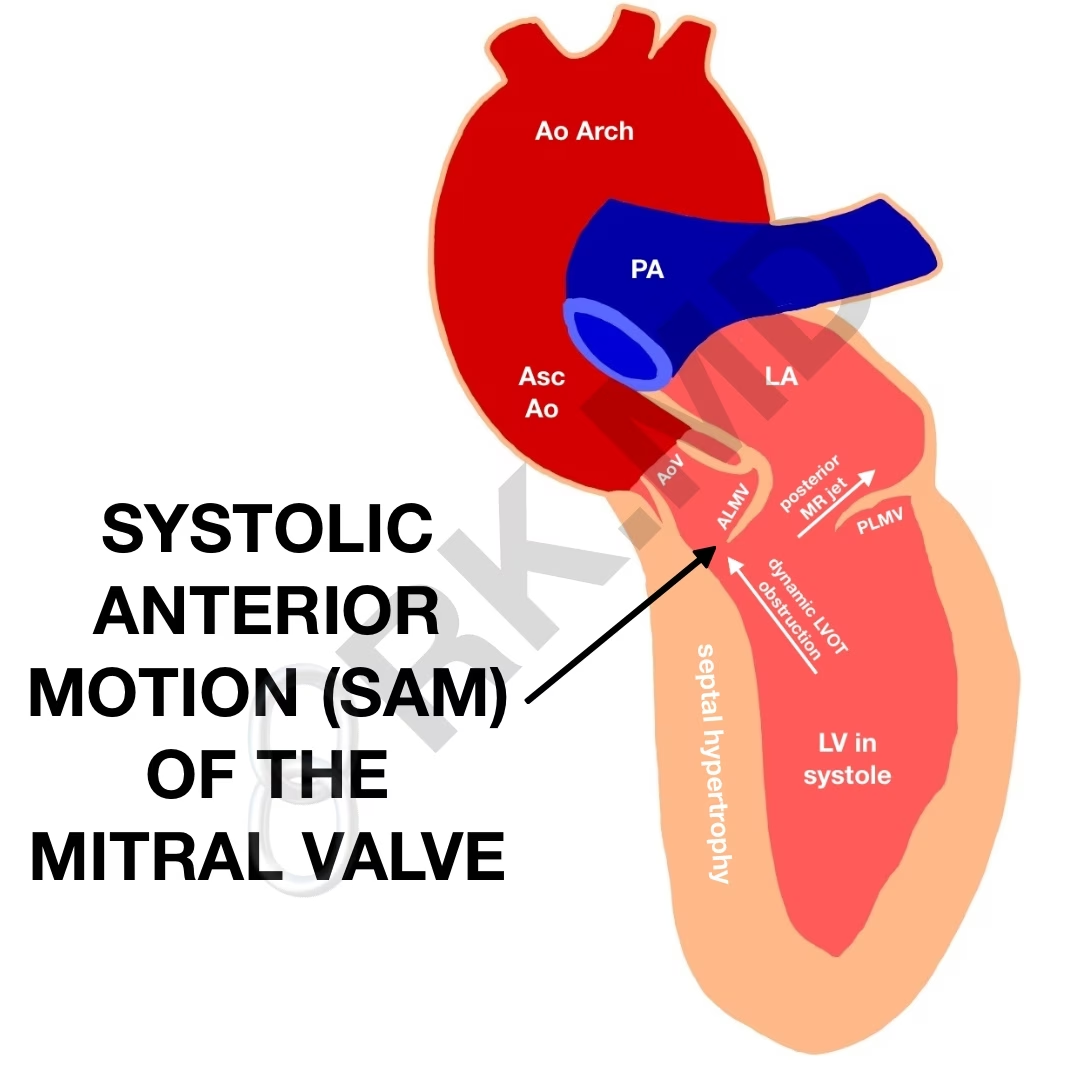
    Systolic Anterior Motion (SAM) Of The Mitral Valve – Left Ventricular Outflow Tract (LVOT) Obstruction

    Left ventricular outflow tract (LVOT) obstruction is a potentially catastrophic etiology for hypotension due to several etiologies: idiopathic hypertrophic subaortic stenosis (IHSS), hypertrophic obstructive cardiomyopathy (HOCM), systolic anterior motion (SAM) of the mitral valve, and even mid-cavity obstructive hypertrophic cardiomyopathy. These obstructions can be dynamic in nature and consequently vary…

    Read More

  • Surgical Steps In Bilateral Lung Transplantation

    Surgical Steps In Bilateral Lung Transplantation

    A standard double lung transplantation includes a series of steps involving incision (median sternotomy or clamshell thoracotomy), cardiopulmonary bypass (CPB) in many cases, right and left pneumonectomies of the native lungs, preparation of the donor lungs, and implantation of the donor lungs. For the purposes of this post, I’ll talk…

    Read More

  • What Is Pleurodesis?

    What Is Pleurodesis?

    Pleurodesis aims to obliterate the intrapleural space in patients with recurrent malignant/non-malignant effusions and recurrent pneumothorax. In mechanical pleurodesis, surgeons usually perform a video-assisted thoracoscopic surgery (VATS), identify the parietal pleura, and rub an abrasive material against the parietal pleura. In chemical pleurodesis, agents like talc, minocycline, betadine, doxycycline, and silver nitrate…

    Read More

  • What Is An Impella?

    What Is An Impella?

    Impella® is a percutaneous axial heart pump placed retrograde across the aortic valve into the left ventricle (LV) utilizing fluoroscopy +/- echocardiography. Its indications include high-risk percutaneous coronary intervention (PCI, especially cardiogenic shock or signs of ongoing ischemia), post-cardiotomy failure, and myocarditis. In addition, it is routinely used as a…

    Read More

  • What Is Cardiopulmonary Bypass (CPB)

    What Is Cardiopulmonary Bypass (CPB)

    This post outlines the steps in traditional, central cannulation for cardiopulmonary bypass (CPB). Depending on the nature of the surgery and the patient’s comorbidities, other sites are often cannulated (left heart bypass, femoral-femoral peripheral cannulation, etc.)

    Read More