• My Second Stethoscope – Littmann Master Cardiology Black Edition
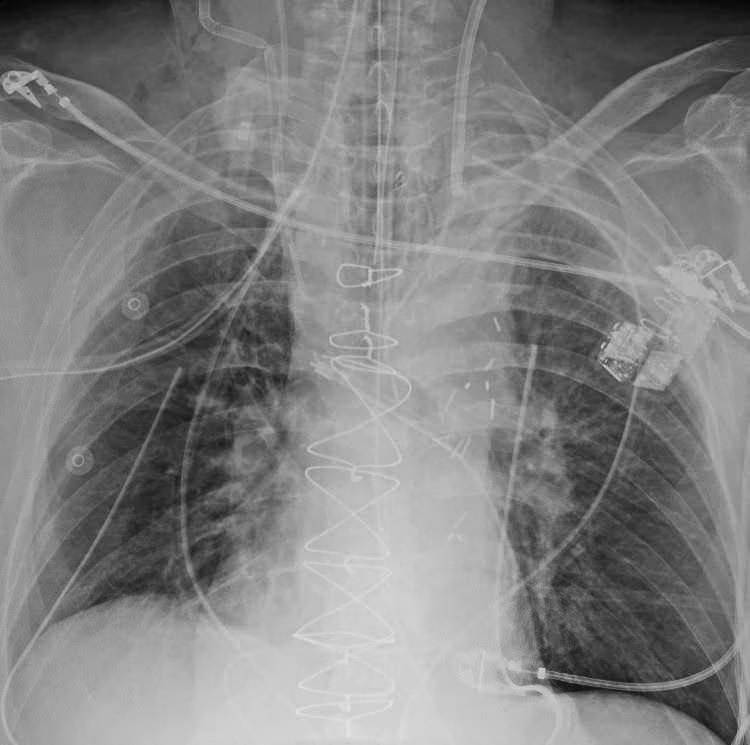
  • Finished First Rotation In Thoracic ICU

    Finished First Rotation In Thoracic ICU

    Our thoracic ICU rotation is perhaps the most difficult rotation we have as anesthesia critical care fellows. For two weeks, we’re q2 call (meaning on call every other day). The patients are super sick, but the pathologies are incredibly fascinating.

    Read More

  • Finished First Block Of Cardiac ICU

    Finished First Block Of Cardiac ICU

    As a critical care fellow, I’ll spend a total of two months (four, 2-week rotations) in the cardiac intensive care unit (ICU). I just finished my first rotation there and got to befriend many of the cardiac surgery attendings and fellows who I’ll be working alongside in the operating room…

    Read More

  • Cardiac Output With LVOT Measurements Using Echocardiography

    Cardiac Output With LVOT Measurements Using Echocardiography

    It’s possible to utilize transthoracic echocardiography (TTE), a noninvasive technique, to estimate a patient’s cardiac output. I’ll use some images from an echo I performed on a patient with a depressed left ventricular ejection fraction on low dose pressors. Yes, I know the echo images aren’t perfect. :-PWe know that cardiac…

    Read More

  • Tricuspid Annular Plane Systolic Excursion (TAPSE)

    Tricuspid Annular Plane Systolic Excursion (TAPSE)

    Due to the right ventricle’s (RV) unique geometry and cylindrical contraction pattern, assessing its function in echocardiography can be difficult. One of the more simple and reproducible techniques used to determine RV function is the tricuspid annular plane systolic excursion (TAPSE).  This is easy to do at the bedside using…

    Read More

  • Surgical Steps In Coronary Artery Bypass Grafting (CABG)

    Surgical Steps In Coronary Artery Bypass Grafting (CABG)

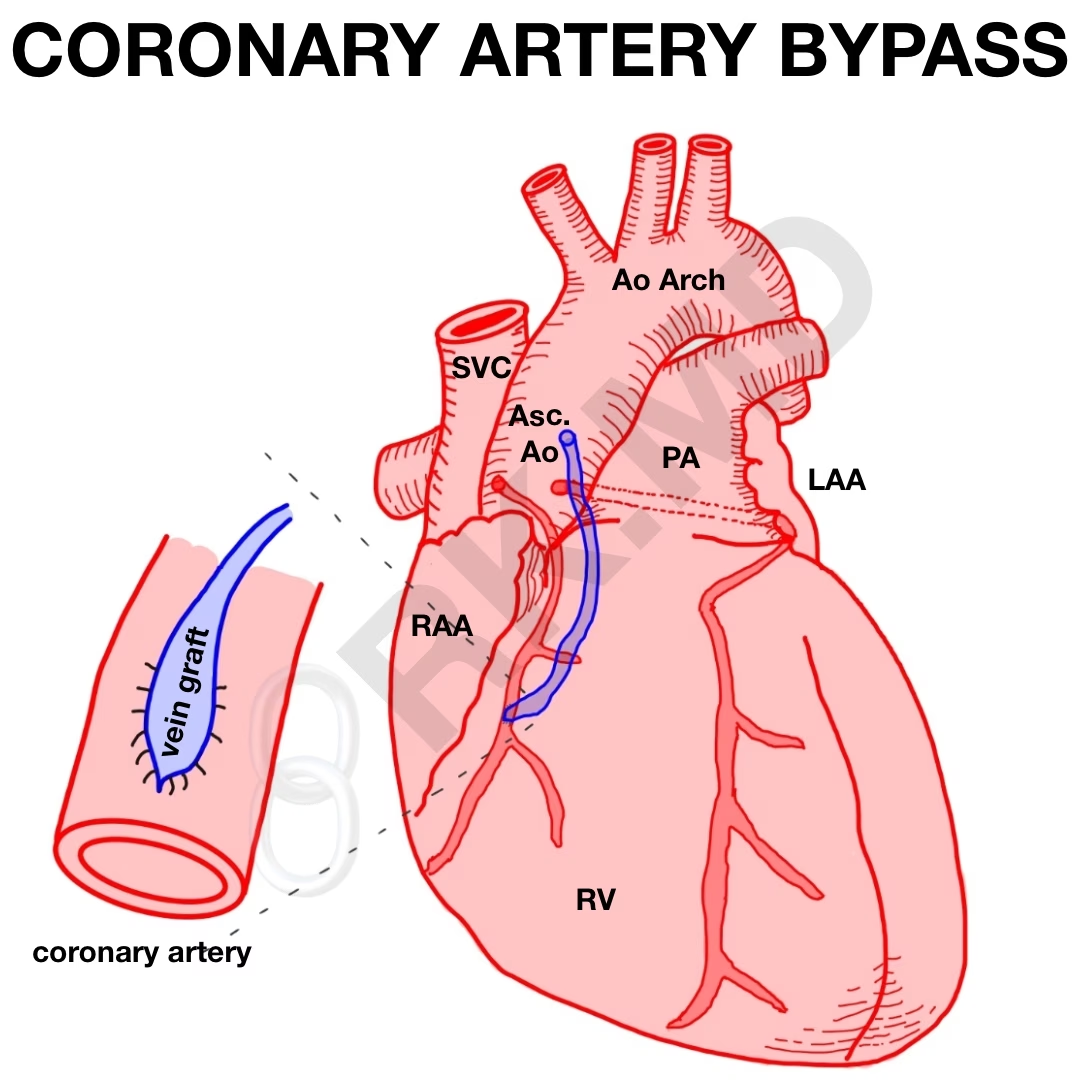
    It’s important for me to consider the surgical steps and potential areas of difficulty/complications which may arise intraoperatively. Although each procedure must be tailored to a patient’s unique set of comorbidities and surgical factors, I wanted to outline the basic steps involved in routine coronary artery bypass grafting (CABG). First,…

    Read More

  • What Is An Intra-Aortic Balloon Pump (IABP)?

    What Is An Intra-Aortic Balloon Pump (IABP)?

    The intra-aortic balloon pump (IABP) is a form of mechanical circulatory support used in cardiogenic shock, facilitating separation from cardiopulmonary bypass, percutaneous coronary interventions, unstable angina, and thrombolytic therapy following myocardial infarction. The device is introduced from the femoral artery and guided into the aorta until its tip is distal…

    Read More

  • Frank-Starling Law

    Frank-Starling Law

    The Frank-Starling law of the heart is one of the most important intrinsic properties of cardiac muscle. It states that a change in venous return (preload) confers a change in the force of cardiac contraction (stroke volume or cardiac output) through increased sarcomere lengthening and excitation-contraction coupling of the muscle fibers.

    Read More

  • Functional Residual Capacity (FRC) And Pulmonary Vascular Resistance (PVR)
  • Ventilation Modes Change Cardiac Output

    Ventilation Modes Change Cardiac Output

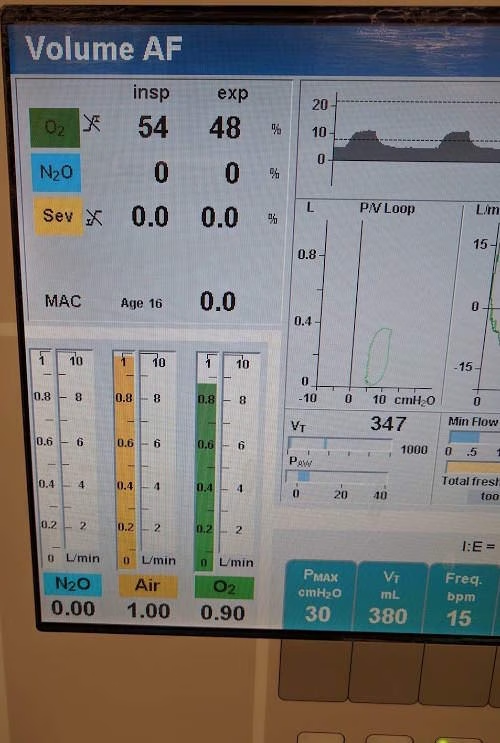
    Take a deep breath. Your diaphragm is contracting downward increasing your intrathoracic volume with a resulting decrease in pressure according to Boyle’s Law. This new pressure is less than that of atmospheric pressure (“negative intrathoracic pressure”), so a gradient is created driving air into your lungs.

    Read More