• Acute Hemodynamic Management – Aggressive Undertreatment

    Acute Hemodynamic Management – Aggressive Undertreatment

    This post was inspired by a discussion I had with Dr. Les Yarmush, one of my cardiothoracic anesthesia attendings. I’ve become accustomed to titrating many short acting medications to manage hemodynamics in the ICU and operating room arenas. I like to factor in a patient’s comorbidities and “test” their response…

    Read More

  • Maintain Coronary Perfusion!

    Maintain Coronary Perfusion!

    Maintaining coronary perfusion pressure (CPP) is arguably the most important objective in cardiac anesthesiology. CPP is defined as the difference between aortic diastolic pressure (AoDP) and left ventricular end-diastolic pressure (LVEDP) when describing perfusion to the left ventricle. CPP = AoDP – LVEDP Coronary arteries originate from the aortic root,…

    Read More

  • Hypotension With Initiation Of Cardiopulmonary Bypass

    Hypotension With Initiation Of Cardiopulmonary Bypass

    Cardiopulmonary bypass (CPB) circuits are typically primed with ~1500 cc of volume (crystalloid, colloid, and/or blood). Thus, if a 70-kilogram male (~5-liter blood volume) is placed on CPB, one would expect his hematocrit to drop by 30-40% (hemodilution) with a subsequent decrease in systemic vascular resistance (SVR) –  the primary mechanism…

    Read More

  • Finished With Week 1 Of VA Cardiothoracic Anesthesia

    Finished With Week 1 Of VA Cardiothoracic Anesthesia

    I completed my first week of cardiothoracic anesthesiology at the Veterans Affairs Hospital, and it has been wonderful! Compared to my last month at the Texas Heart Institute, the VA typically handles only 1-2 cardiothoracic cases daily, allowing me ample time to practice echocardiography and study cardiac physiology. I’ve mainly…

    Read More

  • ACLS/BLS Recertification 2016

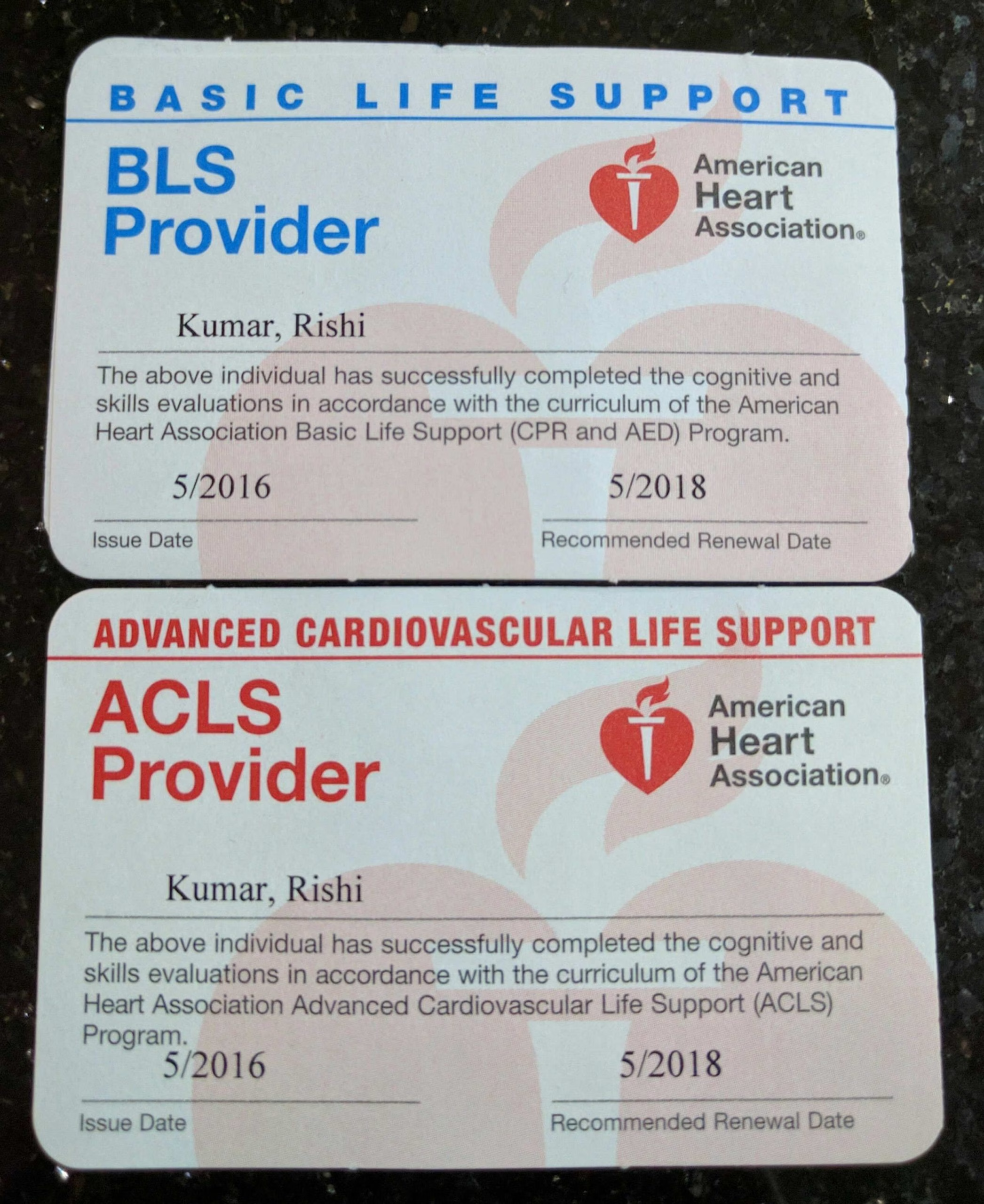
    ACLS/BLS Recertification 2016

    Yesterday was a “research day” for the surgery department, so most of the elective surgeries didn’t start till around 1:30 PM. In the meantime, the anesthesia providers were scrambling all over the hospital throughout the morning and managed to stay organized with all the scheduled afternoon cases plus add-on cases. …

    Read More

  • Halfway Done With Cardiothoracic Anesthesia As A CA-2

    Halfway Done With Cardiothoracic Anesthesia As A CA-2

    With half this rotation under my belt, I wanted to reflect on how my initial trepidation has transformed into enthusiasm doing cardiovascular anesthesiology. At the end of December, I had been out of the “general anesthesia” mode for months. Naturally, I was somewhat concerned that even tracheal intubation would be difficult. 

    Read More

  • My Beloved Stethoscope

    My Beloved Stethoscope

    The stethoscope is undoubtedly one of medicine’s most recognizable symbols. I’ve had the same Littmann Cardiology III stethoscope since the beginning of medical school, but only today did I really reflect on how far we’ve come as a pair in this journey of medical training.

    Read More

  • Passive Oxygenation During One Lung Ventilation

    Passive Oxygenation During One Lung Ventilation

    I’ll be spending the next two months at Texas Heart Institute, a nationally-recognized institution pioneering and delivering unparalleled care in cardiothoracic medicine and surgery. So far I’ve done a home call, in-house call, and a “regular day” before having another in-house call shift tomorrow. The cases here are incredible, and…

    Read More

  • What Is A Left Ventricular Assist Device (LVAD)?

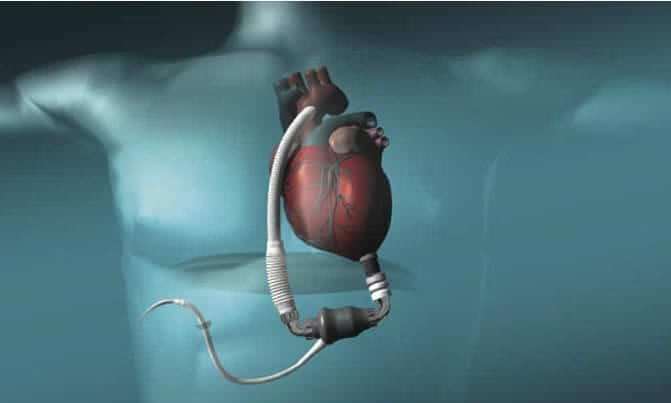
    What Is A Left Ventricular Assist Device (LVAD)?

    Ventricular assist devices (VADs) can support the right (RVAD) and left (LVAD) ventricles and were initially utilized as mechanical circulatory support devices for bridge-to-transplant (BTT) in heart failure. Modern continuous flow VADs are also being used for destination therapy (DT) for those who are not candidates for cardiac transplantation or are too ill to…

    Read More

  • Onto CA-1 Cardiac Anesthesia!

    Onto CA-1 Cardiac Anesthesia!

    As a first year anesthesia resident, I’ve already done roughly 10 cases requiring cardiopulmonary bypass (all of which had Swan-Ganz catheters too), but now I’m officially starting my dedicated “cardiovascular” (CV) week.

    Read More