• Fluid Warmers

    Fluid Warmers

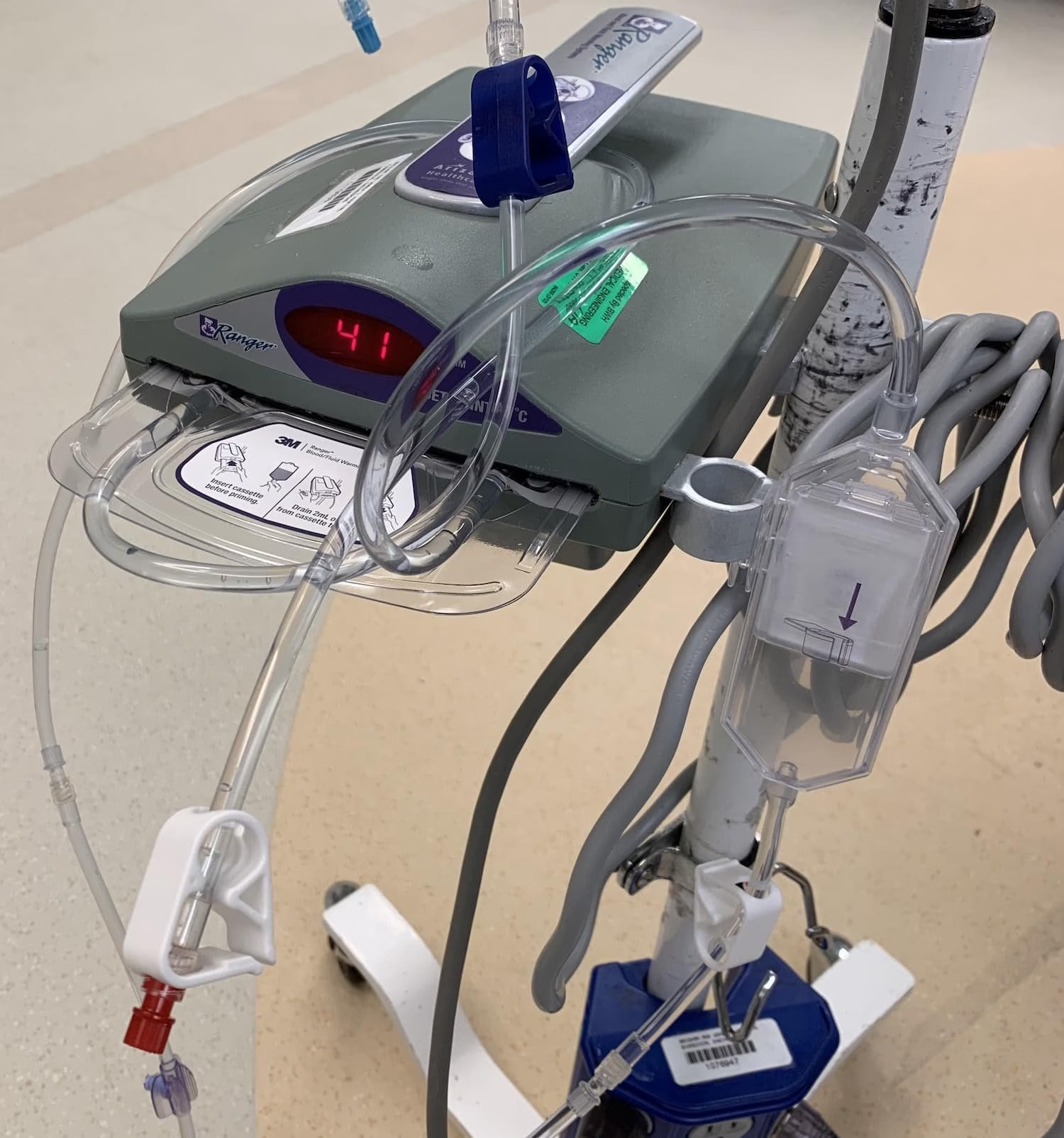
    Hypothermia has a profound impact on the entire body – it compromises the immune system leading to a higher risk of post-operative wound infections, promotes coagulopathy, decreases drug metabolism and wound healing, delays emergence from anesthesia, alters mental status, and negatively affects hemodynamics. As an anesthesiologist and intensivist, I’m often…
    Read More

  • Peripheral Nerve Stimulator

    Peripheral Nerve Stimulator

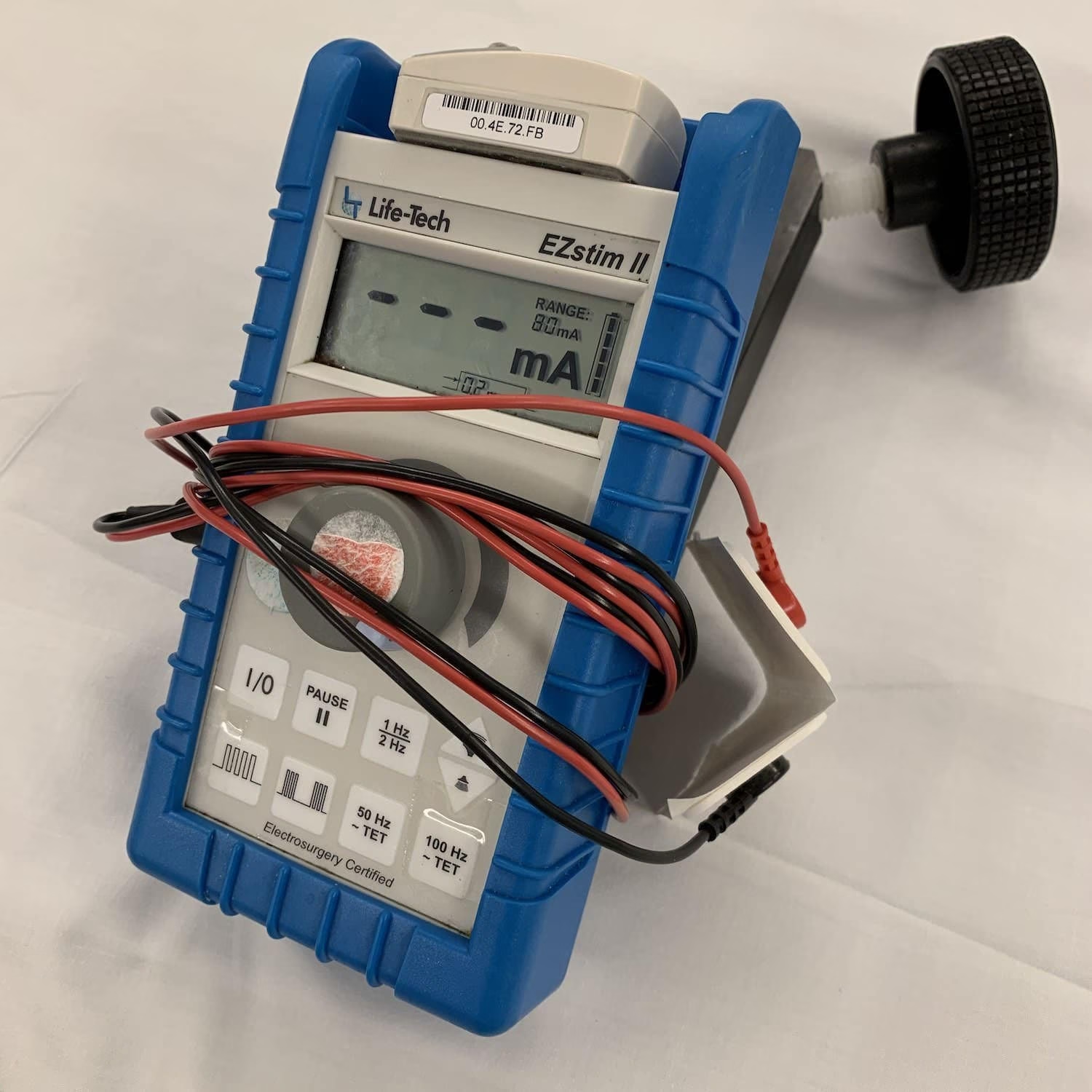
    The peripheral nerve stimulator can deliver different types of stimuli to elicit an assessment of the depth of neuromuscular blockade. This is an important monitor when using neuromuscular blocking agents (NMBAs) since there’s tremendous variability in how patients respond based on how concurrent comorbidities/pharmacotherapy that can shorten or prolong the…

    Read More

  • Bispectral Index (BIS) Monitor

    Bispectral Index (BIS) Monitor

    The bispectral index (BIS) monitor is a noninvasive derivative of the electroencephalogram (EEG) used to assess the depth of anesthesia to help prevent intraoperative awareness – a rare (~ 0.1% of general anesthetics) but serious complication that can lead to post-traumatic stress disorder (PTSD). To avoid this, some providers run…

    Read More

  • Pulse Contour Analysis

    Pulse Contour Analysis

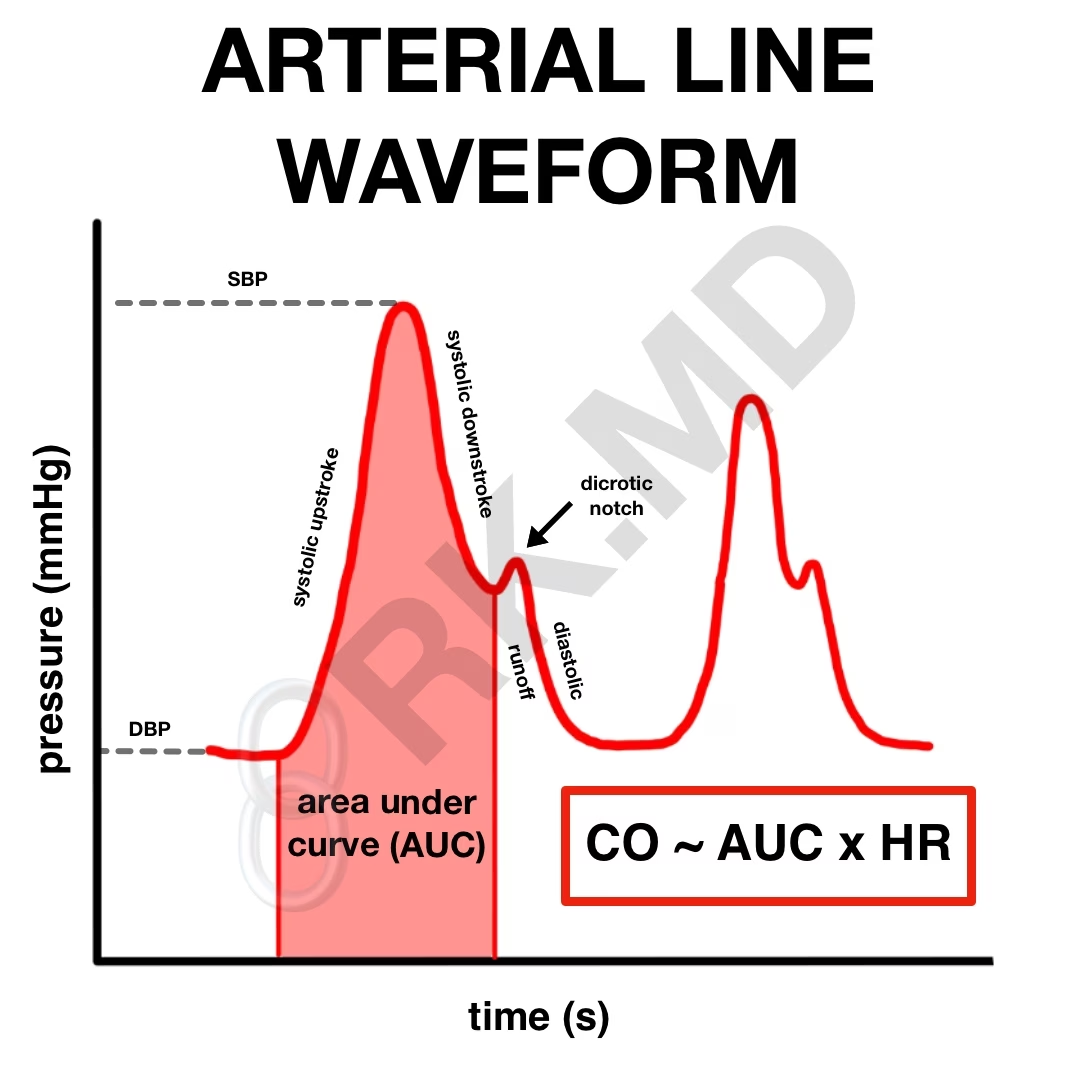
    Described over a century ago, pulse contour analysis was purported to be a surrogate for cardiac output. This technique calculates the area under the systolic portion of the arterial pressure curve. This area changes during the respiratory cycle due to changes in intrathoracic pressure and subsequent changes in ventricular preload…

    Read More

  • Pressure Transducers And Arterial Line Waveforms

    Pressure Transducers And Arterial Line Waveforms

    Pressure transducers are a cornerstone for measuring arterial, central venous, pulmonary artery, and even intracranial pressures. These transducers operate through a Wheatstone bridge, a circuit with an arrangement of resistors of known resistance except for one. This unknown resistor is a strain gauge coupled to your pressure of interest (A-line, CVP, etc.)…

    Read More

  • Measuring And Interpreting Intracranial Pressure (ICP) Waveforms

    Measuring And Interpreting Intracranial Pressure (ICP) Waveforms

    Managing elevated intracranial pressure (ICP) is of paramount importance in neurocritical care. Placing bedside ICP monitors are contraindicated if the patient is coagulopathic, has a brain abscess, or has an active scalp infection. Otherwise, the procedure is fairly straightforward and usually boils down to two choices: a Codman ICP monitor…

    Read More

  • How Do Pulse Oximeters Work?

    How Do Pulse Oximeters Work?

    The pulse oximeter (“pulse ox“) is perhaps the best non-invasive, continuous monitor ever created. It uses a light emitter and photodetector to analyze light absorbance across an extremity (typically a finger or toe). In doing so, the pulse ox gives us the hemoglobin oxygen saturation, heart rate, a rough idea…

    Read More

  • How Do Automatic Blood Pressure Cuffs Work?

    How Do Automatic Blood Pressure Cuffs Work?

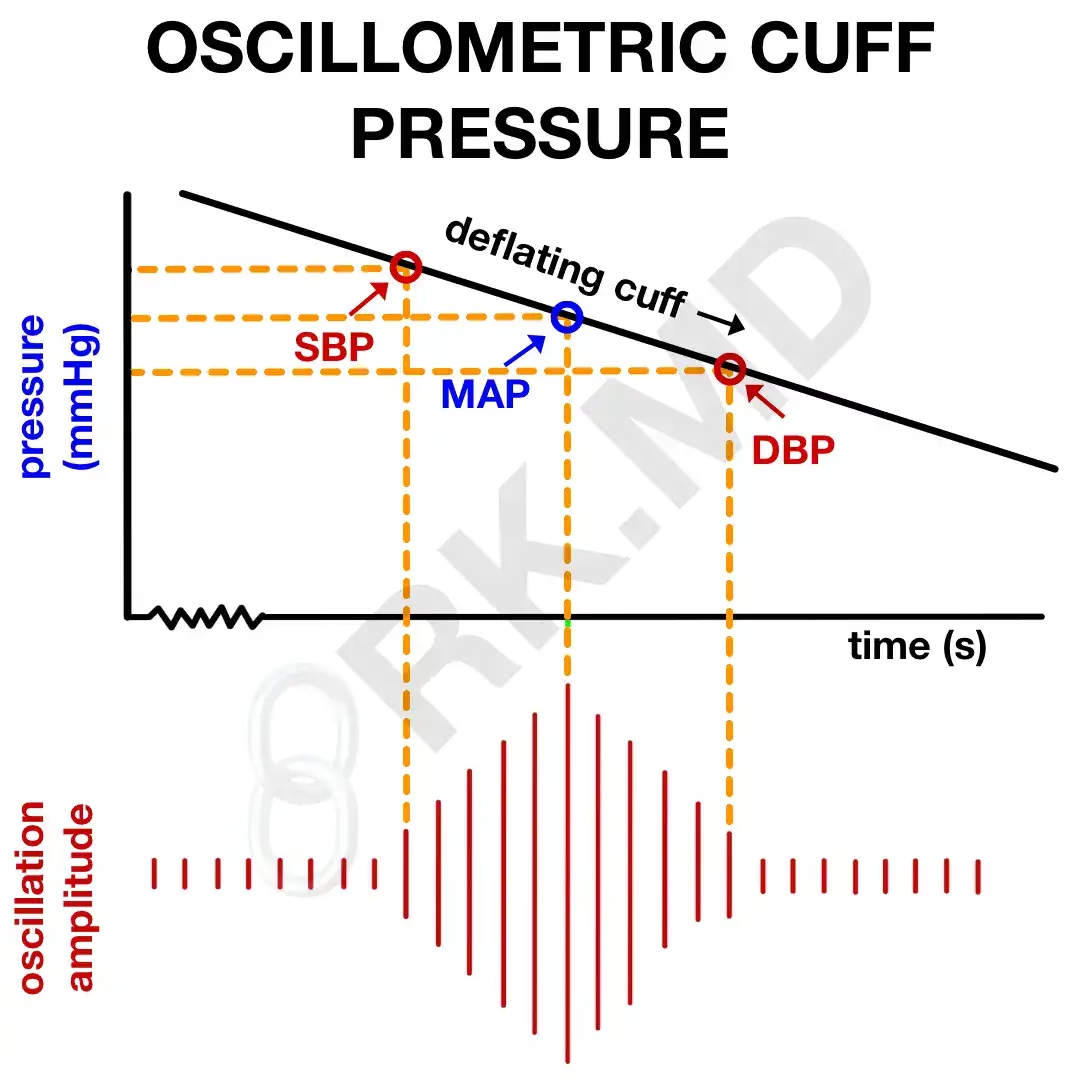
    Automated noninvasive blood pressure (NIBP) cuffs do NOT directly measure systolic or diastolic blood pressures (SBP and DBP, respectively). Instead, the automatic NIBP cuffs only directly measure the mean arterial pressure (MAP) through an oscillometric technique. Let’s assume we’re taking an NIBP on the arm. Initially, the cuff inflates to…

    Read More

  • Pulmonary Artery Catheter/Swan-Ganz Structure And Waveforms

    Pulmonary Artery Catheter/Swan-Ganz Structure And Waveforms

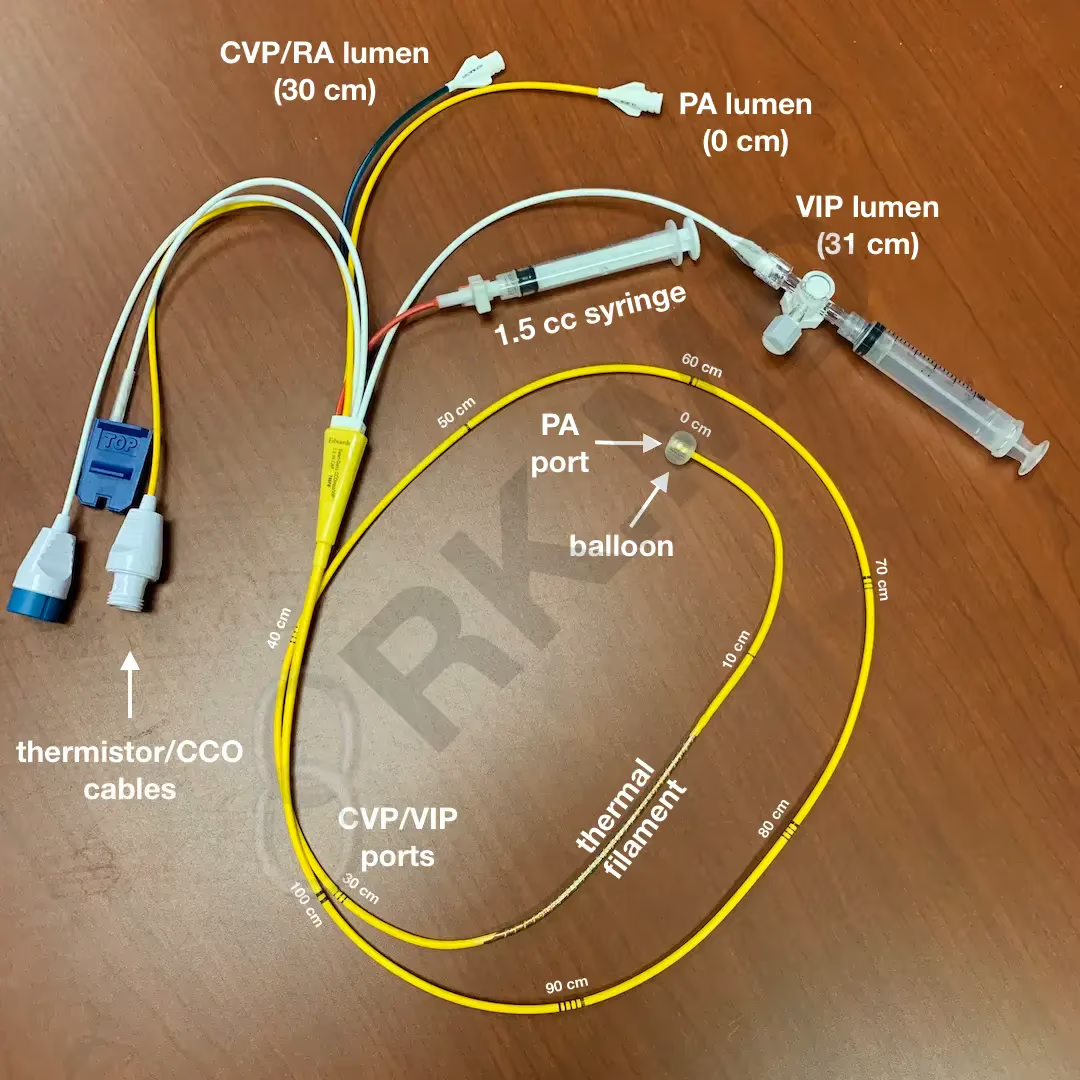
    Although the use of pulmonary artery catheters (PACs, otherwise known as Swan-Ganz catheters) has never been shown to confer a mortality benefit, they are still routinely used in operating rooms and intensive care units to help guide resuscitation, monitor pulmonary artery pressures (PAP), differentiate mixed shock states, assess continuous cardiac…

    Read More

  • What Does A Pulse Oximeter Tell Us?

    What Does A Pulse Oximeter Tell Us?

    Routinely utilized in ICUs, operating rooms, and telemetry floors, the pulse oximeter (“pulse ox“) is perhaps the single greatest monitoring advancement in the modern medical era. It relies on the fact that oxyhemoglobin and deoxyhemoglobin absorb light at two different peak wavelengths. Without getting into too much detail, an algorithm is…

    Read More