• Ethanol/Antibiotic Lock Therapy

    Ethanol/Antibiotic Lock Therapy

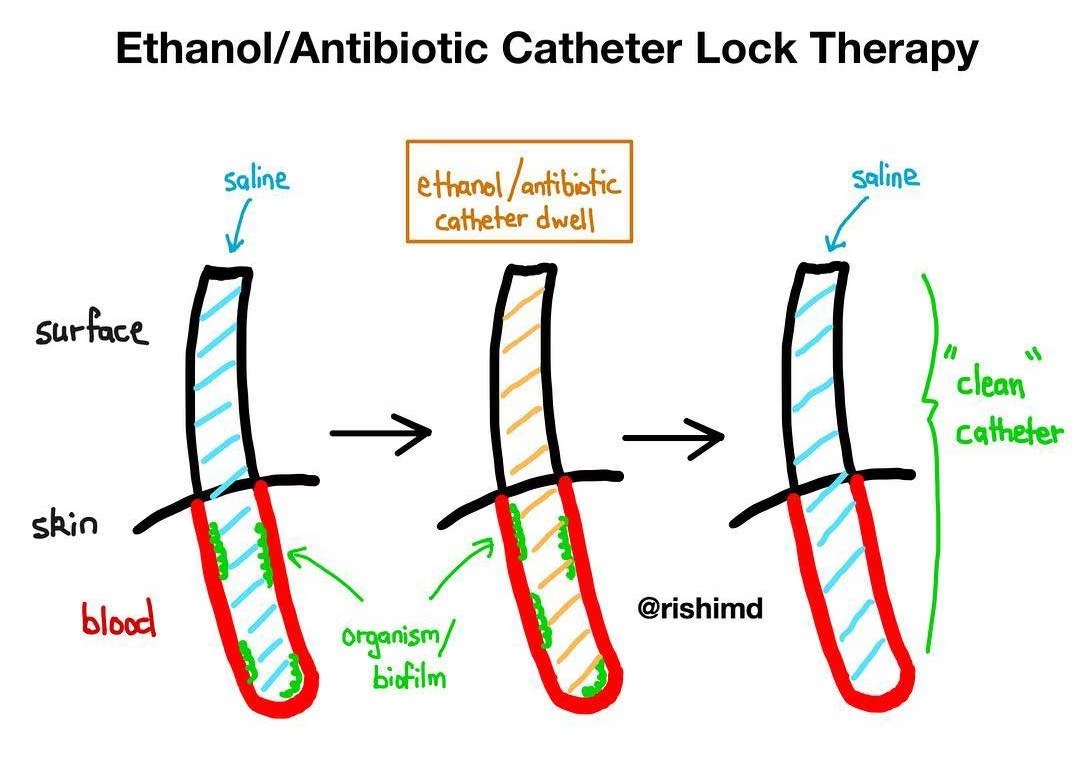
    Patients with bacteremia/fungemia can pose a real challenge, especially when discussing if, how, and when to exchange out existing access catheters. In other words, if I have a patient in my ICU with new gram negative rods in their blood, but they also have a port for chemotherapy and a…

    Read More

  • How Do Pulse Oximeters Work?

    How Do Pulse Oximeters Work?

    The pulse oximeter (“pulse ox“) is perhaps the best non-invasive, continuous monitor ever created. It uses a light emitter and photodetector to analyze light absorbance across an extremity (typically a finger or toe). In doing so, the pulse ox gives us the hemoglobin oxygen saturation, heart rate, a rough idea…

    Read More

  • How Do Automatic Blood Pressure Cuffs Work?

    How Do Automatic Blood Pressure Cuffs Work?

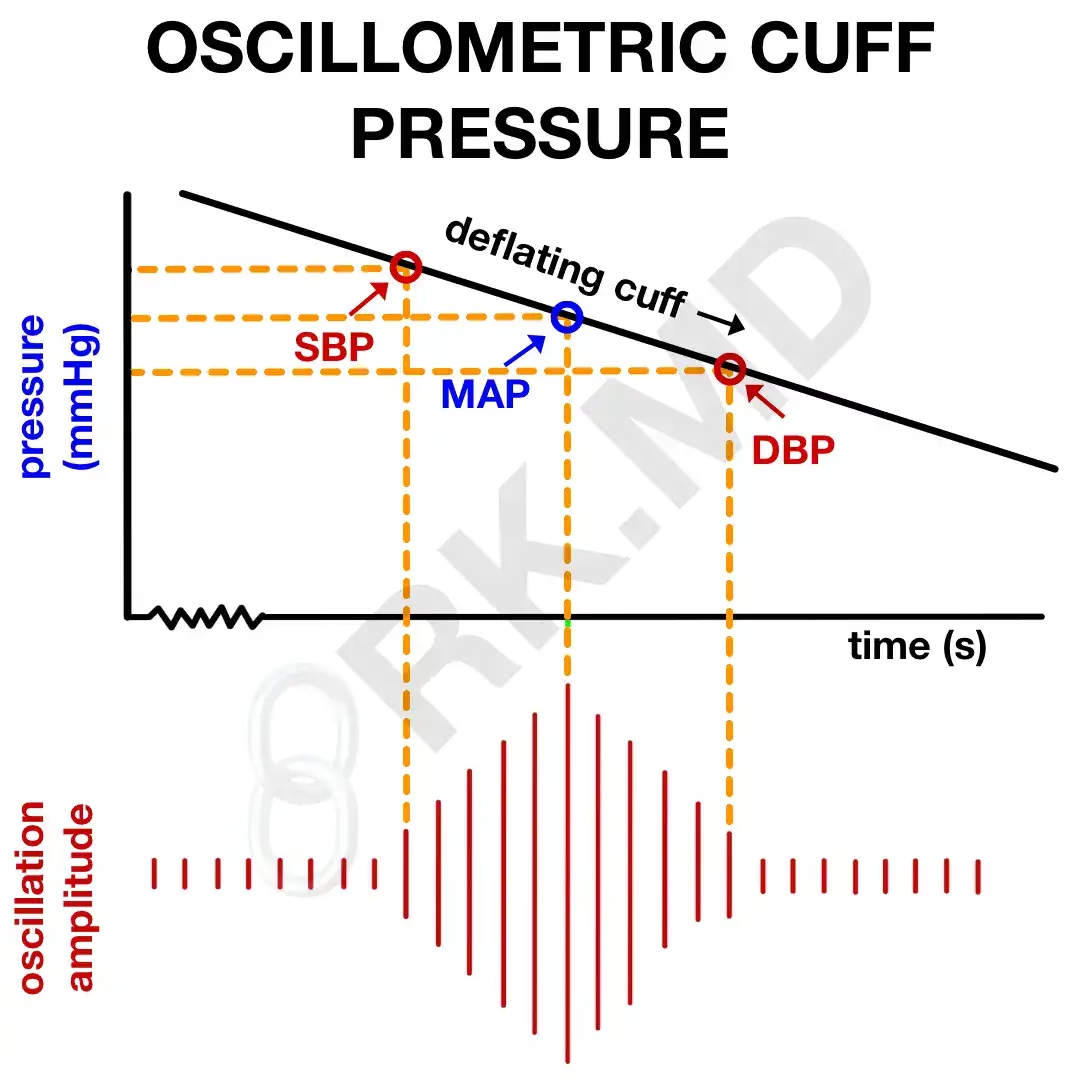
    Automated noninvasive blood pressure (NIBP) cuffs do NOT directly measure systolic or diastolic blood pressures (SBP and DBP, respectively). Instead, the automatic NIBP cuffs only directly measure the mean arterial pressure (MAP) through an oscillometric technique. Let’s assume we’re taking an NIBP on the arm. Initially, the cuff inflates to…

    Read More

  • Surgical Steps In Coronary Artery Bypass Grafting (CABG)

    Surgical Steps In Coronary Artery Bypass Grafting (CABG)

    It’s important for me to consider the surgical steps and potential areas of difficulty/complications which may arise intraoperatively. Although each procedure must be tailored to a patient’s unique set of comorbidities and surgical factors, I wanted to outline the basic steps involved in routine coronary artery bypass grafting (CABG). First,…

    Read More

  • What Is An Intra-Aortic Balloon Pump (IABP)?

    What Is An Intra-Aortic Balloon Pump (IABP)?

    The intra-aortic balloon pump (IABP) is a form of mechanical circulatory support used in cardiogenic shock, facilitating separation from cardiopulmonary bypass, percutaneous coronary interventions, unstable angina, and thrombolytic therapy following myocardial infarction. The device is introduced from the femoral artery and guided into the aorta until its tip is distal…

    Read More

  • Pulmonary Artery Catheter/Swan-Ganz Structure And Waveforms

    Pulmonary Artery Catheter/Swan-Ganz Structure And Waveforms

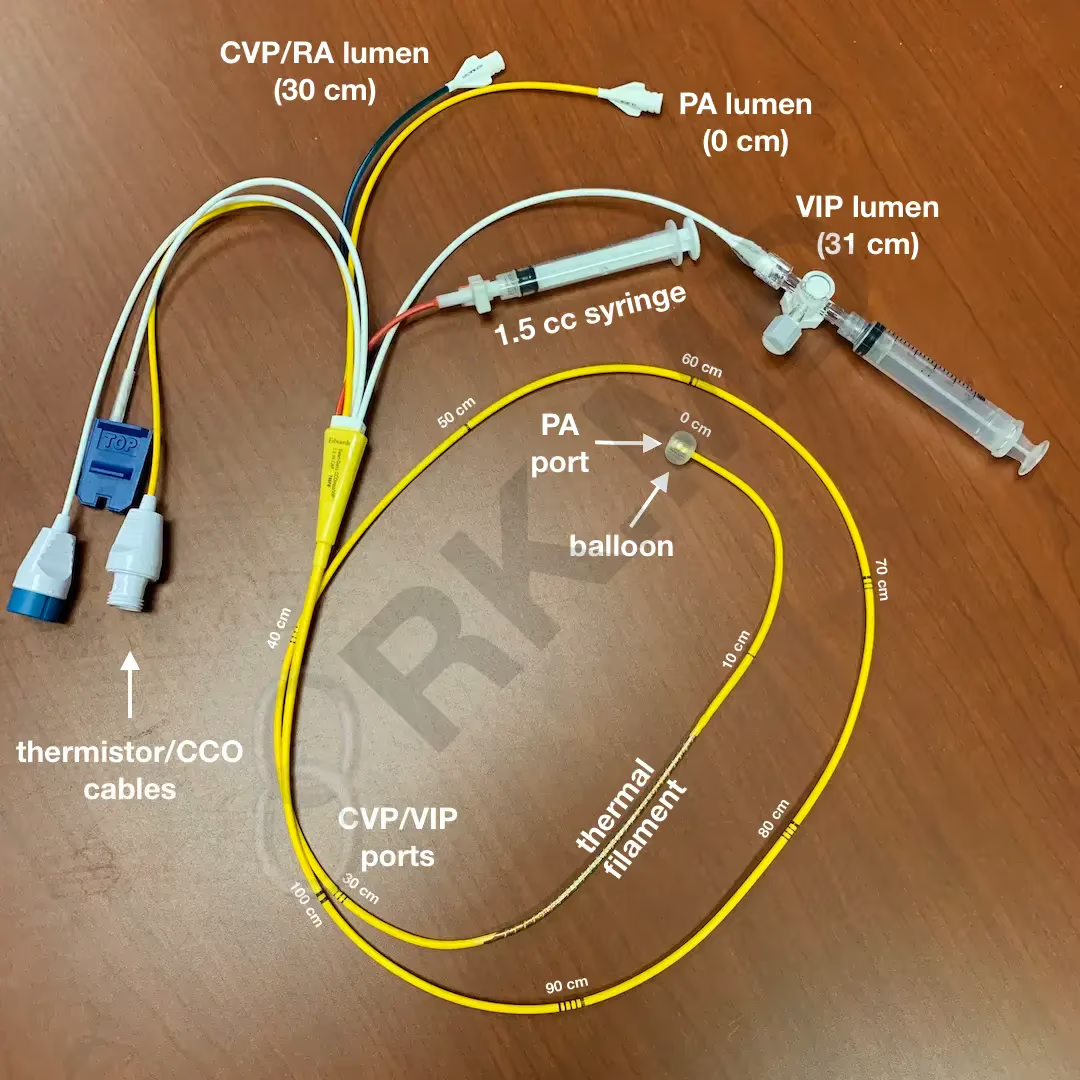
    Although the use of pulmonary artery catheters (PACs, otherwise known as Swan-Ganz catheters) has never been shown to confer a mortality benefit, they are still routinely used in operating rooms and intensive care units to help guide resuscitation, monitor pulmonary artery pressures (PAP), differentiate mixed shock states, assess continuous cardiac…

    Read More

  • Malignant Hyperthermia

    Malignant Hyperthermia

    Malignant hyperthermia (MH) is a rare, autosomal dominant condition involving mutations in the ryanodine receptor type 1 (RYR-1) causing an aberrant calcium-induced calcium release (CICR) mechanism. With normal skeletal muscle contraction, an impulse is sent down the T-tubules releasing calcium from the sarcoplasmic reticulum via the RYR-1 ion channel; however in…

    Read More

  • Acetaminophen NAPQI Toxicity
  • Context-Sensitive Half-Time

    Context-Sensitive Half-Time

    In any basic pharmacology course, we’re taught the concept of an “elimination half-life,” or the time it takes to reach 50% of a drug’s initial concentration. However, with more advanced multi-compartmental models of pharmacokinetics, the concept of a “context-sensitive half-time” more accurately describes the interplay between a drug’s distribution in the…

    Read More

  • Lactate And Sepsis

    Lactate And Sepsis

    It’s always interesting to see how practitioners interpret the utility of lactate. Some find it completely useless, others think it’s a marker of poor oxygen delivery, and a decent number trend lactates as a way to measure the response to therapy. So let me briefly discuss my views on lactate during a…

    Read More