• Henderson-Hasselbalch Equation

    Henderson-Hasselbalch Equation

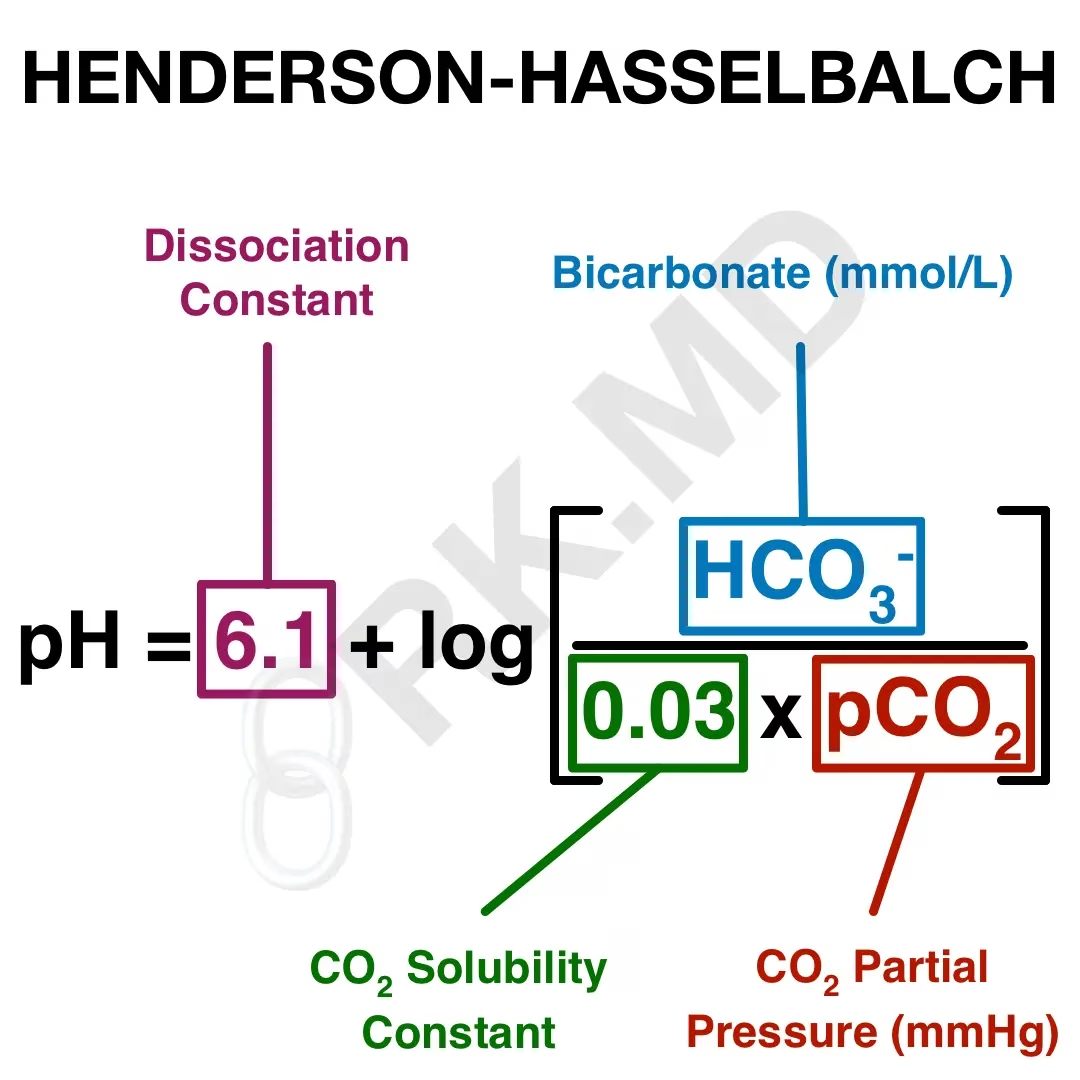
    The Henderson-Hasselbalch (H-H) equation illustrates the incredibly important role of the bicarbonate buffer system comprised of the partial pressure of carbon dioxide (PaCO2, primarily regulated by the lungs) and bicarbonate (HCO3–, primarily regulated by the kidneys). It represents the most extensive buffer system in the extracellular space.

    Read More

  • RK.MD Perioperative And Critical Care Reference Sheet

    RK.MD Perioperative And Critical Care Reference Sheet

    Here’s a free reference sheet (front and back) with “high-yield” information in critical care and perioperative medicine. I’m well-suited to pursue this educational endeavor, given my training as a physician who works in both settings, and I hope that many of you will benefit from the information. Now some details:

    Read More

  • Disseminated Intravascular Coagulation (DIC)

    Disseminated Intravascular Coagulation (DIC)

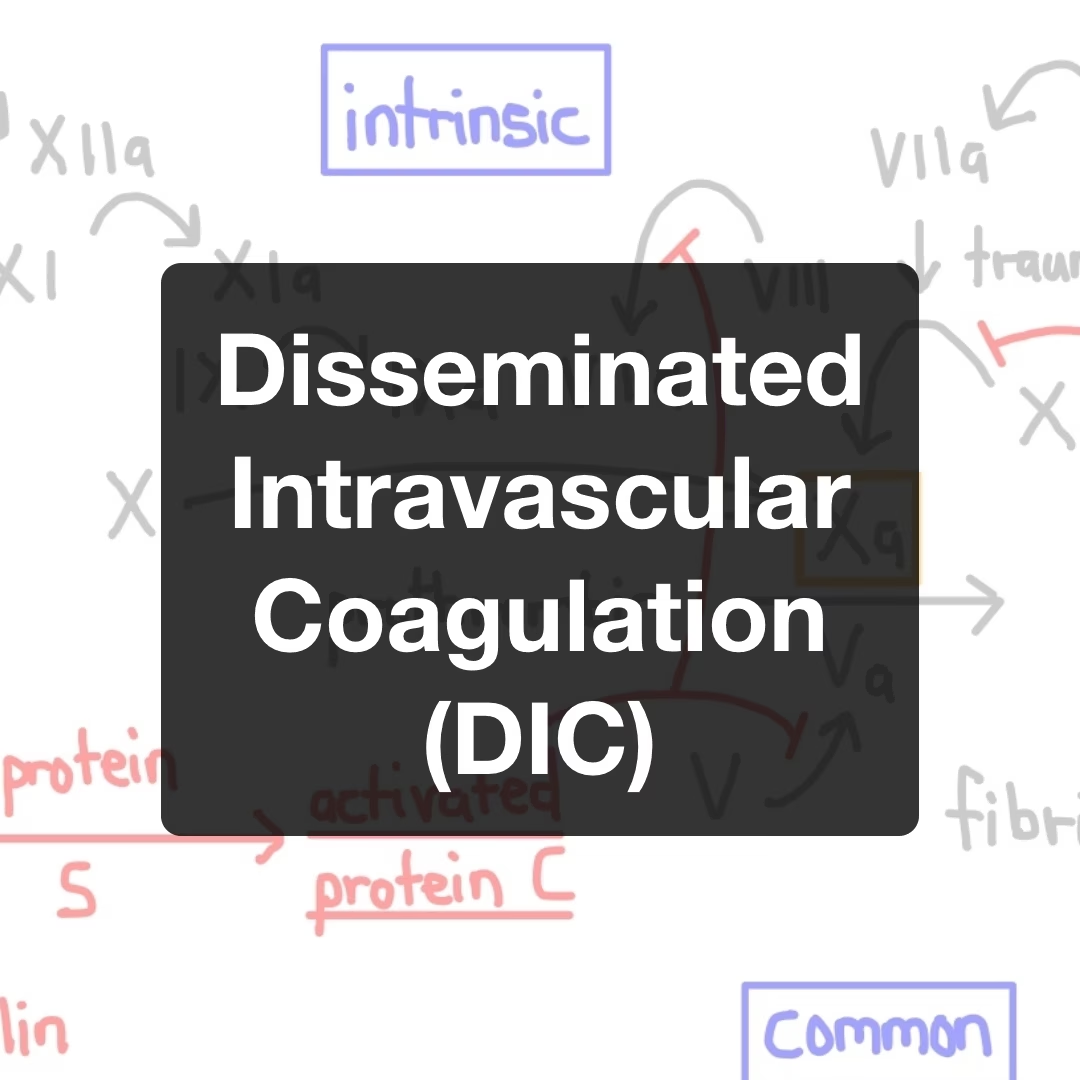
    Disseminated intravascular coagulation (DIC) is a life-threatening condition (hence the popular alternative definition of “death is coming”) affecting the coagulation cascade. Typically, clot formation and fibrinolysis are carefully balanced by various mechanisms; however, in DIC, these processes are ramped up leading to continued clotting and bleeding.

    Read More

  • Lactic Acidosis

    Lactic Acidosis

    Lactic acid fermentation is generally thought of as a process related to anaerobic metabolism in the context of tissue hypoxia from inadequate oxygen delivery and/or uptake. This “Type A” lactic acidosis is routinely seen in shock and states of high oxygen consumption (seizures, shivering, etc.)

    Read More

  • The Denervated Heart

    The Denervated Heart

    The concept of a denervated heart is a significant consideration in patients receiving orthotopic heart transplants. When these donor hearts are procured, there’s no way to preserve native autonomic regulation (ie, vagal input). After transplantation, it can take many months/years before some semblance of autonomic regulation is reestablished. We can…

    Read More

  • The Lethal Diamond In Trauma

    The Lethal Diamond In Trauma

    The lethal diamond in trauma – acidosis, hypothermia, hypocalcemia, and coagulopathy – defines much of what I do in the ICU and cardiothoracic ORs. It’s important to appreciate the interplay between these three derangements, anticipate problems, and intervene quickly.

    Read More

  • Arterial Blood Gas (ABG) Interpretation – Determining Acidosis and Alkalosis

    Arterial Blood Gas (ABG) Interpretation – Determining Acidosis and Alkalosis

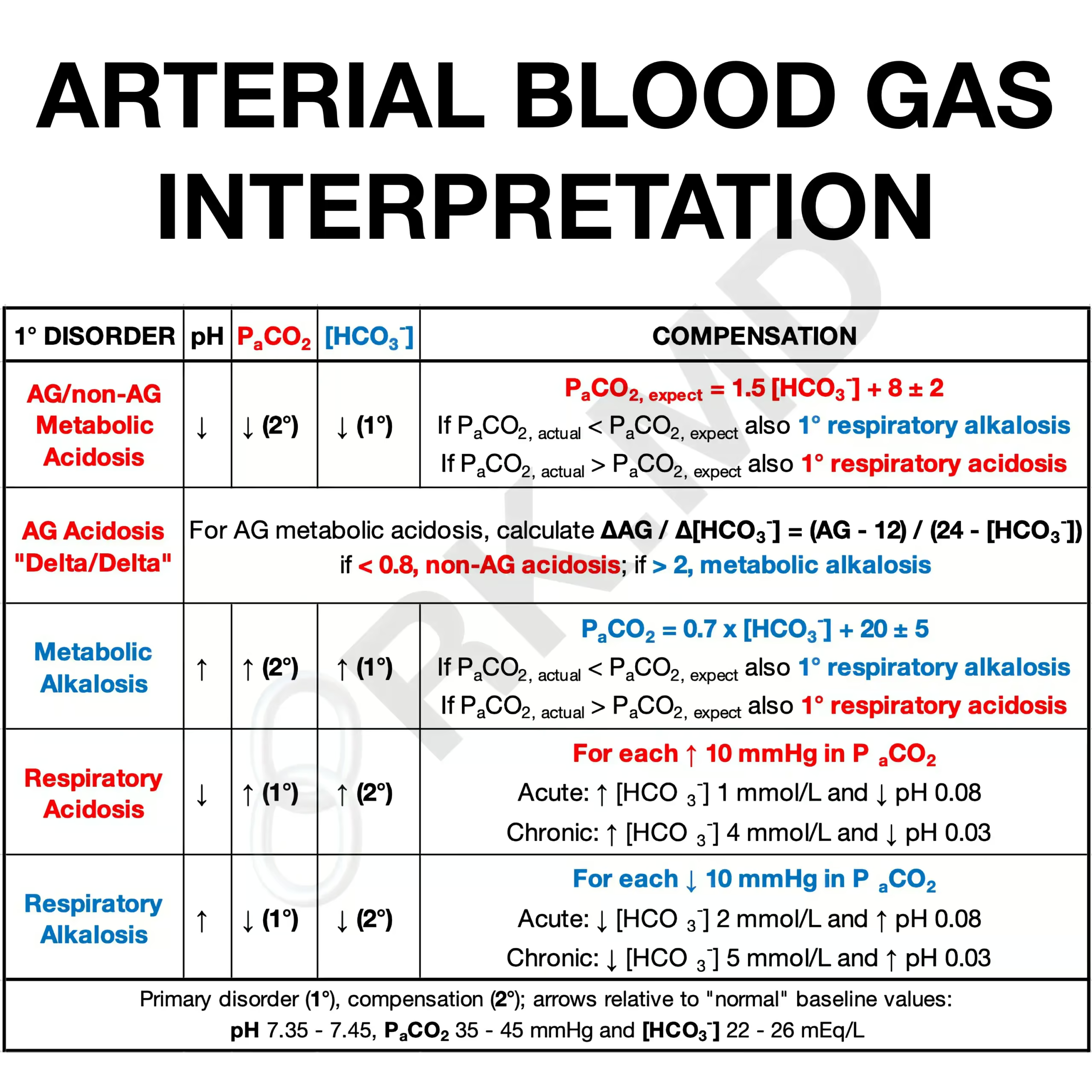
    There are four classic disturbances in traditional acid-base equilibria: respiratory acidosis, respiratory alkalosis, metabolic acidosis, and metabolic alkalosis. The body tries to compensate for a primary disturbance(s) (i.e., metabolic alkalosis) through one or more mechanisms (i.e., respiratory acidosis). For simplicity, respiratory events deal with the lungs and carbon dioxide (pCO2), whereas…

    Read More

  • Bicarbonate

    Bicarbonate

    Oh bicarbonate… how you’ve become the drug which elicits the majority of my soap box lessons on ICU rounds and in the operating room. Truth to be told, it’s a medication which remains controversial among intensivists, nephrologists, and overall physiologists.

    Read More

  • Cerebral Autoregulation

    Cerebral Autoregulation

    Most organ systems have some form of autoregulation to provide a steady supply of blood flow and oxygen to maintain normal physiologic function. This autoregulation is largely driven by chemical mediators to “couple” metabolic demand with blood supply. In other words, if the organ demands less oxygen, then it will…

    Read More

  • Equal Pressure Point In Lung Physiology

    Equal Pressure Point In Lung Physiology

    Normally, the intrapleural pressure (Pip), or the pressure in the space between the lung’s visceral and parietal pleural layers, is slightly negative relative to the atmosphere (Patm). This is due to the chest wall and lungs recoiling away from each other. During a forced expiration, expiratory muscles can increase the…

    Read More