• How We Breathe – The Role Of Pressure Gradients
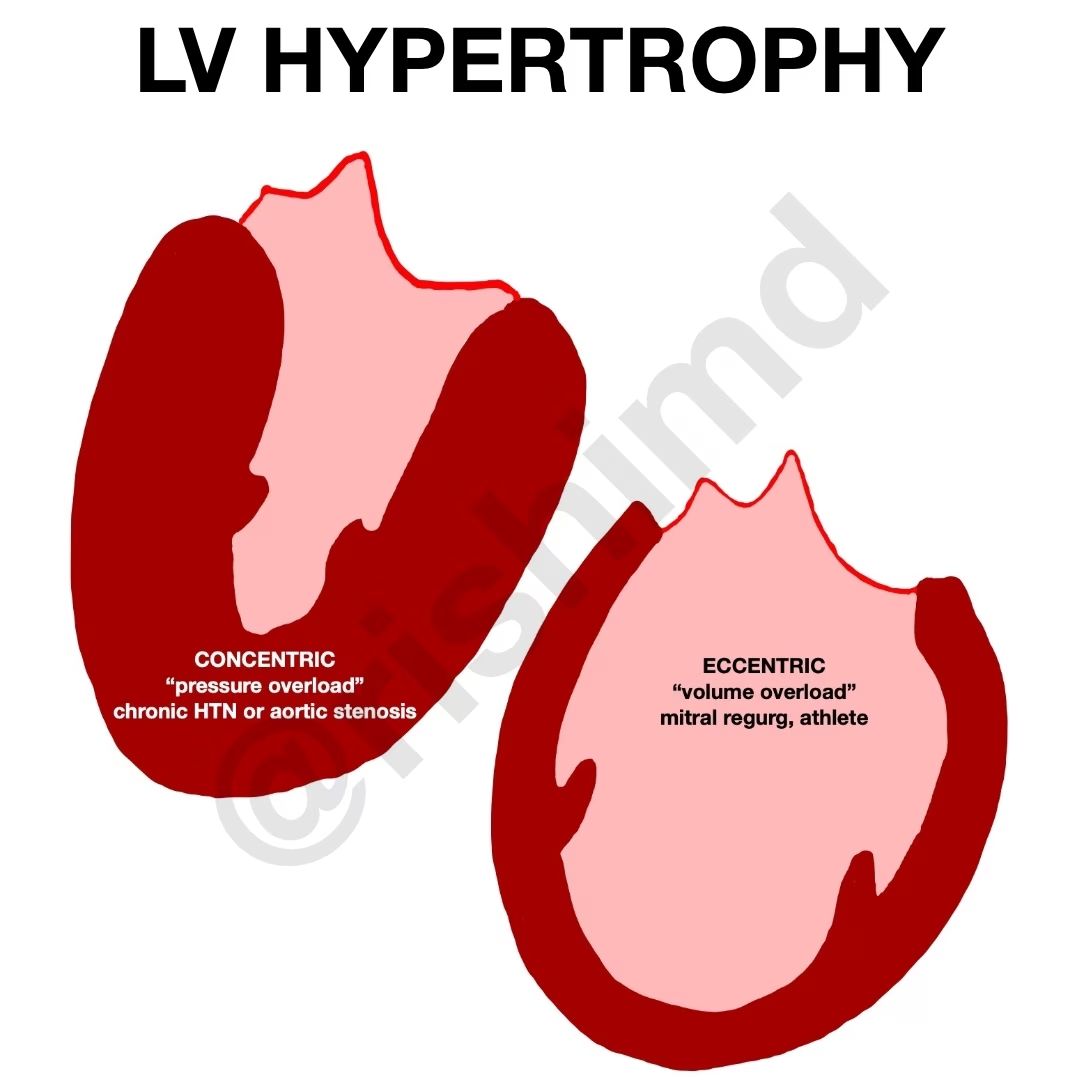
  • Eccentric Versus Concentric Hypertrophy
  • Lactate And Sepsis

    Lactate And Sepsis

    It’s always interesting to see how practitioners interpret the utility of lactate. Some find it completely useless, others think it’s a marker of poor oxygen delivery, and a decent number trend lactates as a way to measure the response to therapy. So let me briefly discuss my views on lactate during a…

    Read More

  • Oxyhemoglobin Dissociation Curve

    Oxyhemoglobin Dissociation Curve

    The oxyhemoglobin dissociation curve (ODC) is one of the most recognized teachings of basic physiology. It describes the relationship between the saturation of hemoglobin and the partial pressure of arterial oxygen. Intuitively, it makes sense that the more oxygen available (a higher PO2), the more saturated hemoglobin will be (% saturation). But…

    Read More

  • PaCO2 Equation

    PaCO2 Equation

    I’ve previously written about the alveolar gas equation and oxygen delivery equation, both of which deal with the physiologic process of oxygenation. Now I want to discuss the important relationship between alveolar ventilation (VA), carbon dioxide production (VCO2), and alveolar carbon dioxide tension (PACO2). For this explanation, PACO2 roughly approximates arterial…

    Read More

  • Alveolar Gas Equation

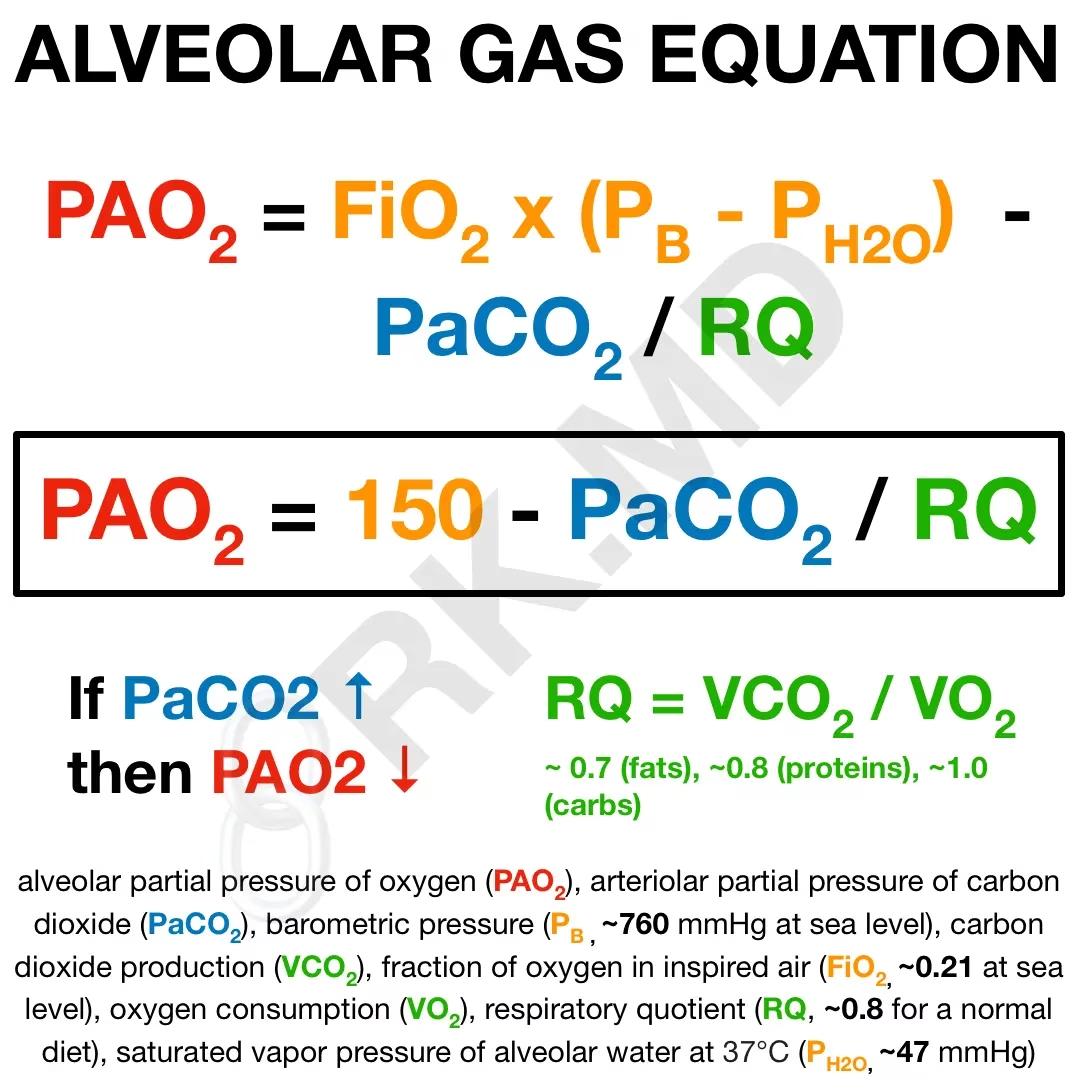
    Alveolar Gas Equation

    I previously wrote about the oxygen delivery equation mathematically describing a vital concept in physiology. Now I want to discuss another critically important formula in acute care medicine – the alveolar gas equation.

    Read More

  • Oxygen Delivery Equation (DO2)

    Oxygen Delivery Equation (DO2)

    The arterial oxygen delivery (DO2) equation is undeniably one of the most essential physiologic principles. DO2 is comprised of two variables: It’s crucial to consider acute changes (e.g., hemorrhage and desaturation) in the context of this equation. As shown, hemoglobin concentration and the oxygen saturation of that hemoglobin are the most…

    Read More

  • Maintain Coronary Perfusion!

    Maintain Coronary Perfusion!

    Maintaining coronary perfusion pressure (CPP) is arguably the most important objective in cardiac anesthesiology. CPP is defined as the difference between aortic diastolic pressure (AoDP) and left ventricular end-diastolic pressure (LVEDP) when describing perfusion to the left ventricle. CPP = AoDP – LVEDP Coronary arteries originate from the aortic root,…

    Read More