• Ibutilide

    Ibutilide

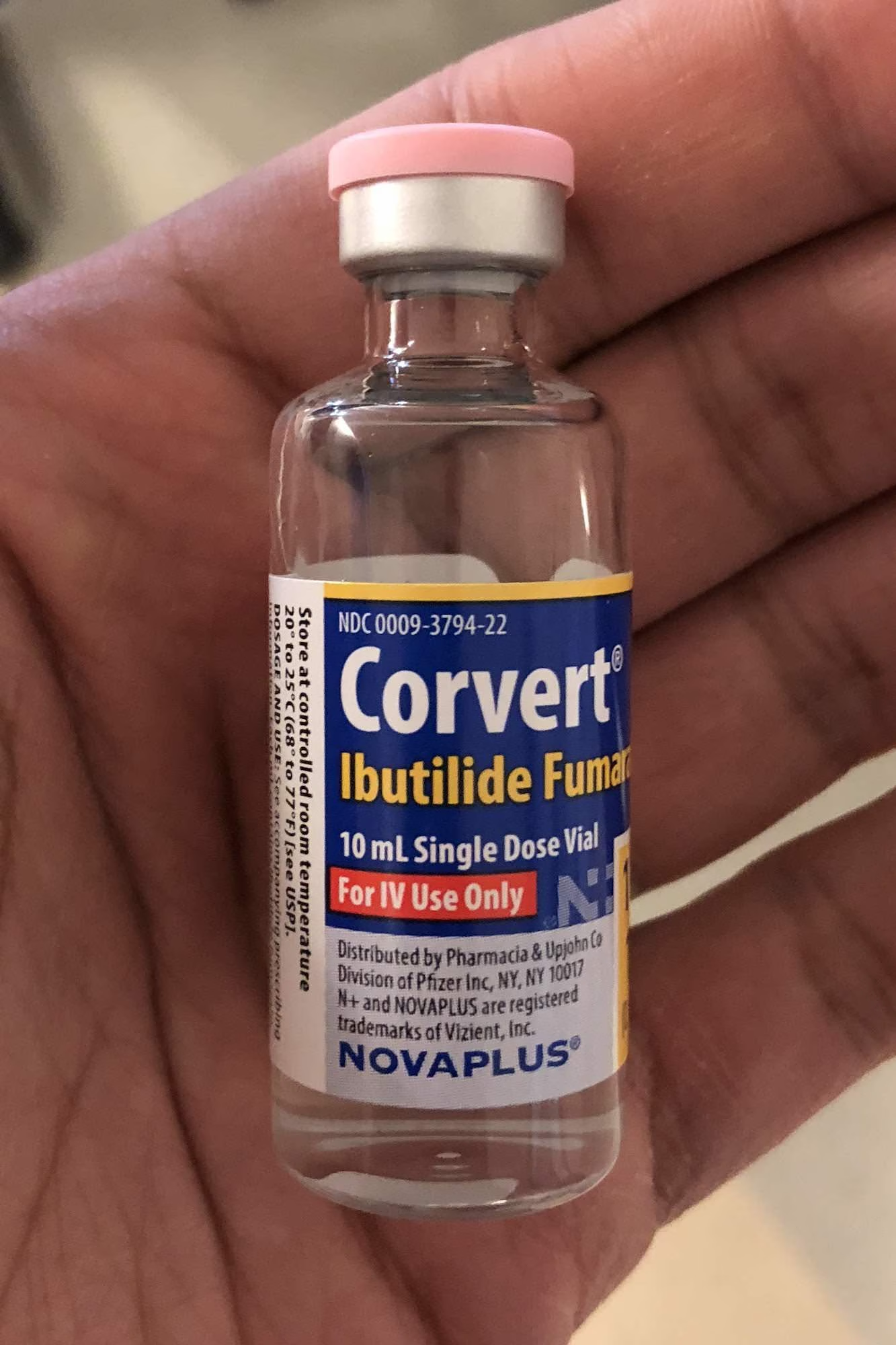
    Ibutilide is easily one of my favorite drugs in critical care and perioperative medicine. It’s a short-acting “pure” class III antiarrhythmic (potassium channel blocker). Amiodarone is traditionally classified as a class III, but it possesses properties of other antiarrhythmic classes as well as a much longer half-life. Ibutilide can cause fatal…
    Read More

  • Systolic Anterior Motion (SAM) Of The Mitral Valve – Left Ventricular Outflow Tract (LVOT) Obstruction

    Systolic Anterior Motion (SAM) Of The Mitral Valve – Left Ventricular Outflow Tract (LVOT) Obstruction

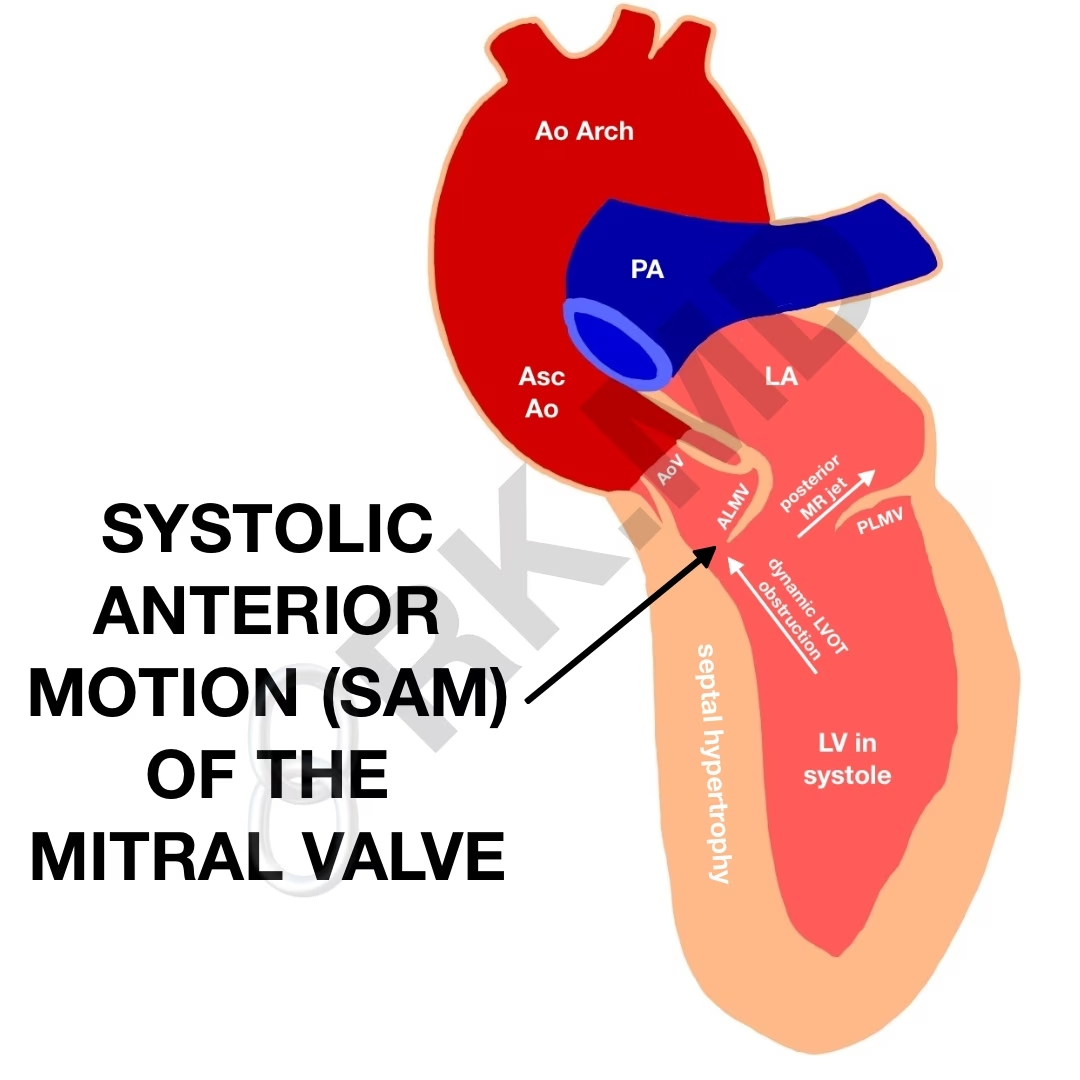
    Left ventricular outflow tract (LVOT) obstruction is a potentially catastrophic etiology for hypotension due to several etiologies: idiopathic hypertrophic subaortic stenosis (IHSS), hypertrophic obstructive cardiomyopathy (HOCM), systolic anterior motion (SAM) of the mitral valve, and even mid-cavity obstructive hypertrophic cardiomyopathy. These obstructions can be dynamic in nature and consequently vary…

    Read More

  • High Flow Nasal Cannula (HFNC)

    High Flow Nasal Cannula (HFNC)

    High flow nasal cannula (HFNC) systems allow us to deliver warm, humidified oxygen at flow rates as high as 60 liters/min through small, pliable nasal prongs. The cannula itself is fit into the nares and stabilized with a head strap. Two parameters are set – the flow rate and FiO2.…

    Read More

  • What Is Pleurodesis?

    What Is Pleurodesis?

    Pleurodesis aims to obliterate the intrapleural space in patients with recurrent malignant/non-malignant effusions and recurrent pneumothorax. In mechanical pleurodesis, surgeons usually perform a video-assisted thoracoscopic surgery (VATS), identify the parietal pleura, and rub an abrasive material against the parietal pleura. In chemical pleurodesis, agents like talc, minocycline, betadine, doxycycline, and silver nitrate…

    Read More

  • Hypoxic Pulmonary Vasoconstriction (HPV)

    Hypoxic Pulmonary Vasoconstriction (HPV)

    Hypoxic pulmonary vasoconstriction (HPV) is an intrinsic property of the lung where vascular smooth muscle will constrict pulmonary circulation in response to areas of hypoxia. In other words, if an alveolus is not being well ventilated (shunt), why waste perfusion on it? Edema, infection, atelectasis, and mucous plugging are just…

    Read More

  • Avalon V-V ECMO Bicaval Catheter

    Avalon V-V ECMO Bicaval Catheter

    The Avalon bicaval catheter has revolutionized venovenous extracorporeal membrane oxygenation (VV-ECMO) by allowing us to place a single catheter that can simultaneously drain venous blood from the central circulation (superior and inferior vena cavas) to deliver oxygenated blood directly into the heart.

    Read More

  • Interpreting Capnograms

    Interpreting Capnograms

    Continuous capnography (measurement of carbon dioxide) is the gold standard for confirming endotracheal tube placement but is also utilized in the operating room and intensive care unit (ICU) to help guide ventilation in conjunction with blood gases.

    Read More

  • What Is An Impella?

    What Is An Impella?

    Impella® is a percutaneous axial heart pump placed retrograde across the aortic valve into the left ventricle (LV) utilizing fluoroscopy +/- echocardiography. Its indications include high-risk percutaneous coronary intervention (PCI, especially cardiogenic shock or signs of ongoing ischemia), post-cardiotomy failure, and myocarditis. In addition, it is routinely used as a…

    Read More

  • What Is Cardiopulmonary Bypass (CPB)

    What Is Cardiopulmonary Bypass (CPB)

    This post outlines the steps in traditional, central cannulation for cardiopulmonary bypass (CPB). Depending on the nature of the surgery and the patient’s comorbidities, other sites are often cannulated (left heart bypass, femoral-femoral peripheral cannulation, etc.)

    Read More

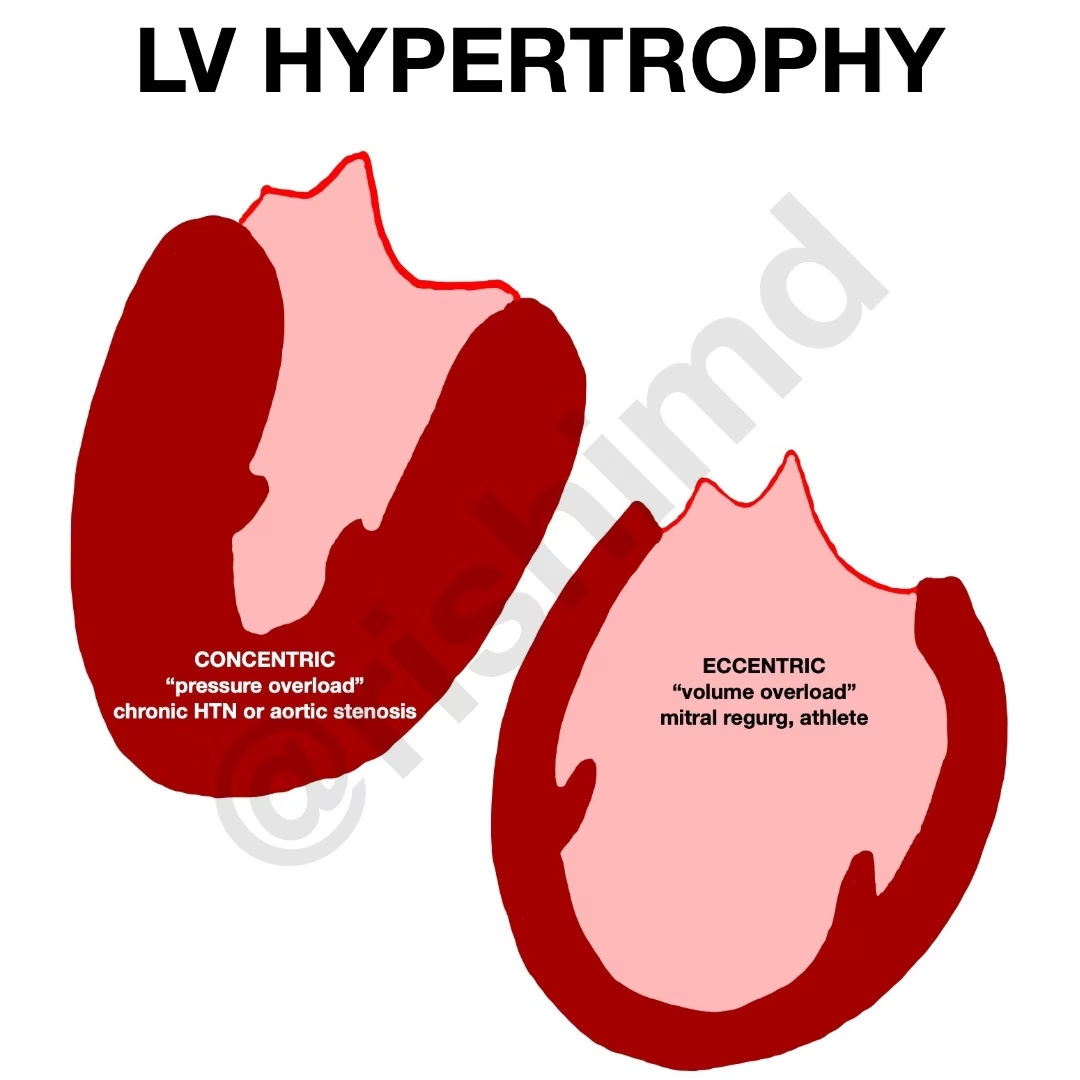
  • Eccentric Versus Concentric Hypertrophy