• Candida Auris (C. auris)

    Candida Auris (C. auris)

    Candida auris (C. auris) has become a significant challenge in critical care across the country. It spreads across surfaces, equipment, and even skin, allowing outbreaks to take hold long before they are detected. These infections tend to appear in patients with comorbidities like advanced age, diabetes, kidney disease, malignancy, dialysis…
    Read More

  • Karius Test

    Karius Test

    The Karius test is a liquid biopsy that leverages next-generation sequencing to identify and quantify microbial cell-free DNA (cfDNA) from over 1,500 pathogens, including bacteria, DNA viruses, fungi, and parasites. Traditional infectious disease diagnostic methods, including blood cultures, serologies, and polymerase chain reaction (PCR) assays, face limitations in sensitivity, specificity, and the time…

    Read More

  • Isavuconazonium (Cresemba)

    Isavuconazonium (Cresemba)

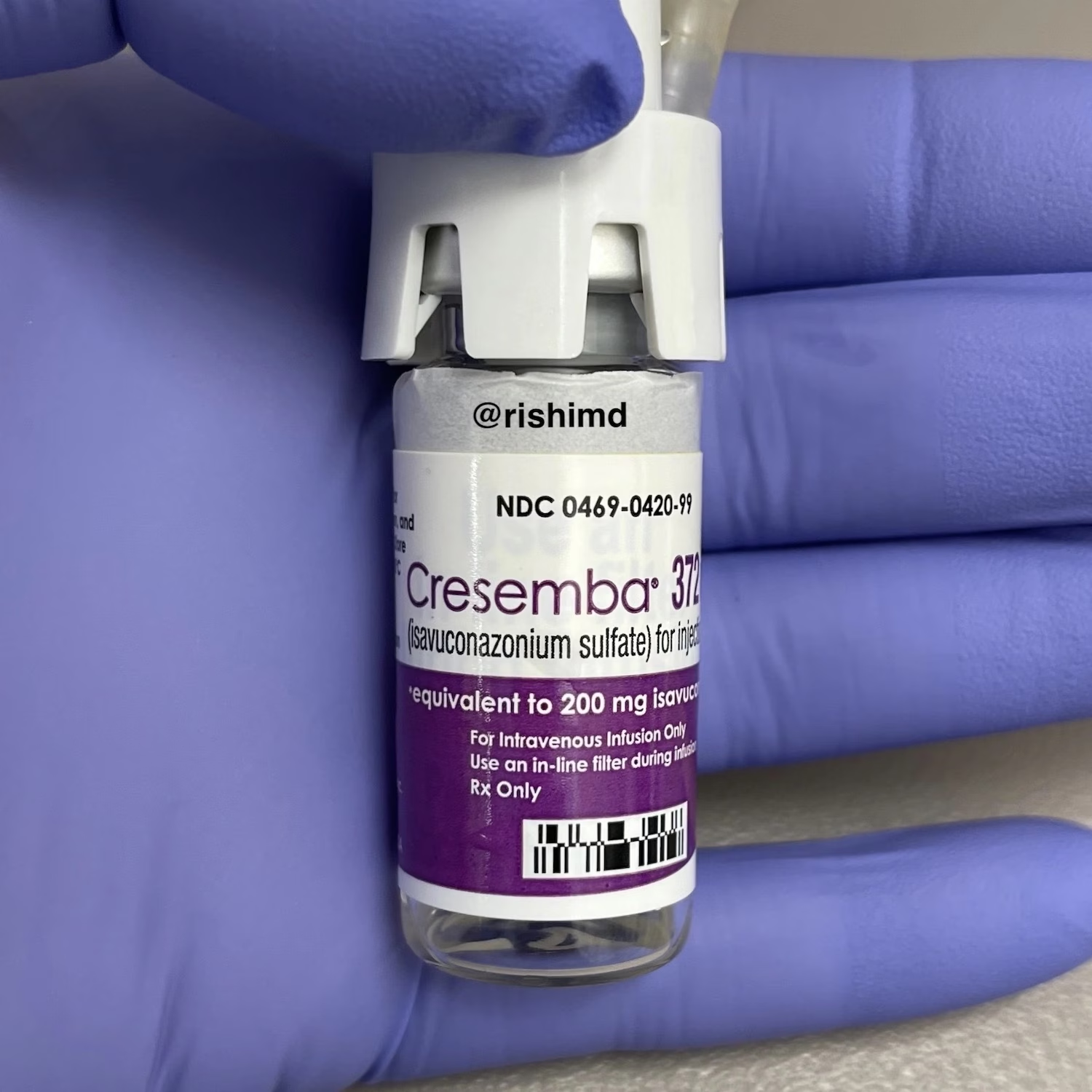
    Isavuconazonium (Cresemba) is an oral and intravenous antifungal agent used to treat invasive aspergillosis and mucormycosis in adult patients by disrupting fungal cell membrane formation. After it is converted to isavuconazole in the plasma, it inhibits lanosterol 14-α-demethylase which prevents lanosterol from getting converted to ergosterol. Isavuconazonium is also used…

    Read More

  • Fungal Endocarditis

    Fungal Endocarditis

    Fungal endocarditis (inflammation of the heart’s inner lining) is most commonly caused by Candida species and is associated with a high mortality rate. Risk factors include long-term antibiotic therapy (especially with indwelling central lines), immunosuppression, prosthetic heart material (valves, implantable devices, etc.), and IV drug use. Like bacterial endocarditis, patients can present…

    Read More

  • Pfizer-BioNTech COVID-19 Vaccine: Ingredients And My Symptoms Afterwards
  • How mRNA Vaccines Work – Gene Transcription And Translation

    How mRNA Vaccines Work – Gene Transcription And Translation

    Conventional vaccines typically involve growing a virus in various cell lines, injecting a part of the virus into the host, and relying on the host to mount an immunologic response (ie, create antibodies and “memory”) for the next time the virus is encountered. This process can be time-consuming, expensive, and…

    Read More

  • How Do N95 Masks Work?

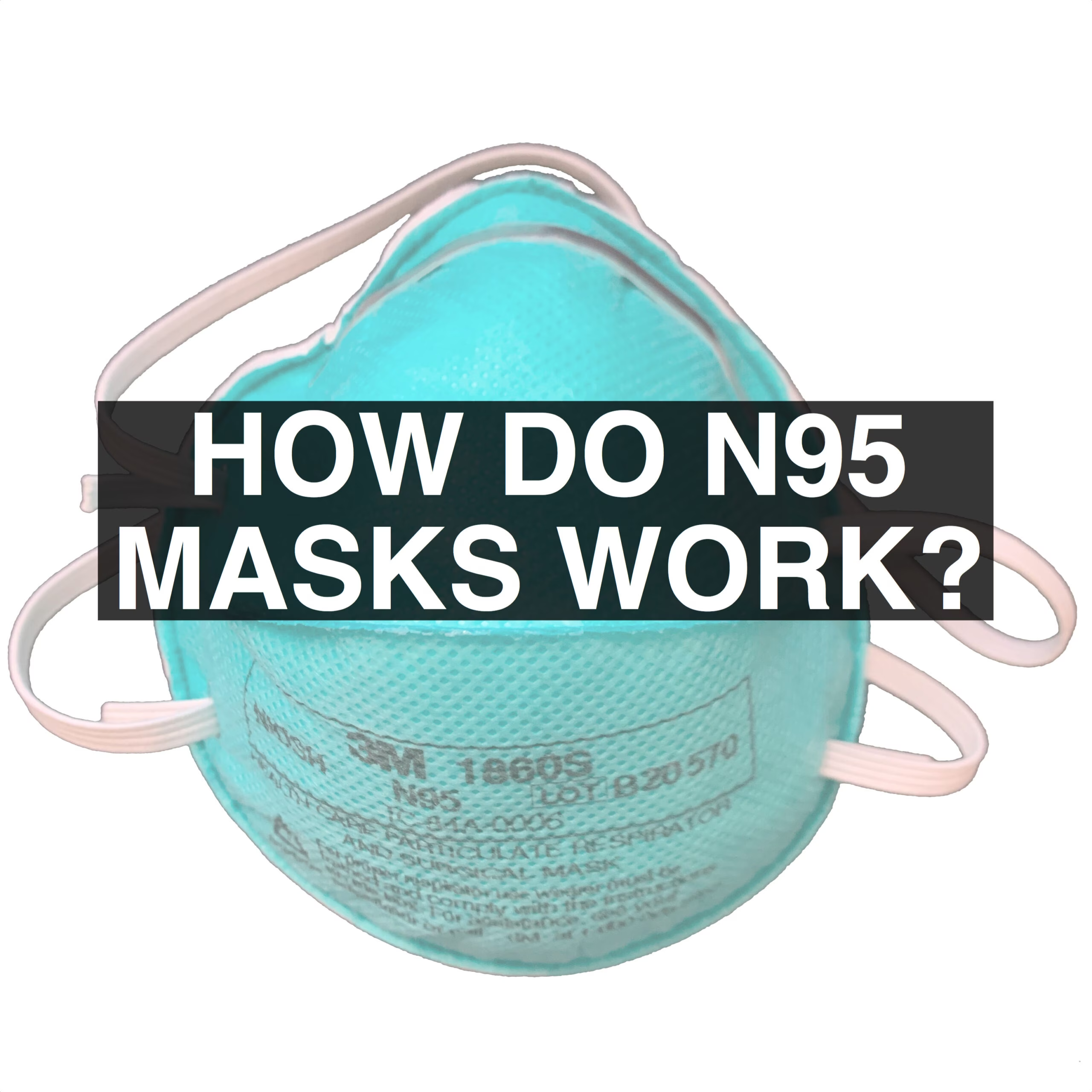
    How Do N95 Masks Work?

    N95 masks have become one of the most coveted pieces of personal protective equipment (PPE) during the COVID-19 pandemic; however, the mechanism by which these masks capture particles has very little to do with the gaps between mask fibers (ie, the N95 doesn’t work like a strainer).

    Read More

  • HCQ Or Chloroquine +/- Macrolide For COVID-19

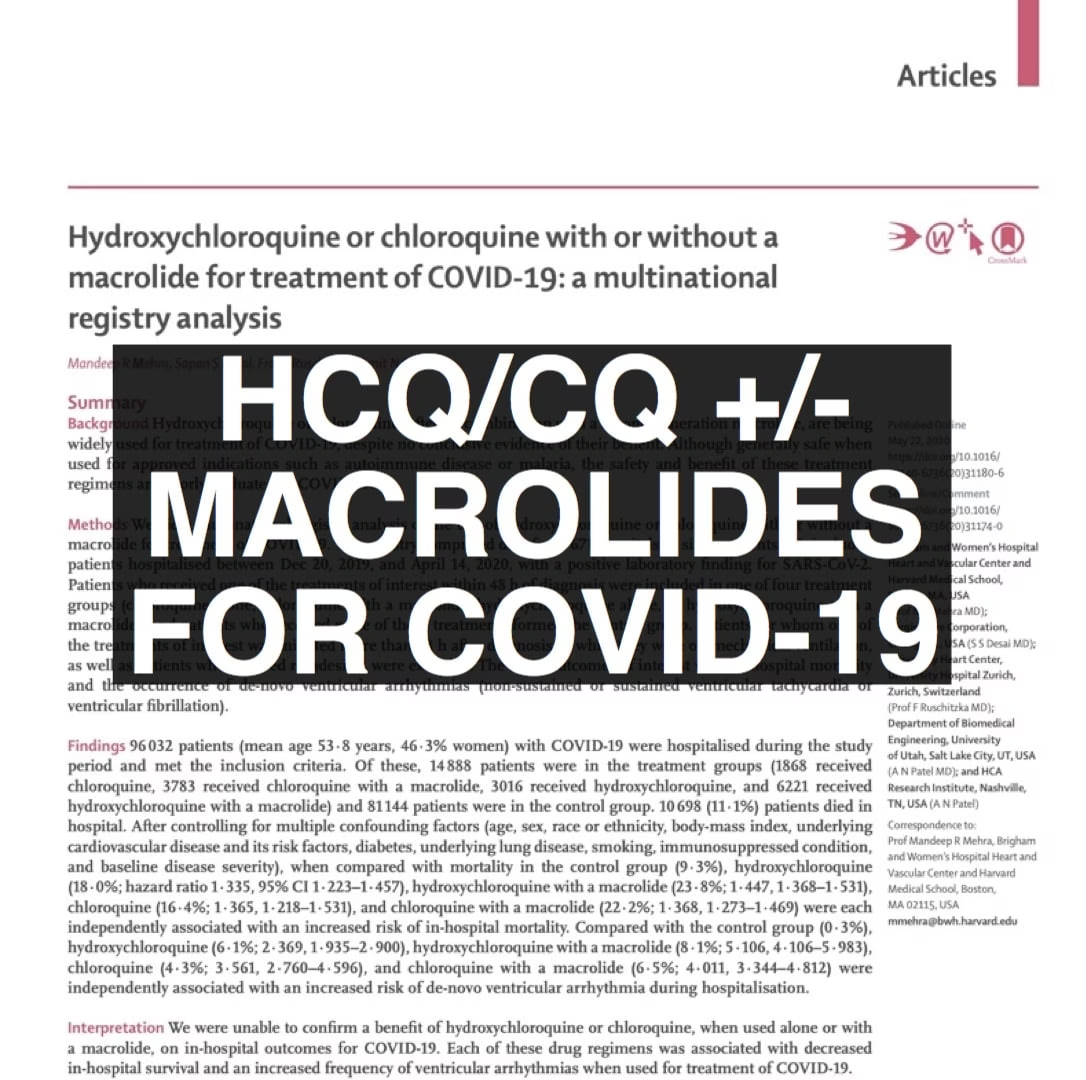
    HCQ Or Chloroquine +/- Macrolide For COVID-19

    This observational Lancet study compared ~96,000 patients across 671 international hospitals with a positive COVID-19 diagnosis who received hydroxychloroquine (HCQ) +/- a macrolide (ie, azithro) or chloroquine +/- a macrolide (four total treatment arms) to a control arm that received none of the aforementioned therapies. The primary outcome was In-hospital…

    Read More

  • Fluconazole

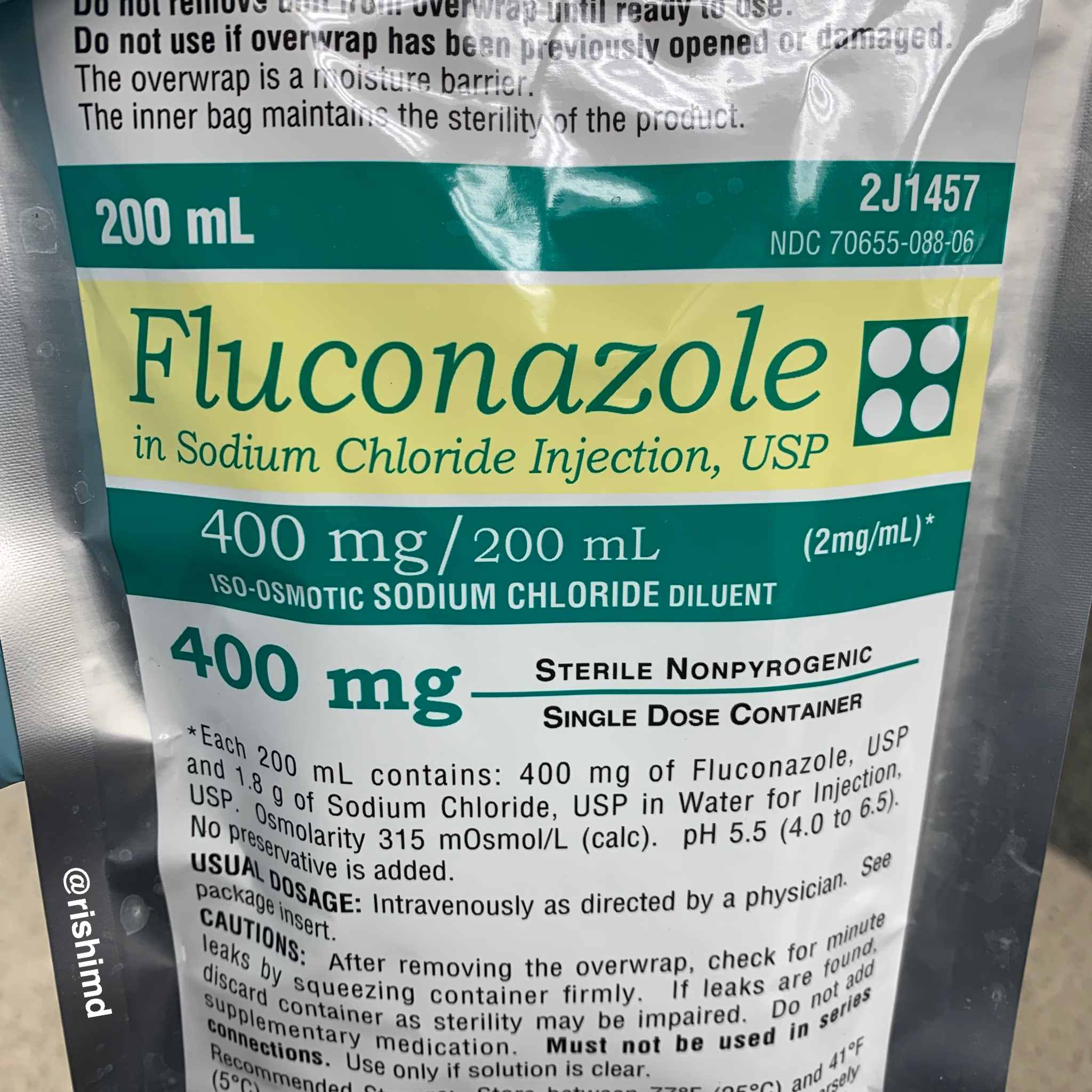
    Fluconazole

    Fluconazole (Diflucan) is an intravenous and oral antifungal medication that inhibits ergosterol synthesis (an important component of fungal cell membranes). As an intensivist, I most often use this medication to cover Candida albicans infections (especially symptomatic cystitis given fluconazole’s excellent urine penetration); however, it doesn’t cover C. krusei and has…

    Read More

  • Influenza Vaccine

    Influenza Vaccine

    The seasonal influenza (“flu”) vaccine is recommended for all people ≥ 6 months old who don’t have a contraindication (including pregnant women regardless of trimester) and is typically administered from late October through April in the United States.

    Read More