• Pump Controlled Retrograde Trial Off (PCRTO) For Weaning From VA-ECMO

    Pump Controlled Retrograde Trial Off (PCRTO) For Weaning From VA-ECMO

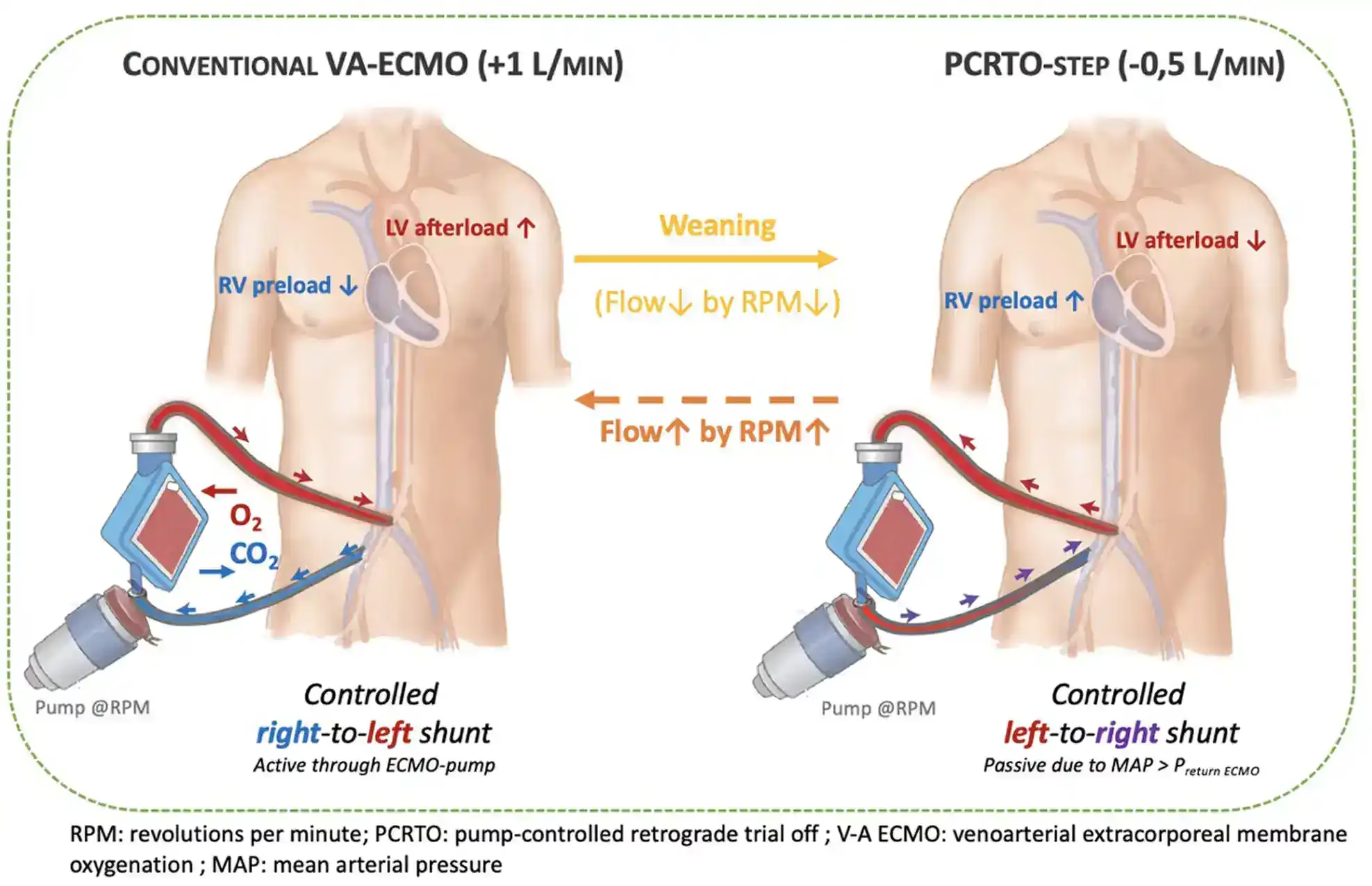
    Pump controlled retrograde trial off (PCRTO) is a weaning technique for venoarterial ECMO (VA-ECMO) in which pump speed is gradually decreased until net retrograde flow develops from the arterial to the venous limb of the circuit. This maneuver suspends mechanical circulatory support without decannulation, offering a real-time, physiologic test of native…
    Read More

  • Peripheral VA-ECMO Watershed Area

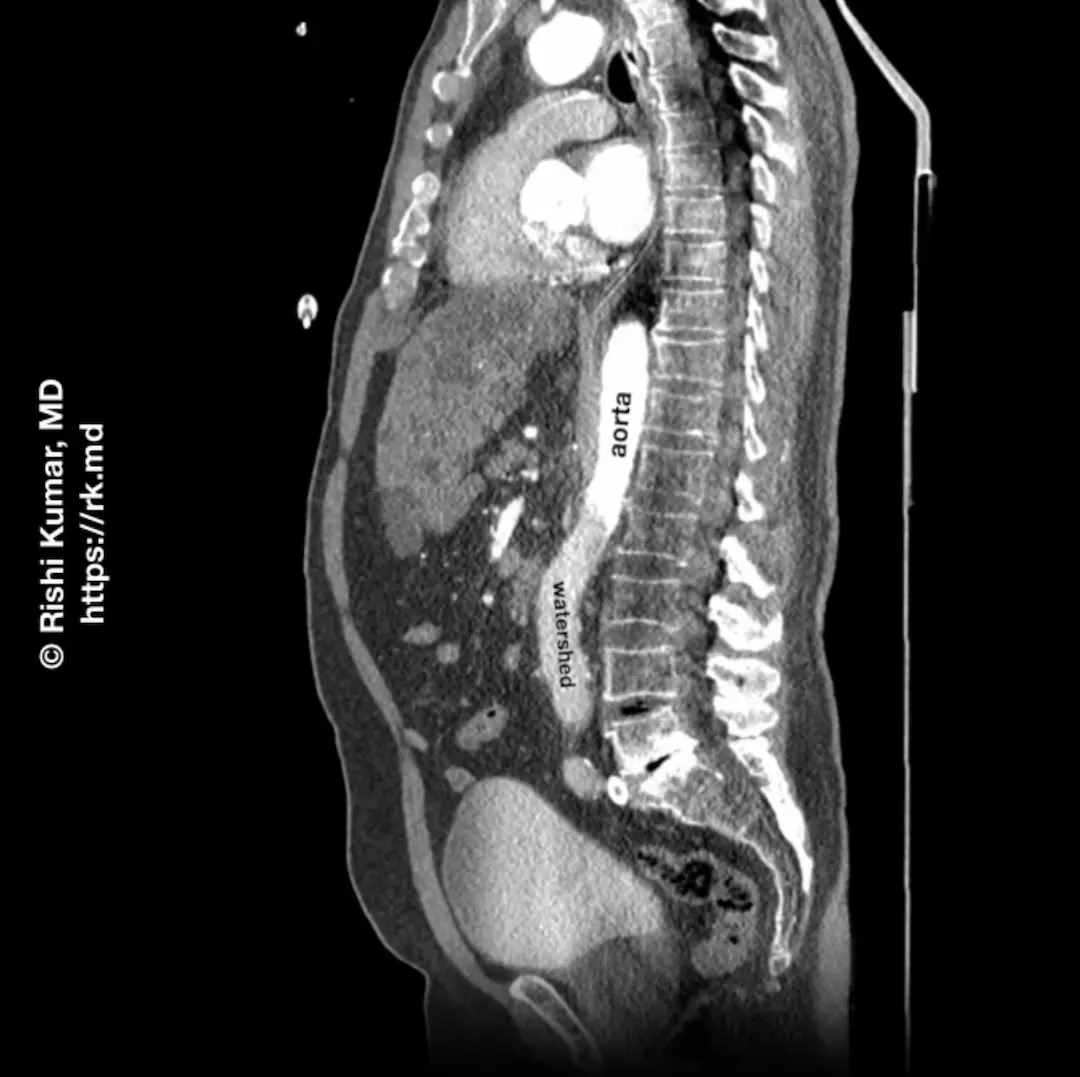
    Peripheral VA-ECMO Watershed Area

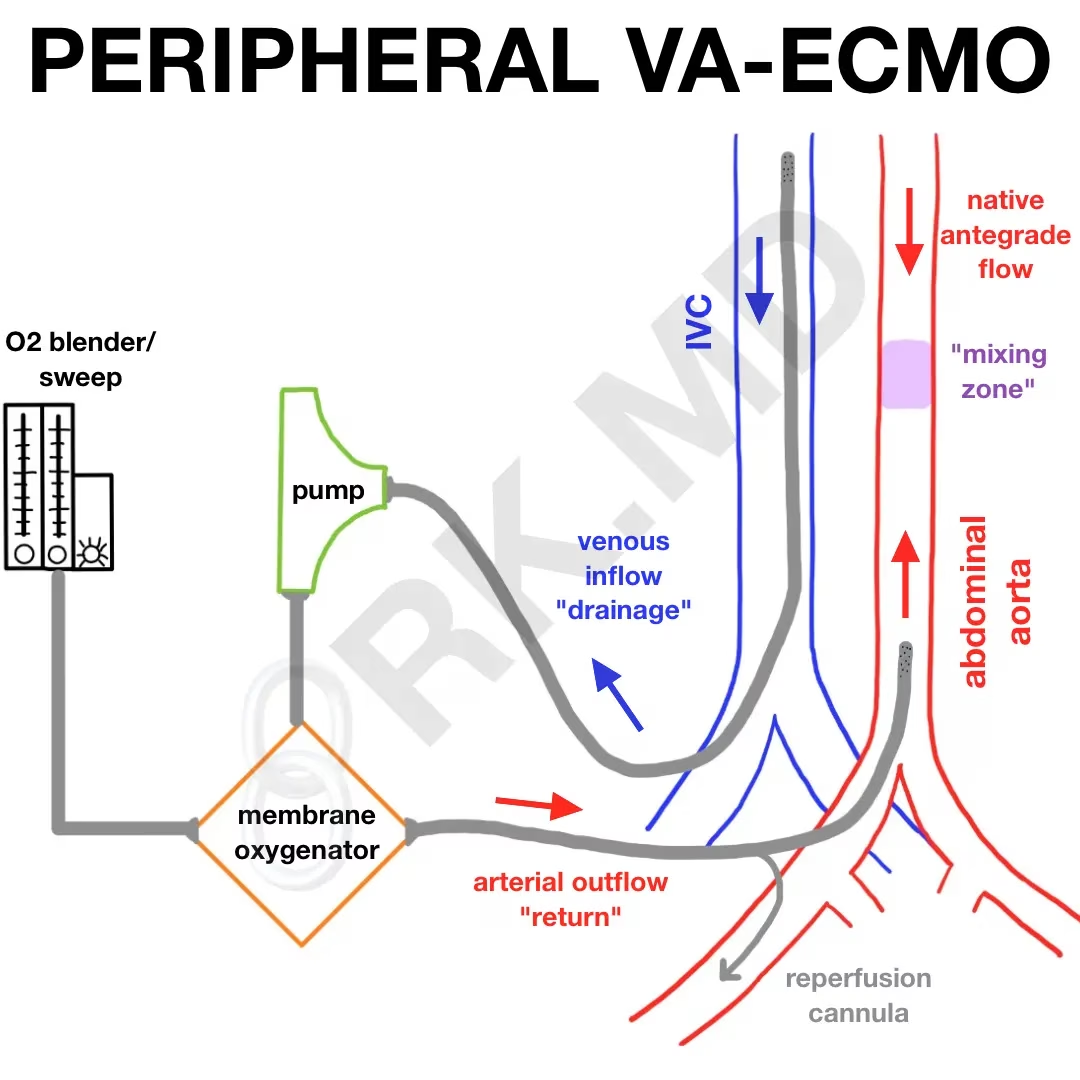
    Peripheral venous-arterial (VA) ECMO, typically via the common femoral vein and artery, can be utilized as a bridge to recovery or decision in critically ill patients; however, this cannulation strategy can result in unique physiologic derangements like a watershed phenomenon. In this situation, perfusion occurs via antegrade cardiac output (blood…

    Read More

  • ECMO Oxygenator Clots

    ECMO Oxygenator Clots

    Virchow’s triad of stasis, vascular damage, and hypercoagulability contribute to thrombosis. Although patients on extracorporeal membrane oxygenation (ECMO) are usually on pharmacologic anticoagulation (i.e., heparin), it’s still possible to form clots in areas of sluggish flow such as Y-connectors and the membrane oxygenator.

    Read More

  • ECMO Hand Crank

    ECMO Hand Crank

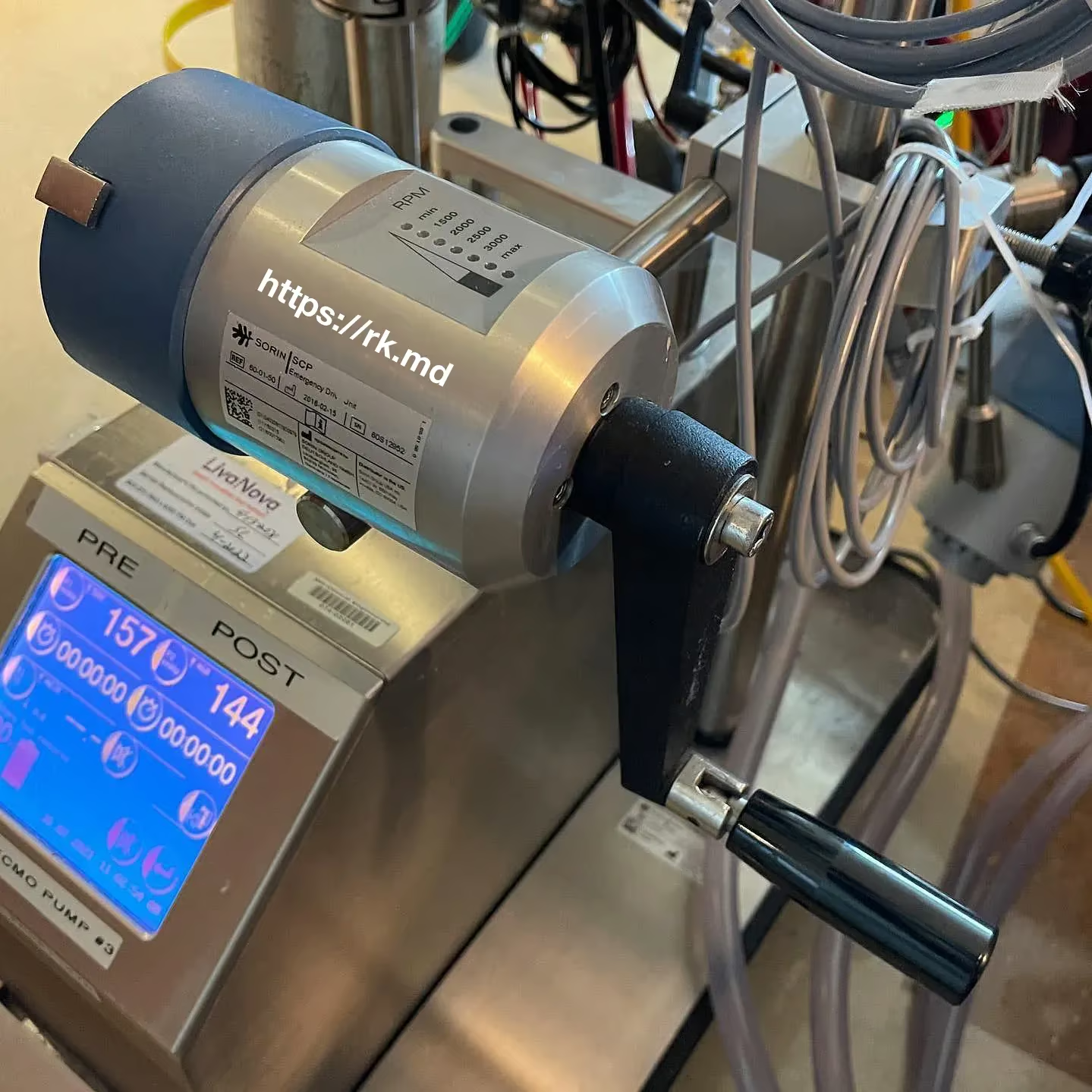
    Extracorporeal membrane oxygenation (ECMO) has a few basic parts: an inflow (“drainage”) cannula, mechanical blood pump, membrane oxygenator, heat exchanger, and an outflow (“return”) cannula. In a motor failure, pump flow can be maintained via a hand crank while troubleshooting the problem.

    Read More

  • RK.MD Mechanical Circulatory Support (MCS) Reference Sheet
  • What’s A Hemolung RAS?

    What’s A Hemolung RAS?

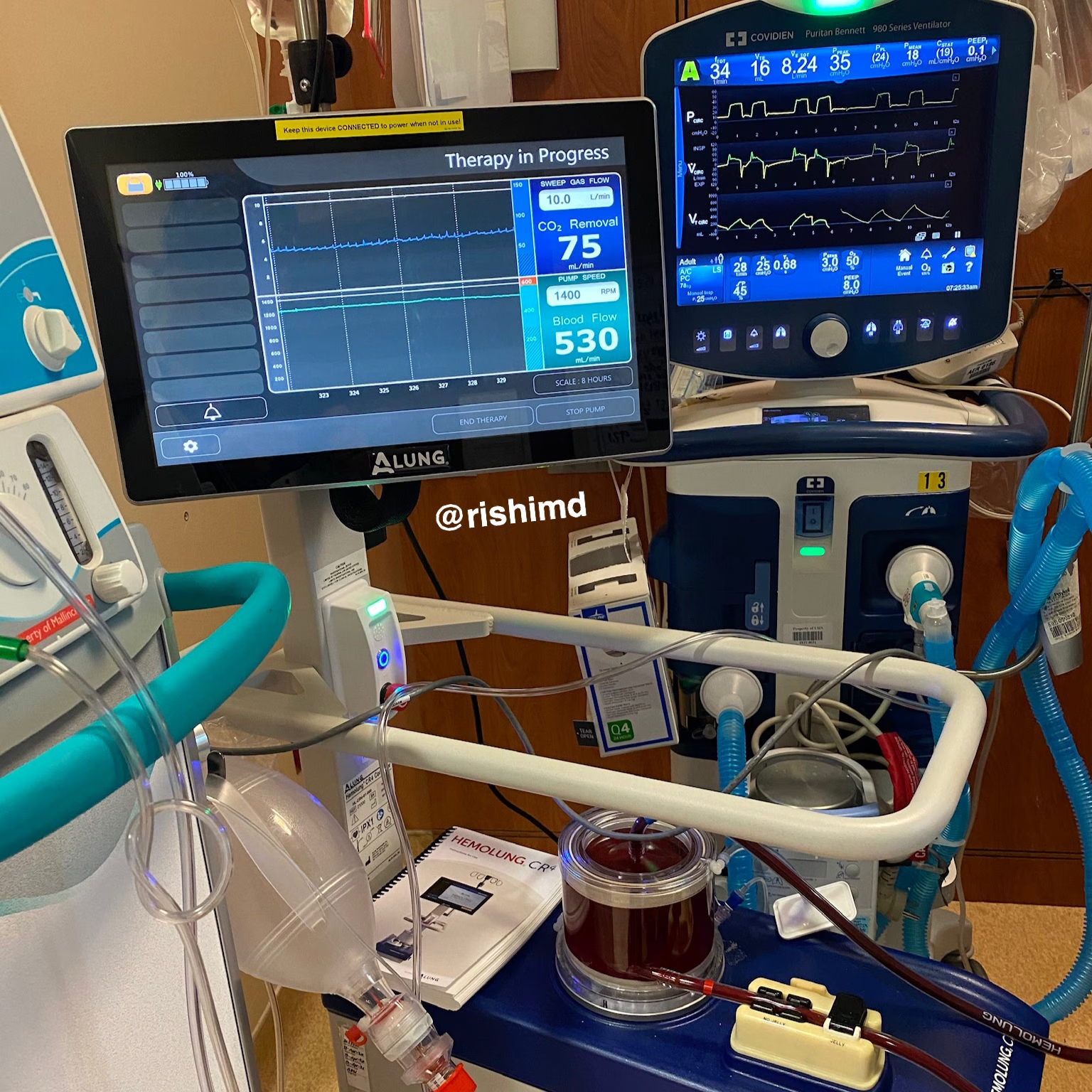
    The Hemolung Respiratory Assist System (RAS) is an investigative extracorporeal carbon dioxide (CO2) removal (ECCO2R) therapy. This system uses a centrifugal pump and blood gas exchanger to create respiratory dialysis – a form of low-flow VV-ECMO – where CO2 is removed, and oxygen (O2) is added to the blood through…

    Read More

  • GI Bleeding With LVADs

    GI Bleeding With LVADs

    Left ventricular assist devices (LVADs) are gaining more traction in treatment-refractory heart failure primarily as a bridge-to-transplantation or destination therapy. Unfortunately, these patients frequently develop gastrointestinal (GI) bleeds requiring transfusion and endoscopic interventions. But why?

    Read More

  • What Is VA-ECMO?

    What Is VA-ECMO?

    Extracorporeal membrane oxygenation (ECMO) is a form of mechanical circulatory support (MCS) used as a bridge to recovery, transplant, or alternative therapy (ie, VAD insertion). Whether it’s the actual cannulation process or day-to-day management, it’s one of my absolute favorite topics as an intensivist and cardiac anesthesiologist! ECMO’s usage is…

    Read More

  • Surgical Steps In CentriMag Biventricular Assist Device (BiVAD) Placement

    Surgical Steps In CentriMag Biventricular Assist Device (BiVAD) Placement

    CentriMag devices are implanted for acute right and/or left-sided circulatory support but often times used for extended periods of time for patients with acute heart failure awaiting a heart transplant. With CentriMag devices, patients can ambulate and stay conditioned in preparation for their orthotopic heart transplant. These devices rely on…

    Read More

  • Surgical Steps In HeartMate 3 LVAD Placement

    Surgical Steps In HeartMate 3 LVAD Placement

    Left ventricular assist devices (LVADs) like the HeartMate 3 are routinely being implanted as a mechanical circulatory bridge-to-transplant (BTT) or destination therapy (DT). My anesthetic plan for LVAD placement includes general endotracheal anesthesia, arterial line, central venous catheter (oftentimes with PA catheter), and intraoperative transesophageal echocardiography (TEE). In particular with…

    Read More